Category
page 1Taxa named by Karl Friedrich Wilhelm Wallroth

Malva neglecta
species of plant
Cicerbita
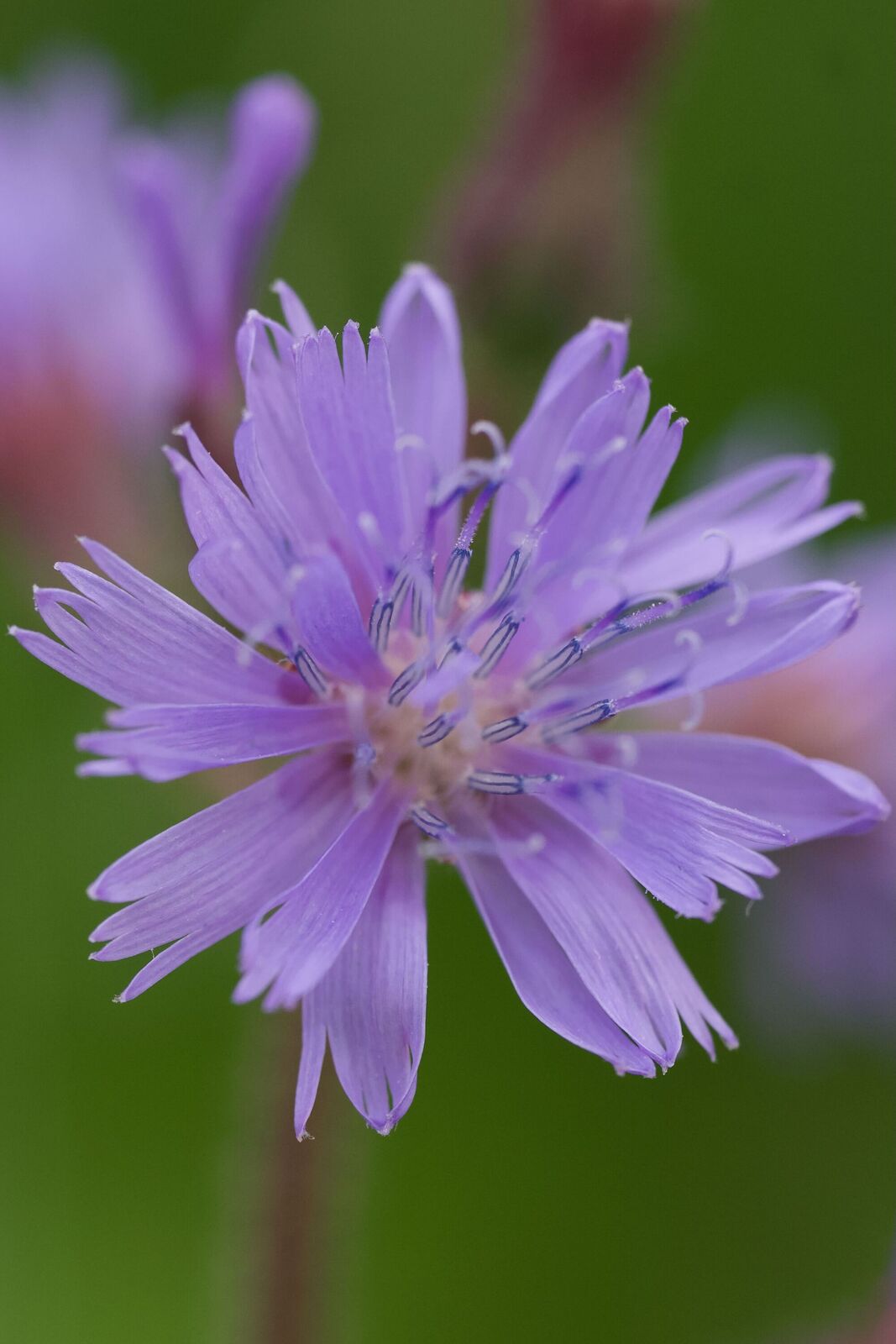
Cicerbita is a genus of flowering plants in the family Asteraceae, native to Asia and Europe. They are known commonly as blue sow thistles. The word Cicerbita is from the Italian, meaning "chickory-like", a comparison to Cichorium, the chicory genus.
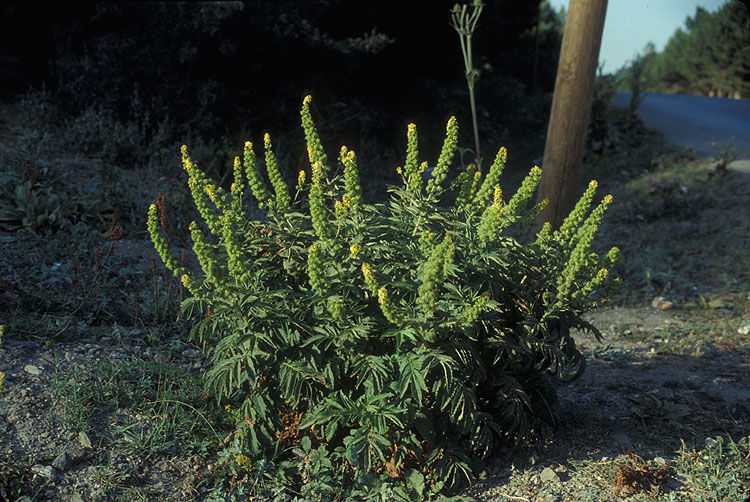
Agrimonia procera
species of plant
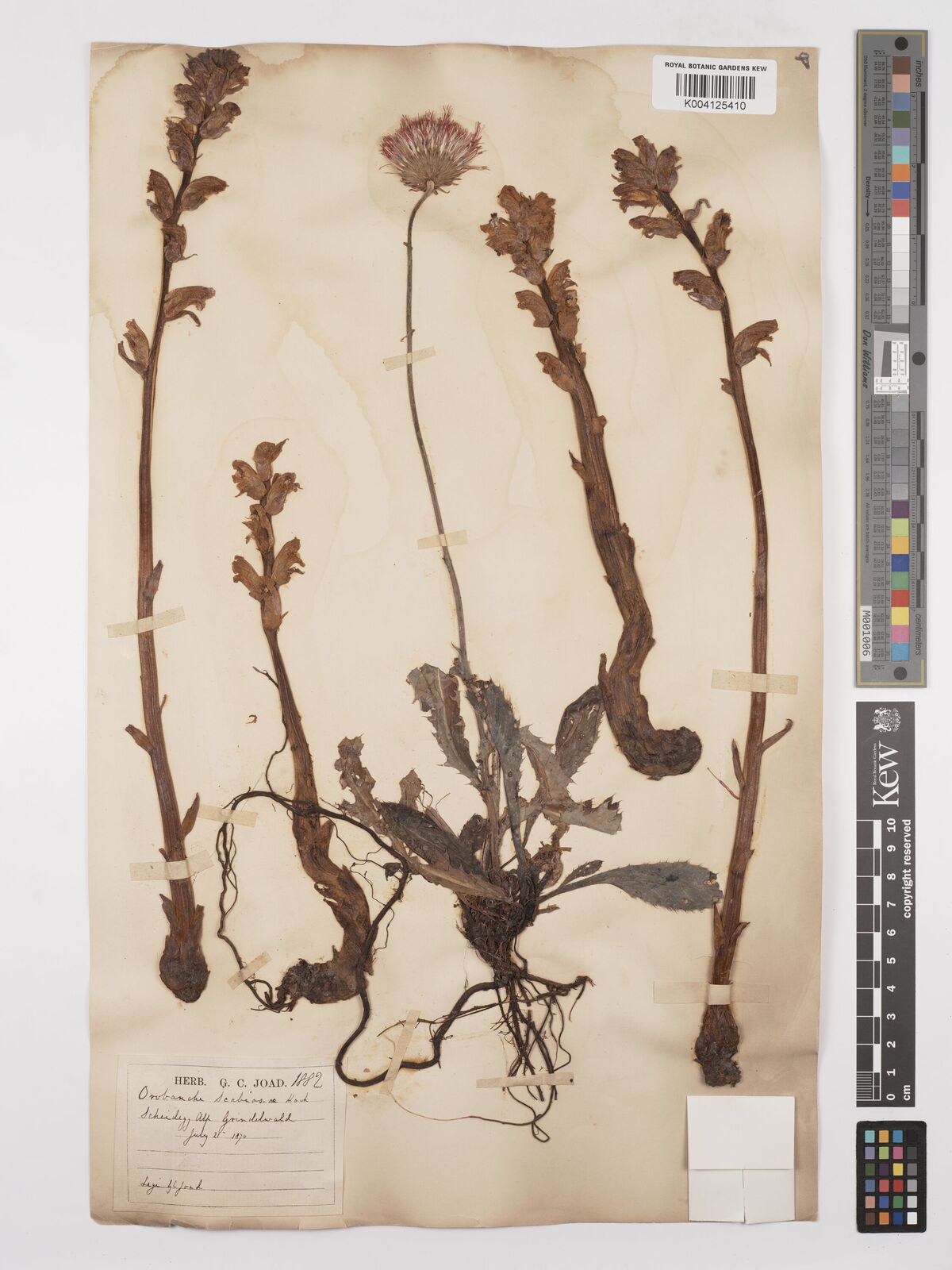
Orobanche reticulata
species of plant
Colletotrichum coccodes
species of fungus
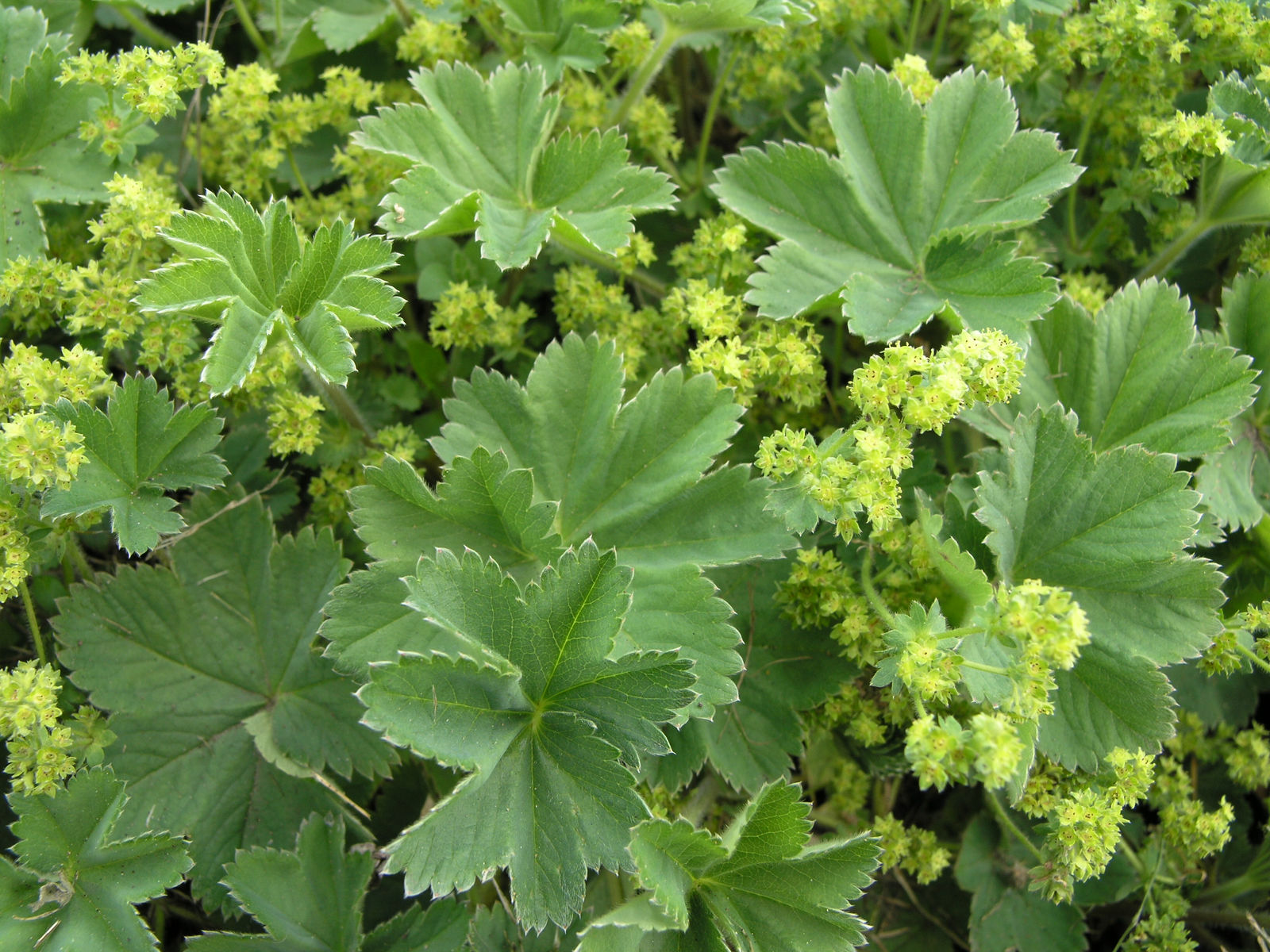
Alchemilla glaucescens
species of plant

Conopholis
Conopholis is a small genus of flowering plants in the family Orobanchaceae.
thumb|Conopholis americana
Botrydium
Botrydium is a genus of thalloid algae. Specimens can reach around 2 mm in size and produce tetraspores.
Chrysomyxa abietis
species of fungus
Stemphylium
Stemphylium is a genus of fungal plant pathogen.
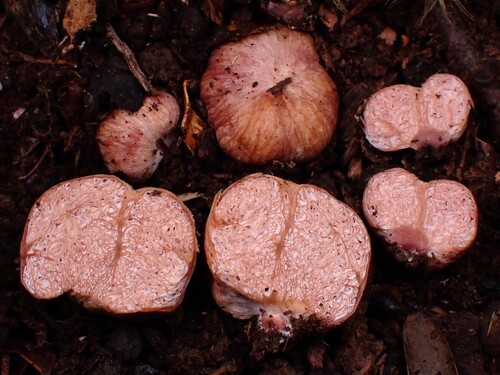
Hydnangium
Hydnangium is a genus of truffle-like fungi in the family Hydnangiaceae. All species in this genus are known to form ectomycorrhizal associations with trees.
Hyphoderma
Hyphoderma is a genus of crust fungi in the family Hyphodermataceae. It was circumscribed by German botanist Karl Friedrich Wilhelm Wallroth in 1833.
Colpoma
Colpoma is a genus of fungi within the Rhytismataceae family. The genus contains 14 species.
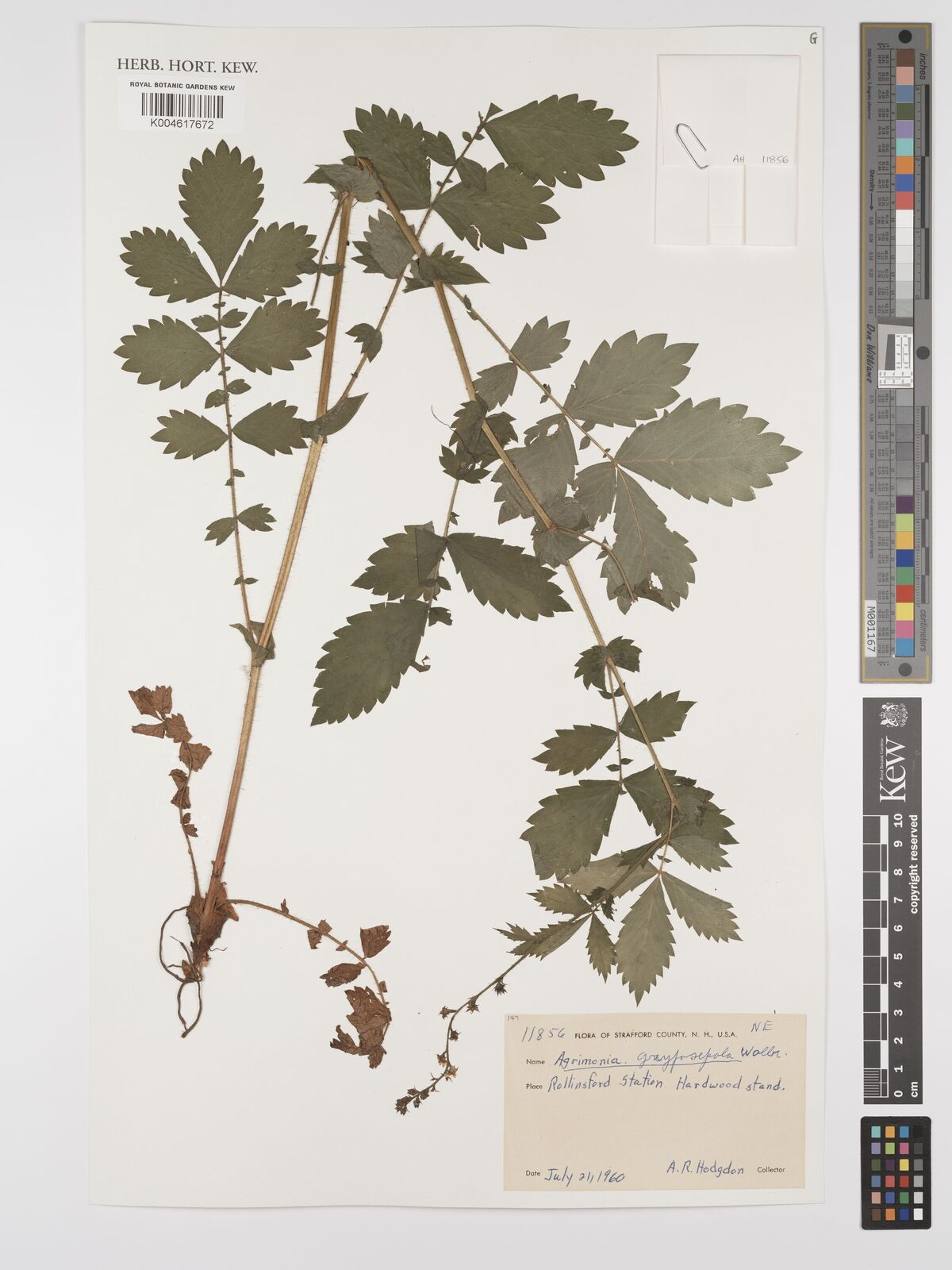
Agrimonia gryposepala
species of plant
Phlyctis
Phlyctis is a genus of lichen-forming fungi in the order Gyalectales, and the type genus of the family Phlyctidaceae. Members of the genus are commonly called whitewash lichens. These parasitic lichens typically form very thin, patchy crusts on host surfaces or live almost entirely within their hosts, producing minute fruiting bodies that remain largely hidden beneath a coarse white . The genus is characterised by spores that are densely divided by many walls into a net-like pattern and often have tiny points at their ends. Phlyctis contains about 20 species distributed worldwide, with several
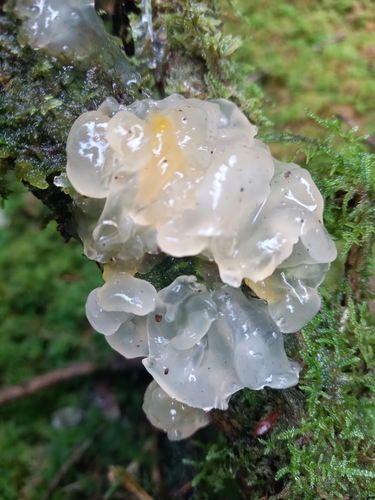
Myxarium nucleatum
species of fungus
Physoderma
Physoderma is a genus of chytrid fungi. Described by German botanist Karl Friedrich Wilhelm Wallroth in 1833, the genus contains some species that are parasitic on vascular plants, including P. alfalfae and P. maydis, causative agents of crown wart of alfalfa and brown spot of corn, respectively. Of the chytrid genera, Physoderma is the oldest. However, species were confused with the rust fungi, the genus Synchytrium, and the genus Protomyces of Ascomycota. Members of Physoderma are obligate parasites of pteridophytes and angiosperms. There are approximately 80 species within this ge
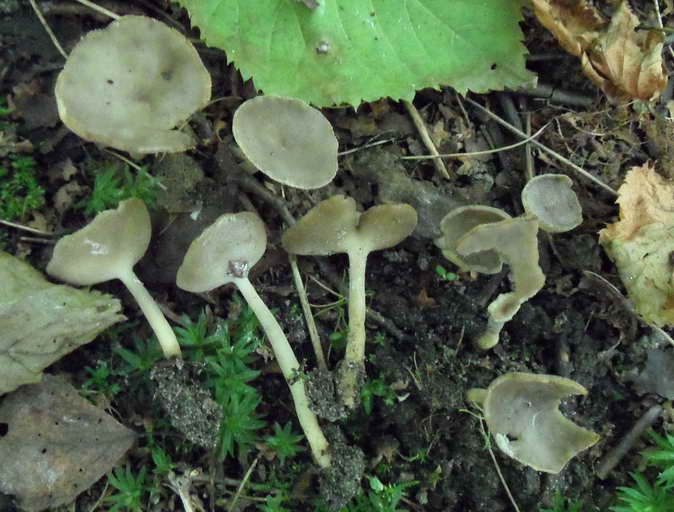
Helvella fibrosa
species of fungus
Urocystis occulta
species of fungus
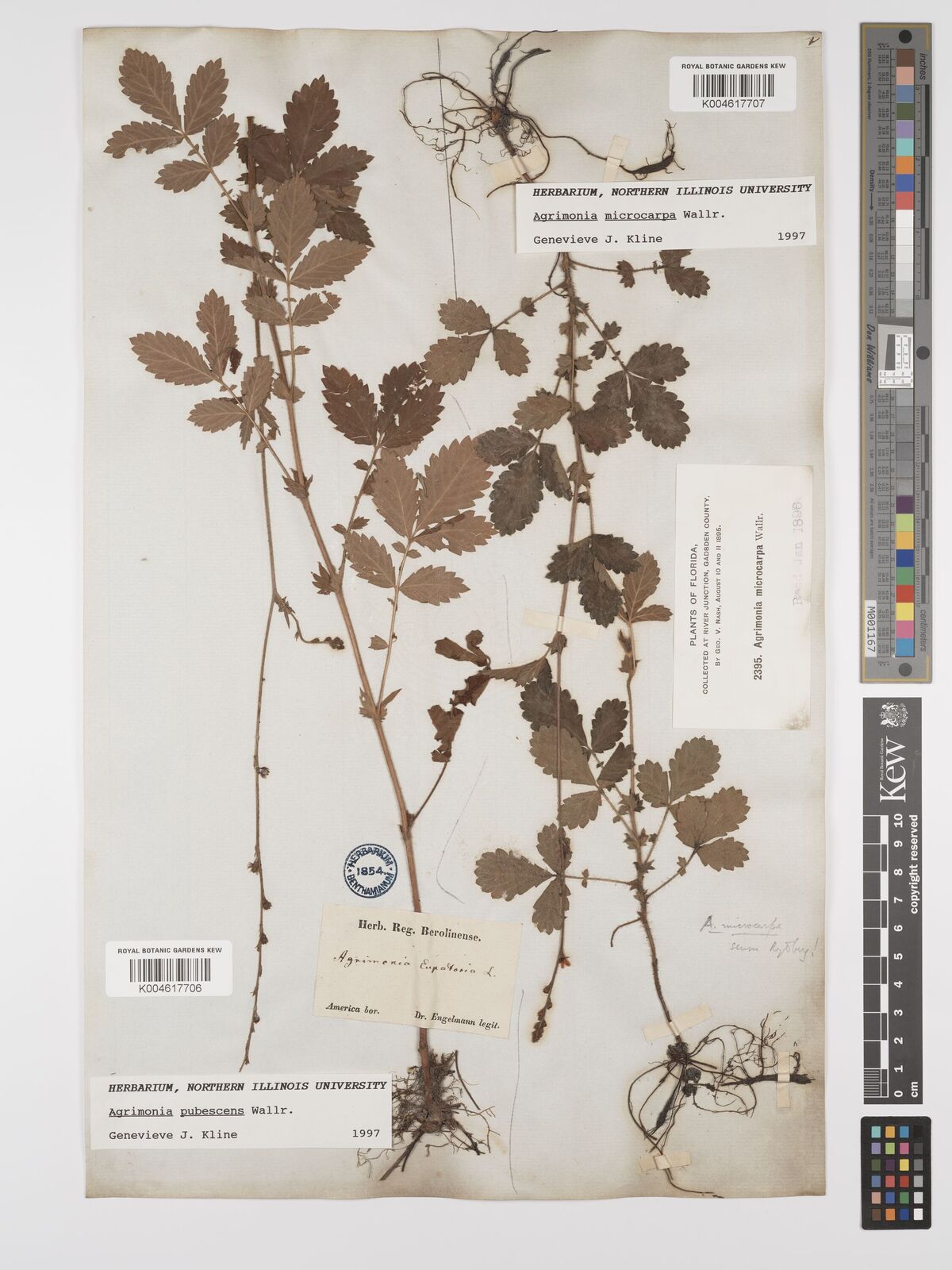
Agrimonia microcarpa
species of plant
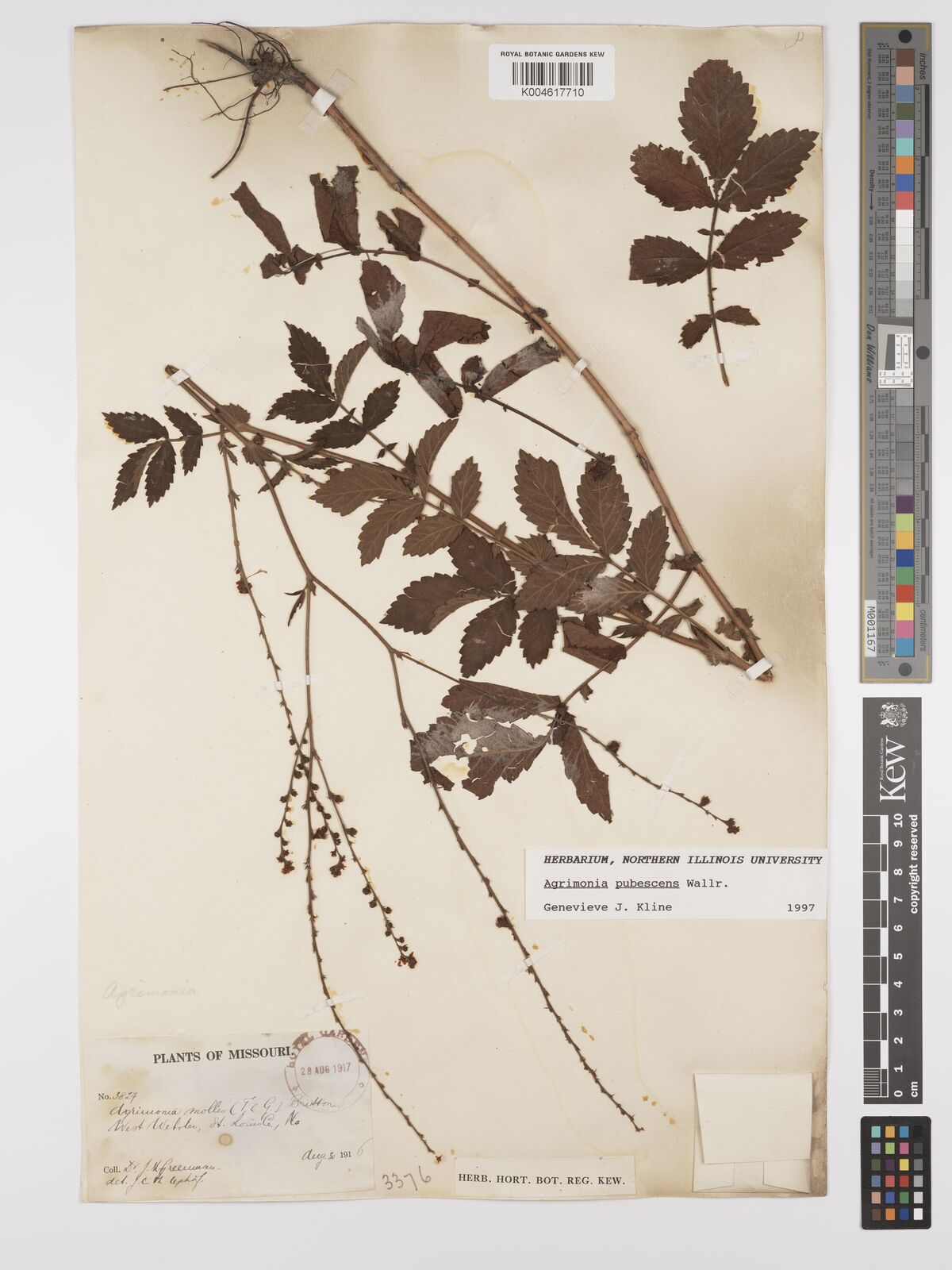
Agrimonia pubescens
species of plant
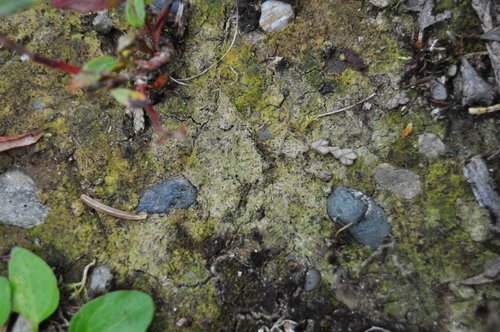
Thrombium
Thrombium is a genus of lichen-forming fungi in the family Protothelenellaceae. The genus was established in 1831 by the German lichenologist Karl Friedrich Wilhelm Wallroth, who originally described numerous species under this name. Thrombium species are characterized by their extremely thin, often barely visible crusty thalli and tiny black fruiting bodies embedded in the substrate. These lichens grow on soil, rocks, mosses, and plant debris in various habitats around the world. The genus has undergone significant taxonomic revision over the years, with DNA studies confirming its placement i
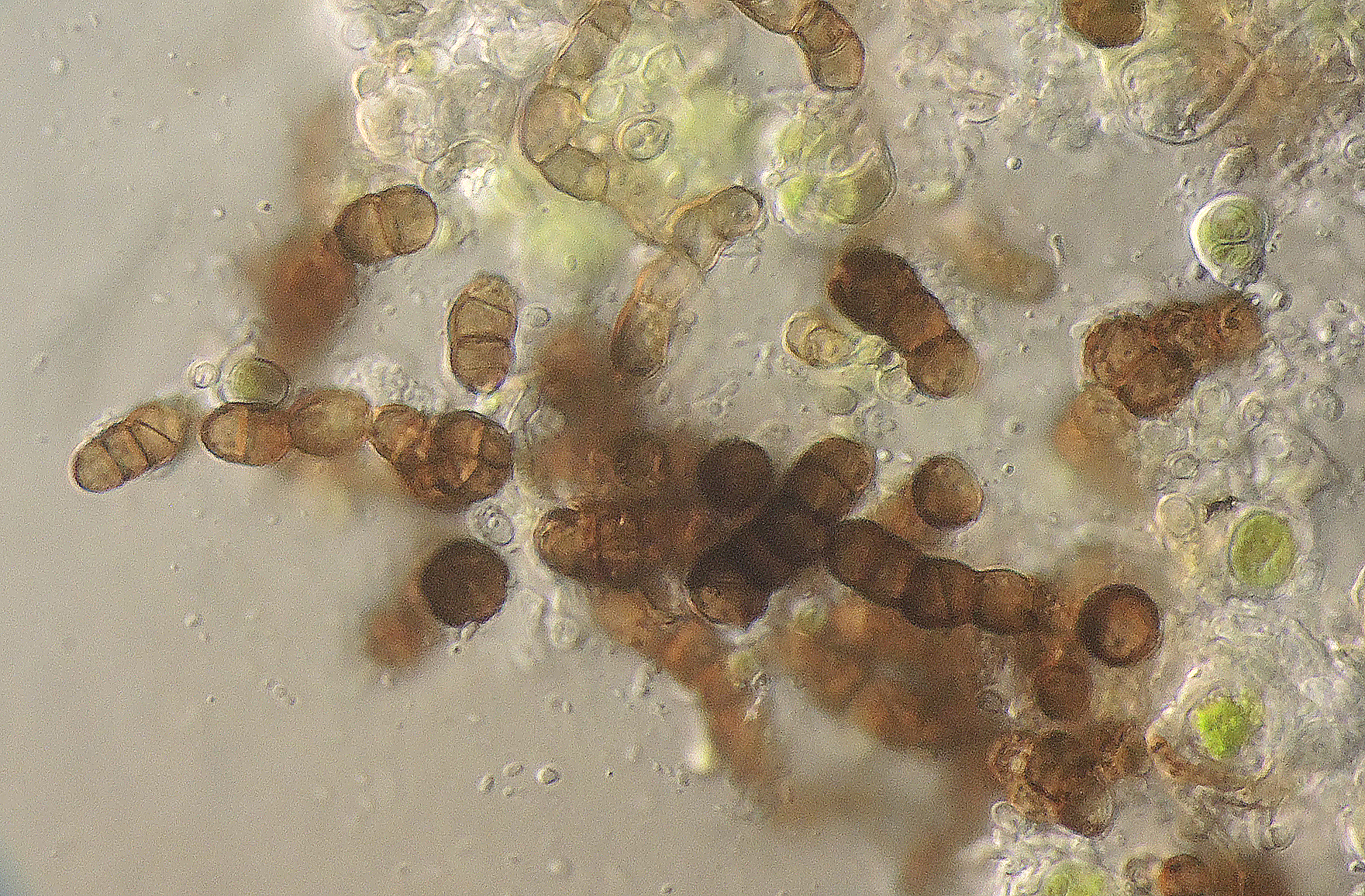
Monodictys castaneae
species of fungus