Category
page 1Taxa named by Theodor Magnus Fries
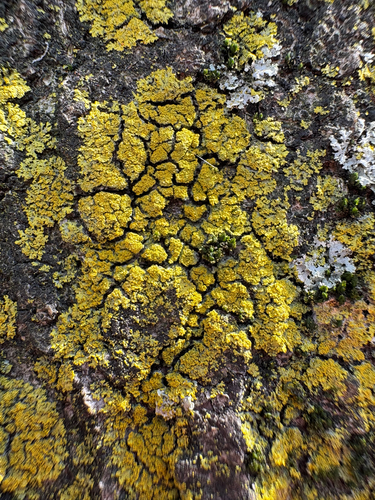
Caloplaca
Caloplaca is a lichen genus comprising a number of distinct species. Members of the genus are commonly called firedot lichen, jewel lichen. gold lichens, "orange lichens", but they are not always orange, as in the case of C. albovariegata. The distribution of this lichen genus is worldwide, extending from Antarctica to the high Arctic. It includes a portion of northern North America and the Russian High Arctic. There are about thirty species of Caloplaca in the flora of the British Isles.

Chaenotheca
Chaenotheca is a genus of lichen-forming fungi in the family Coniocybaceae. The reproduction structures are a mass of loose ascospores that are enclosed by a cup-shaped sitting on top of a tiny stalk, having the appearance of a dressmaker's pin (called a mazaedium), hence the common name pin lichen. Genus members are also commonly called needle lichens. The genus has a worldwide distribution, with the greatest diversity in the temperate forests of the northern hemisphere, though species have also been recorded from the southern hemisphere including Australia, New Zealand, and South America. Sp
Oropogon
Oropogon is a genus of lichen-forming ascomycetes in the large family Parmeliaceae. It is a genus of roughly 40 currently accepted species. It was previously included in the family Alectoriaceae, but this group has since been subsumed into the Parmeliaceae.
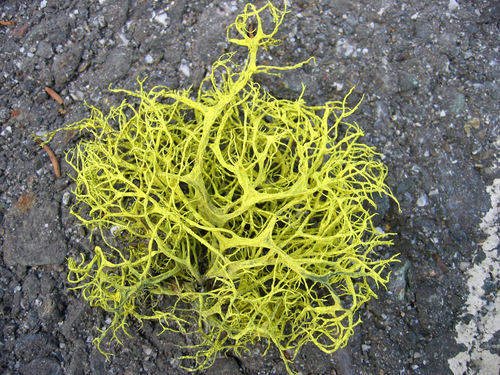
Letharia
Letharia is a genus of fruticose lichens belonging to the family Parmeliaceae. Molecular phylogenetics studies have revealed that what were once considered just two species actually represent at least several distinct evolutionary lineages, with western North America serving as the centre of diversity for the group. These lichens typically grow on sun-exposed wood and bark of coniferous trees, growing in dry habitats where they receive moisture from dew or fog.
Peltigera scabrosa
species of fungus
Pilophorus
genus of fungi
Arctomiaceae
The Arctomiaceae are a family of lichen-forming fungi in the Ascomycota, class Baeomycetales. The family was named by Theodor Magnus Fries in 1861, with Arctomia as the type genus. Species in this family are found in arctic and subarctic habitats, usually associated with bryophytes. In overall morphology, the Arctomiaceae combine features that are otherwise uncommon together within the Ostropomycetidae: a consistent association with cyanobacterial genus Nostoc, gelatinous thalli, and fruiting bodies that develop openly rather than being enclosed.

Arctoparmelia separata
species of fungus
Thelenella muscorum
species of fungus
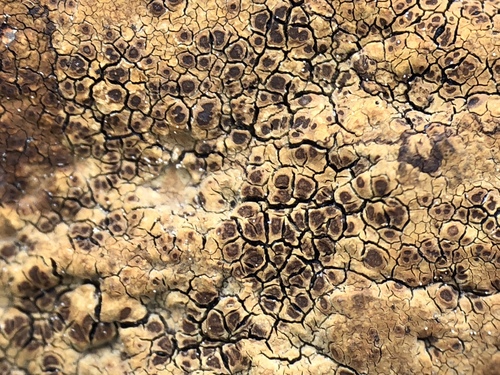
Ionaspis
Ionaspis is a genus of lichen-forming fungi in the family Hymeneliaceae. It contains six species of saxicolous (rock-dwelling), crustose lichens. The genus was originally circumscribed in 1871 by Theodor Magnus Fries. He segregated the genus from Aspicilia based on the presence of Trentepohlia rather than Trebouxia as the partner.
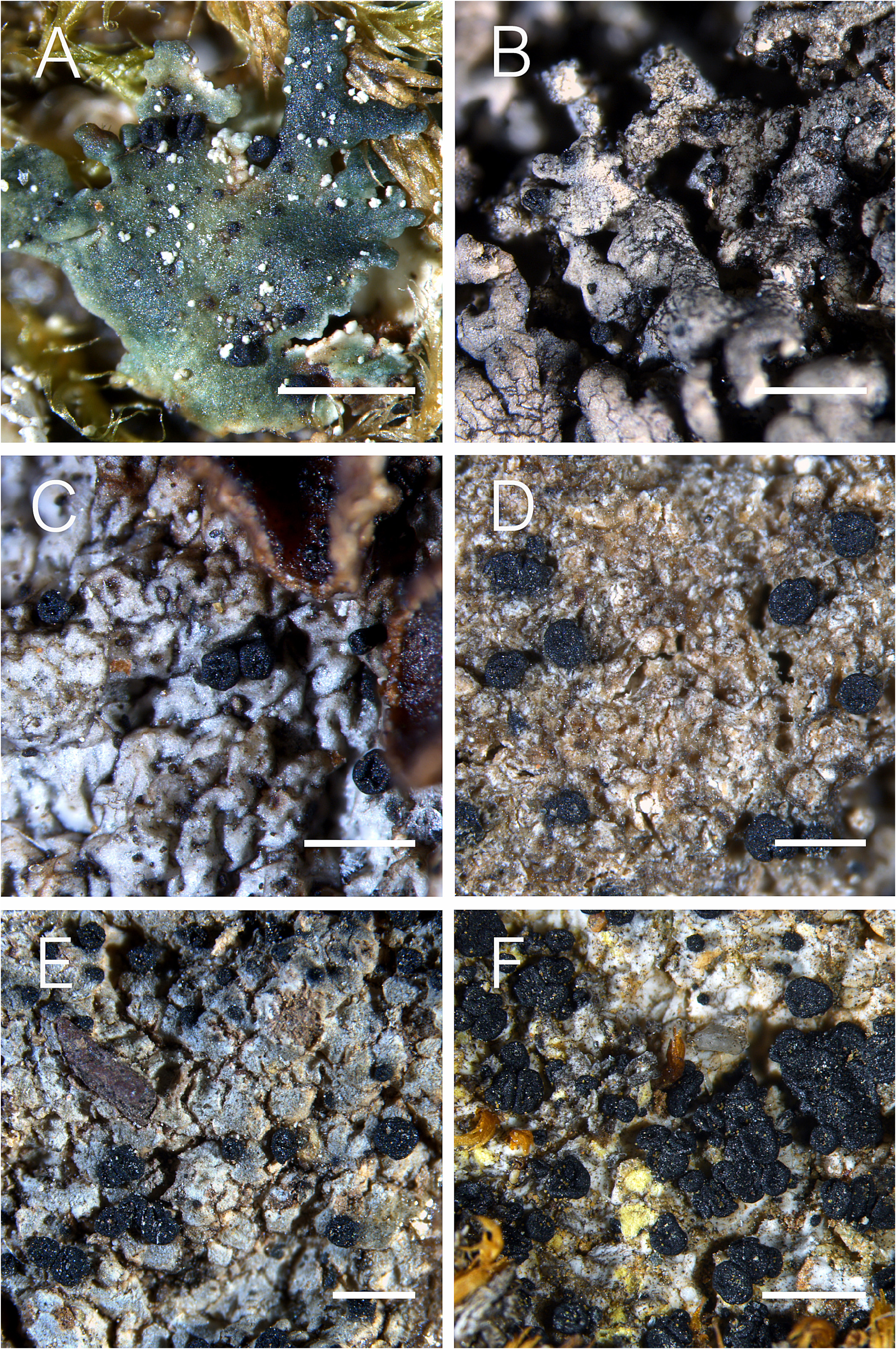
Arthrorhaphis
Arthrorhaphis is a genus of fungi in the monotypic family Arthrorhaphidaceae. It has 13 species. Species in this family have a widespread distribution in temperate and montane habitats. They grow symbiotically with green algae, or parasitically on other lichens. These fungi typically start as parasites on other lichens but can later become free-living, forming bright greenish-yellow to greyish scales on acidic soils and weathered rocks in cool upland regions.
Allantoparmelia alpicola
species of fungus
Leciophysma
Leciophysma is a genus of cyanolichens in the family Pannariaceae. It has four species. The genus was circumscribed by Theodor Magnus Fries in 1865, with Leciophysma finmarkicum assigned as the type species.
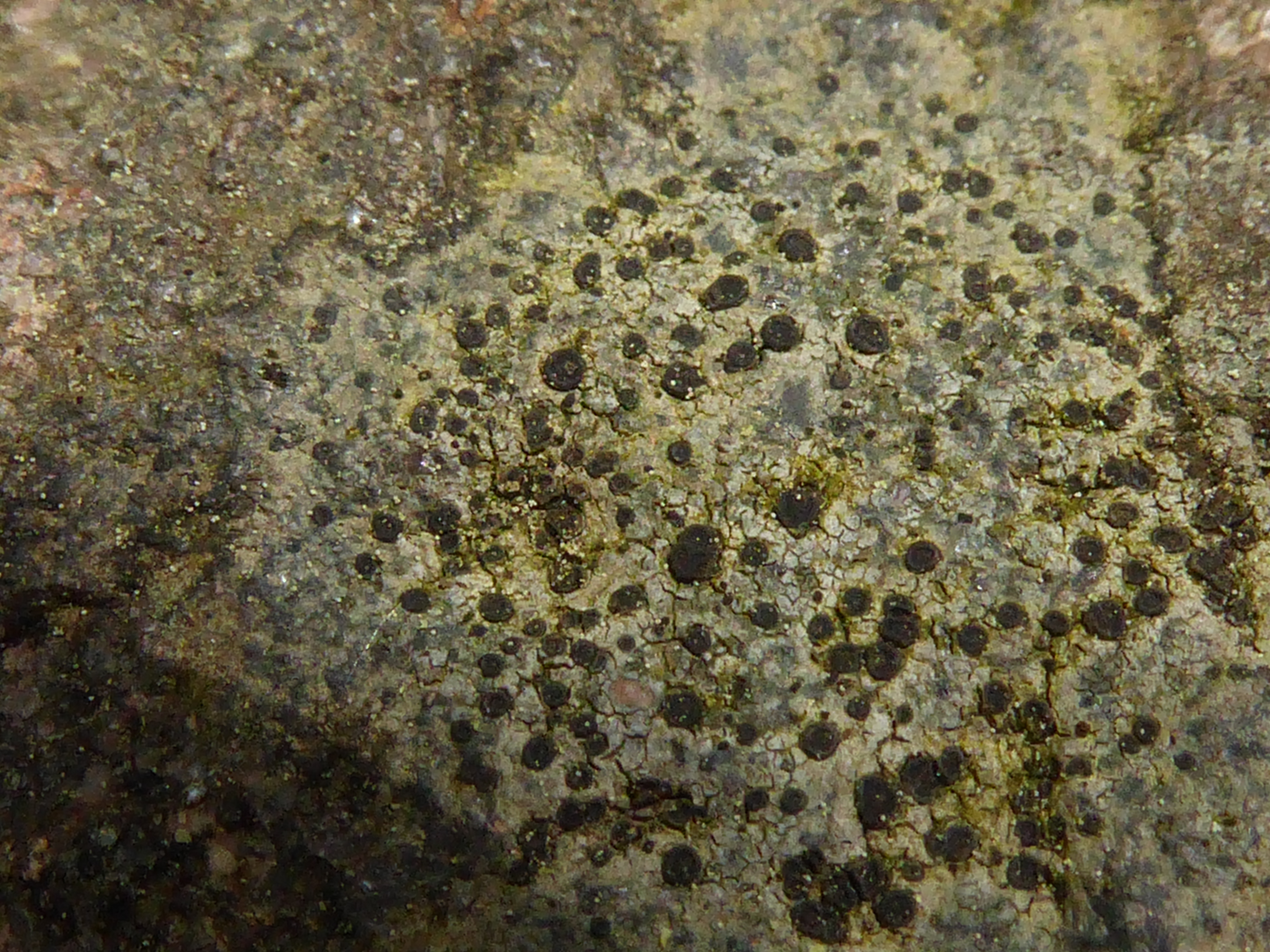
Rhizocarpon reductum
species of fungus
Cryptothele
genus of lichen
Arctomia
Arctomia is a genus of lichen-forming fungi in the family Arctomiaceae. The genus was established in 1860 by the Swedish lichenologist Theodor Magnus Fries, and species of Arctomia are mainly distributed in circumpolar regions of the Northern Hemisphere. A comprehensive molecular study published in 2025 confirmed that the genus forms a distinct evolutionary lineage within its family. Species typically grow as thin, reddish-brown to blackish crusts on plant debris, mosses, or tree bark in cold northern regions, with their distribution ranging from the Arctic tundra to boreal forests and alpine