Category
page 1Use New Zealand English from August 2024

2011 Rugby World Cup
7th Rugby World Cup
Kim Dotcom
German-Finnish Internet entrepreneur
Air New Zealand Flight 901
November 1979 aviation accident in Antarctica

bushwren
The bushwren (Xenicus longipes), also known as the in the Māori language, is an extinct species of diminutive and nearly flightless bird that was endemic to New Zealand. It had three subspecies on each of the major islands of New Zealand, the North Island, South Island, and Stewart Island / Rakiura and nearby smaller islands. The species disappeared gradually after the introduction of invasive mammalian predators, last being seen on the North Island in 1955 and the South Island in 1968. Attempts were made to save the remaining population on small islands off Stewart Island, but they ultimately

Aotearoa
Aotearoa is the Māori-language name for New Zealand. The name was originally used by Māori in reference only to the North Island, with the whole country sometimes referred to as , especially in the South Island. In the pre-European era, Māori did not have a collective name for the two islands.

Tūheitia
Tūheitia Pōtatau Te Wherowhero VII (born Tūheitia Paki; 21 April 1955 – 30 August 2024), crowned as Kīngi Tūheitia, reigned as the Māori King from 2006 until his death in 2024. He was the eldest son of the previous Māori monarch, Te Arikinui Dame Te Atairangikaahu, and was announced as her successor and crowned on 21 August 2006, the final day of her tangi.
Michael Joseph Savage
first Labour Prime Minister of New Zealand (1872-1940)
Portia Woodman
New Zealand rugby union player
Laurel Hubbard
Weightlifter from New Zealand
Royal New Zealand Navy
maritime arm of the New Zealand Defence Force

Hokitika
thumb|276x276px
Hokitika is a town in the West Coast region of New Zealand's South Island, south of Greymouth, and close to the mouth of the Hokitika River. It is the seat and largest town in the Westland District. The town's estimated population is as of .
Q130085565
Monarch of the Kīngitanga (Māori king movement) since 2024
Māori King Movement
shared monarchy of numerous iwi (Māori tribes) of New Zealand

Waimanu
Waimanu is a genus of early penguin which lived during the Paleocene, soon after the Cretaceous–Paleogene extinction event, around 62–60 million years ago. It was about the size of an emperor penguin (1 metre (3.3 ft)). It is one of the most important bird fossils for understanding the origin and evolution of birds because of the time period it comes from, and the position of penguins near the base of the bird family tree.
alt=Artist's reconstruction of fossil penguin Waimanu manneringi|thumb|Artist's reconstruction
Waimanu was a very early member of the Sphenisciformes, the order that include
Anomalopteryx
genus of birds (extinct)
Finn Butcher
New Zealand slalom canoeist

Kairuku
Kairuku is an extinct genus of penguin. It contains three species, K. grebneffi, K. waitaki and K. waewaeroa. This taxon is known from bones from 27 MYA (late Oligocene), from the Kokoamu Greensand Formation of New Zealand. It was historically referred to as Palaeeudyptes.
Ngila Dickson
New Zealand costume designer
House of Assembly of Kiribati
parliament of Kiribati
North Island Snipe
species of bird
New Zealand wine
wine produced in New Zealand
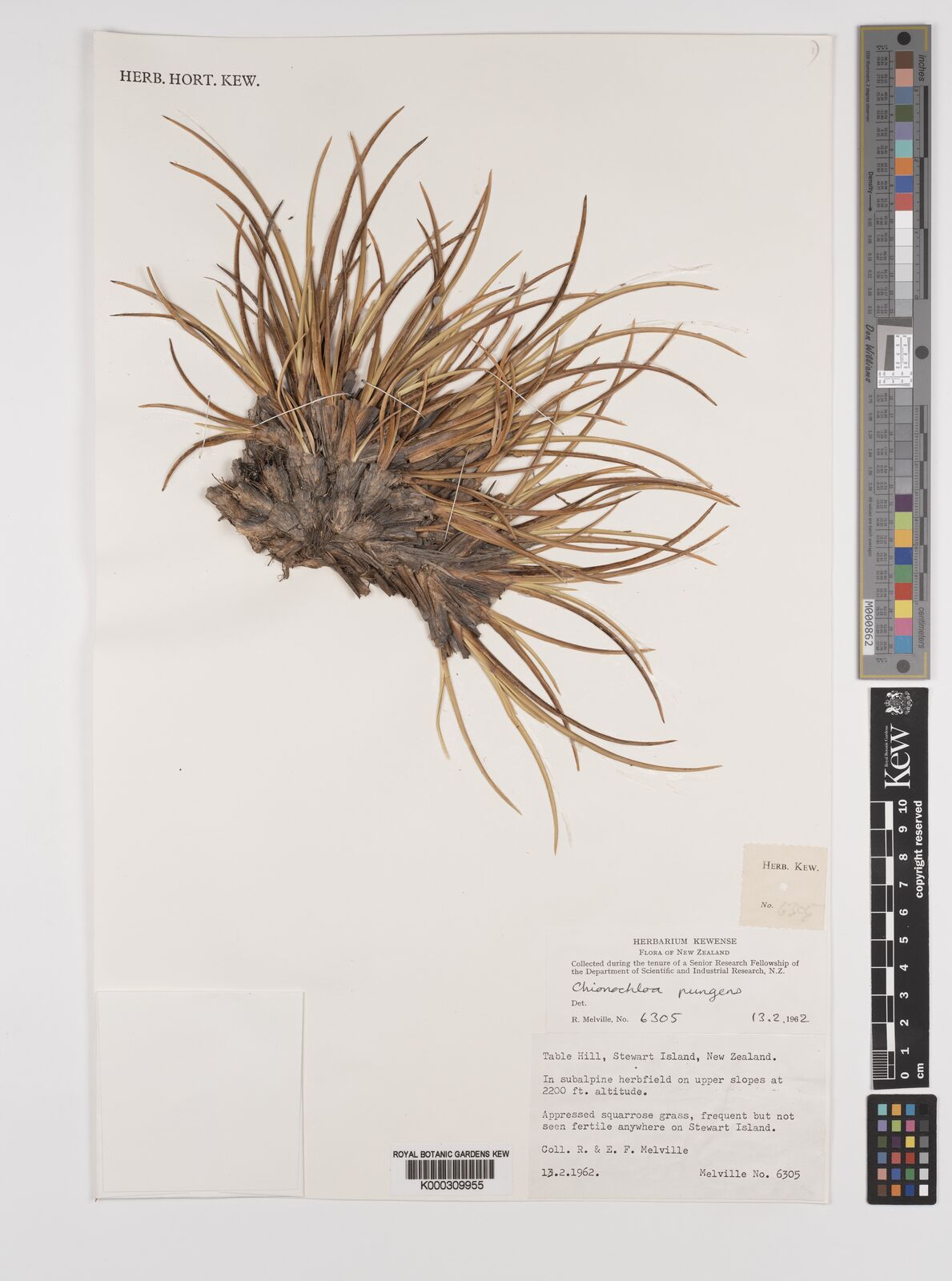
Chionochloa
Chionochloa is a genus of tussock grass in the family Poaceae, found primarily in New Zealand with one known species in New Guinea and another on Lord Howe Island (part of Australia). Some of the species are referred to as snowgrass or snow tussock.
Nicole Shields
New Zealand track cyclist
Pōtatau Te Wherowhero
The first Māori king
Earle Wells
sailor
Deinacrida fallai
species of insect
Mokomokai
Preserved heads of Māori
Aptenodytes ridgeni
species of bird (fossil)
Ollie Maclean
New Zealand rower
Shaane Fulton
New Zealand cyclist (born 2000)
Kumimanu
Kumimanu is an extinct genus of giant penguin, which lived around 56 to 60 million years ago. The type species is Kumimanu biceae, which arose after the extinction of the non-avian dinosaurs. Fossils were found in New Zealand, and the discovery was announced in December 2017. A second species, Kumimanu fordycei, was named in February 2023, though some researchers consider it synonymous with the type species.
Tara Vaughan
New Zealand canoeist (born 2003)
Olivia Brett
New Zealand canoeist (born 2001)
The Press
New Zealand newspaper
Ka Mate
Māori haka
Adoxotoma forsteri
species of arachnid
Pachyornis elephantopus
species of bird (fossil)

Laurelia novae-zelandiae
species of plant

Davina Waddy
New Zealand rower
Pachyornis geranoides
extinct species of moa
Wellington Zoo
zoo in Wellington, New Zealand
Cambridgea turbotti
species of arachnid
Pachyornis australis
species of bird (fossil)
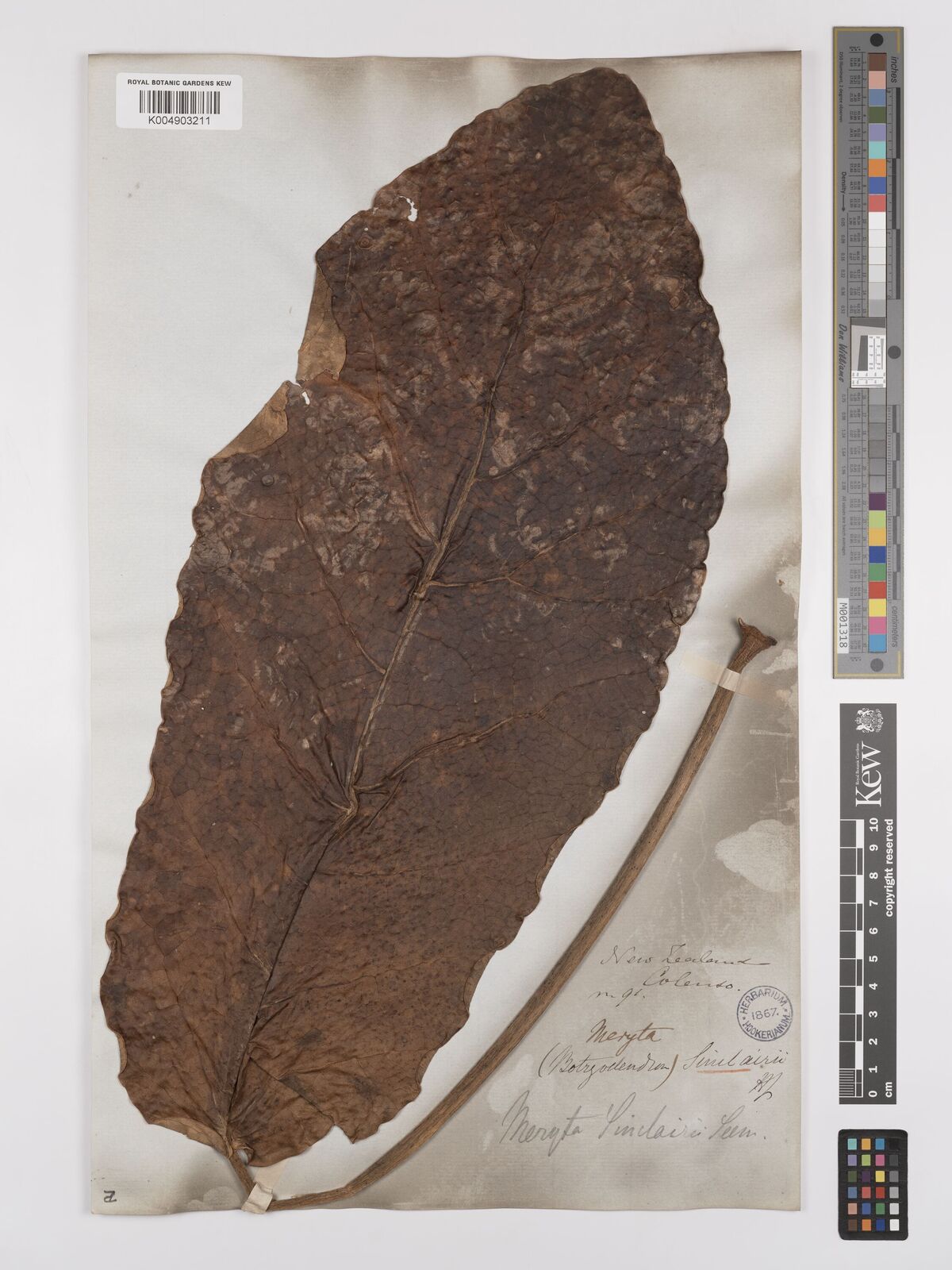
Meryta sinclairii
species of plant
Clutha District
territorial authority in New Zealand's Otago region

Hemiandrus
thumb|Hemiandrus electra male
William McKenzie
New Zealand sailor
Nelepsittacus
Nelepsittacus is a genus of extinct New Zealand parrots that is closely related to the genus Nestor (the living kākā and kea). It consists of four species, of which three have been named so far. The species are all known from the early Miocene Saint Bathans Fauna from the Lower Bannockburn Formation in Otago in New Zealand.
Golriz Ghahraman
New Zealand politician

Ourisia serpyllifolia
species of plant
Waipoua gressitti
species of arachnid
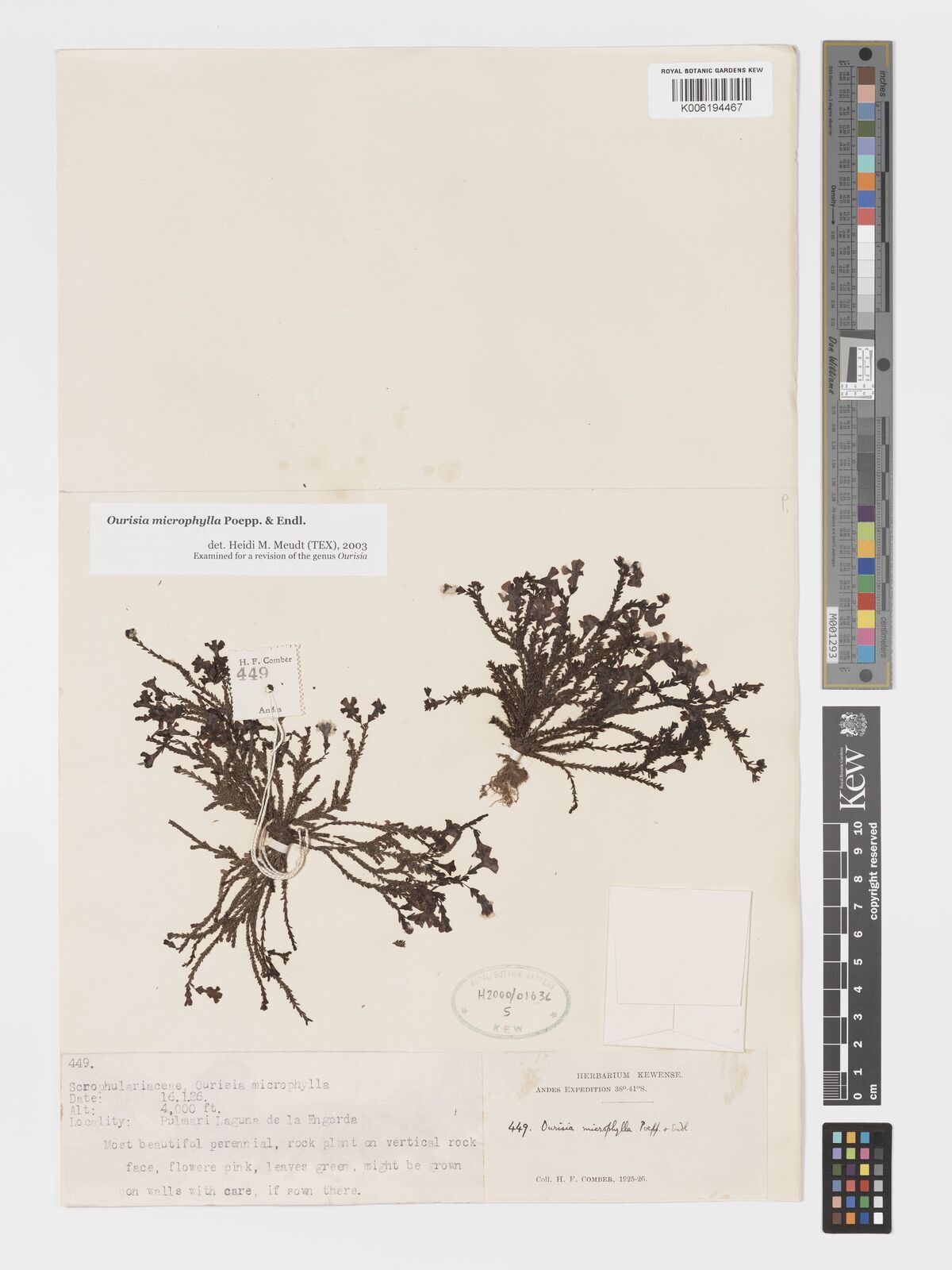
Ourisia microphylla
species of plant
Erica Dawson
New Zealand Olympic sailor
Duripelta borealis
species of arachnid
Hei matau
ornamental Māori fish-hook, for luck
Duripelta watti
species of arachnid
Pounamuella insula
species of arachnid
Segestria saeva
species of arachnid
Pounamuella australis
species of arachnid
Tangata waipoua
species of arachnid