Category
page 1Culture of Wallonia
Luxembourgish
Luxembourgish ( ; also Luxemburgish, Luxembourgian, Letzebu(e)rgesch; ) is a West Germanic language that is spoken mainly in Luxembourg. About 400,000 people speak Luxembourgish worldwide.

Walloon
Romance language indigenous to Belgium and France
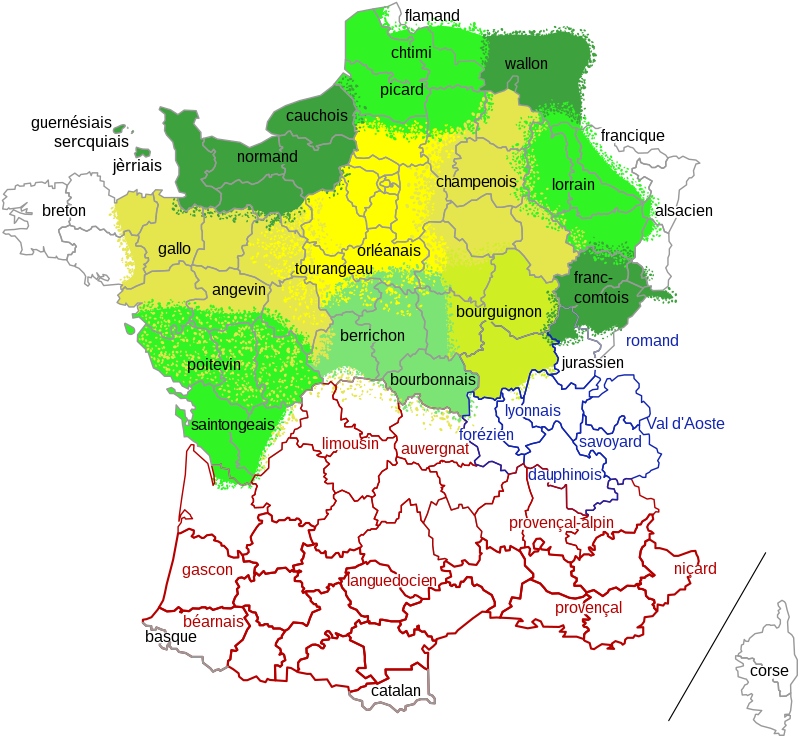
Picard
Gallo-Romance language spoken in northern France and southern Belgium
chanson de geste
medieval narrative in poetic form
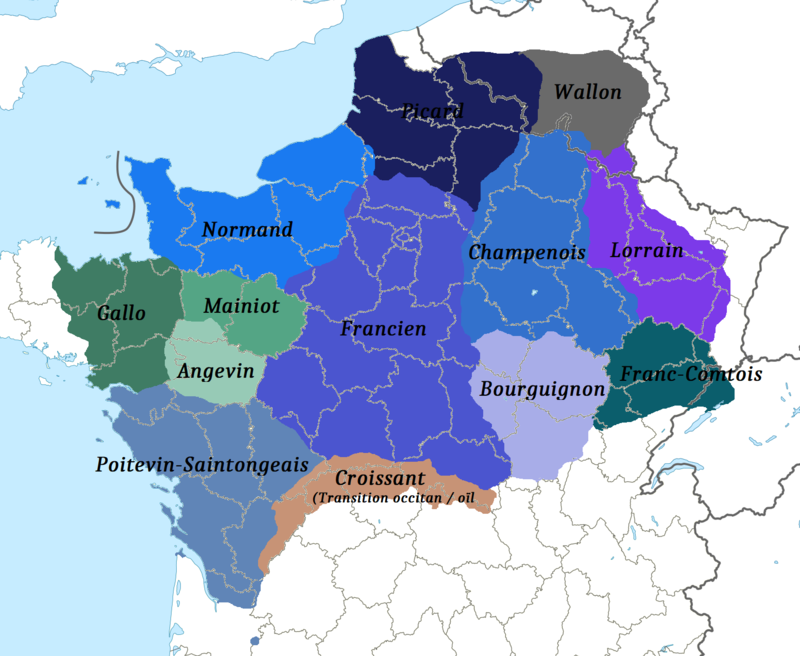
Champenois
language

ars nova
musical style of the late Middle Ages
Lorrain
all the dialects of Oïl spoken in Lorraine; independent languages or dialects of French

Limburger
Limburger, commonly known as Limburg (in southern Dutch contexts Rommedoe, and in Belgium Herve cheese), is a cheese that originated in the Herve area of the historical Duchy of Limburg, which had its capital in Limbourg-sur-Vesdre, now in the French-speaking Belgian province of Liège. The cheese is especially known for its strong smell caused by the bacterium Brevibacterium linens.
Franco-Flemish School
Franco-Flemish style of vocal music
Major Mining Sites of Wallonia
World Heritage site in Belgium
Le Chant des Wallons
national anthem of Wallonia since 1998, translated in French from a patriotic song written in Walloon by Théophile Bovy in 1900 (music by Louis Hillier, 1901)

The Son
2002 film by Luc Dardenne, Jean-Pierre Dardenne
Sequence of Saint Eulalia
earliest Old French poem
Bayard
legendary magical horse in chivalric romance
Mosan art
regional style of art from the Meuse river valley
Flag of Wallonia
flag of the Belgian region of Wallonia
Carnival of Binche
annual festival in Belgium

Angels of Mons
World War I legend
sirop de Liège
Belgian jam or jelly-like spread made of evaporated fruit juices
Baptismal font at St Bartholomew's Church, Liège
Faluche
Typical bread of Nord-Pas de Calais
Jean-Jacques Andrien
film director
Remoudou
thumb|Remoudou
thumb|300px|Romadour with tomatoes, chopped peppers, and a slice of bread.
Remoudou, or in Walloon ''r'moûdou, is a Belgian cheese from the Land of Herve.
It derives its name from the use of milk from a second milking performed 15 minutes after the usual milking. Hence the Wallon verb rimoûd'' meaning "to re-milk". This cheese weighs 200 to 500 g. When it is washed with salt it gets a strong taste, and when washed with milk it keeps a mild taste. It is often sold in pieces.
François Bailleux
Belgian lawyer
Gille
thumb|The Gilles, clad in their costumes and wax masks, wielding sticks used to ward off spirits