Category
page 1Fish of South America

piranha
A piranha (, or ; ) is any of a number of freshwater fish species in the subfamily Serrasalminae, of the family Serrasalmidae, in the order Characiformes. These fish inhabit South American rivers, floodplains, lakes and reservoirs. Although often described as extremely predatory and mainly feeding on fish, their dietary habits vary extensively, and they will also take plant material, leading to their classification as omnivorous.

Characiformes
Characiformes is an order of ray-finned fish, comprising the characins and their allies. Grouped in 18 recognized families, more than 2000 different species are described, including the well-known piranha and tetras. Characins are most diverse in the Neotropics, where they are found in lakes and rivers throughout most of South and Central America. At least 209 species of characins are found in Africa, including the distichodontids, citharinids, alestids, and hepsetids. The rest of the characins originate in the Americas.

porbeagle
The porbeagle or porbeagle shark (Lamna nasus) is a species of mackerel shark in the family Lamnidae, distributed widely in the cold and temperate marine waters of the North Atlantic and Southern Hemisphere. In the North Pacific, its ecological equivalent is the closely related salmon shark (L. ditropis). It typically reaches in length and a weight of ; North Atlantic sharks grow larger than Southern Hemisphere sharks and differ in coloration and aspects of life history. Grey above and white below, the porbeagle has a very stout midsection that tapers towards the long, pointed snout and t

smooth hammerhead
species of fish

sand tiger shark
species of shark

Callichthyidae
Callichthyidae is a family of catfishes (order Siluriformes), called armored catfishes due to the two rows of bony plates (or scutes) along the lengths of their bodies. It contains some of the most popular freshwater aquarium fish, such as many species in the genus Corydoras.

Serrasalmidae
The Serrasalmidae (serrasalmids) are a family of characiform fishes native to freshwater habitats of South America. They include more than 90 species. The name means "serrated salmon family", which refers to the serrated keel running along the belly of these fish. Fish classified as Serrasalmidae are also known by these common names: pacu, piranha, and silver dollar. These common names generally designate differing dental characteristics and feeding habits.

Paracheirodon
Paracheirodon is a genus of freshwater ray-finned fishes belonging to the family Acestrorhamphidae, the American characins, of the order Characiformes. The type species is P. innesi, the well-known neon tetra, and the Paracheirodon species are among the fishes known as tetras. All species of this genus are native to the Neotropical realm, occurring in the Orinoco and Amazon Basins in northern South America.

Serrasalmus
Serrasalmus is a genus of freshwater ray-finned fishes belonging to the family Serrasalmidae, which includes the pacus, piranhas and related fishes. They are collectively known as pirambebas; the "typical" piranhas like the piraya piranha are nowadays placed in Pygocentrus. Like all piranhas, Serrasalmus are native to South America.

Hyphessobrycon
Hyphessobrycon is a genus of freshwater ray-finned fish belonging to the family Acestrorhamphidae, the American characins. These species are among the fishes known as tetras. The genus is distributed in the Neotropical realm from southern Mexico to Río de la Plata in Argentina. Many of these species are native to South America; about six species are from Central America, and a single species, H. compressus, is from southern Mexico.
Hyphessobrycon pulchripinnis
species of fish

Aspredinidae
The Aspredinidae are a small South American family of catfishes (order Siluriformes) also known as the banjo catfishes, with about 43 species.

Curimatidae
The Curimatidae, toothless characins, are a family of freshwater fishes, of the order Characiformes. They originate from southern Costa Rica to northern Argentina. The family has around 105 species, many of them frequently exploited for human consumption. They are closely related to the Prochilodontidae.
Erythrinidae
The Erythrinidae are a family of fishes found in rivers and other freshwater habitats from Costa Rica south as far as Argentina. They are common and are caught with hooks by fishermen, partially because of their voracious behaviour. They are sometimes called trahiras (also spelled trairas) or tarariras.

Apistogramma cacatuoides
species of fish

Anostomidae
The Anostomidae are a family of ray-finned fishes that belong to the order Characiformes. Closely related to the Chilodidae and formerly included with them, the Anostomidae contain about 150 described species. Commonly known as anostomids, they are found in freshwater habitats from the Río Atrato in northernmost South America to warm-temperate central Argentina; they are of Amazon origin, with few found west of the Andes (mainly in Colombia and Venezuela). Their scientific name approximately means "mouth on top", from Ancient Greek áno- (ἄνω) "up" (as an adverb) + stóma (στόμᾶ) "mouth", in ref
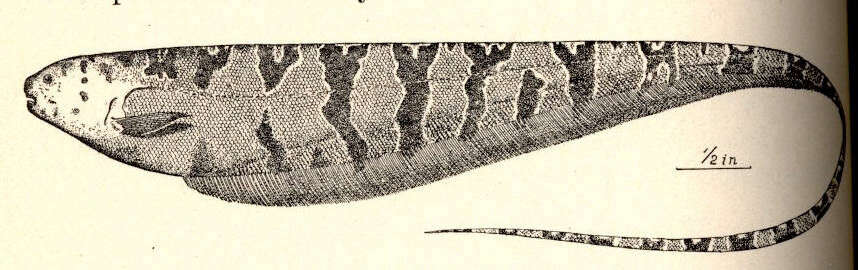
Hypopomidae
The Hypopomidae are a family of fishes in the order Gymnotiformes known as the bluntnose knifefish. They may also be called grass or leaf knifefishes. These electric fish are not often eaten, of little commercial importance, rarely kept as aquarium fish, and poorly studied; however, species in this family may constitute a significant fraction of the biomass in the areas they inhabit.
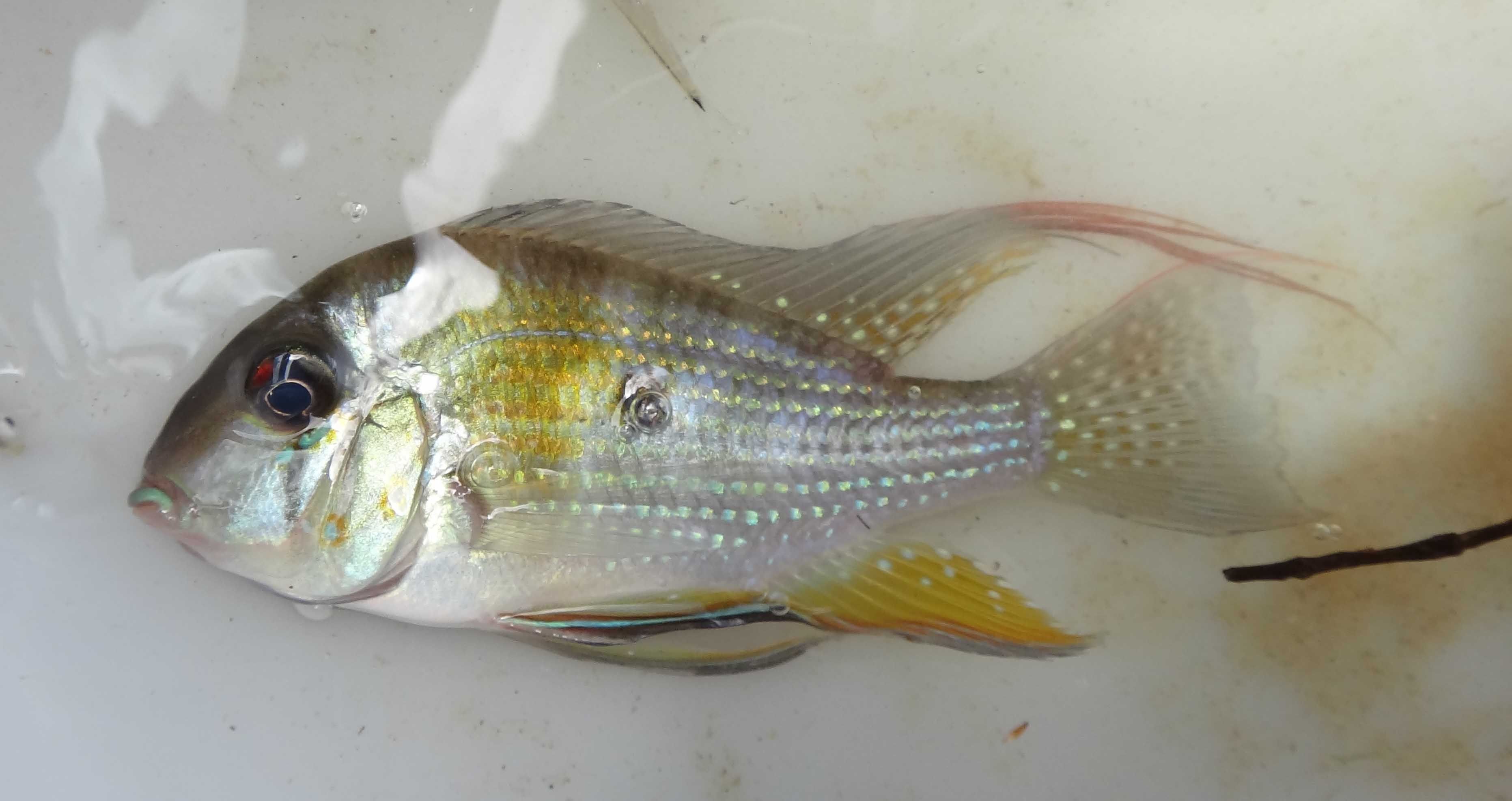
Acarichthys heckelii
species of fish
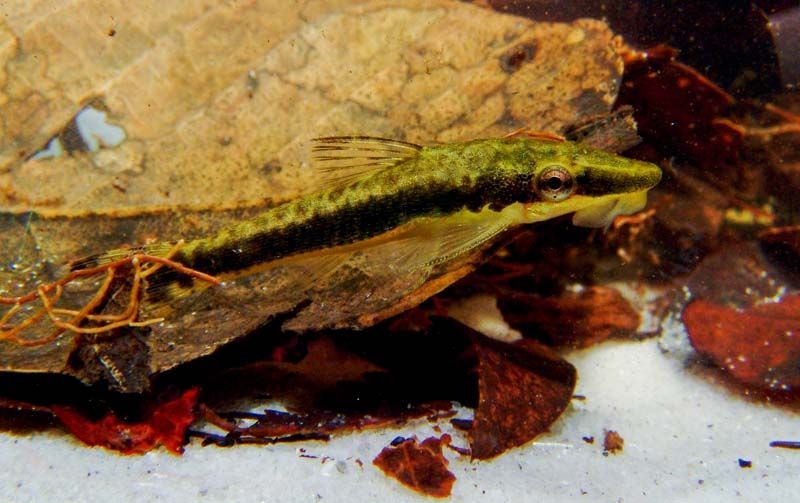
Otocinclus
Otocinclus is a genus of catfish in the family Loricariidae native to South America, commonly known as "dwarf suckers" or "otos". This genus, like other loricariids, is characterized by rows of armour plating covering the body, as well as the underslung suckermouth. They are generally small in size; O. tapirape is the smallest of the species (2.4 cm), while O. flexilis is the biggest (5.5 cm). These species have adaptations that allow them to breathe air. A duct forms at the junction between the esophagus and the stomach and expands into an enlarged, ring-like diverticulum, character

mangrove rivulus
species of fish

Chilodontidae
The Chilodidae, or headstanders, are a small family of freshwater characiform fishes found in northern and central South America. This family is closely related to the family Anostomidae and is sometimes treated as a subfamily, Chilodinae, within Anostomidae.
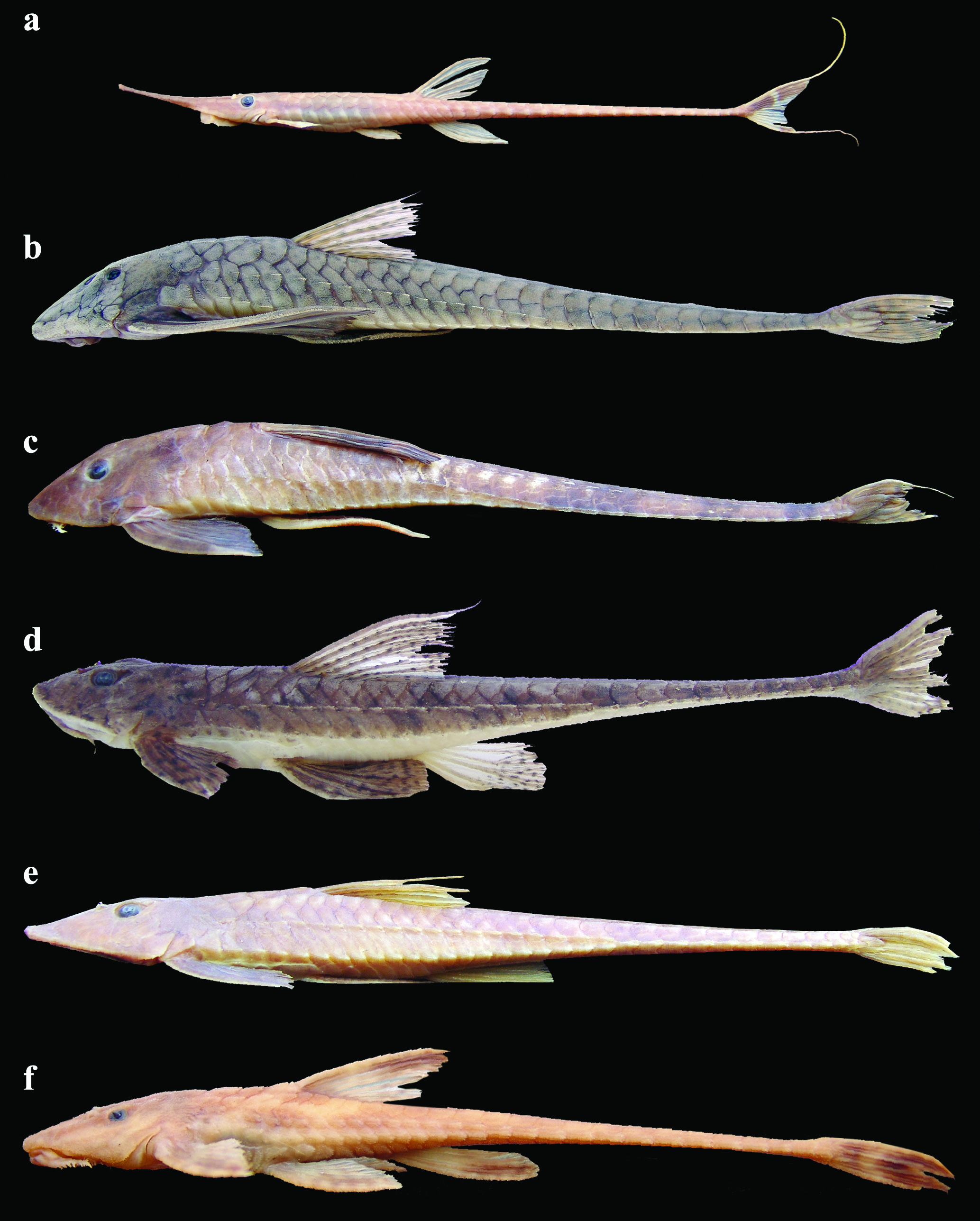
Rineloricaria
Rineloricaria is a genus of freshwater ray-finned fishes belonging to the family Loricariidae, the suckermouth armored catfishes, and the subfamily Loricariinae, the mailed catfishes. This genus is one of the most speciose genus of mailed catfishes. The catfishes in this genus are found in rivers southern Central America and northern and central South America. Species from this genus are found in the aquarium trade.
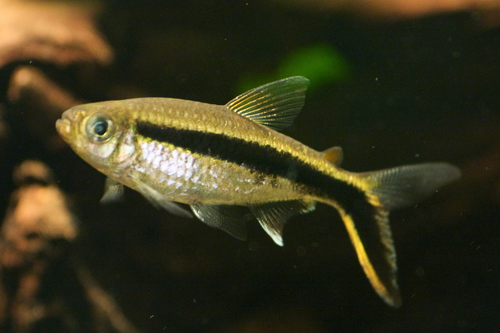
Thayeria boehlkei
species of fish
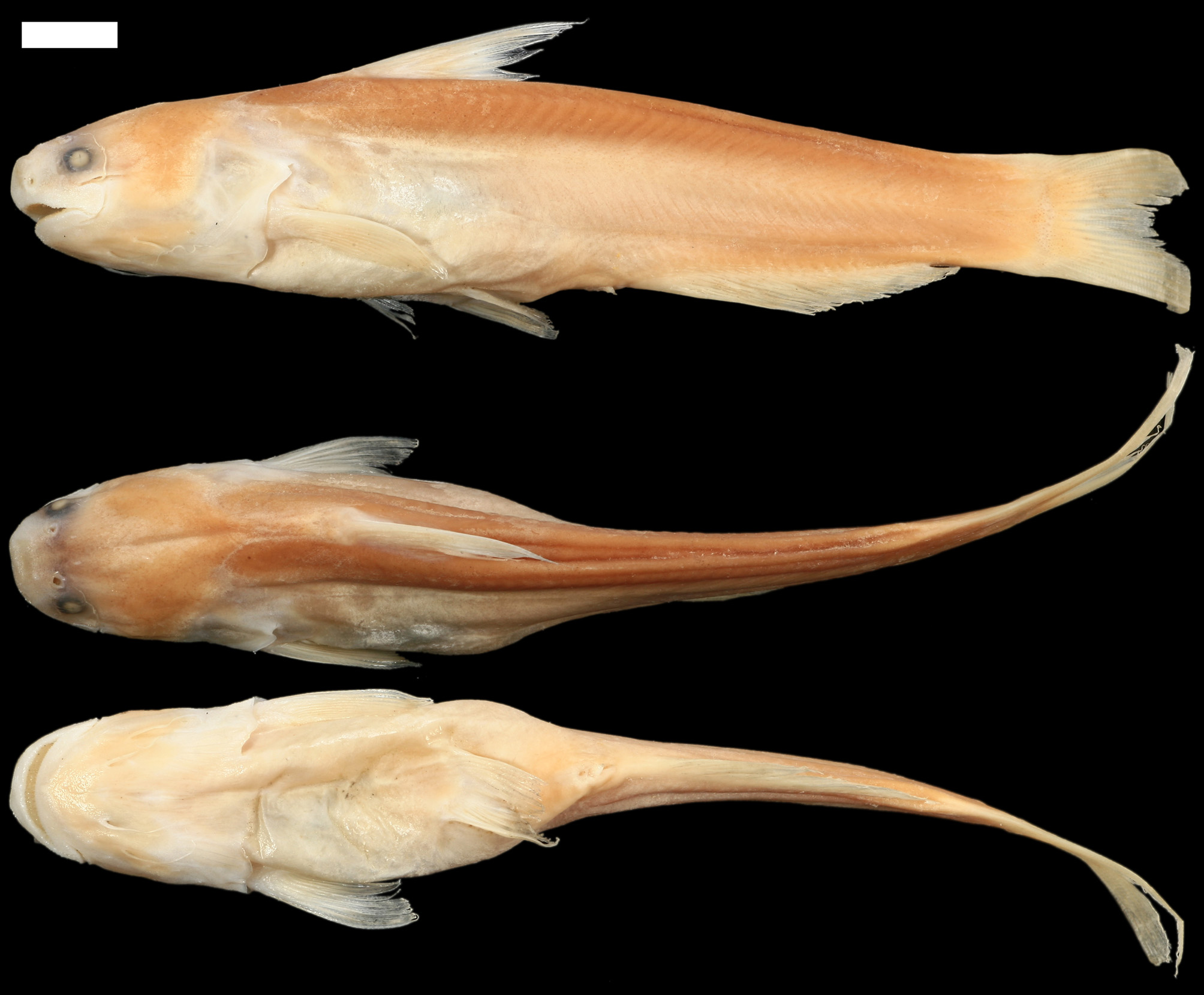
Cetopsidae
The Cetopsidae, the whale catfishes are a small family of freshwater ray-finned fishes belonging to the order Siluriformes. The fishes in this family are found in South America.

redeye piranha
species of fish

Moenkhausia
Moenkhausia is a genus of freshwater ray-finned fishes belonging to the family Acestrorhamphidae, the American characins. They are found in tropical and subtropical South America and are medium-sized tetras, where the largest species only reach around .
Astroblepus
Astroblepus is a genus of freshwater ray-finned fishes belonging to the family Astroblepidae, the climbing catfishes or naked sucker-mouth catfishes. This genus is the only genus in its family. These catfishes are primarily found in torrential streams in the Andean area. Astroblepus pholeter and A. riberae are troglobites adapted to living in subterranean water systems. These species are typically small, less than . The largest species reaches . These fish have suckermouths like those of loricariids. They have two pairs of barbels, maxillary and nasal. The dorsal fin spine lacks a locking mech

Gymnocorymbus
Gymnocorymbus is a genus of freshwater ray-finned fishes belonging to the family Acestrorhamphidae, the American characins. The fishes in this genus are found in the Amazon, Paraguay, Orinoco, Courantyne, Gurupí and Parnaíba river basins in South America. These tetras are popular in the aquarium trade.
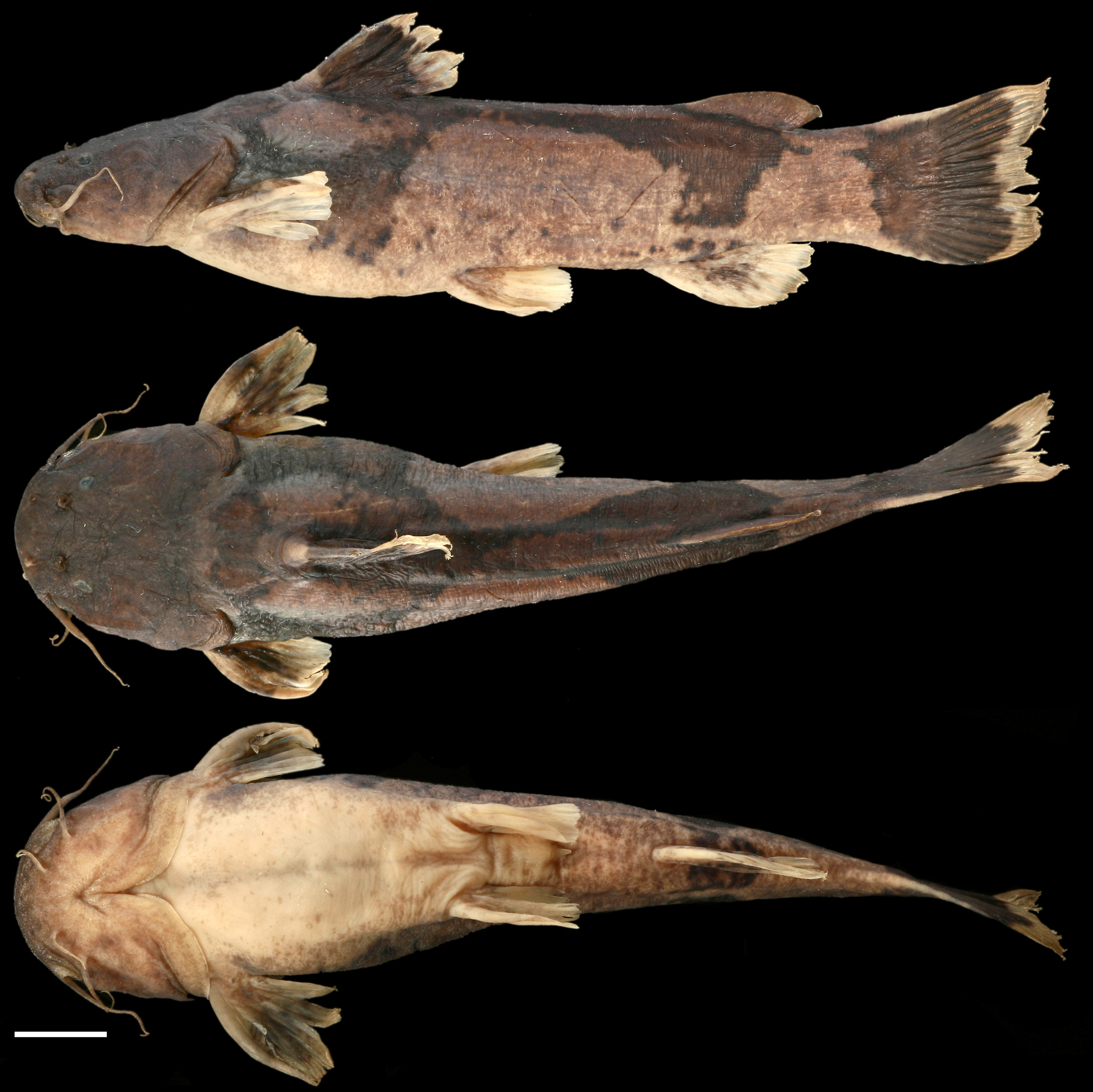
Pseudopimelodidae
The Pseudopimelodidae are a small family (about 40 species) of catfishes known as the bumblebee catfishes or dwarf marbled catfishes. Some of these fish are popular aquarium fish.
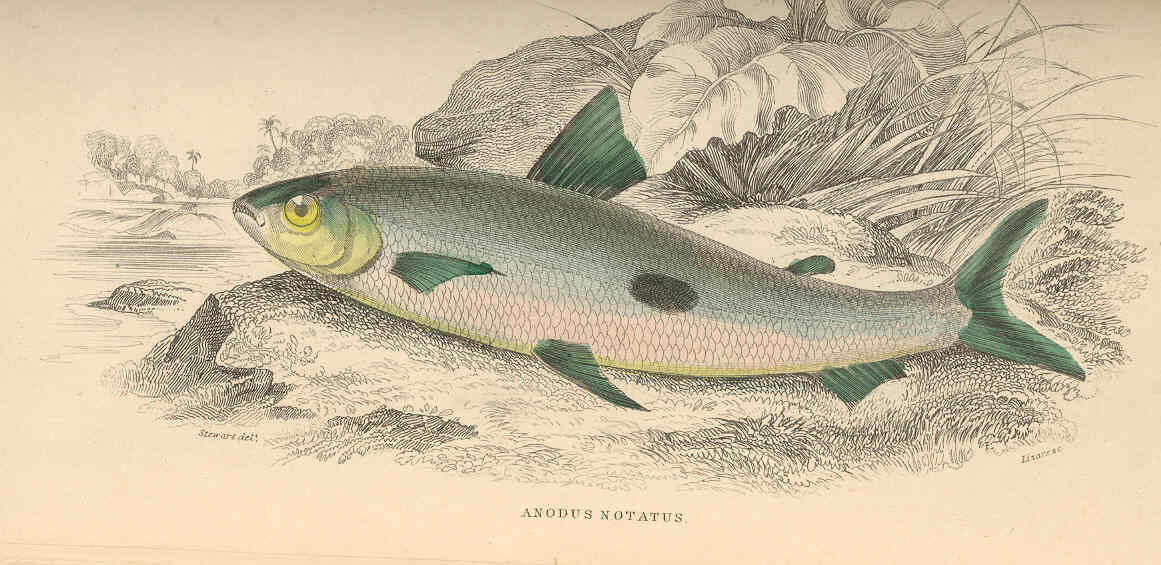
Hemiodontidae
The Hemiodontidae are a small family of freshwater characins found in northern South America, south to the Paraná-Paraguay Basin. The larger species are popular food fish.

Pseudoplatystoma
Pseudoplatystoma is a genus of several South American catfish species of the family Pimelodidae. The species are known by a number of different common names. They typically inhabit major rivers where they prefer the main channels and tend to stay at maximum depth, but some species can also be seen in lakes, flooded forests, and other freshwater habitats. They have robust bodies and are important food fish. Recently, their populations have been on the drastic decline due to a variety of factors, including overfishing and habitat destruction due to the construction of hydroelectric dams.

Acnodon
Acnodon is a genus of freshwater ray-finned fish belonging to the family Serrasalmidae, which includes the pacus and piranhas. The fishes in this genus are found in South America
.jpg)
Peckoltia
Peckoltia is a genus of small South American armored suckermouth catfishes. Many of these fish are popular aquarium fish.
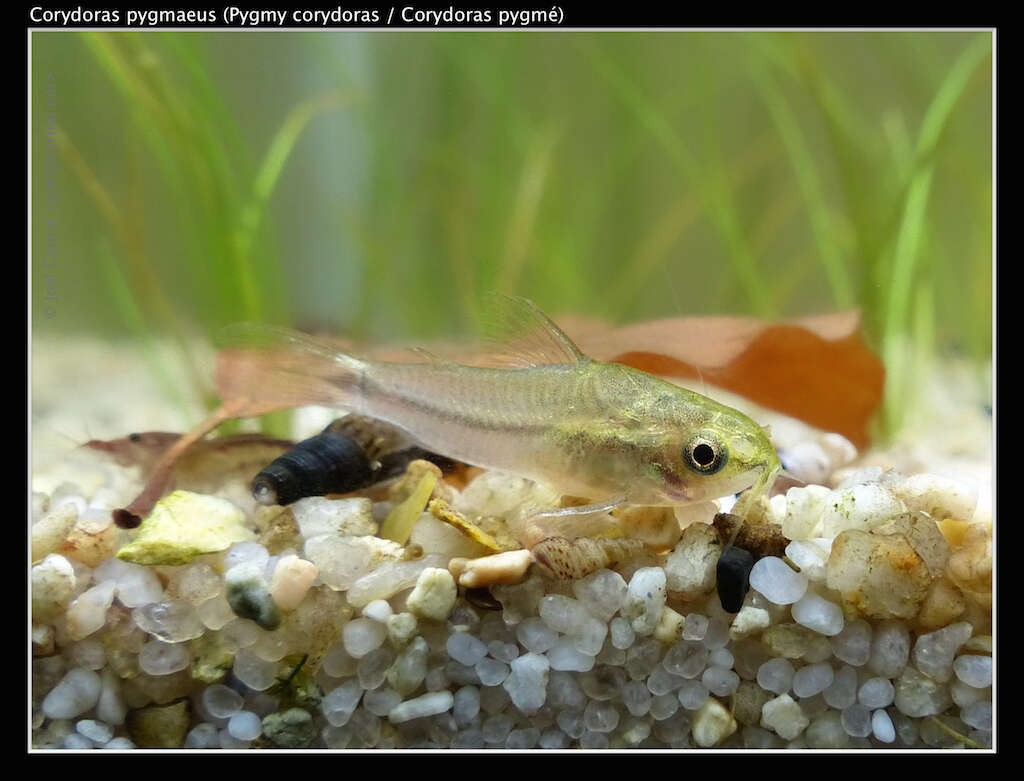
Corydoras pygmaeus
species of catfish
Chaetobranchopsis
Chaetobranchopsis is a small genus of cichlid fishes from South America, where they are found in the Amazon, Paraná and Paraguay river basins.
Myloplus
Myloplus is a genus of freshwater fish in the family Serrasalmidae found in tropical and subtropical South America, where they inhabit rivers and streams (both slow and fast-flowing). They are primarily herbivores, but also take some animal matter. Depending on the exact species, they reach up to in standard length. Adult males have a double-lobed anal fin and filamentous extensions on the dorsal fin, and both sexes (but especially males) can be brightly colored when breeding.
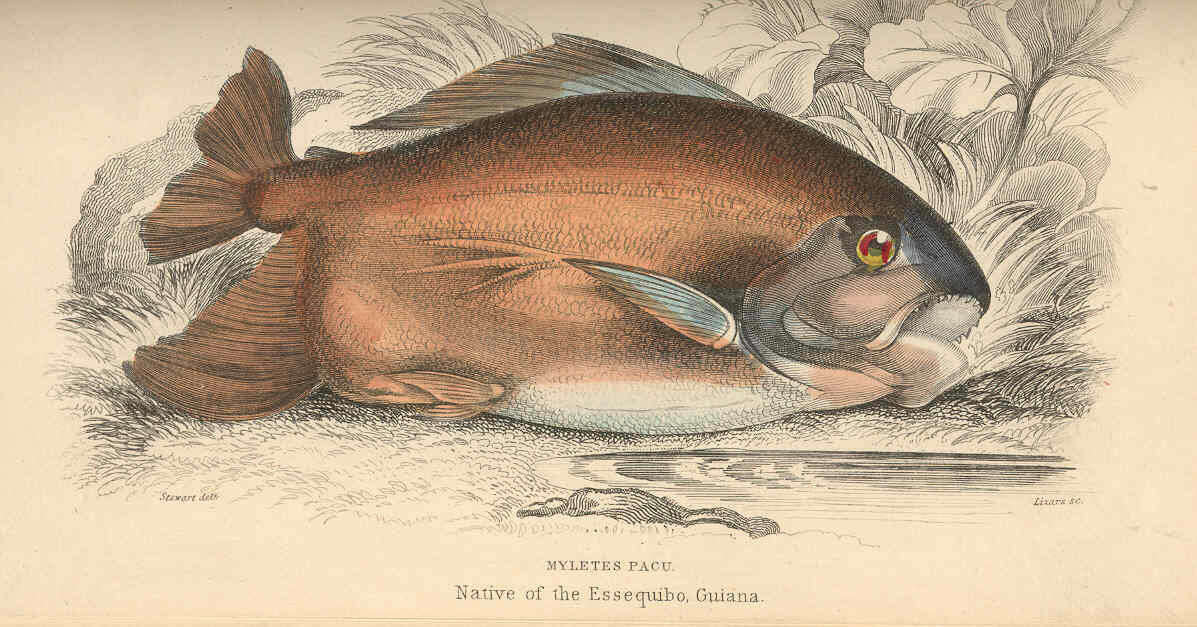
Myleus
Myleus is a genus of serrasalmids from South America, where found in the Amazon, Orinoco and São Francisco basins, as well as the river basin of the Guiana Shield. They are found in rivers with moderately or fast-flowing water, including rapids. They are primarily herbivores, but also take some animal matter. Depending on the exact species, they reach up to in standard length, and the adult males have a double-lobed anal fin and filamentous extensions on the dorsal fin. Their strong teeth means that larger individuals can inflict severe bites on humans.
Metynnis
Metynnis also commonly known as the silver dollar is a genus of freshwater ray-finned fishes belonging to the family Serrasalmidae, which includes the pacus, piranhas and related fishes. The fishes in this genus are found in tropical and subtropical South America. They are herbivorous or omnivorous, and inhabit a wide range of freshwater habitats, ranging from rivers and streams (both fast- and slow-flowing), to floodplains, flooded forests, lakes, pools and reservoirs. They generally reach in standard length, although a few species may reach up to . The genus contains many of the species know

Aspidoras
Aspidoras is a genus of catfishes of the family Callichthyidae from Brazil.

Leporinus
thumb|Leporinus bahiensis
Leporinus is a genus of freshwater ray-finned fish belonging to the family Anostomidae, the toothed headstanders. The fishes in this genus are found in South America. The fossil species Leporinus scalabrinii, known from the late Miocene of Entre Ríos in Argentina, has only recently been added to this genus after being misidentified as a species of primate under the name Arrhinolemur scalabrinii for over 100 years.
Chalceus
Chalceus is a genus of fish that inhabits freshwater habitats in South America. Members can be found in the Amazon and Orinoco basins, as well as in the Guianas and various tributaries of the former. It is the sole representative of the family Chalceidae, the tucanfishes.
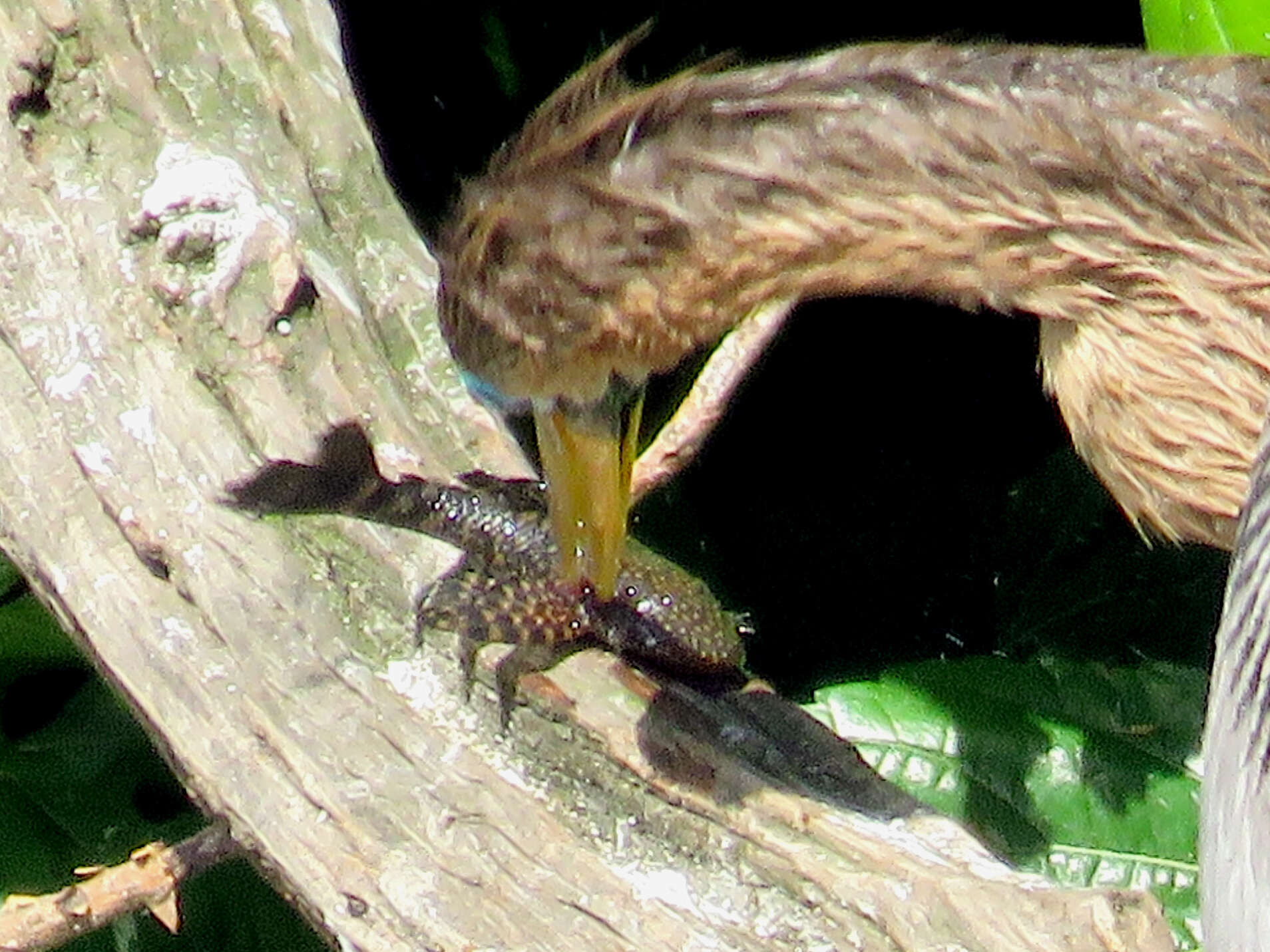
Ancistrus cirrhosus
species of fish
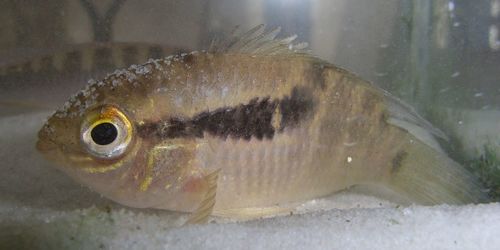
Laetacara
Laetacara is a small genus of cichlids native to freshwater habitats in tropical and subtropical South America, ranging from the upper Orinoco River basin in Venezuela to the Paraná River basin, Argentina, including the Amazon Basin from Peru to the Atlantic coast of Brazil and north through the Amapá State to just beyond the border with French Guiana. The genus is also collectively known as the smiling acaras. Like all cichlids, Laetacara species have well-developed brood care.
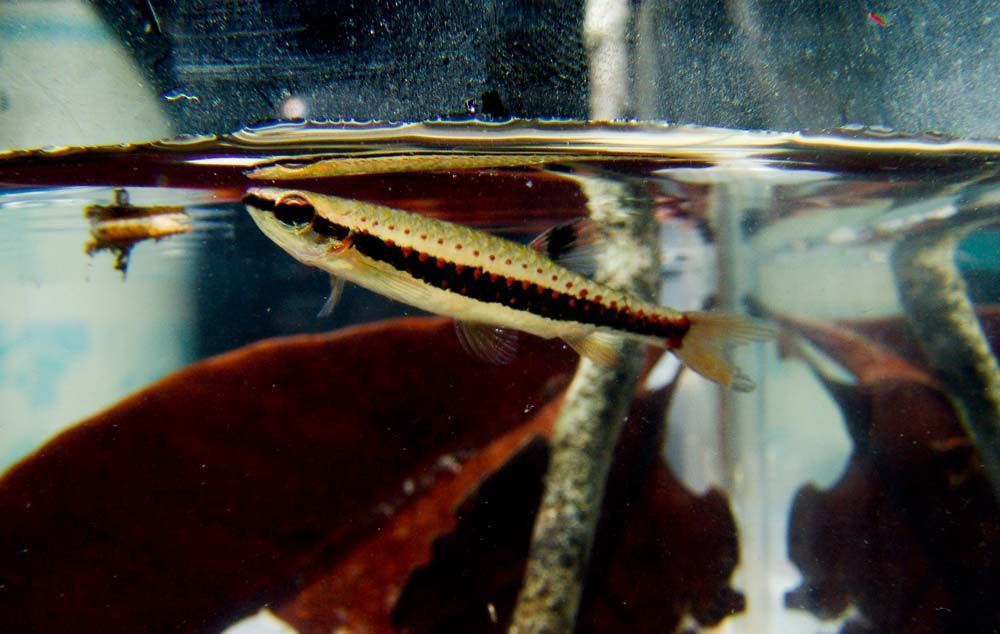
Copella
genus of fishes
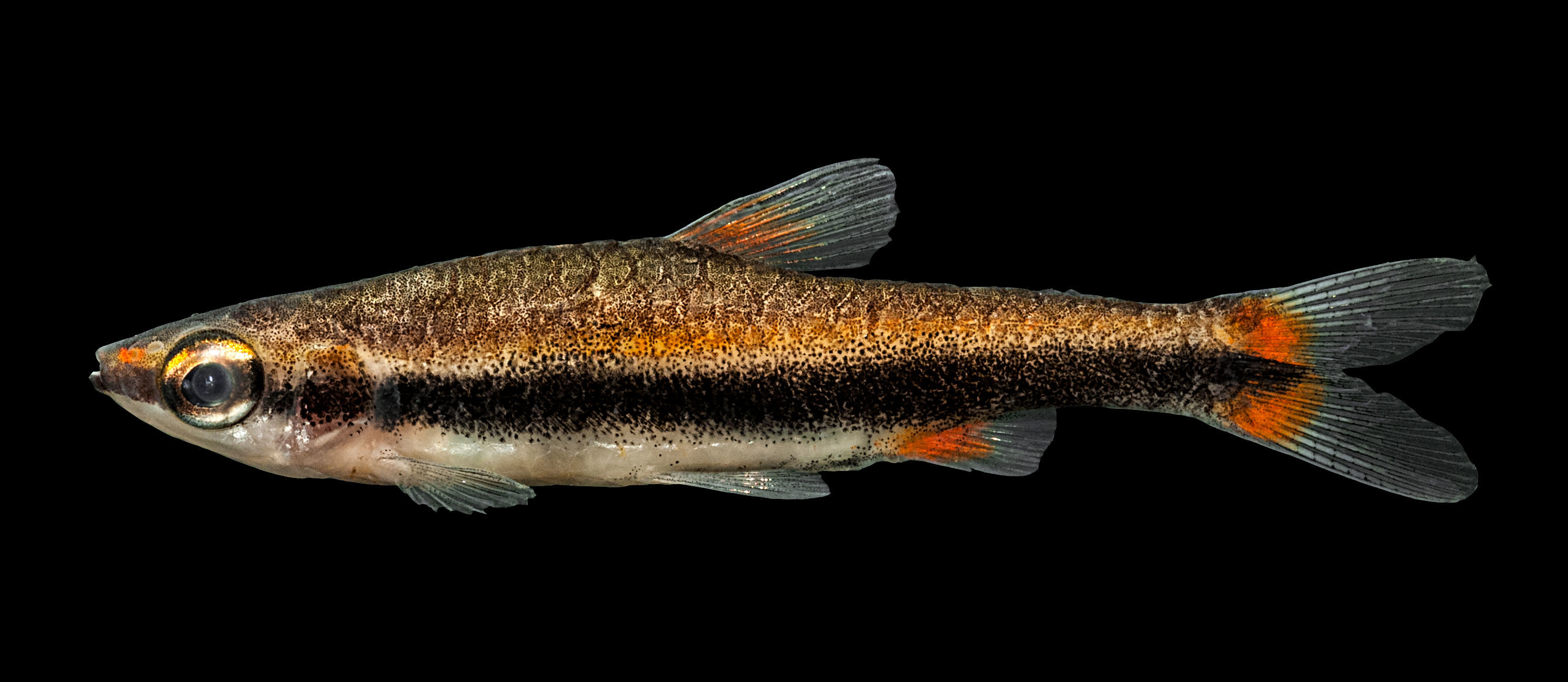
Nannostomus beckfordi
species of fish

Rhaphiodon vulpinus
thumb|Biara aka Machete Payara caught in the Amazon on a fishing expedition
The biara (Rhaphiodon vulpinus), also known at Machete Payara is a South American piscivorous fish in the dogtooth characin family. It belongs to the monotypic genus Rhaphiodon, although some minor differences in morphometrics and colour are known from across its large range. It is found in the Amazon, Orinoco, and Río de la Plata Basins, as well as rivers of the Guianas. It occurs in a wide range of freshwater habitats such as main river channels, flooded forests, lakes and reservoirs. Some populations are migratory.

Mylossoma
Mylossoma is a genus of serrasalmids from tropical and subtropical South America, including the basins of the Amazon, Orinoco, Lake Maracaibo and Paraguay-Paraná. These common fish are found both in main river sections and floodplains. They support important fisheries and based on a review by IBAMA, they are the seventh most caught fish by weight in the Brazilian Amazon. They primarily feed on plant material such as seeds and fruits (to a lesser extent invertebrates), and in their ecology they generally resemble the larger tambaqui (Colossoma macropomum). Mylossoma reach up to in length and in

Hoplias malabaricus
species of fish

Hoplosternum littorale
species of fish
Gymnotus
Gymnotus is a genus of Neotropical freshwater fish in the family Gymnotidae found widely in South America, Central America and southern Mexico (36th parallel south to 18th parallel north). The greatest species richness is found in the Amazon basin. They are sometimes referred to by the English name banded knifefish, although this typically is reserved for the most widespread species, G. carapo. Overall Gymnotus is the most widespread genus in the order Gymnotiformes. They are the only members of the subfamily Gymnotinae.
Leporinus obtusidens
species of fish
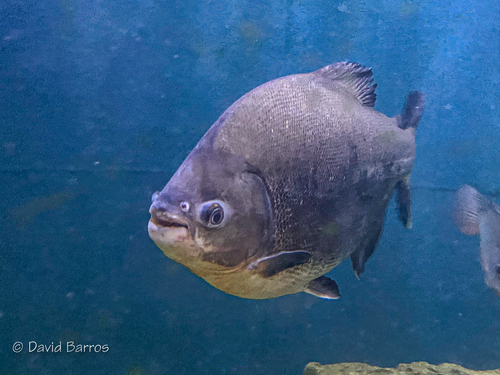
Piaractus
Piaractus is a genus of large serrasalmid from South America. The two traditionally recognized species of Piaractus are very similar in appearance and were formerly included in the genus Colossoma, which currently only contains another similar species, the tambaqui (Colossoma macropomum). A third Piaractus was described in 2019 as a new species, which was formerly considered a subpopulation of P. brachypomus.
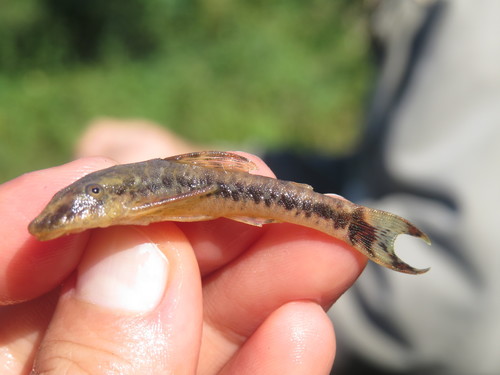
Parotocinclus
Parotocinclus is a genus of fish in the family Loricariidae native to South America. This genus is distributed through almost all hydrographic systems in South America from the Guyana Shield drainages and Amazon Shield tributaries to the coastal drainages of eastern and southeastern Brazil, including the rio São Francisco basin. Most species have the caudal peduncle oval in cross section.
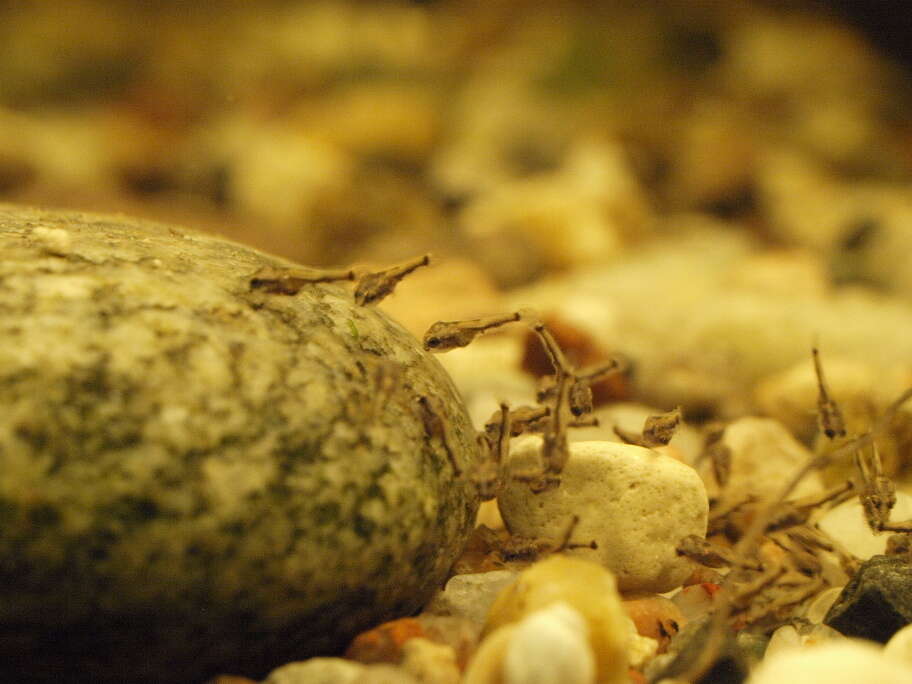
goldeneye cichlid
species of fish

Gymnogeophagus
Gymnogeophagus is a genus of cichlid fishes from South America, where they are known from various river basins (notably Rio de la Plata and Lagoa dos Patos–Mirim) in southern Brazil, Paraguay, Uruguay and northern Argentina. They are part of a group popularly known as eartheaters.
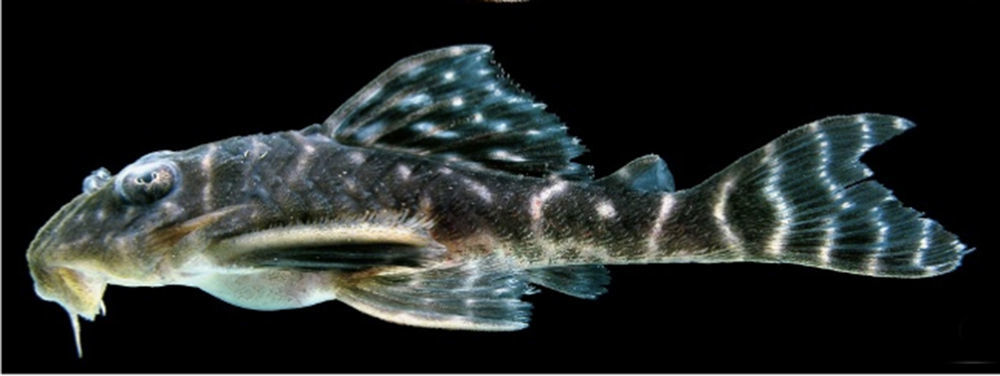
Hypancistrus
Hypancistrus is a genus of loricariid catfish originating from the Amazon basin in South America. Unlike many of the other loricariids, some Hypancistrus species have carnivorous tendencies and enjoy meat in their diet. Many Hypancistrus species are popular aquarium fish.

Piaractus mesopotamicus
species of fish

Loricaria
Loricaria is a genus of freshwater ray-finned fishes belonging to the family Loricariidae, the suckermouth armored catfishes, and the subfamily Loricariinae, the mailed catfishes. The catfishes in this genus are found in South America.

Guianacara
Guianacara is a small genus of cichlid fish endemic to freshwater habitats in the Guiana Shield in South America. They mostly live in moderately flowing clear- or blackwater rivers and streams, but also occur in lagoons that are seasonally flooded. They are typically found over bottoms consisting of sandy patches intermixed with large rocks.
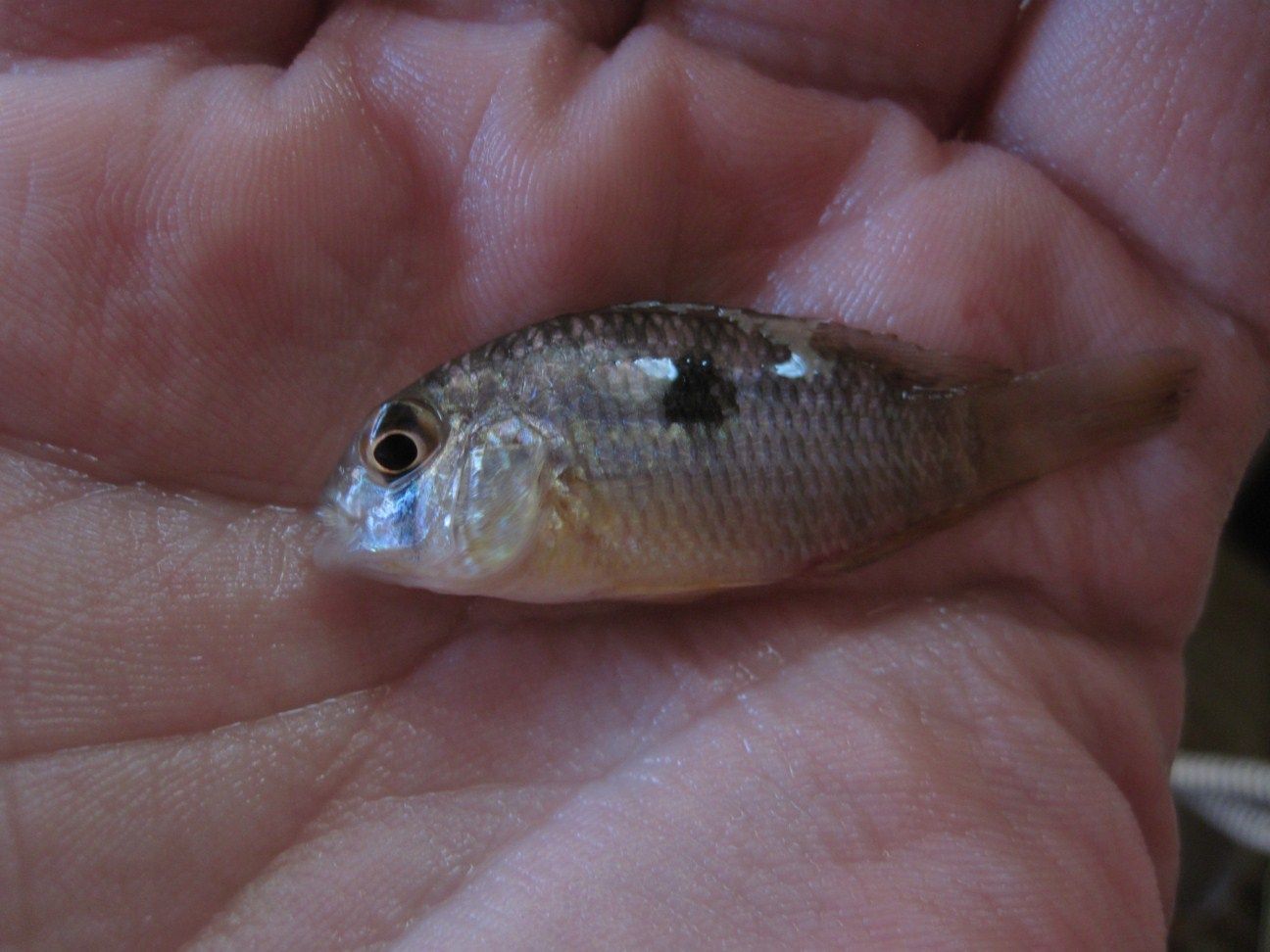
Bujurquina
Bujurquina is a genus of cichlid fish endemic to South America. Most species in the genus are restricted to the western Amazon Basin. The only exceptions are B. mariae from the Orinoco Basin, and B. oenolaemus and B. vittata from the Paraguay–Paraná Basin.