Category
page 1Flora of the Palearctic realm

Beta vulgaris
species of the genus beet

Crocus
Crocus (; plural: crocuses or croci) is a genus of seasonal flowering plants in the family Iridaceae (iris family) comprising about 100 species of perennials growing from corms.
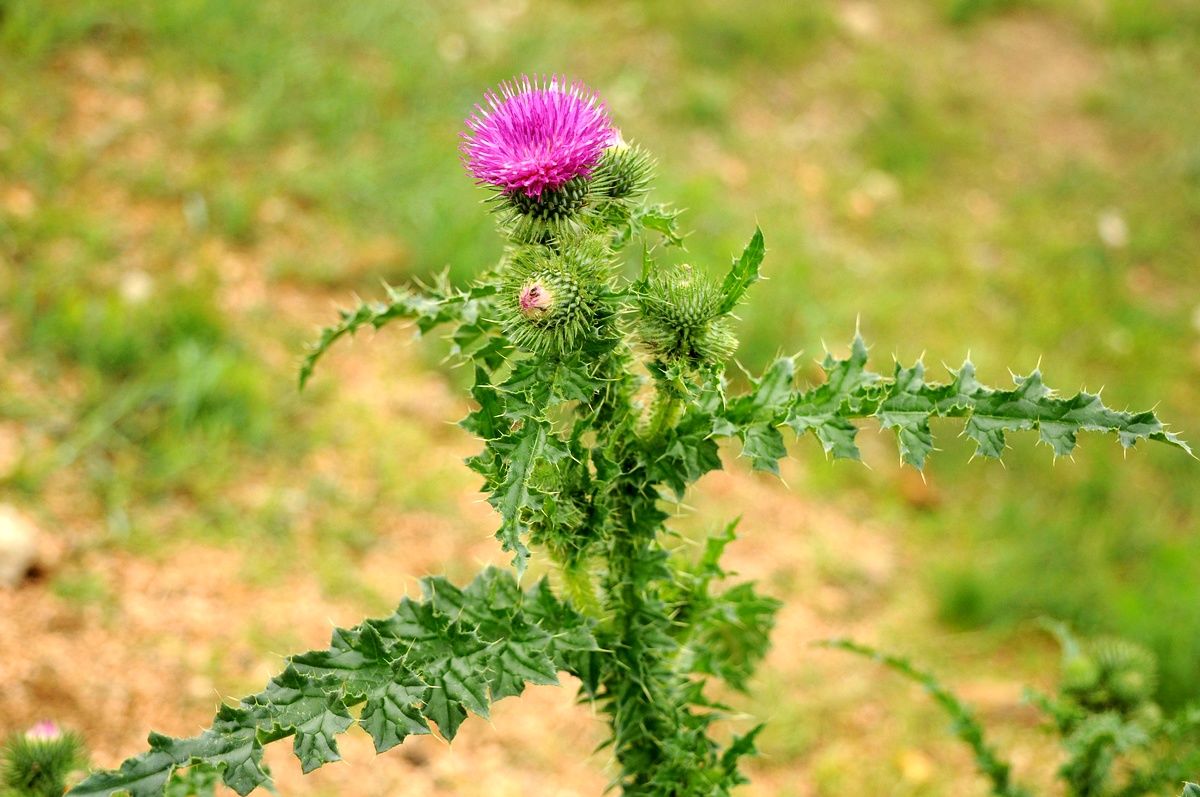
Carduus
Carduus is a genus of flowering plants in the family Asteraceae, and the tribe Cardueae, one of two genera considered to be true thistles, the other being Cirsium. Plants of the genus are known commonly as plumeless thistles. They are native to temperate Eurasia and North Africa, and several are known elsewhere as introduced species. This genus is noted for its disproportionately high number of noxious weeds compared to other flowering plant genera.

Plantanus orientalis
species of plant
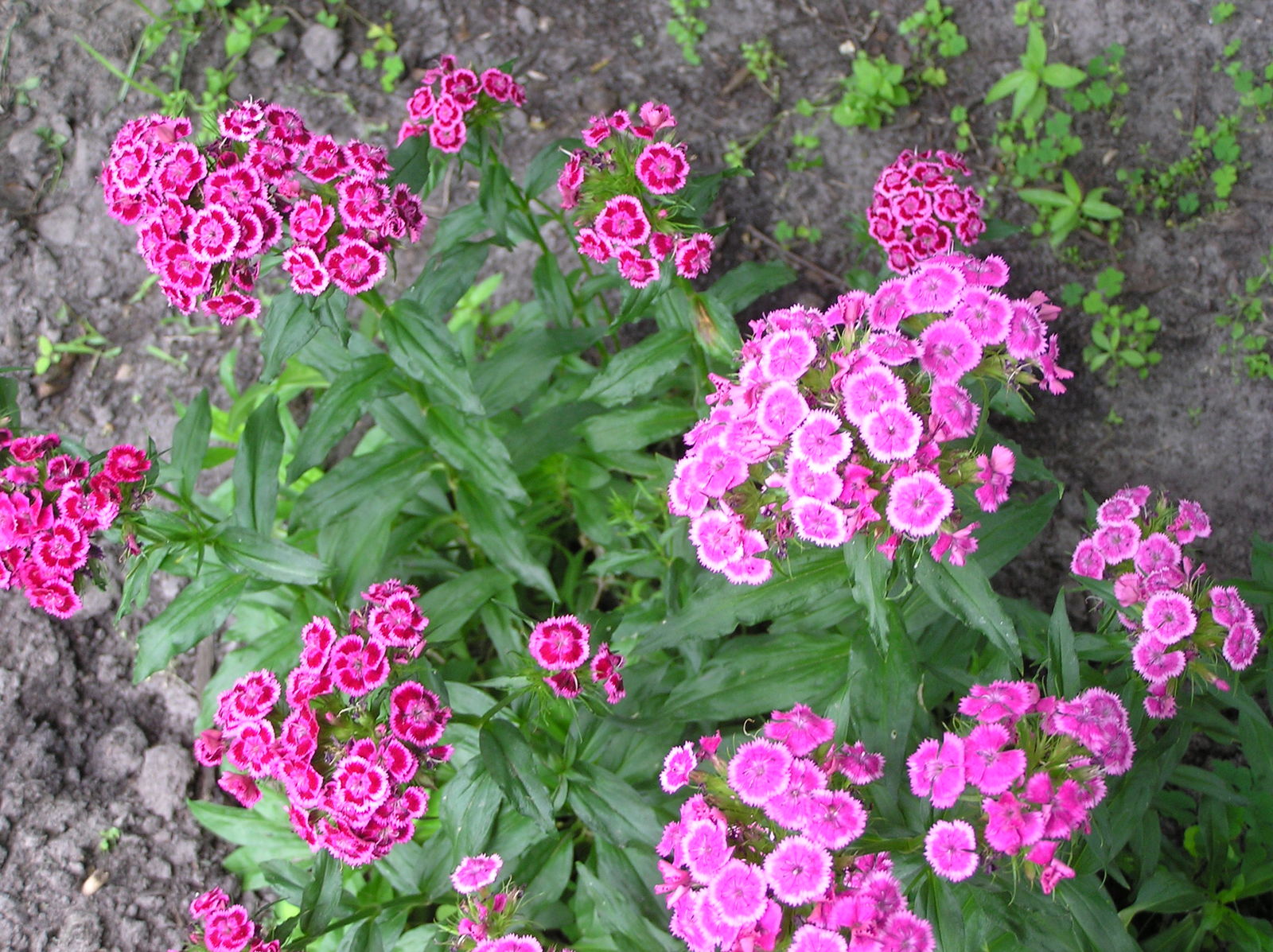
Dianthus barbatus
species of plant

Althaea
genus of plants
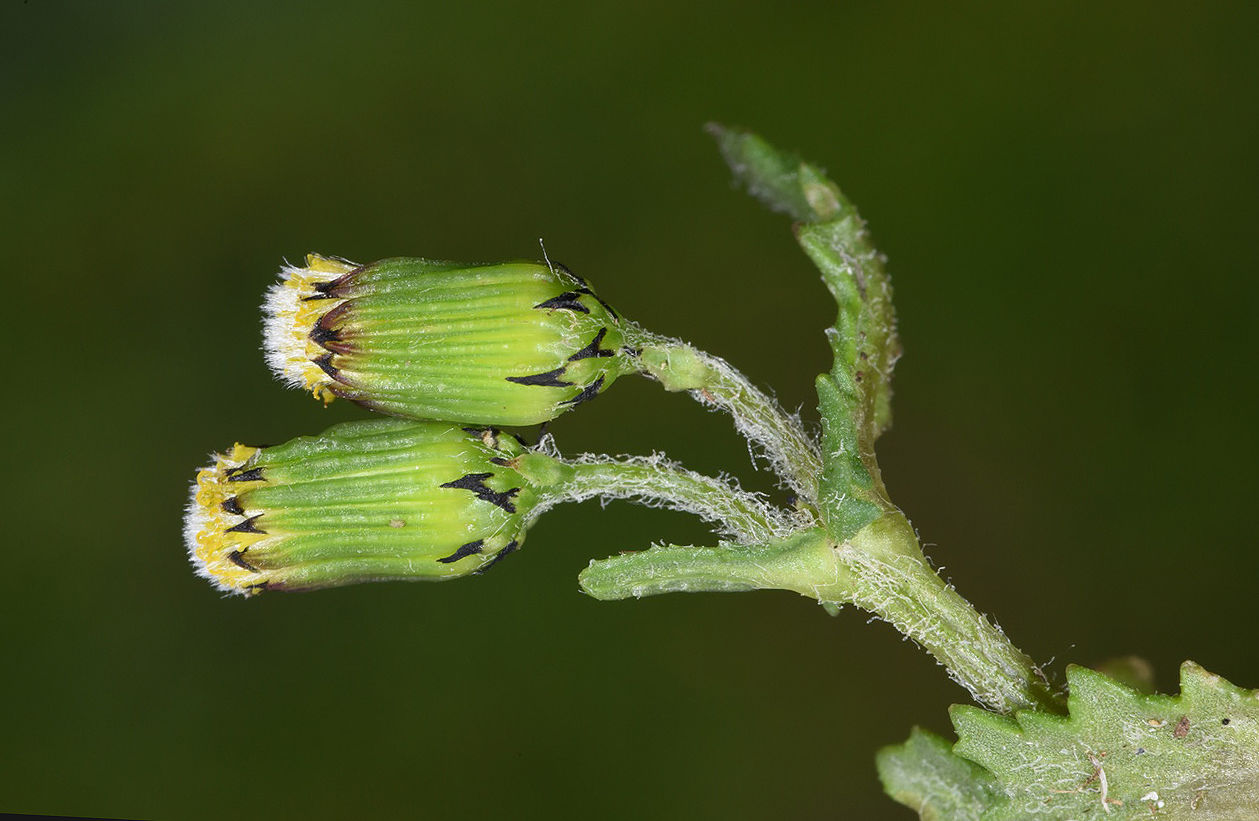
Senecio vulgaris
species of plant

Leucanthemum
Leucanthemum is a genus of flowering plants in the aster family, Asteraceae. Species range naturally from Europe through the Caucasus, Turkey, Iran, Central Asia, and Siberia to the Russian Far East. Some species are known on other continents as introduced species, and some are cultivated as ornamental plants. The name Leucanthemum derives from the Greek words λευκός – leukos ("white") and ἄνθεμον – anthemon ("flower"). Common names for Leucanthemum species usually include the name daisy (e.g. ox-eye daisy, Shasta daisy), but "daisy" can also refer to numerous other genera in the Asteraceae fa
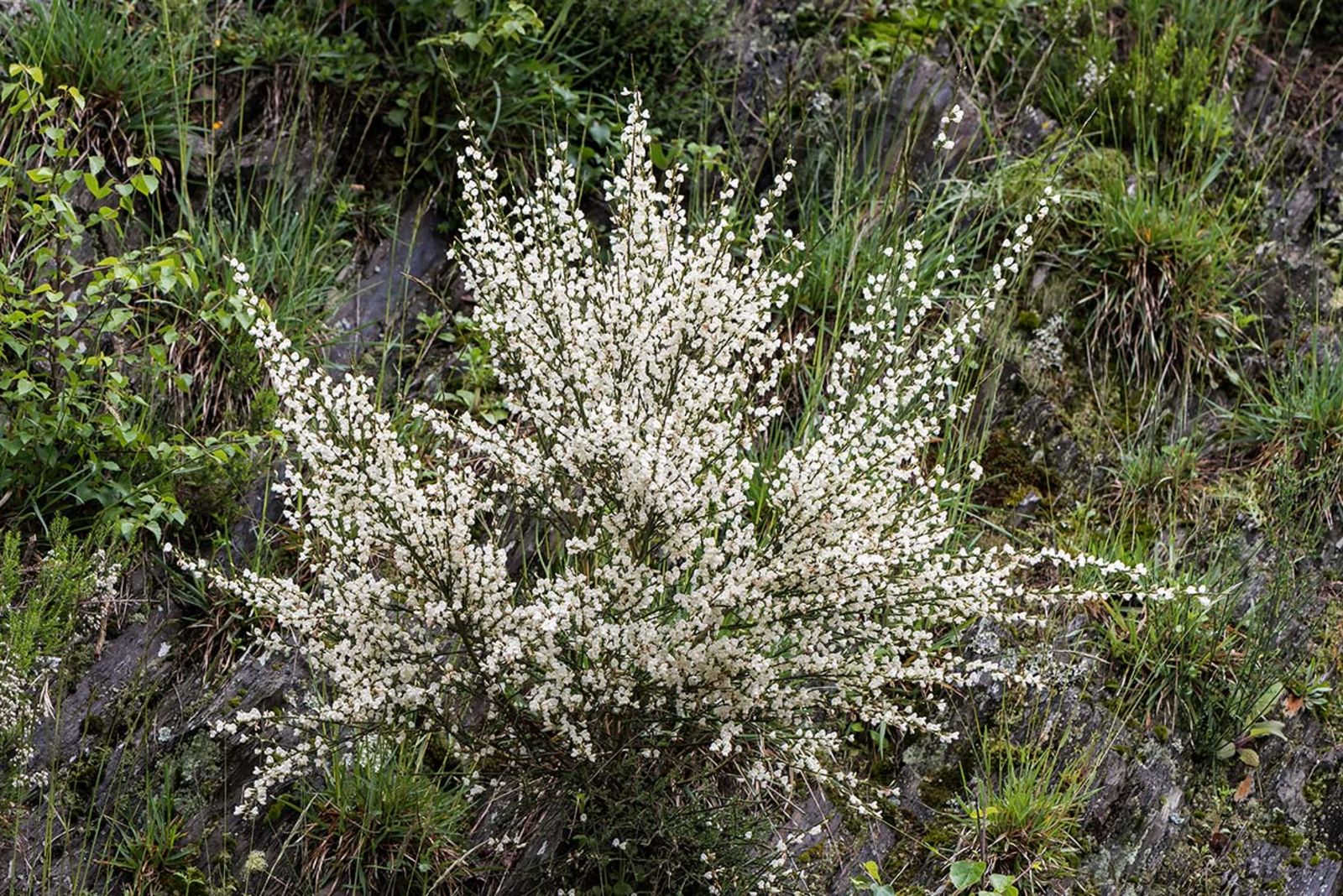
Cytisus
Cytisus is a genus of flowering plants in the family Fabaceae, native to open sites (typically scrub and heathland) in Europe, western Asia and North Africa. It belongs to the subfamily Faboideae, and is one of several genera in the tribe Genisteae which are commonly called brooms. They are shrubs producing masses of brightly coloured, pea-like flowers, often highly fragrant. Members of the segregate genera Calicotome, Chamaecytisus, and Lembotropis are sometimes included in Cytisus.
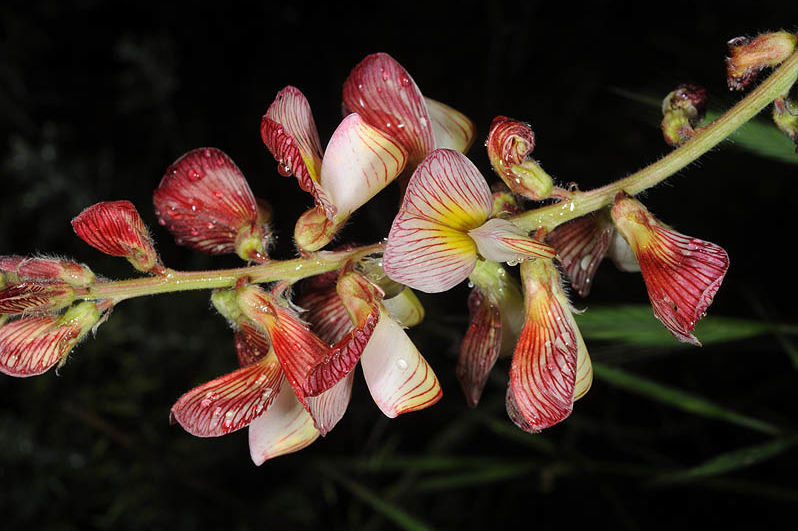
Onobrychis
__NOTOC__
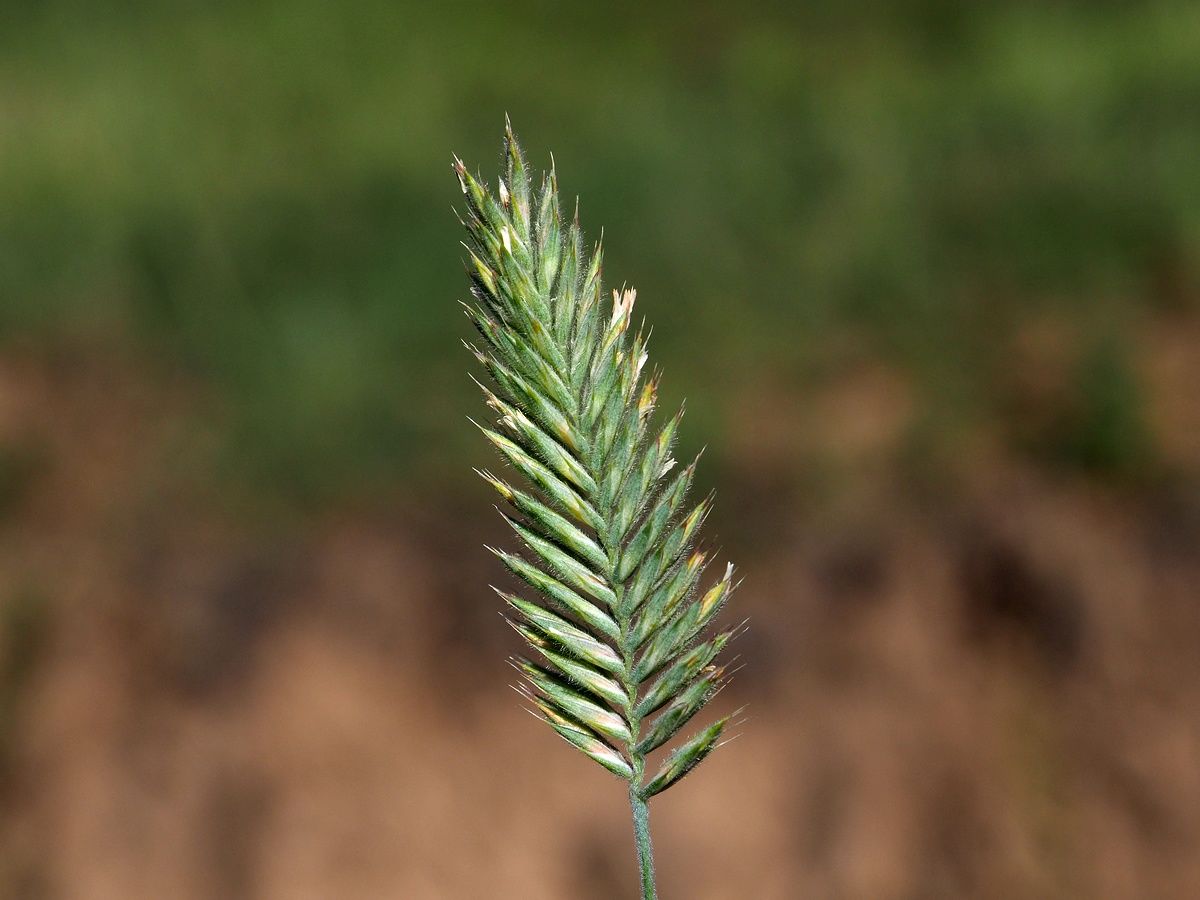
Agropyron
Agropyron is a genus of Eurasian plants in the grass family), native to Europe and Asia but widely naturalized in North America.

Caragana
thumb|Flowering caragana (camel's tail) in the south of Buryatia, Russia
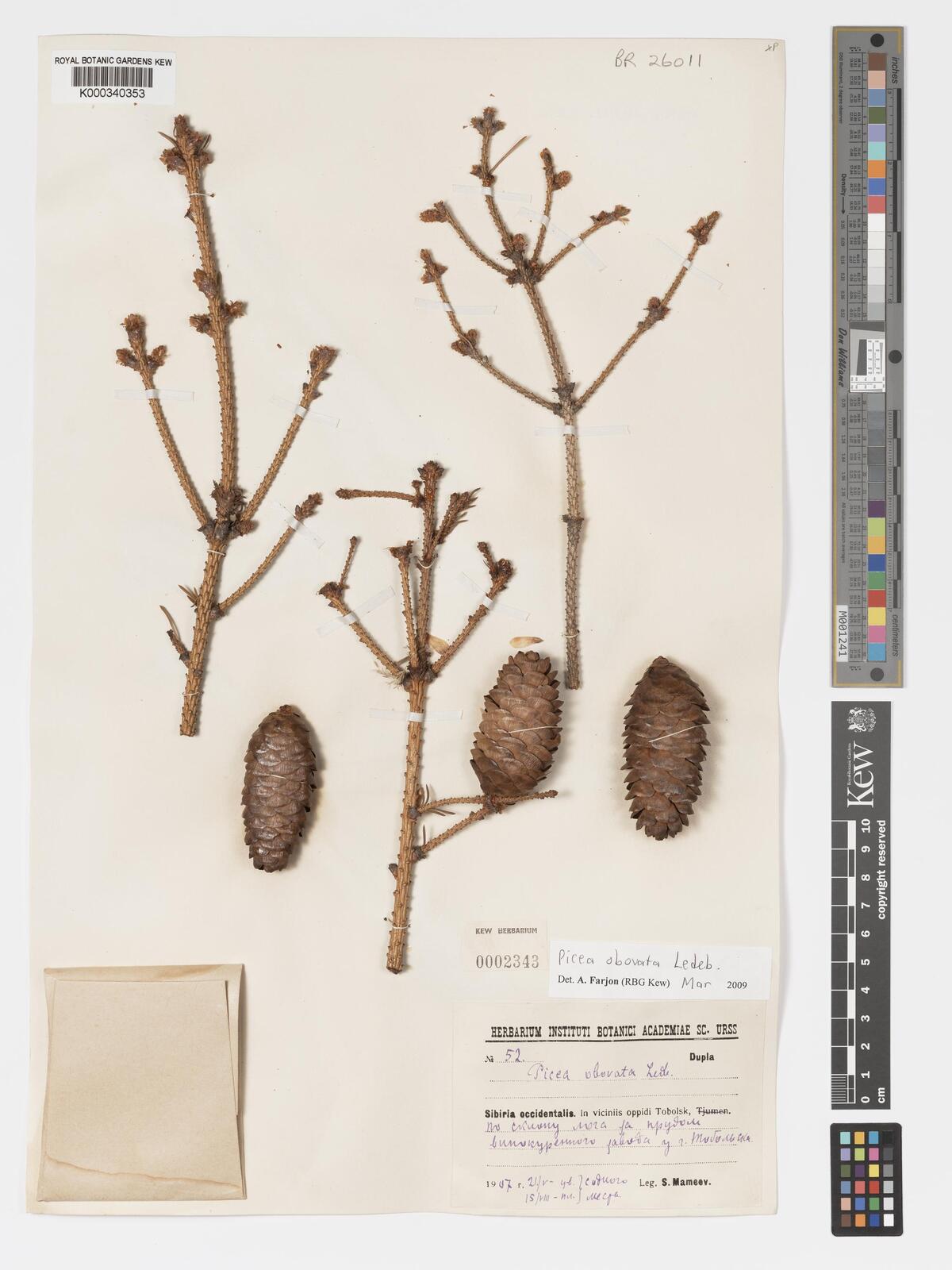
Picea obovata
species of plant
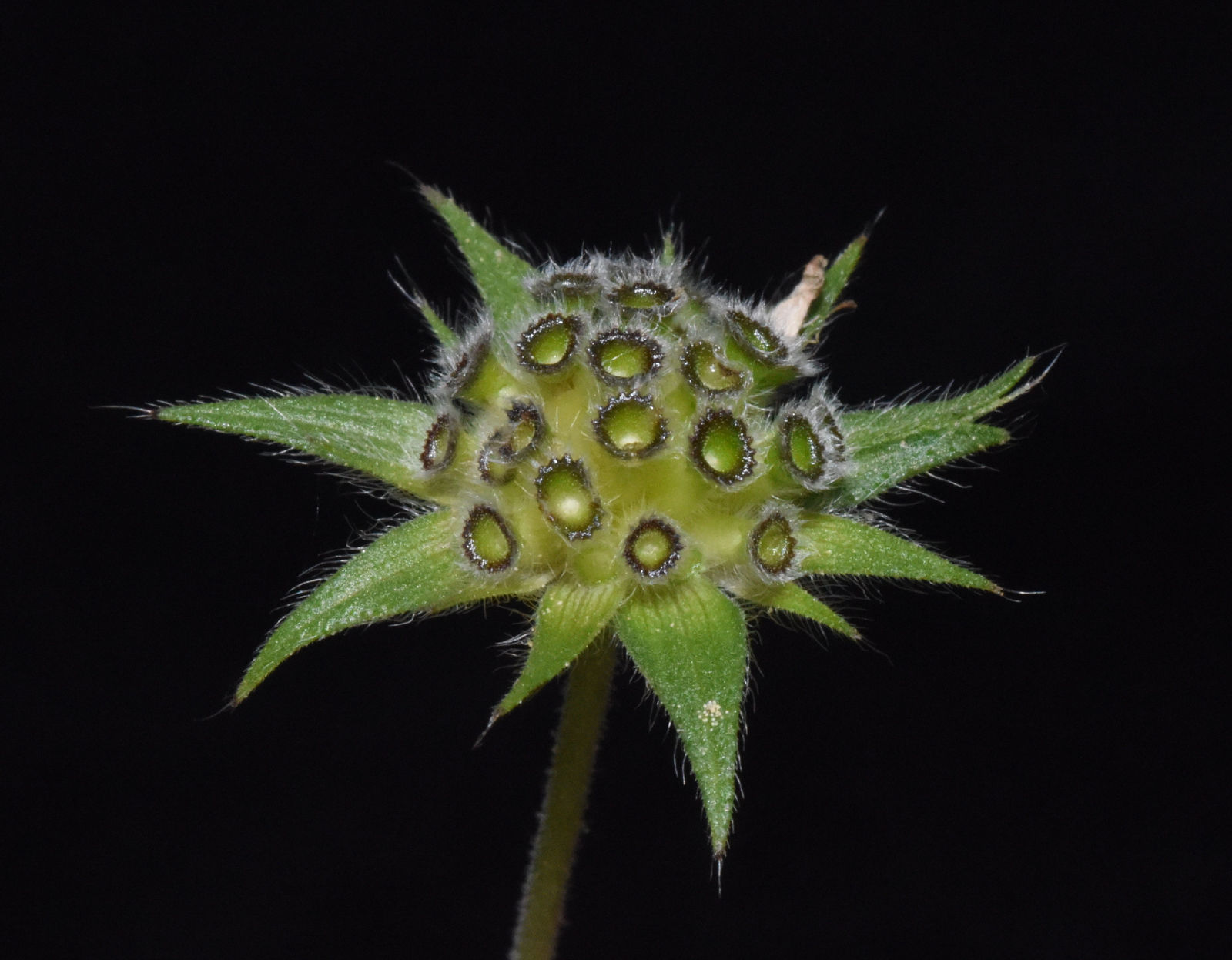
Knautia
Knautia is a genus of flowering plants in the family Caprifoliaceae. It includes 55 species native to Europe, North Africa, Western and Central Asia, and Siberia. The common names are variants of "widow flower". Others are given the name "scabious", which properly belongs to the related genus (Scabiosa). The name Knautia comes from the 17th-century German botanists, Drs. Christoph and Christian Knaut.

Thlaspi
Thlaspi, or pennycress, is a genus of herbs of temperate regions of the Eurasian continent. They occur in Central and South Europe, South-West Asia and two species are endemic to China. The Thlaspi has been proven to be a hyperaccumulator of heavy metals such as zinc and cadmium and therefore may be used in phytoremediation initiatives.
Camelina
Camelina is a genus within the flowering plant family Brassicaceae. The Camelina species, commonly known as false flax, are native to Mediterranean regions of Europe and Asia. Most species of this genus have been little studied, with the exception of Camelina sativa, historically cultivated as an oil plant. Heinrich Johann Nepomuk von Crantz was the first botanist to use the genus Camelina in his classification works in 1762.

Cardamine hirsuta
species of plant
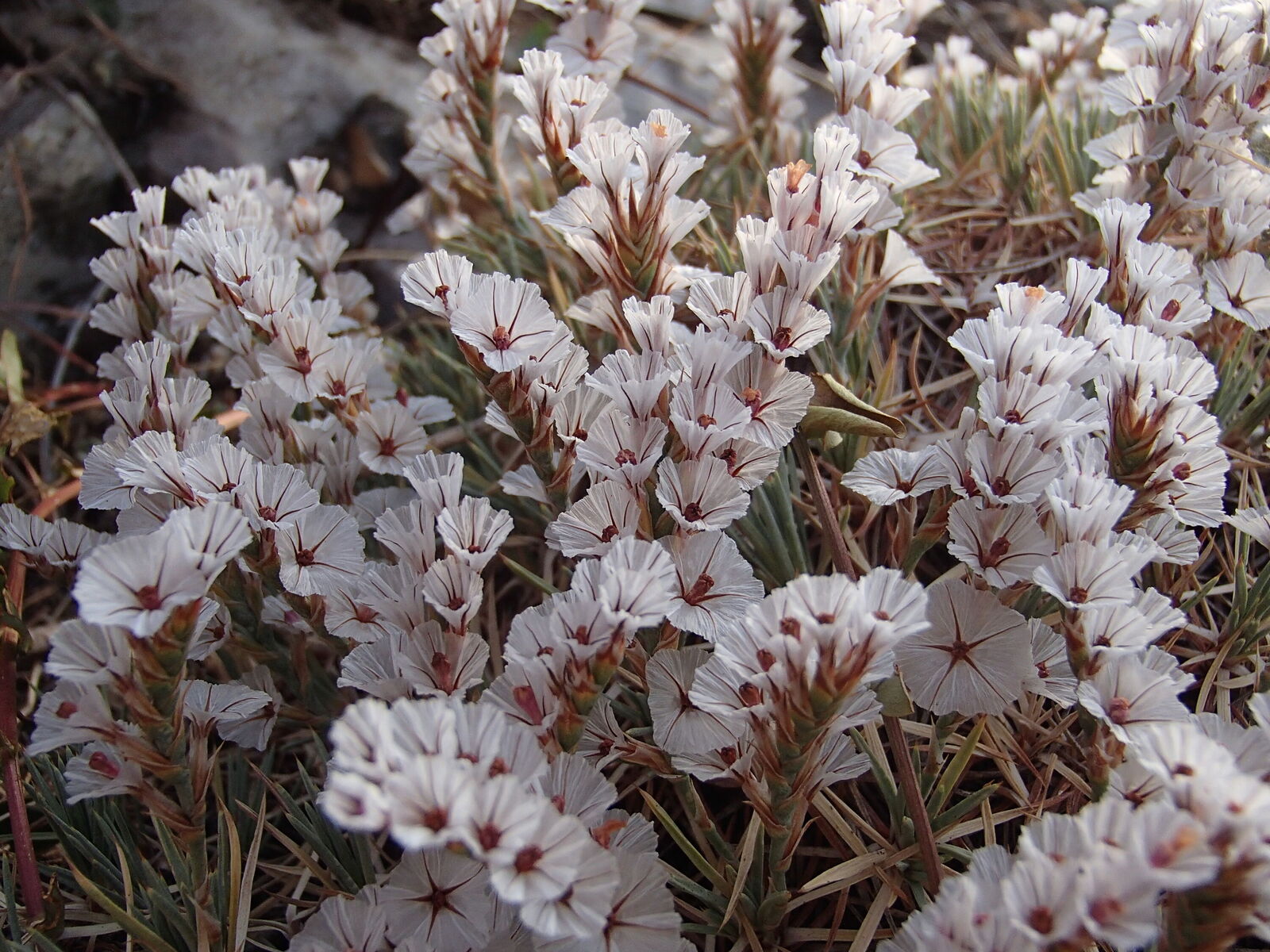
Acantholimon
Acantholimon (prickly thrift) is a genus of small flowering plants within the plumbago or leadwort family, Plumbaginaceae. They are distributed from southeastern Europe to central Asia, and also cultivated elsewhere in rock gardens.

Berteroa
Berteroa, the false madworts, is a genus of flowering plants of the family Brassicaceae, native to temperate Eurasia. Its best known member is the weedy invasive hoary alyssum, Berteroa incana.
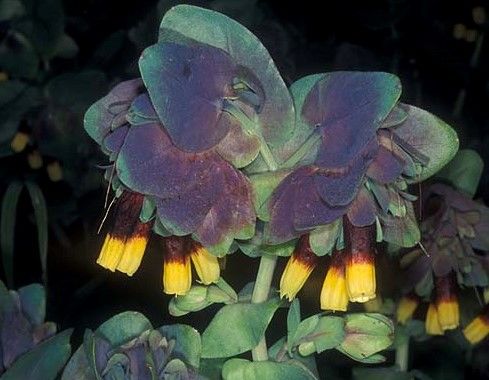
Cerinthe
Cerinthe is a genus of flowering plants in the family Boraginaceae, known as honeyworts. The genus is characterised by a calyx made up of separate, rather than fused, sepals, a tubular corolla, and the schizocarpic fruit that divides into two parts at maturity, unlike most members of the family, where the fruit splits into four nutlets. The genus has a circum-Mediterranean distribution, ranging from the Irano-Turanian Region in the east to Morocco in the west.
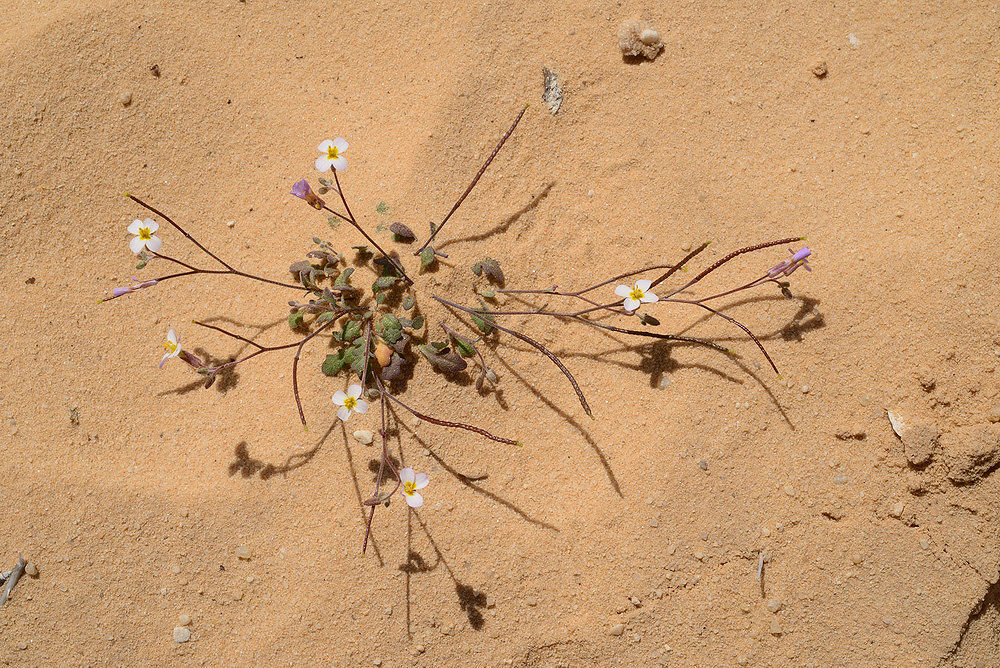
Malcolmia
Malcolmia is a genus of flowering plants from the family Brassicaceae. It includes 11 species native to the Mediterranean basin (North Africa and southeastern Europe), Western Asia, the Transcaucasus, Central Asia, and Pakistan.
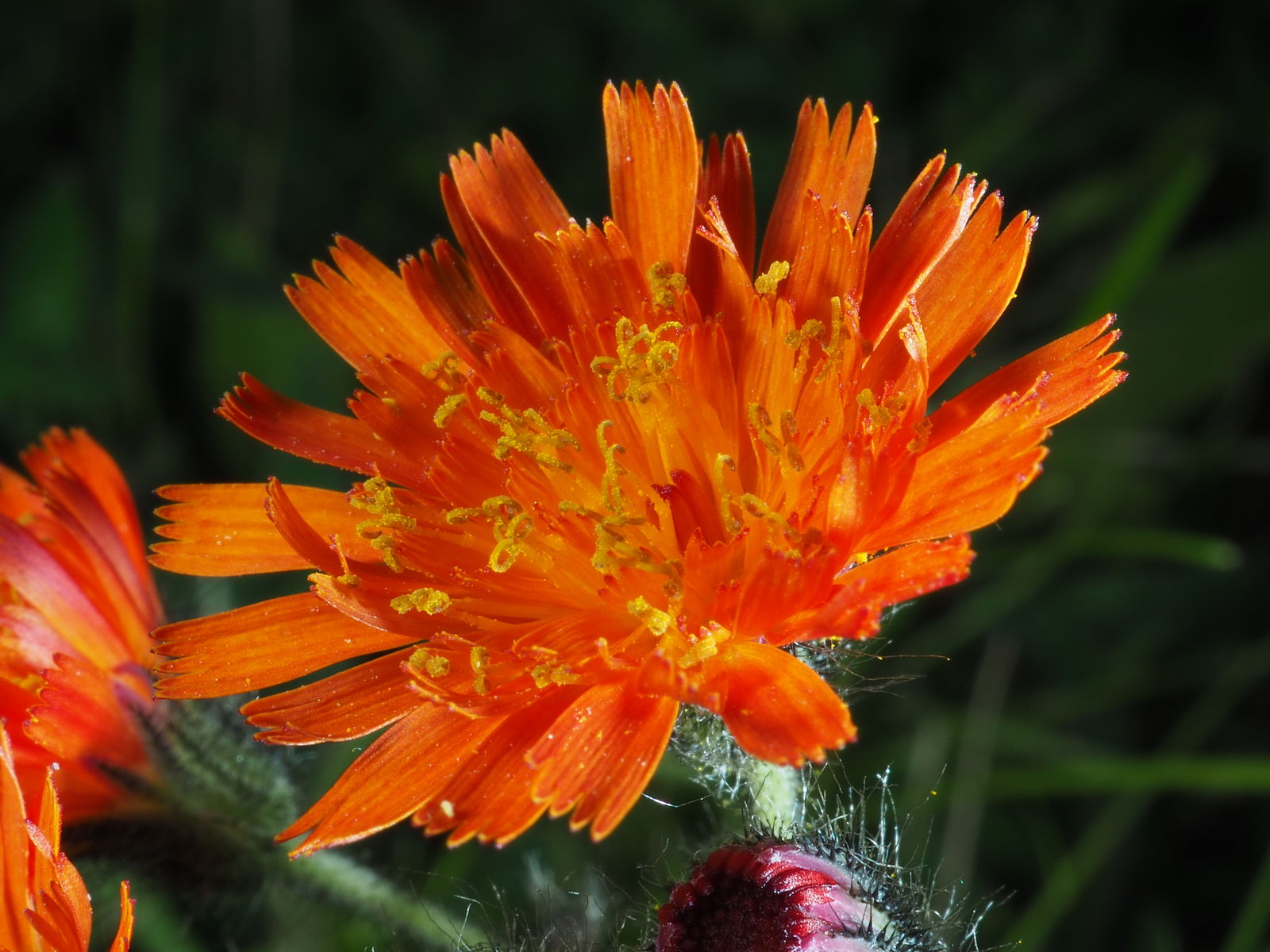
Pilosella
Pilosella is a genus of flowering plants in the family Asteraceae. It includes approximately 250 species native to temperate Eurasia and northwestern Africa. Some sources include it within the genus Hieracium.

Bunias
Bunias is a genus of flowering plants in the cabbage family Brassicaceae. The genus includes three accepted species which range from the Mediterranean region to central and Eastern Europe, Western Asia, Siberia, and northern China.
Bunias cochlearioides
Bunias erucago – crested warty cabbage, corn rocket
Bunias orientalis – Turkish rocket, hill mustard, Turkish warty cabbage, warty cabbage

Juncus acutus
species of plant

Thymelaea
Thymelaea (the sparrow-worts) is a genus of about 30 species of evergreen shrubs and herbs in the flowering plant family Thymelaeaceae, native to the Canary Islands, the Mediterranean region, north to central Europe, and east to central Asia.
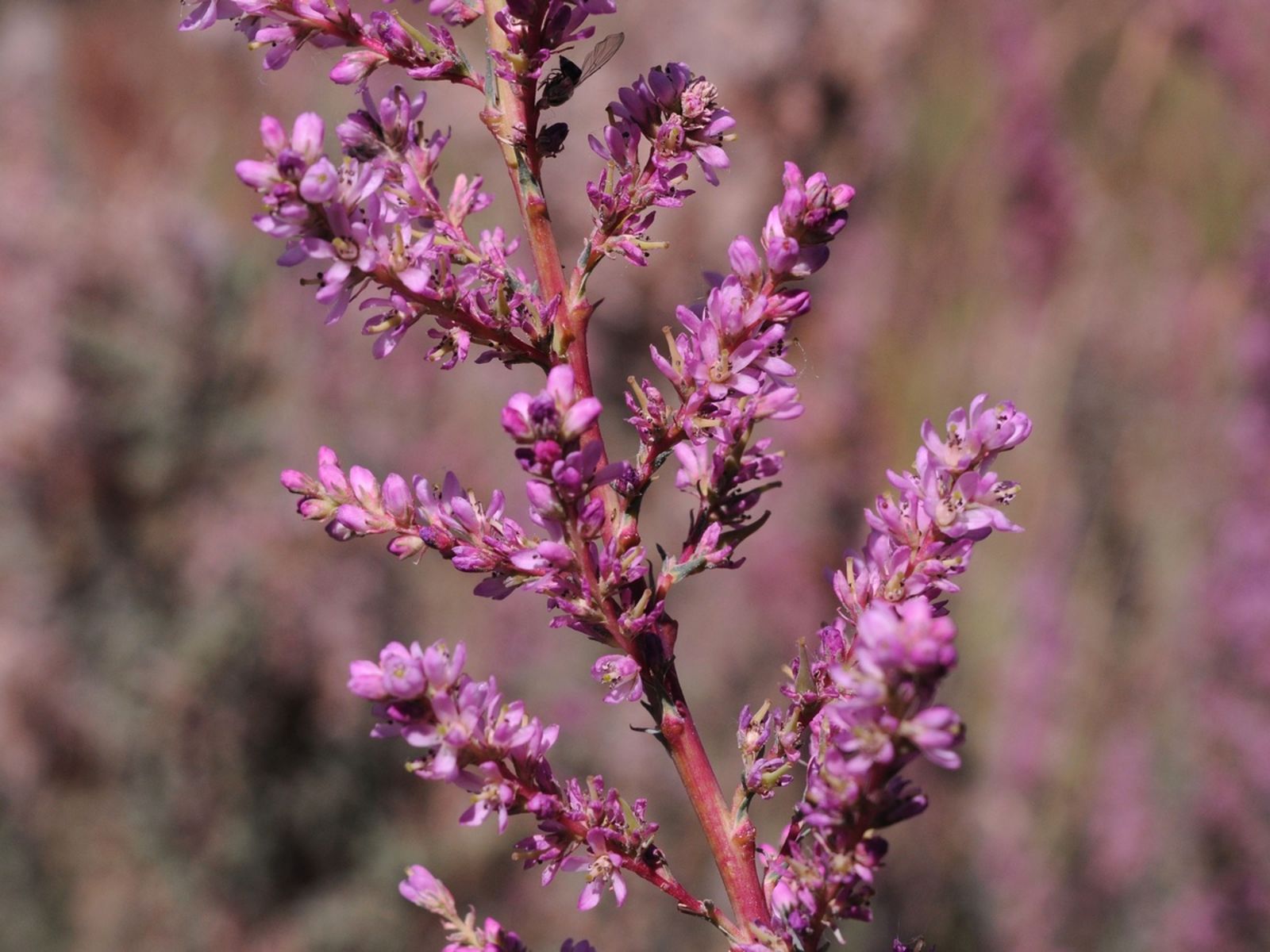
Myricaria
Myricaria is a genus of flowering plants of the family Tamaricaceae. It includes 13 species native to temperate Eurasia, ranging from Spain to China.

Buglossoides
Buglossoides is a genus consisting of 15 species of annual or perennial herbs, native to Europe and Asia. They grow naturally in habitats ranging from sunny scrub to rocky slopes and woodland areas. These plants are covered in fine bristles or hairs. The stems are upright or sprawling, branched or unbranched, with simple oval to lance-shaped leaves. The small funnel-shaped flowers have flaring lobes and are usually blue or white. Perennial species that are rhizomatous can become invasive and difficult where conditions are suitable.

Halocnemum
Halocnemum is a genus of halophytic shrubs in the family Amaranthaceae. The plants are fleshy and apparently articulated with characteristic globular or short-cylindrical lateral branches, and reduced leaves and flowers. There are three or two species, occurring from Southern Europe and North Africa to Asia.
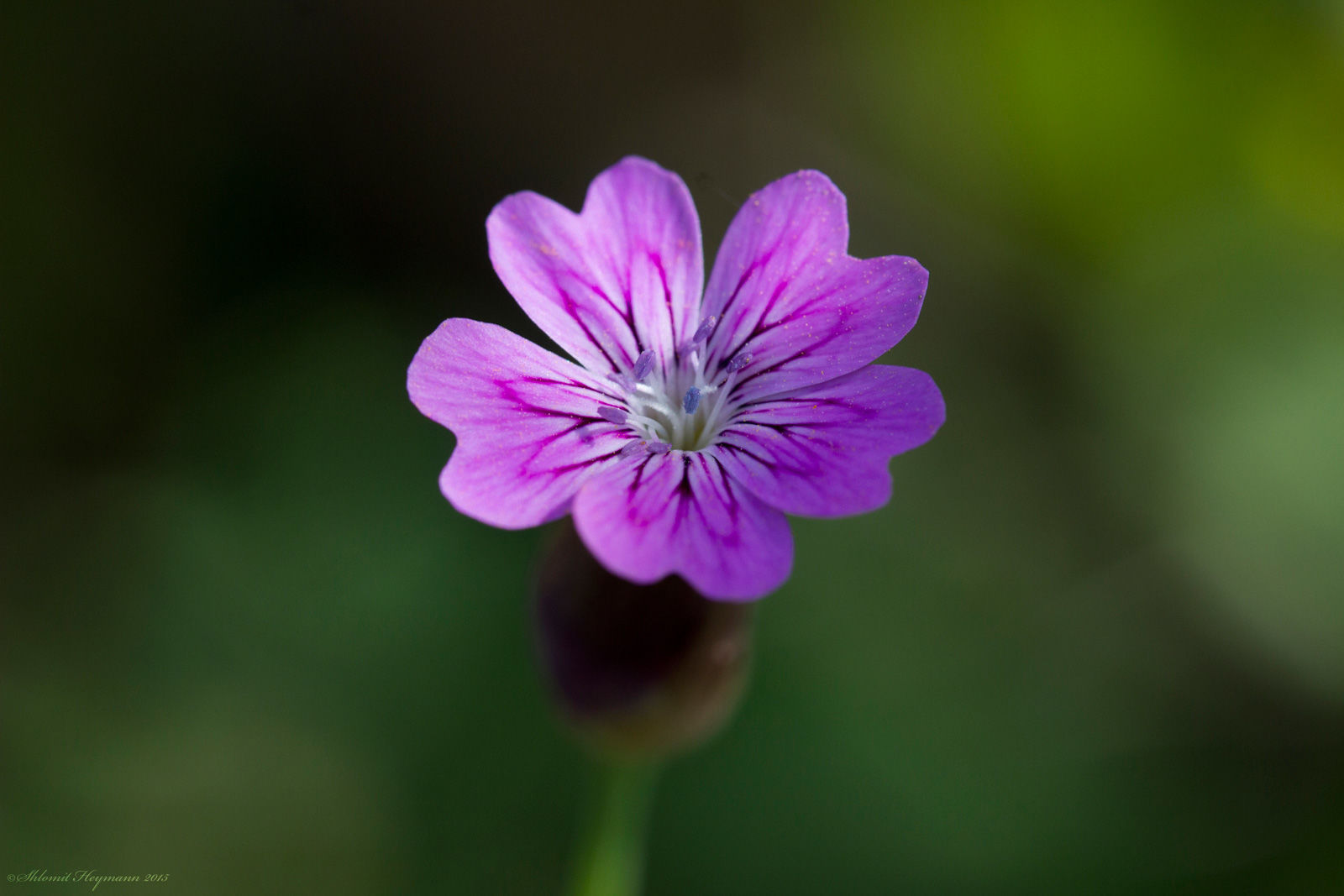
Petrorhagia
200px|right|thumb|Petrorhagia saxifraga
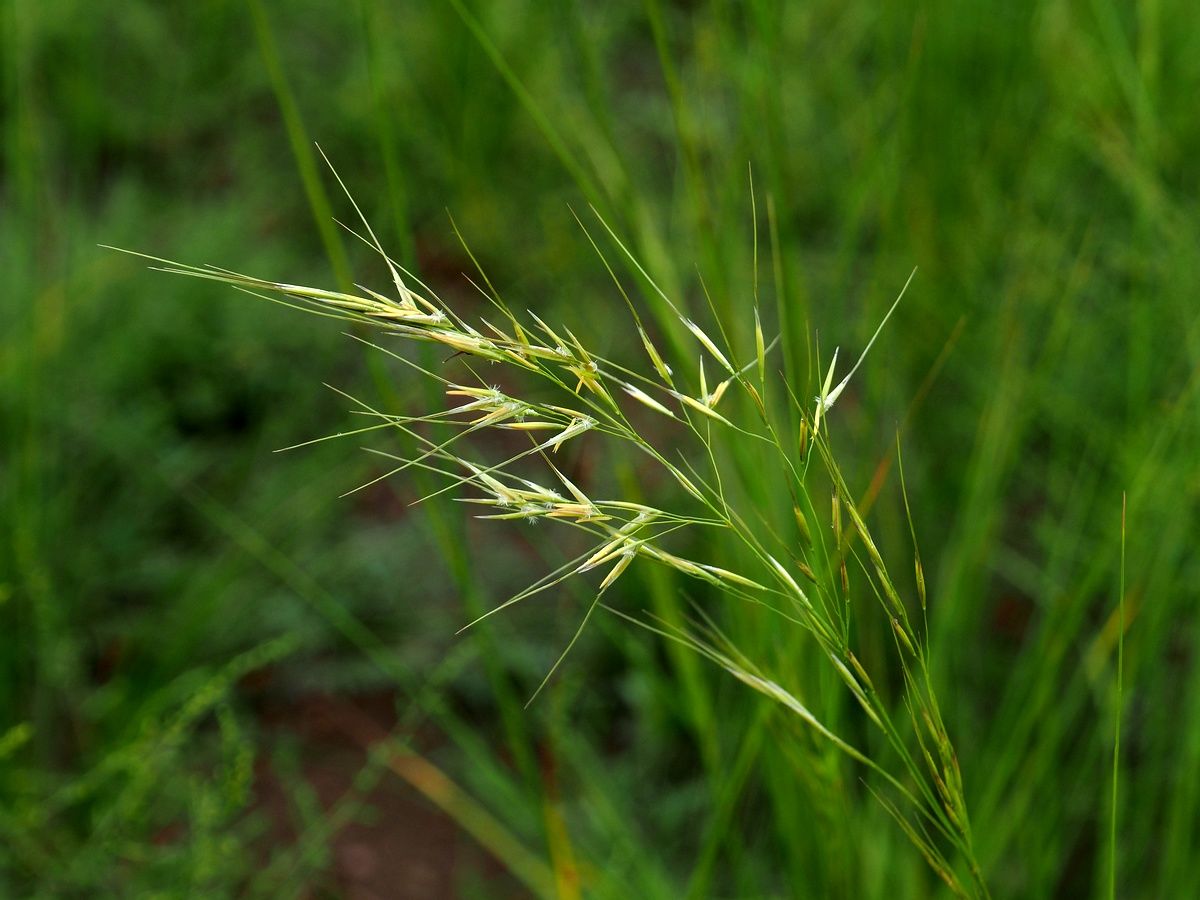
Achnatherum
Achnatherum is a genus of flowering plants in the grass family, Poaceae. It includes 20 species of needlegrass native to temperate Eurasia and North Africa. Several needlegrass species have been switched between Achnatherum and genus Stipa; taxonomy between the two closely related genera is still uncertain. In 2019 Peterson et al. reorganized the genera in tribe Stipeae based on molecular DNA studies, and placed the species from the Americas into other genera.
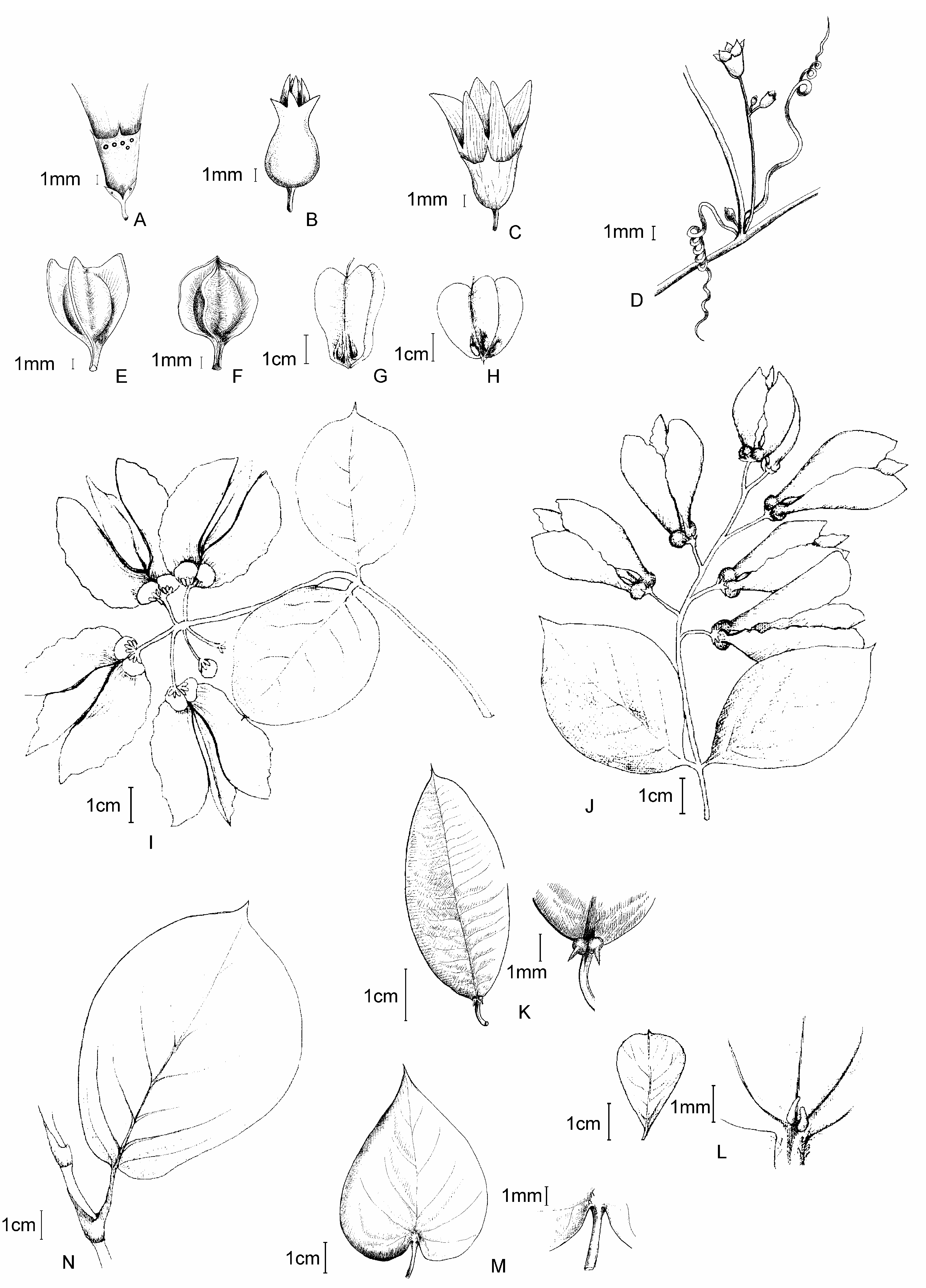
Hornungia
Hornungia is a small genus of plants in the family Brassicaceae. It currently contains three species that have previously been classified as members of other genera, including Hutchinsia and Pritzelago. The genera, and sometimes several others, are usually treated as synonyms.
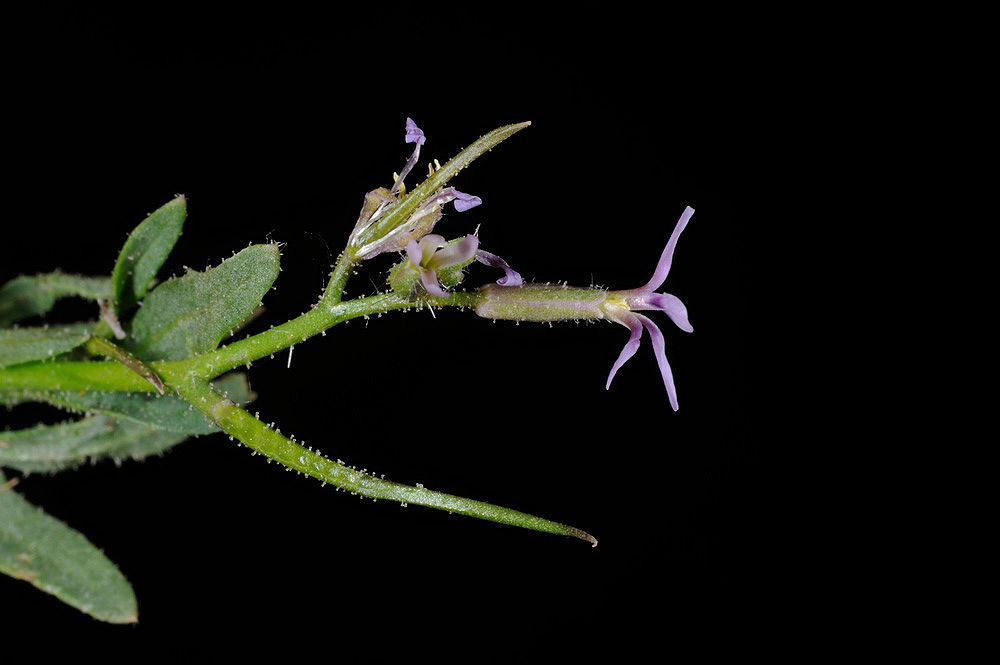
Chorispora
Chorispora is a genus of plant in the family Brassicaceae. It includes 13 species native to Eurasia, ranging from southeastern Europe to the Arabian Peninsula, China, and Siberia.
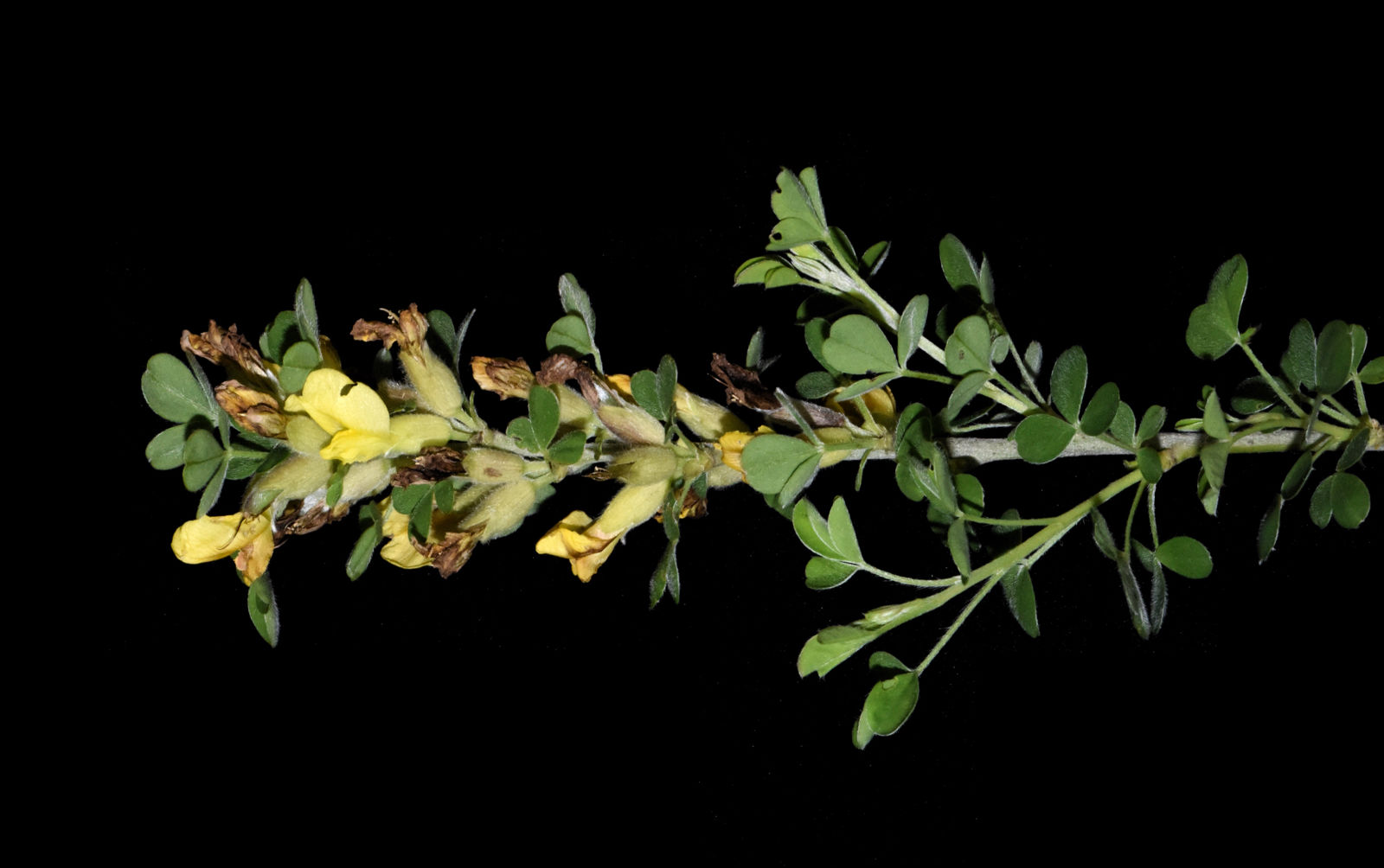
Chamaecytisus
Chamaecytisus is a genus of flowering plants in the legume family, Fabaceae. It includes 43 species which range from the Canary Islands and Morocco through mainland Europe to western Siberia, Kazakhstan, the Caucasus, Anatolia, and the eastern Mediterranean. It belongs to the subfamily Faboideae. It has been treated as a synonym of Cytisus.
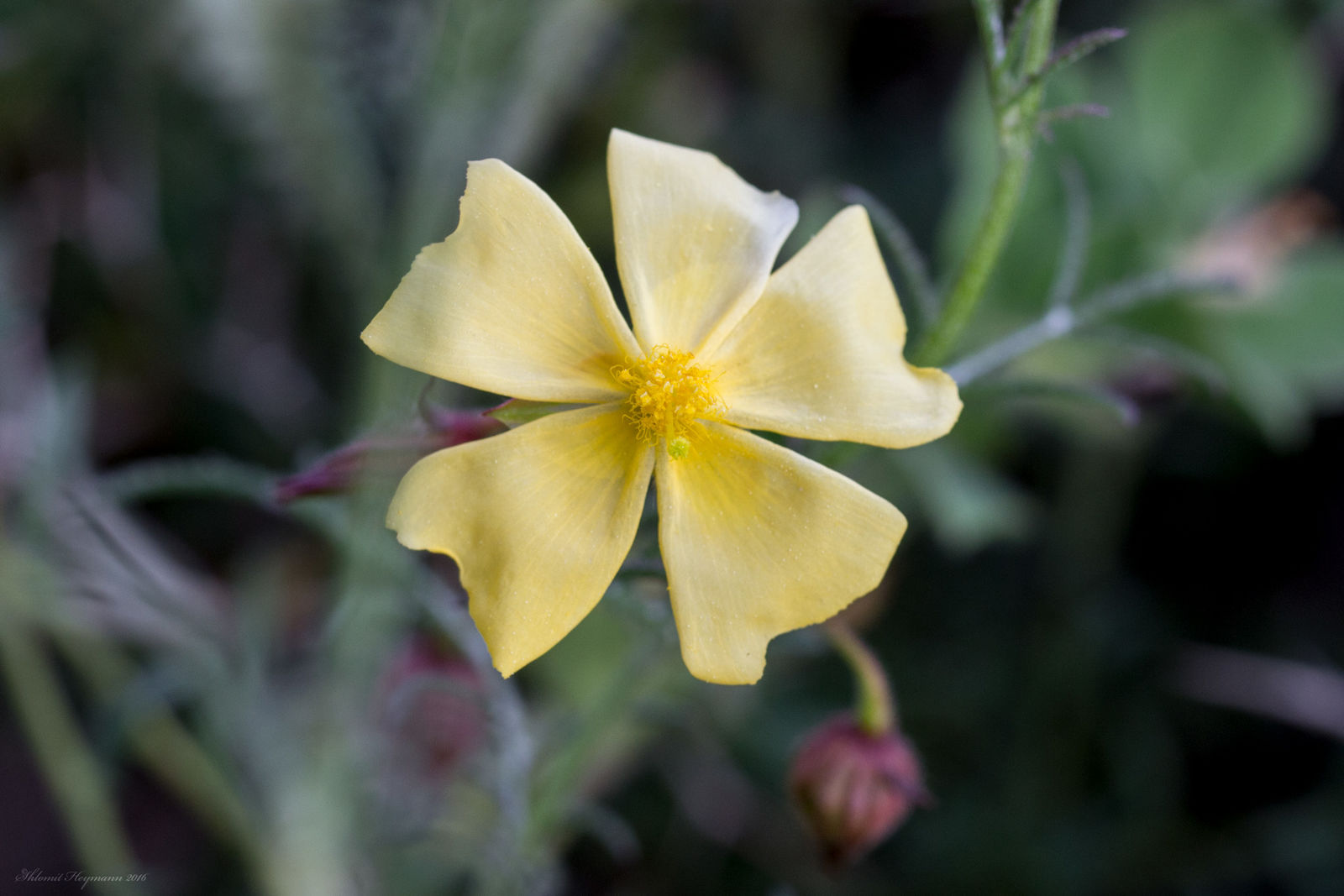
Fumana
Fumana (needle sunrose) is a small genus of flowering plants in the family Cistaceae. They are small perennial shrubs with five-lobed yellow flowers, native to rocky and sandy soils of Europe and wider Mediterranean region. Fumana shrubs can be procumbent or erect. Leaves tend to be very narrow and are almost always alternate.
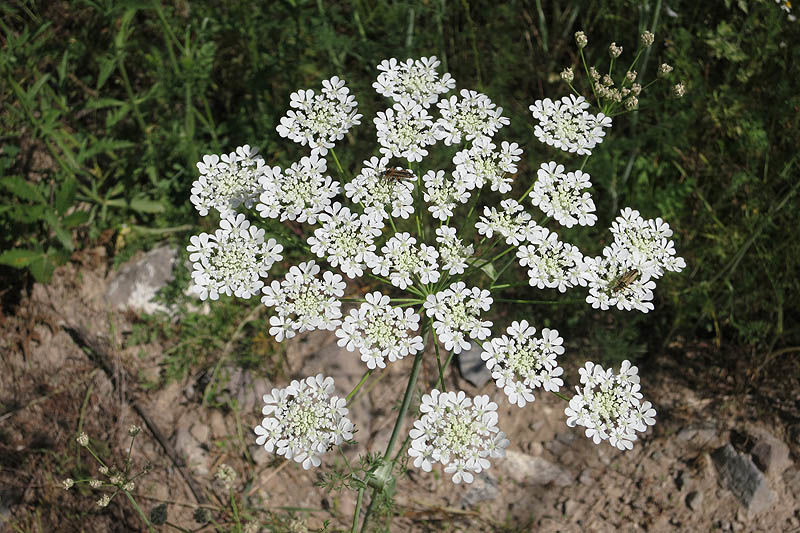
Astrodaucus
Astrodaucus is a genus of flowering plants in the family Apiaceae, with three species native to southeastern Europe, the Caucasus, and western Asia.
Astrodaucus littoralis – Bulgaria, Romania, Ukraine, southern European Russia, and the Caucasus
Astrodaucus orientalis – Ukraine, Caucasus, and western Asia
Astrodaucus persicus – Caucasus and Iran

Sphaerophysa
genus of plants

Ebenus
Ebenus is a genus of flowering plants in the family Fabaceae. It belongs to the subfamily Faboideae. It includes 21 species native to northern Africa (Morocco to Egypt), Greece and Turkey, and Iran to the western Himalayas.
Rochelia
Rochelia is a genus of flowering plants belonging to the family Boraginaceae. It is also in subtribe Eritrichiinae.
Acartauchenius scurrilis
species of arachnid

Eversmannia
Eversmannia is a genus of flowering plants in the legume family, Fabaceae. It belongs to subfamily Faboideae. It includes four species native to temperate Eurasia, ranging from southern European Russia and the Caucasus through Central Asia to Xinjiang, Afghanistan, and Iran.
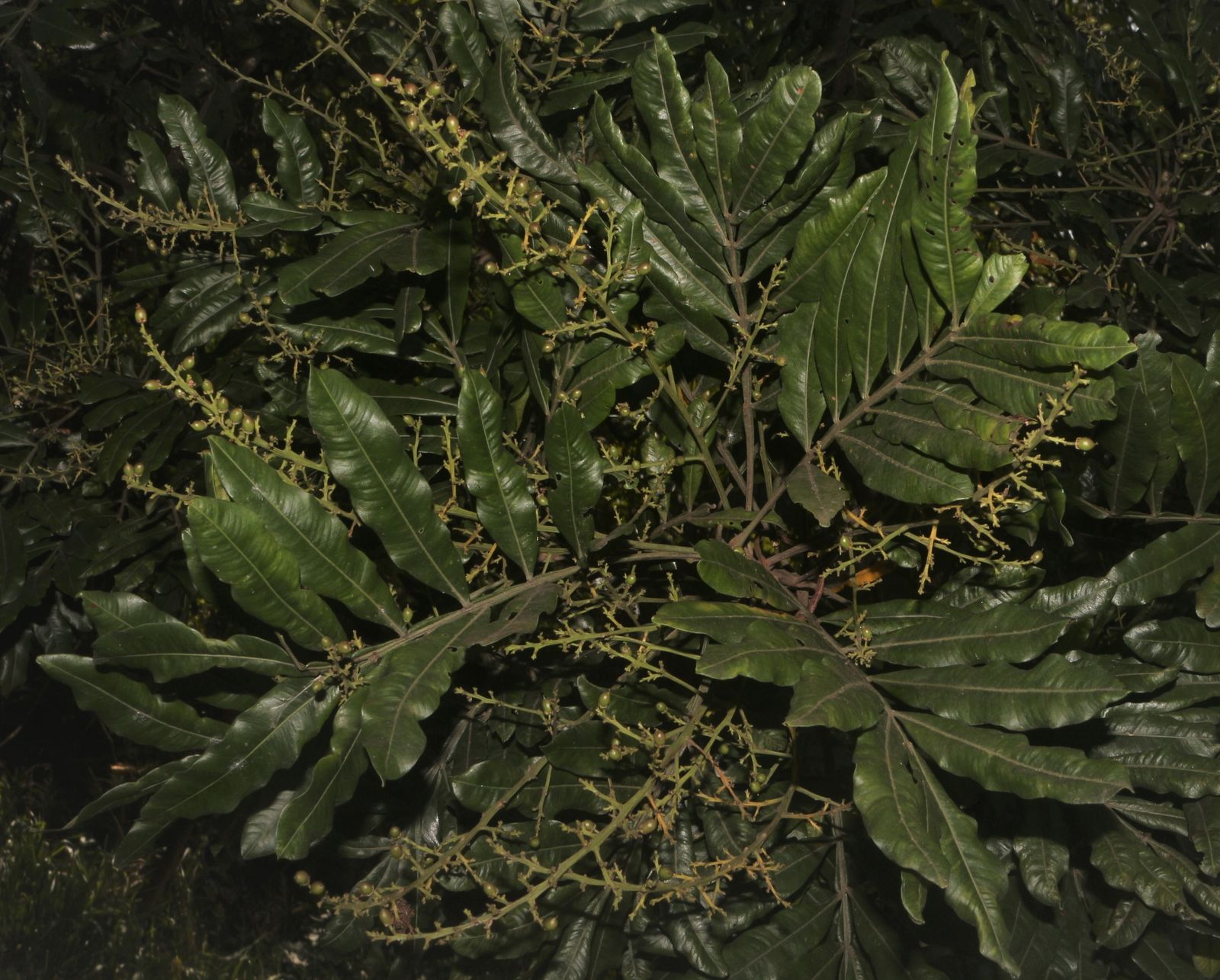
Filicium
Filicium is a genus of flowering plants in the soapberry family Sapindaceae, native to east Africa, Madagascar, India and Sri Lanka. The best known species is Filicium decipiens, which is planted as an ornamental tree.
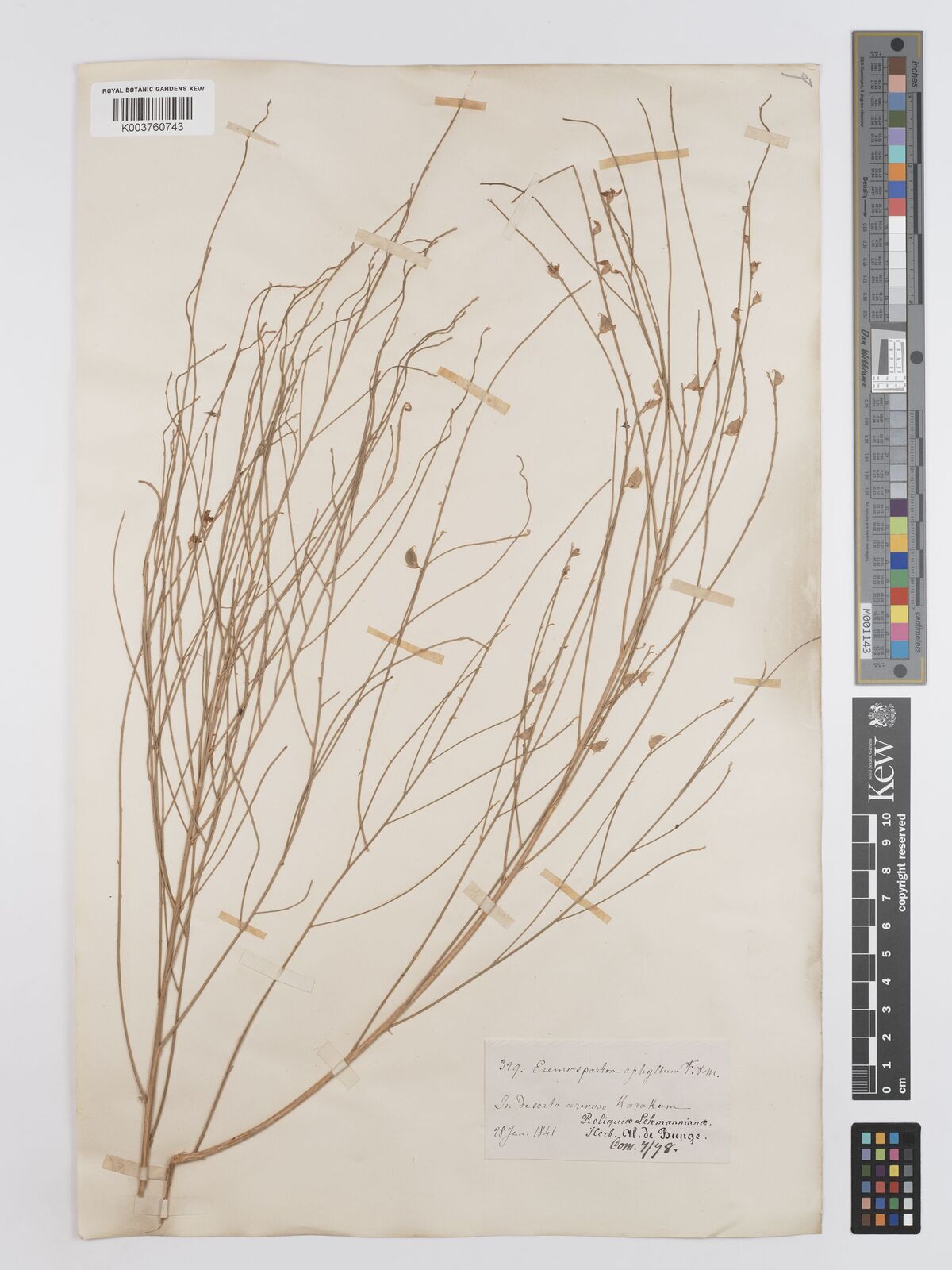
Eremosparton
Eremosparton is a genus of flowering plants in the legume family, Fabaceae. It belongs to subfamily Faboideae. It includes three species native to Eurasia, which range from the Caucasus and southern European Russia through Central Asia (Kazakhstan, Uzbekistan, Kyrgyzstan, and Turkmenistan) to Xinjiang.
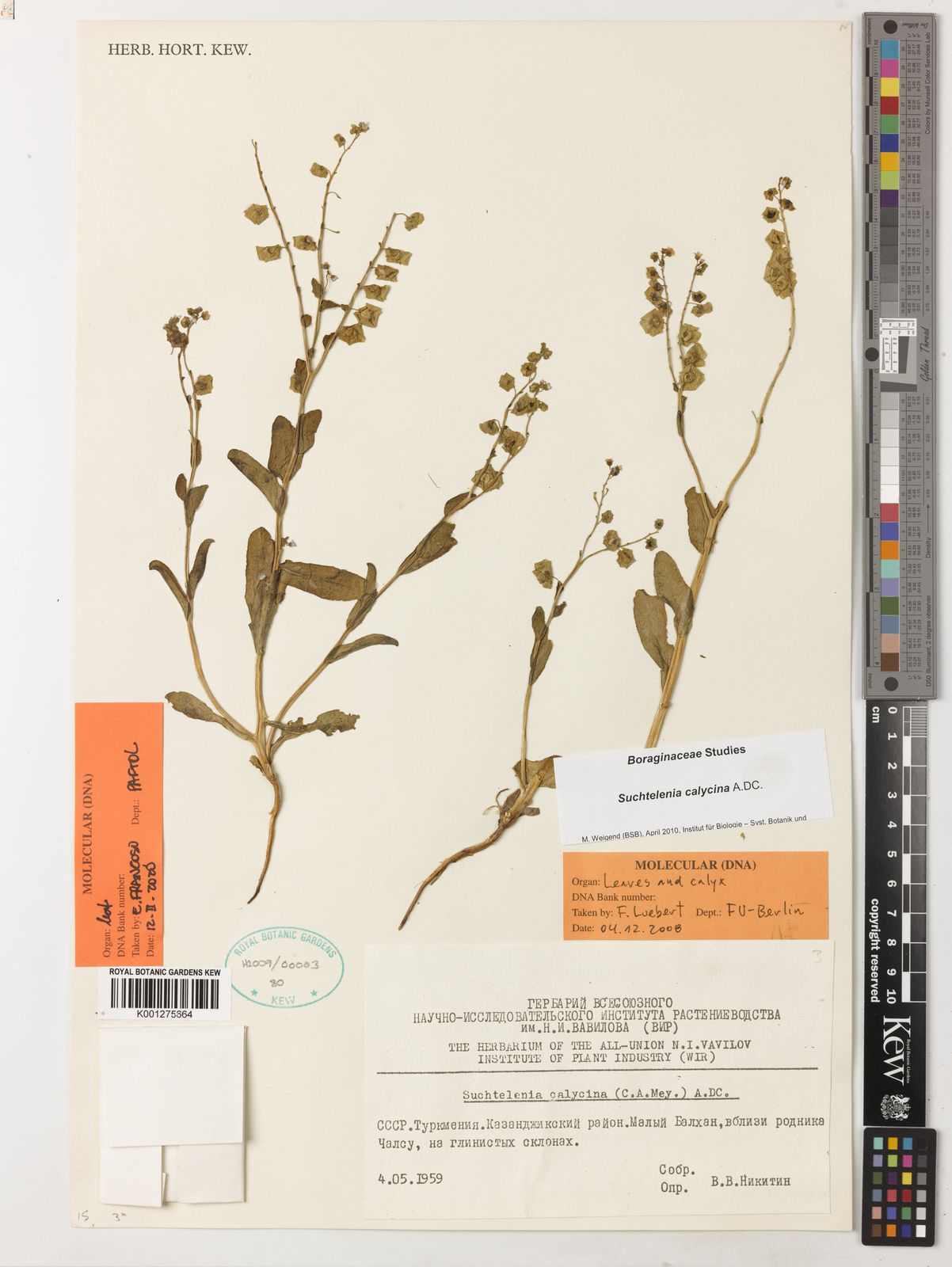
Suchtelenia
Suchtelenia is a genus of flowering plant belonging to the family Boraginaceae. It contains six species native to western Asia, the Arabian Peninsula, Central Asia, the Caucasus, and southern European Russia.
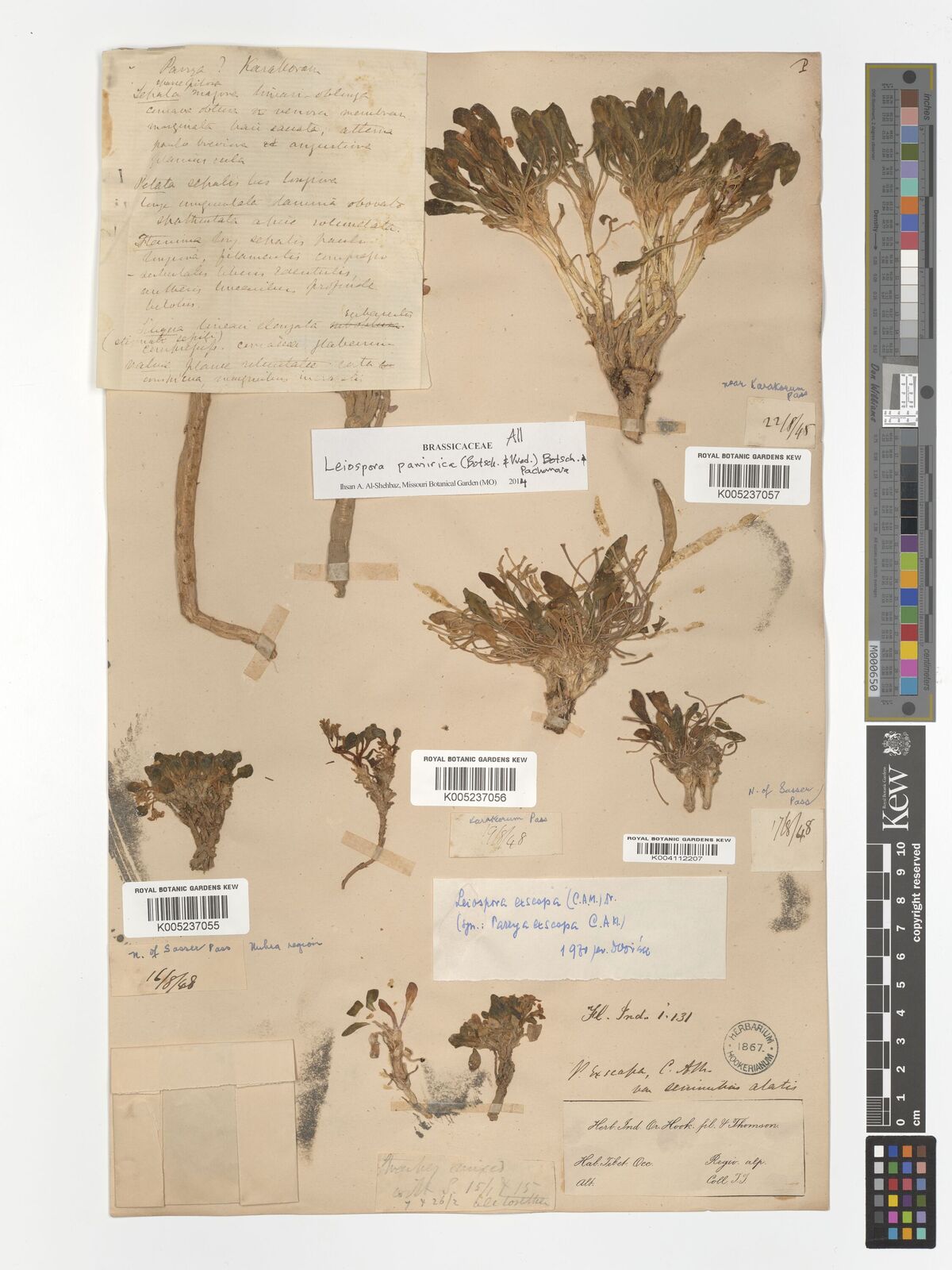
Leiospora
Leiospora is a genus of flowering plants in the family Brassicaceae. It includes eight species native to central Asia, ranging from Kazakhstan to Tajikistan, the Western Himalayas, Tibet, Xinjiang, Mongolia, and southern Siberia.
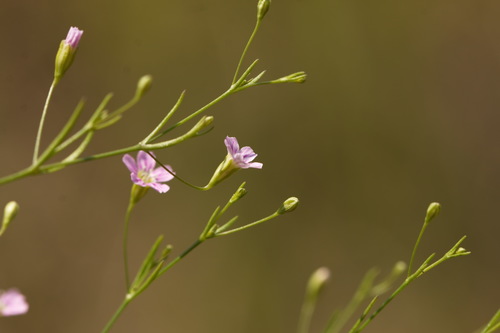
Psammophiliella
thumb | right
Psammophiliella is a genus of flowering plants in the carnation family, Caryophyllaceae. It includes two species native to Eurasia, ranging from Europe to Siberia and the western Himalayas.
Psammophiliella esfandiarii – Iran
Psammophiliella muralis – Europe, Siberia, Central Asia, the Caucasus, and the western Himalayas.
Vickifunkia
Vickifunkia is a genus of flowering plants in the family Asteraceae. It includes ten species native to Central Asia, Afghanistan, the Himalayas, Xinjiang, Mongolia, and western Siberia.
Podonosma
Podonosma is a genus of flowering plants belonging to the family Boraginaceae.
Phonus
Phonus is a genus of flowering plants in the family Asteraceae. It includes four species native to the Mediterranean basin, Macaronesia, western and Central Asia, the Caucasus, Ukraine, and southern European Russia.
Potentilla sterneri
species of plant
Wajira
Wajira is a small genus of flowering plants in the legume family, Fabaceae. It includes five species of climbing herbs or subshrubs native to tropical Africa, the Indian subcontinent, and Thailand. Four species are native to the Somali-Masai region of northeastern tropical Africa. Wajira grahamiana is more widespread in Africa and ranges to the Indian subcontinent and Indochina. Typical habitats are seasonally-dry tropical forest, woodland, bushland, and grassland. It belongs to the subfamily Faboideae. Species in this genus were formerly considered to belong to the genus Vigna. A key for the
Odontostemma
Odontostemma is a genus of flowering plants in the carnation family, Caryophyllaceae. It includes 61 species native to the Himalayas and Tibetan Plateau, including parts of India, Pakistan, Nepal, Bhutan, Myanmar, and China.
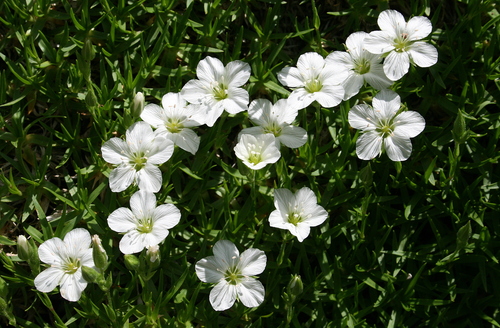
Mcneillia
Mcneillia is a genus of flowering plants belonging to the family Caryophyllaceae.