Category
page 1Infectious causes of cancer
tuberculosis
Tuberculosis (TB) (RP: , ), also known colloquially as the "white death", or historically as consumption, is a contagious disease usually caused by Mycobacterium tuberculosis (MTB) bacteria. Tuberculosis generally affects the lungs, but it can also affect other parts of the body. Most infections show no symptoms, in which case it is known as inactive or latent tuberculosis. A small proportion of latent infections progress to active disease that, if left untreated, can be fatal. Typical symptoms of active TB are chronic cough with blood-containing mucus, fever, night sweats, and weight loss. In

gonorrhea
Gonorrhea or gonorrhoea, colloquially known as the clap,

hepatitis B
human viral infection

cervix uterine cancer
cancer arising from the cervix

hepatitis C
human viral infection
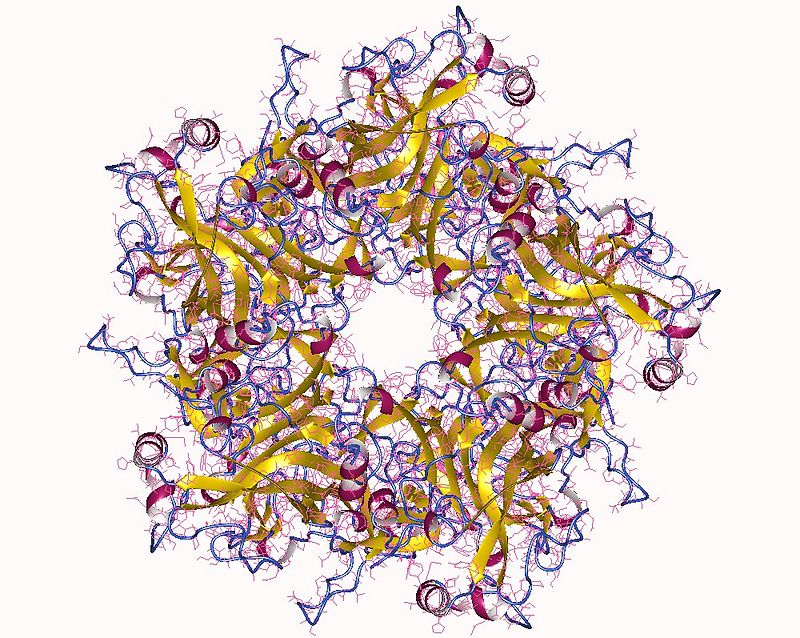
human papillomavirus infection
infection caused by the human papillomavirus (HPV)

Colorectal cancer
Colorectal cancer, also known as bowel cancer, colon cancer, or rectal cancer, is the development of cancer from the colon or rectum. It is the consequence of uncontrolled growth of colon cells that can invade/spread to other parts of the body. Signs and symptoms may include blood in the stool, a change in bowel movements, weight loss, abdominal pain and fatigue. Most colorectal cancers are due to lifestyle factors and genetic disorders. Risk factors include diet, obesity, smoking, and lack of physical activity. Dietary factors that increase the risk include red meat, processed meat, and alcohol. Another risk factor is inflammatory bowel disease, which includes Crohn's disease and ulcerative colitis. Some of the inherited genetic disorders that can cause colorectal cancer include familial adenomatous polyposis and hereditary non-polyposis colon cancer; however, these represent less than 5% of cases. It typically starts as a benign tumor, often in the form of a polyp, which over time becomes cancerous.
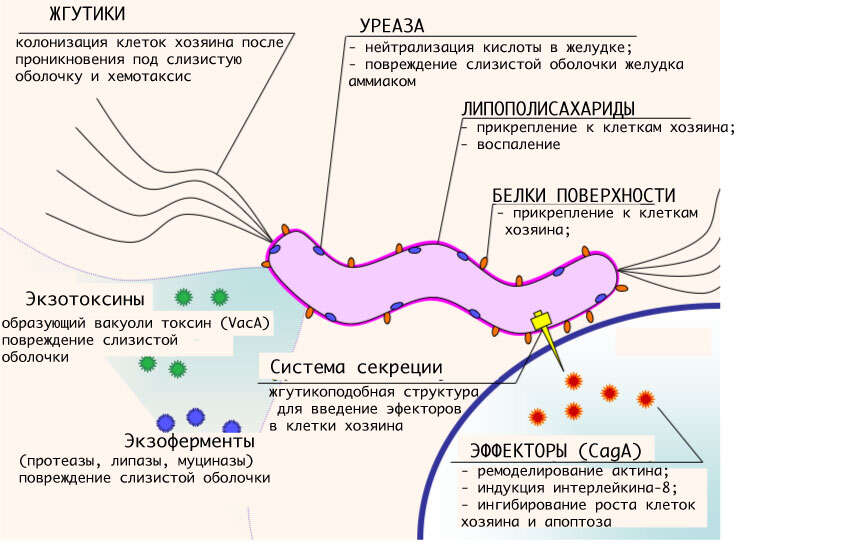
Helicobacter pylori
species of bacteria

schistosomiasis
Schistosomiasis, also known as snail fever, bilharzia, and Katayama fever is a neglected tropical disease, specifically a helminthiasis caused by parasitic flatworms called schistosomes. It affects humans and many other animals. It affects the urinary tract or the intestines. Symptoms include abdominal pain, diarrhea, bloody stool, or blood in the urine. Those who have been infected for a long time may experience liver damage, kidney failure, infertility, or bladder cancer. In children, schistosomiasis may cause poor growth and learning difficulties. Schistosomiasis belongs to the group of hel

Harald zur Hausen
German virologist and professor emeritus (1936–2023)

stomach cancer
gastrointestinal system cancer that is located in the stomach

chlamydia infection
Chlamydia, or more specifically a chlamydia infection, is a sexually transmitted infection caused by the bacterium Chlamydia trachomatis. Most people who are infected have no symptoms. When symptoms do appear, they may occur only several weeks after infection; the incubation period between exposure and being able to infect others is thought to be on the order of two to six weeks. Symptoms in women may include vaginal discharge or burning with urination. Symptoms in men may include discharge from the penis, burning with urination, or pain and swelling of one or both testicles. The infection can
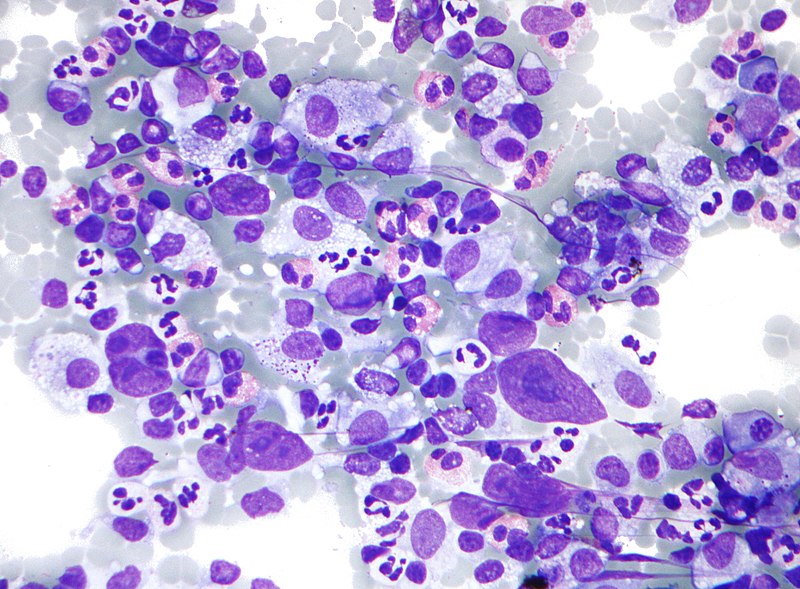
Hodgkin lymphoma
lymphoma that is marked classically by the presence of Reed-Sternberg cells

Mycoplasma
Mycoplasma is a genus of bacteria that, like the other members of the class Mollicutes, lack a cell wall (peptidoglycan) around their cell membrane. The absence of peptidoglycan makes them naturally resistant to antibiotics such as the beta-lactam antibiotics that target cell wall synthesis. They can be parasitic or saprotrophic.

anogenital venereal wart
sexually transmitted disease

Francis Peyton Rous
American scientist (1879-1970)
trichomoniasis
Trichomoniasis (trich) is an infectious disease caused by the parasite Trichomonas vaginalis. About 70% of affected people do not have symptoms when infected. When symptoms occur, they typically begin 5 to 28 days after exposure. Symptoms can include itching in the genital area, a bad smelling thin vaginal discharge, burning with urination, and pain with sex. Having trichomoniasis increases the risk of getting HIV/AIDS. It may also cause complications during pregnancy.

Epstein–Barr virus
virus of the herpes family
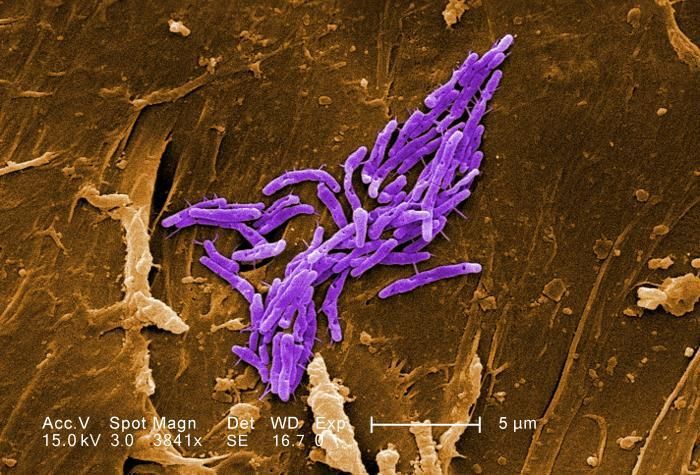
Mycobacterium
Mycobacterium is a genus of over 190 species of Gram-positive bacteria in the phylum Actinomycetota, assigned its own family, Mycobacteriaceae. This genus includes pathogens known to cause serious diseases in mammals, including tuberculosis (M. tuberculosis) and leprosy (M. leprae) in humans. The Greek prefix myco- means 'fungus', alluding to this genus's mold-like colony surfaces. Since this genus has cell walls with a waxy lipid-rich outer layer containing high concentrations of mycolic acid, acid-fast staining is used to emphasize their resistance to acids, compared to other cell types.

HPV vaccine
class of vaccines against human papillomavirus

Pap test
screening test used to detect potentially pre-cancerous and cancerous processes in the endocervical canal
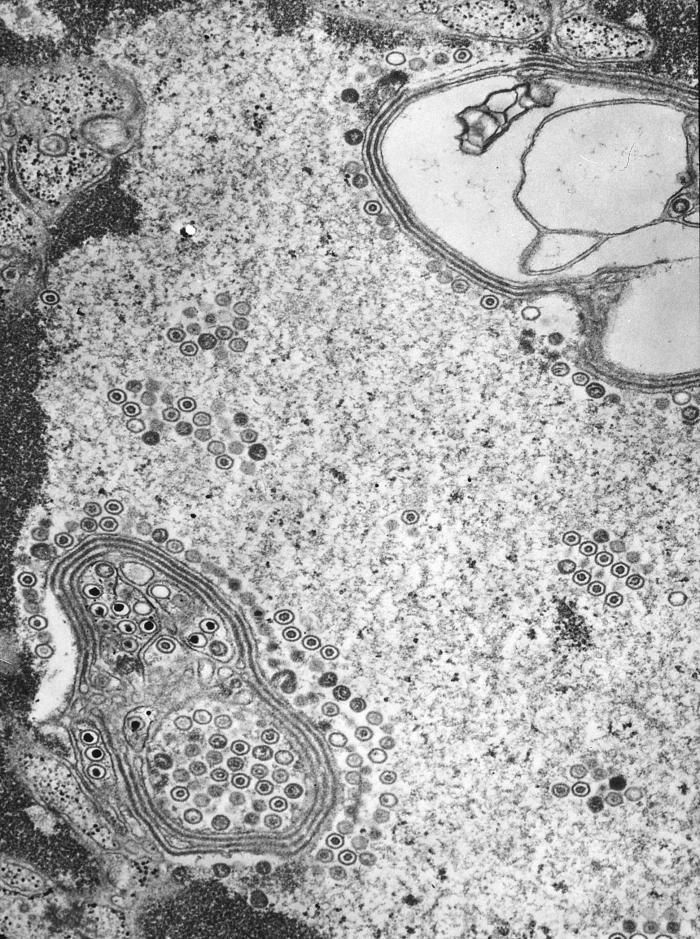
Herpesviridae
Orthoherpesviridae, previously named and more widely known as Herpesviridae, is a large family of DNA viruses that cause infections and certain diseases in animals, including humans. The members of this family are commonly known as herpesviruses. The family name is derived from the Greek word ἕρπειν ( 'to creep'), referring to spreading cutaneous lesions, usually involving blisters, seen in flares of herpes simplex 1, herpes simplex 2 and herpes zoster (shingles). In 1971, the International Committee on the Taxonomy of Viruses (ICTV) established Herpesvirus as a genus with 23 viruses among fou

mesothelioma
Mesothelioma is a type of cancer that develops from the thin layer of tissue that covers many of the internal organs (known as the mesothelium). The area most commonly affected is the lining of the lungs and chest wall. Less commonly the lining of the abdomen and rarely the sac surrounding the heart, or the sac surrounding each testis may be affected. Signs and symptoms of mesothelioma may include shortness of breath due to fluid around the lung, a swollen abdomen, chest wall pain, cough, feeling tired, and weight loss. These symptoms typically come on slowly.

Plasmodium falciparum
species of malaria parasite
hepatocellular carcinoma
liver carcinoma that has material basis in undifferentiated hepatocytes

adenocarcinoma
thumb|250px|Micrograph showing typical features of adenocarcinoma on [[cytopathology (Pap stain). Vacuoles are more prominent in mucinous tumors but can be seen in serous tumors as well.]]
viral hepatitis
liver inflammation due to a viral infection

cholangiocarcinoma

Chlamydia trachomatis
species of bacterium
Burkitt lymphoma
type of cancer
anal cancer
Is a rare disease which it is caused in most of the cases by the infection of the Human Papilloma Virus (HPV).
Mycoplasma genitalium
species of bacterium

Clonorchis sinensis
species of worm
cervical intraepithelial neoplasia
disease
nasopharynx carcinoma
common cancer originating in the nasopharynx
neuroendocrine tumor
endocrine gland cancer that has material basis in neuroendocrine cells

oncovirus
300px|thumb|upright=1.6|Percentage of people infected with hepatitis C in 2015. The [[hepatitis C virus is the cause of hepatitis C and some cancers such as liver cancer (hepatocellular carcinoma, abbreviated HCC) and lymphomas in humans.]]
small cell carcinoma
type of carcinoma that commonly arises within lung and sometime other body sites
Opisthorchis viverrini
species of trematode

cytopathology
thumb|A pair of micrographs of a cytopathology specimen showing a 3-dimensional cluster of cancerous cells ([[serous carcinoma)]]
thumb|An adenocarcinoma with typical features as can be seen on cytopathology
Liver fluke
group of liver parasites

Kaposi's sarcoma-associated herpesvirus
species of virus
ependymoma
An ependymoma is a tumor that arises from the ependyma, a tissue of the central nervous system. Usually, in pediatric cases the location is intracranial, while in adults it is spinal. The common location of intracranial ependymomas is the floor of the fourth ventricle. Rarely, ependymomas can occur in the pelvic cavity.
cutaneous squamous-cell carcinoma
skin carcinoma that has material basis in squamous cells
Ureaplasma urealyticum
species of bacterium

Polyomaviridae
Polyomaviridae is a family of DNA viruses whose natural hosts are mammals and birds. As of 2024, there are eight recognized genera. Fourteen species are known to infect humans, while others, such as Simian Virus 40, have been identified in humans to a lesser extent. Most of these viruses are very common and typically asymptomatic in most human populations studied. BK virus is associated with nephropathy in renal transplant and non-renal solid organ transplant patients, JC virus with progressive multifocal leukoencephalopathy, and Merkel cell virus with Merkel cell cancer.

Rous sarcoma virus
retrovirus
Schistosoma haematobium
species of worm
Castleman's disease
lymphoproliferative syndrome characterized by one or more enlarged lymph nodes containing cells with hyaline-vascular, plasmacytic, or mixed appearance microscopically

Schistosoma japonicum
species of worm

Salmonella enterica subsp. enterica
subspecies of bacterium
MALT lymphoma
non-Hodgkin lymphoma that has material basis in mucosal tissue involved in antibody production

opisthorchiasis
Opisthorchiasis is a parasitic disease caused by certain species of genus Opisthorchis (specifically, Opisthorchis viverrini and Opisthorchis felineus). Chronic infection may lead to cholangiocarcinoma, a cancer of the bile ducts.

Merkel cell polyomavirus
species of virus
undifferentiated pleomorphic sarcoma
medical condition
Human T-lymphotropic virus 1
human virus
lymphoproliferative disorders
primary immunodeficiency disease characterized by immune dysregulation typically after viral infection, usually associated with Epstein-Barr viral infection
Chlamydia pneumoniae
species of bacterium
Human T-lymphotropic virus 2
human virus
Helicobacter heilmannii
species of bacterium