Category
page 1Mammals of the Caribbean
%202.jpg)
raccoon
The raccoon ( or , Procyon lotor), sometimes called the North American, northern or common raccoon (also spelled racoon) to distinguish it from other species of raccoon, is a mammal native to North America. It is the largest of the procyonid family, having a body length of , and a body weight of . Its grayish coat mostly consists of dense underfur, which insulates it against cold weather. The animal's most distinctive features include its extremely dexterous front paws, its facial mask, and its ringed tail, which are common themes in the mythologies of the Indigenous peoples of the Americas su
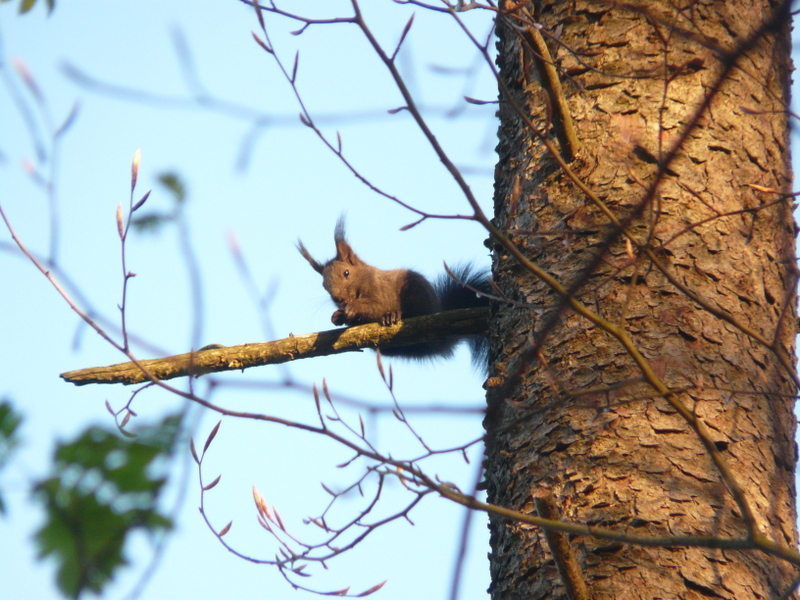
Eurasian Red Squirrel
species of tree squirrel common throughout Eurasia

ocelot
The ocelot (Leopardus pardalis) is a medium-sized spotted wild cat that reaches at the shoulders and weighs between on average. It is native to the southwestern United States, Mexico, Central and South America, and the Caribbean islands of Trinidad and Margarita. Carl Linnaeus scientifically described it in 1758. Two subspecies are recognized.

Lepus europaeus
species of mammal
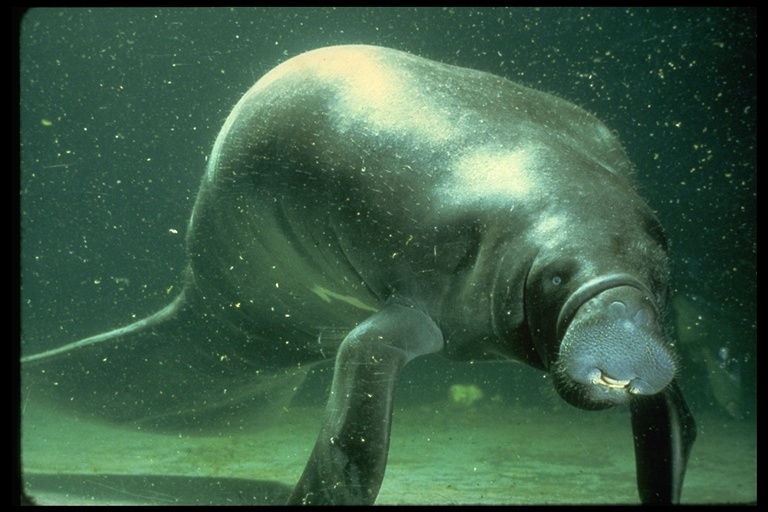
West Indian manatee
species of mammal

Cystophora cristata
species of mammal
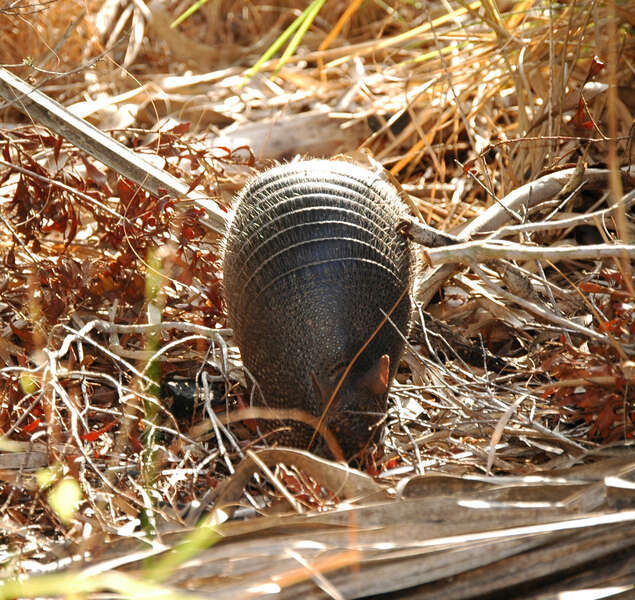
nine-banded armadillo
species of mammal

tayra
The tayra (Eira barbara) is an omnivorous animal from the mustelid family, native to the Americas. It is the only species in the genus Eira.

white-nosed coati
species of mammal

Silky anteater
species of mammal
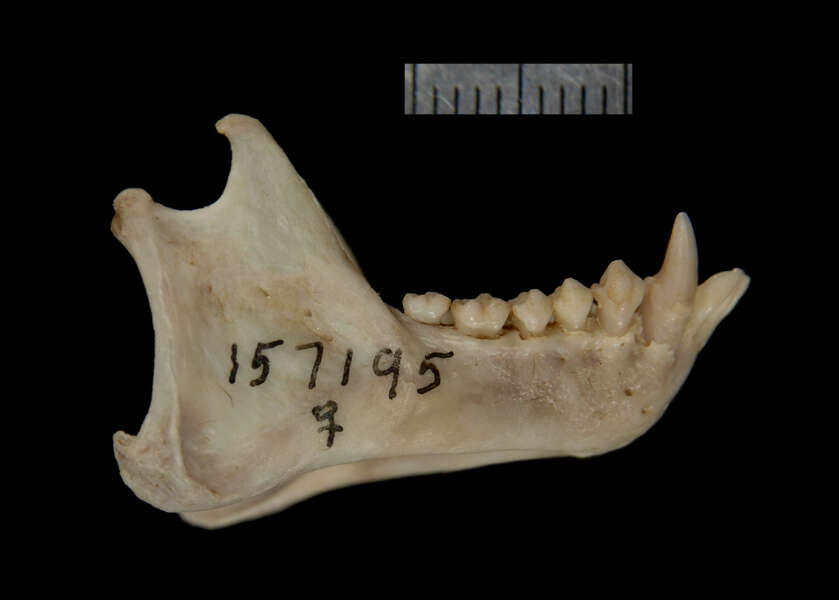
cotton-top tamarin
species of mammal
Caribbean monk seal
species of mammal (fossil)

water opossum
species of mammal

Crab-eating raccoon
species of mammal

Neotropical otter
species of mammal

common vampire bat
species of mammal

southern tamandua
species of mammal

Eastern cottontail
species of mammal

Common opossum
species of mammal
Pygmy three-toed sloth
species of mammal
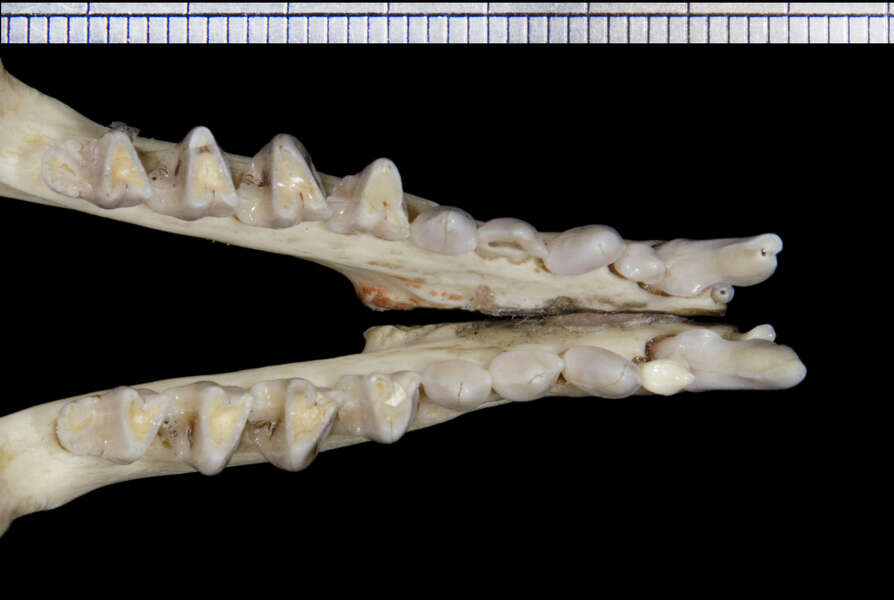
Solenodon
genus of mammals

Sapajus apella
species of mammal

Hispaniolan solenodon
species of mammal

Red brocket
species of mammal

Mona monkey
species of mammal

Desmarest's hutia
species of mammal

Linnaeus's mouse opossum
species of mammal
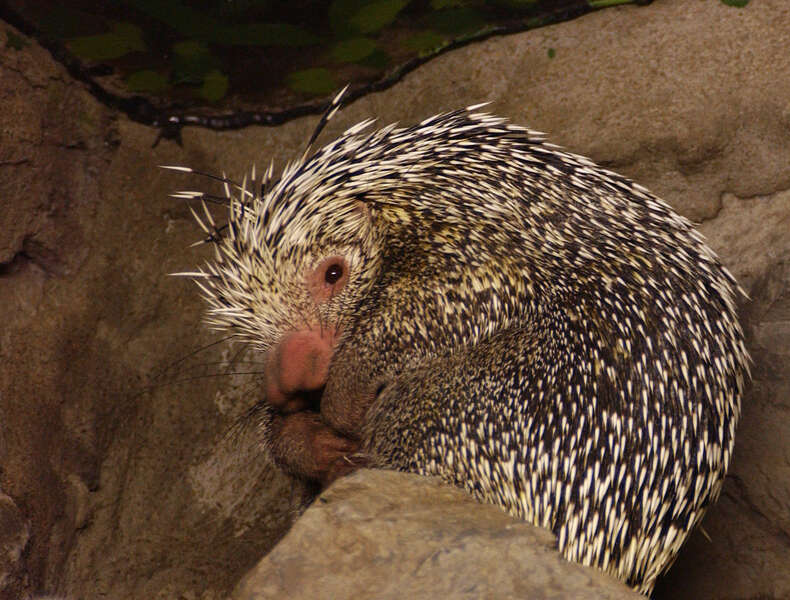
Brazilian porcupine
species of mammal

Guiana dolphin
species of mammal

Red-rumped agouti
species of mammal

lowland paca
species of mammal

Green Monkey
species of mammal

bare-tailed woolly opossum
species of mammal

Central American agouti
species of mammal

White-winged Vampire Bat
species of mammal
Red-tailed squirrel
species of mammal

Cabrera's hutia
species of mammal

Robinson's mouse opossum
species of mammal

Dasyprocta mexicana
species of mammal

Derby's woolly opossum
species of mammal

Guyanan red howler
species of mammal
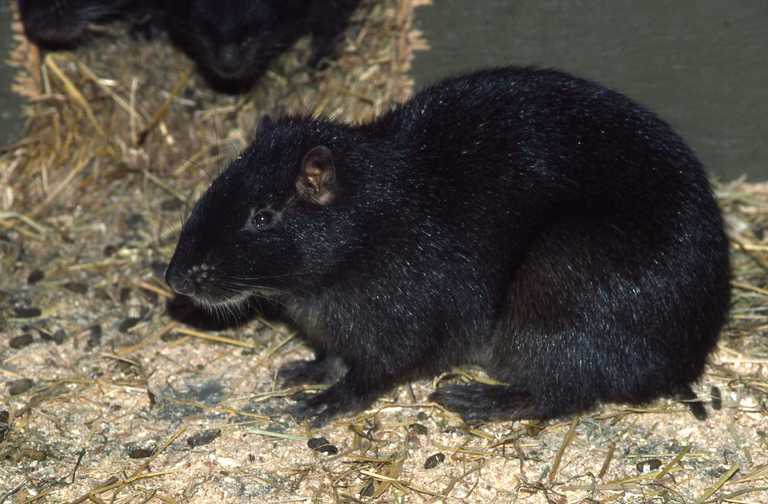
Jamaican coney
species of mammal
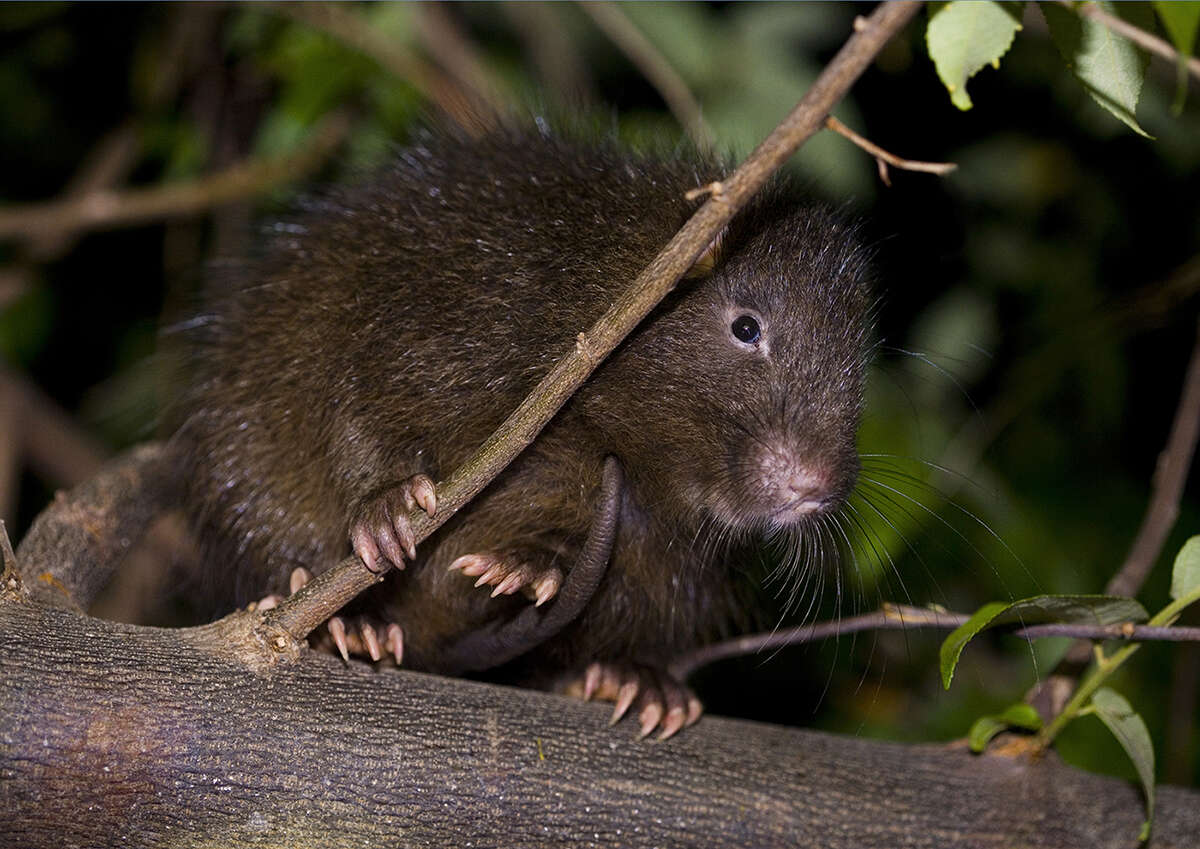
Hispaniolan hutia
species of mammal

Ruatan Island agouti
species of mammal
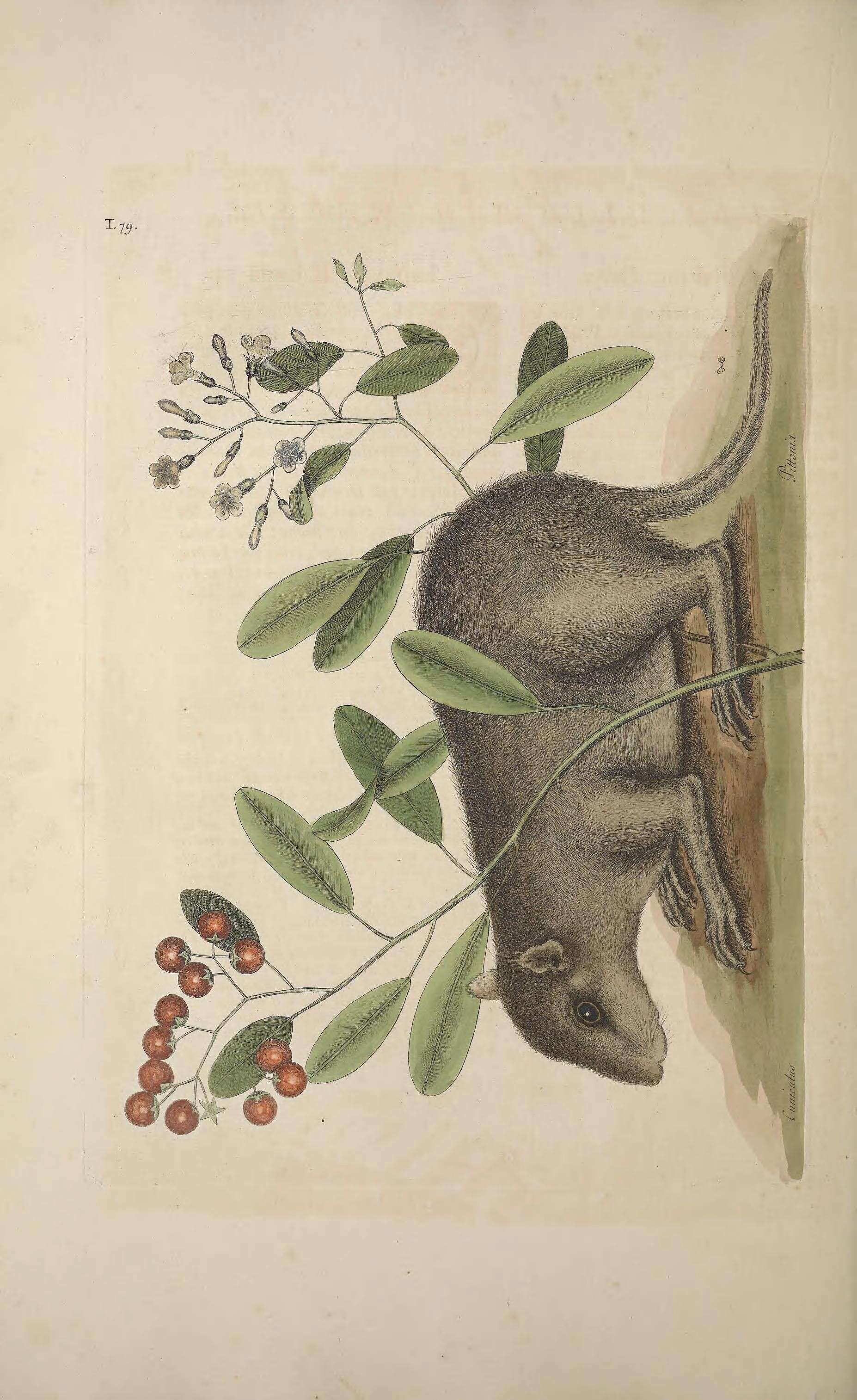
Bahamian hutia
species of mammal
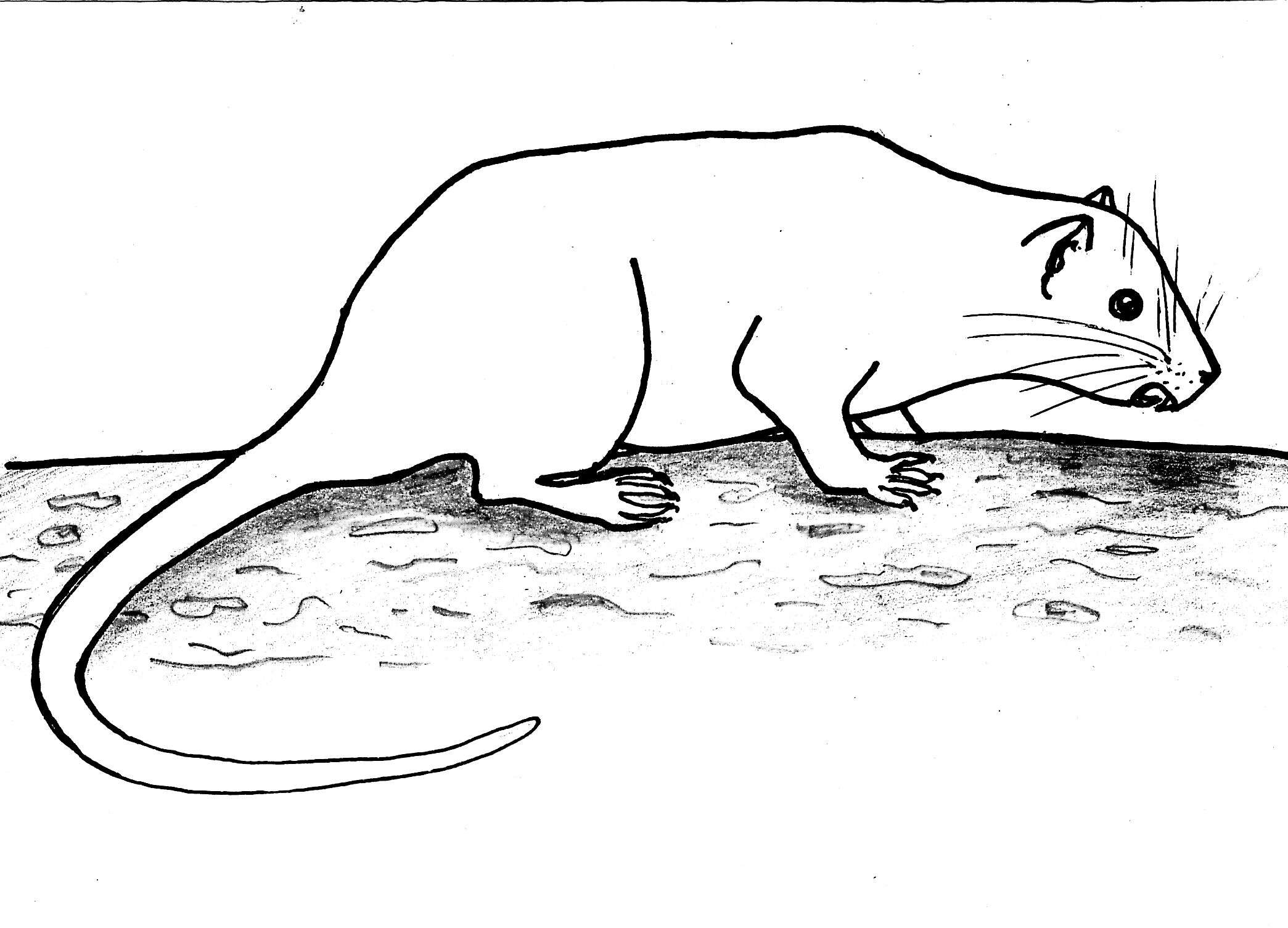
Mesocapromys sanfelipensis
species of mammal

Dwarf hutia
species of mammal
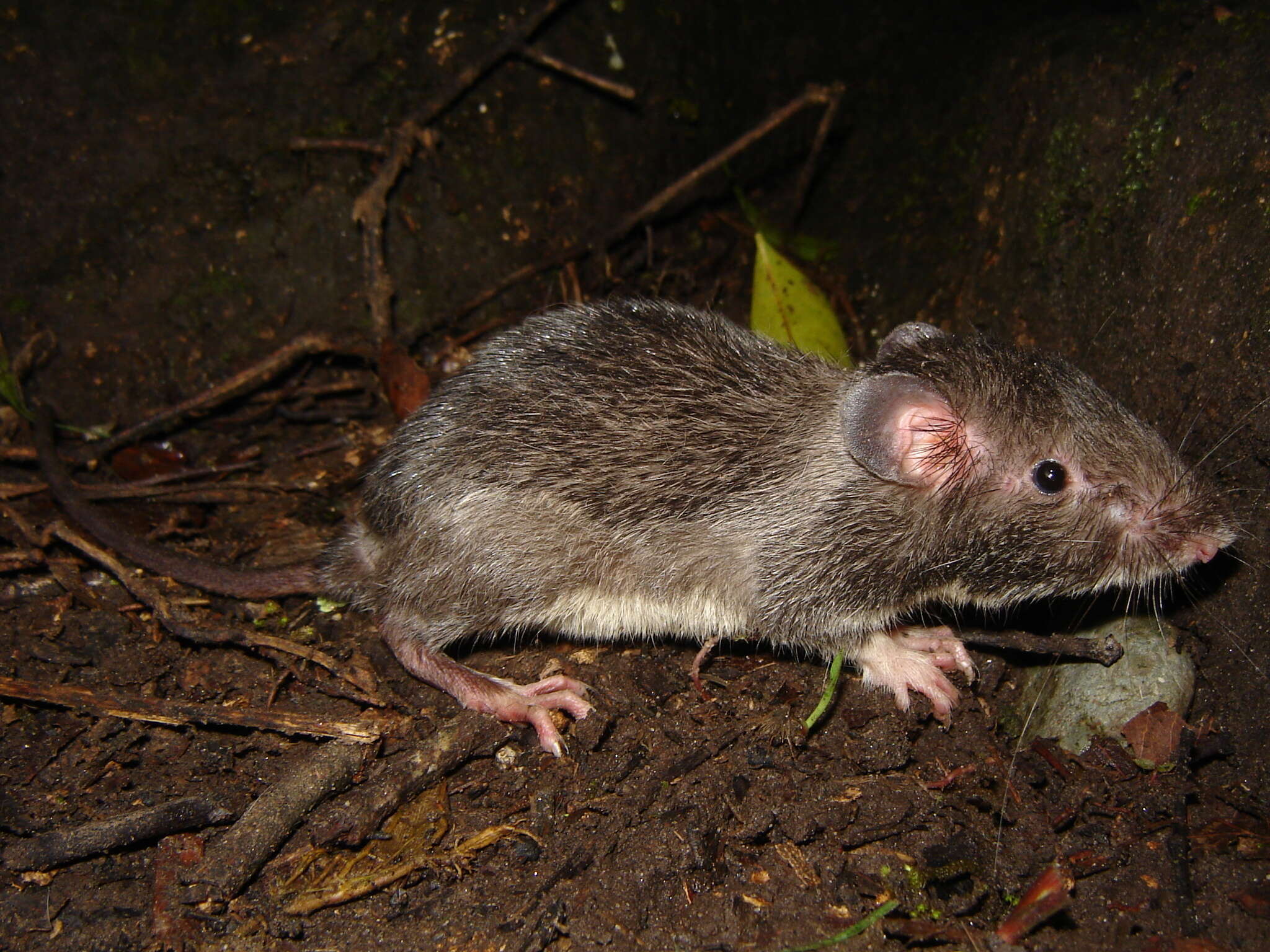
Trinidad spiny pocket mouse
species of mammal

Garrido's hutia
species of mammal

Dusky slender opossum
species of mammal

Black-tailed hutia
species of mammal

Eared hutia
species of mammal

Solenodontidae
Solenodons (; from Ancient Greek σωλήν (sōlḗn), meaning "channel, pipe", and ὀδούς (odoús), meaning "tooth") are venomous, nocturnal, burrowing, insectivorous mammals belonging to the family Solenodontidae . The two living solenodon species are the Cuban solenodon (Atopogale cubana) and the Hispaniolan solenodon (Solenodon paradoxus). Threats to both species include habitat destruction and predation by non-native cats, dogs, and mongooses, introduced by humans to the solenodons' home islands to control snakes and rodents.

Brazilian spiny tree-rat
species of mammal

Cuban funnel-eared bat
species of mammal
Little Swan Island hutia
species of mammal
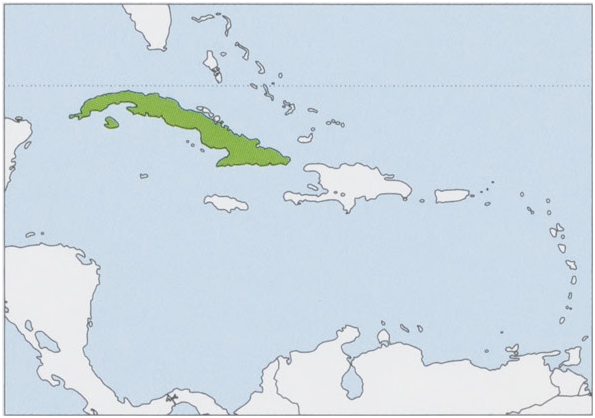
Mysateles prehensilis
species of mammal
imposter hutia
species of mammal
Oriente Cave Rat
species of extinct mammal

Venezuelan Climbing Mouse
species of mammal