Category
page 1Mammals of Western Australia

dingo
thumb|Dingo on the beach at Fraser Island|K'gari, Queensland

Macropus rufus
species of mammal
quokka
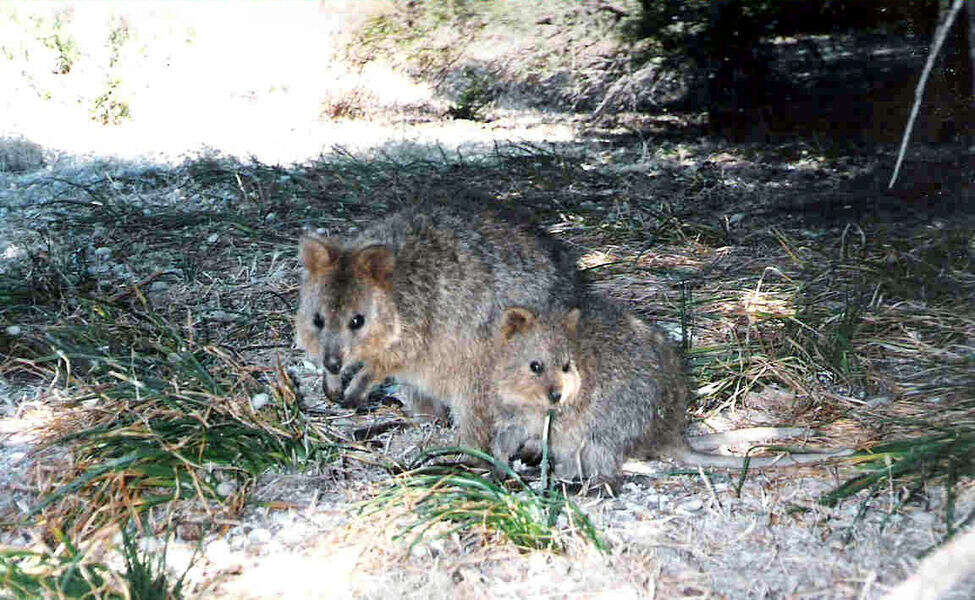
The quokka (; Setonix brachyurus) is a small macropod about the size of a domestic cat. It is the only member of the genus Setonix. Like other marsupials in the macropod family (such as kangaroos and wallabies), the quokka is herbivorous and mainly nocturnal.

short-beaked echidna
species of mammal

southern elephant seal
species of mammal

Crabeater seal
species of mammal

Australian sea lion
species of mammal

greater bilby
species of mammal

western grey kangaroo
species of mammal

Subantarctic fur seal
species of mammal

Arctocephalus forsteri
species of mammal

honey possum
species of marsupial

Trichosurus vulpecula
species of mammal endemic to Australia

common bent-wing bat
species of mammal

agile wallaby
species of mammal
Macropus eugenii
species of mammal

Macropus robustus
species of mammal
Osphranter antilopinus
species of mammal

Lagostrophus fasciatus
species of mammal

southern hairy-nosed wombat
species of mammal

Rufous hare-wallaby
species of mammal
Chaeropus ecaudatus
species of mammal

Western quoll
species of mammal

Notamacropus irma
species of mammal
.jpg)
Rakali
The rakali (Hydromys chrysogaster), also known as the rabe, the "Australian otter" or water-rat, is an Australian native rodent first scientifically described in 1804. Adoption of the Ngarrindjeri name rakali is intended to foster a positive public attitude by Environment Australia.

Northern quoll
species of mammal native to Australia

Fat-tailed dunnart
species of mammal
.jpg)
Lasiorhinus
Lasiorhinus is the genus containing the two extant hairy-nosed wombats, which are found in Australia. The southern hairy-nosed wombat is found in some of the semiarid to arid regions belt from New South Wales southwest to the South Australia-Western Australia border. The IUCN categorises it as Near Threatened. Conversely, the northern hairy-nosed wombat is categorised as Critically Endangered and only survives in a range within the Epping Forest National Park in Queensland, but formerly also existed in Victoria and New South Wales. There are about 200 or less northern hairy-nosed wombat indivi

Black-flanked rock-wallaby
species of mammal
.JPG)
Bettongia penicillata
The woylie or brush-tailed bettong (Bettongia ogilbyi) is a small, near threatened mammal native to forests and shrubland of Australia. A member of the rat-kangaroo family (Potoroidae), it moves by hopping and is active at night, digging for fungi to eat. It is also a marsupial and carries its young in a pouch. Once widespread across southern Australia, the woylie mostly died out from habitat loss and introduced predators such as foxes and feral cats. It is currently restricted to two small areas in Western Australia. There are four subspecies: both B. o. ogilbyi, and B. o. sylvatica, are exta
Petrogale concinna
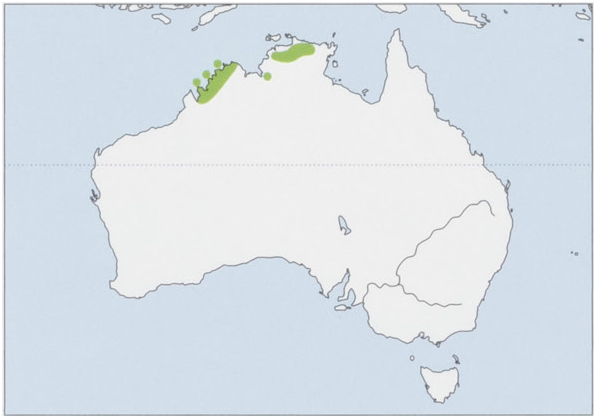
The nabarlek (Petrogale concinna) is a small species of macropod found in northern Australia. They are a shy and nocturnal animal that resides in rocky hollows and forages in the surrounding area. Their diet is grasses, sedges, and ferns found in and around their scrub covered refuges. They are distinguished by a reddish tinge to the mostly grey fur and a distinct stripe at the cheek. They move with great speed and agility when observed, with a forward leaning posture and a bushy tail that arches over the back.

ghost bat
species of mammal

Spectacled hare-wallaby
species of mammal
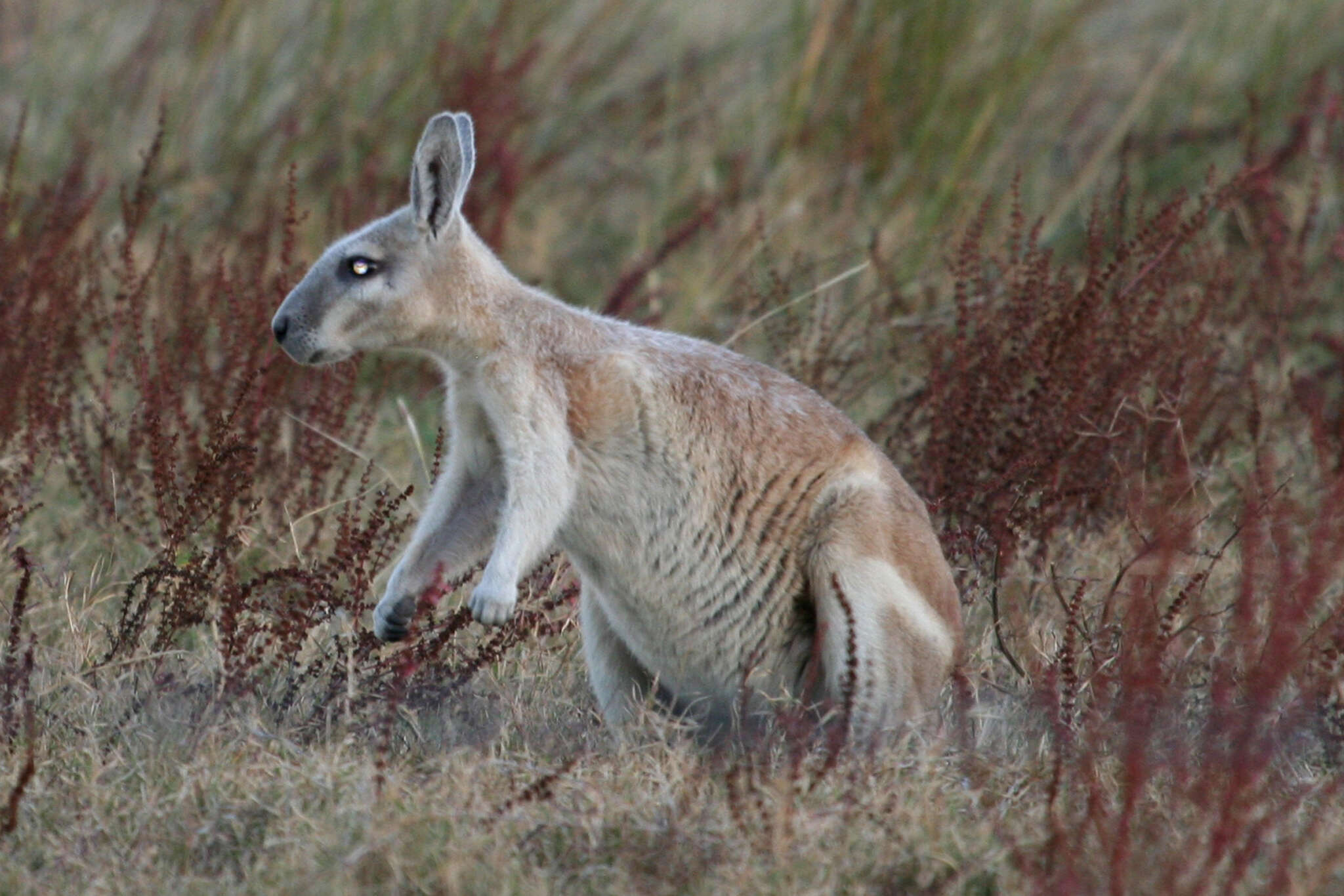
Onychogalea unguifera
species of mammal
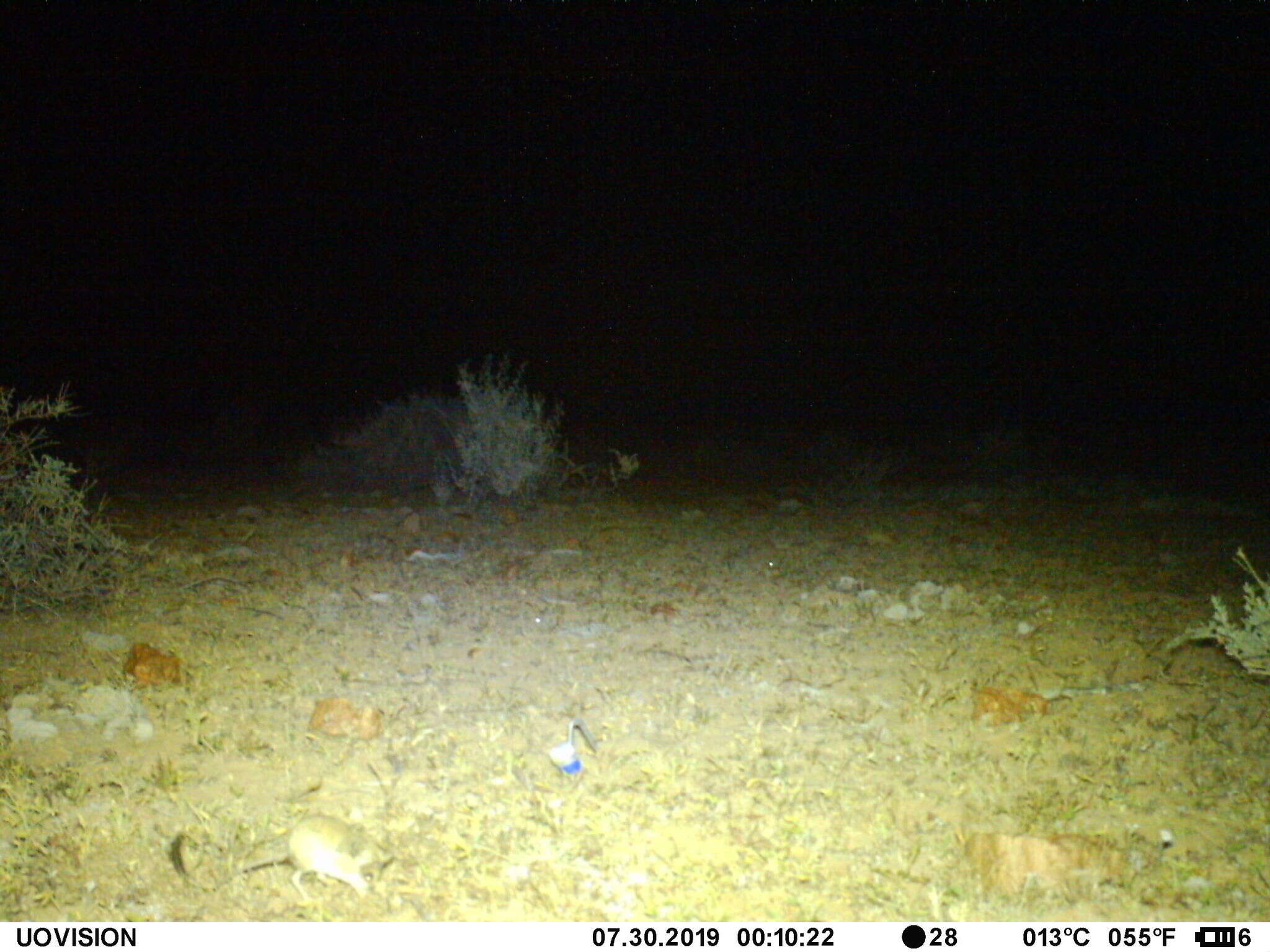
Antechinomys laniger
The kultarr (Antechinomys laniger) (also called the "jerboa-marsupial" or marsupial jerboa) is a small insectivorous nocturnal marsupial inhabiting the arid interior of Australia. Preferred habitat includes stony deserts, shrubland, woodland, grassland and open plains. The kultarr has a range of adaptations to help cope with Australia's harsh arid environment including torpor similar to hibernation that helps conserve energy. The species has declined across its former range since European settlement due to changes in land management practices and introduced predators.
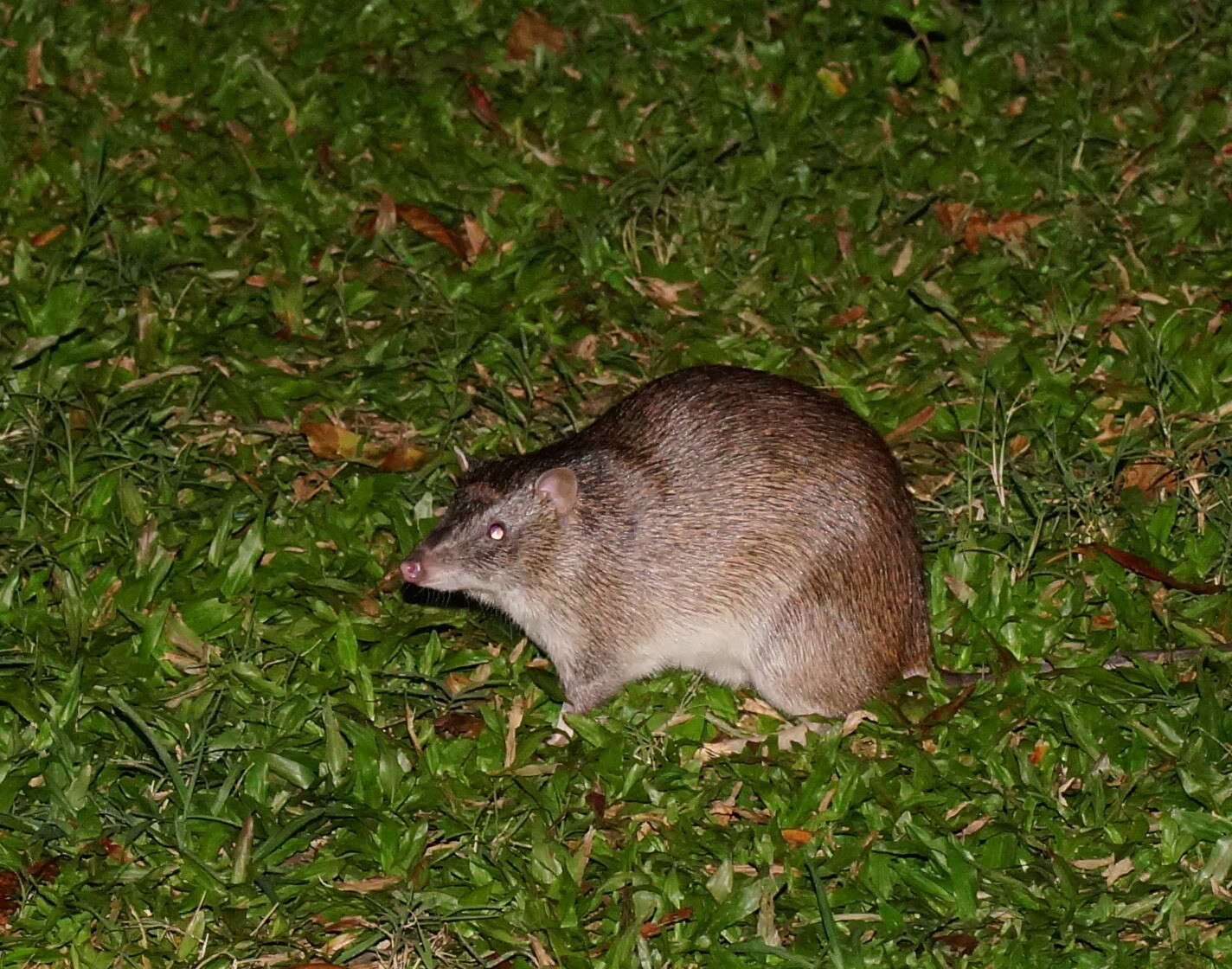
Northern brown bandicoot
species of mammal
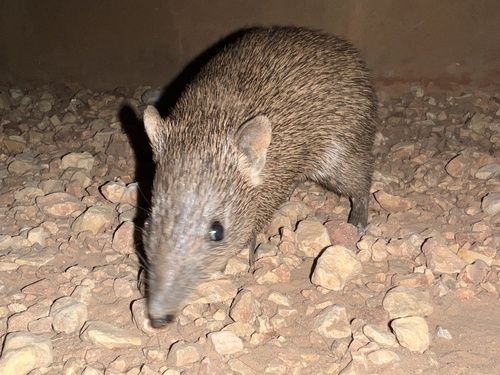
Golden bandicoot
species of mammal endemic to Australia
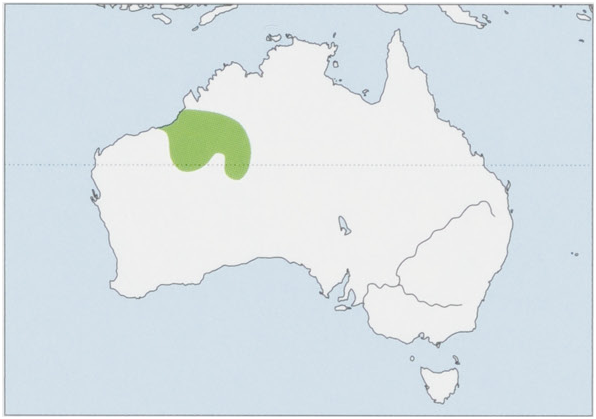
Notoryctes caurinus
species of mammal

Western barred bandicoot
species of mammal
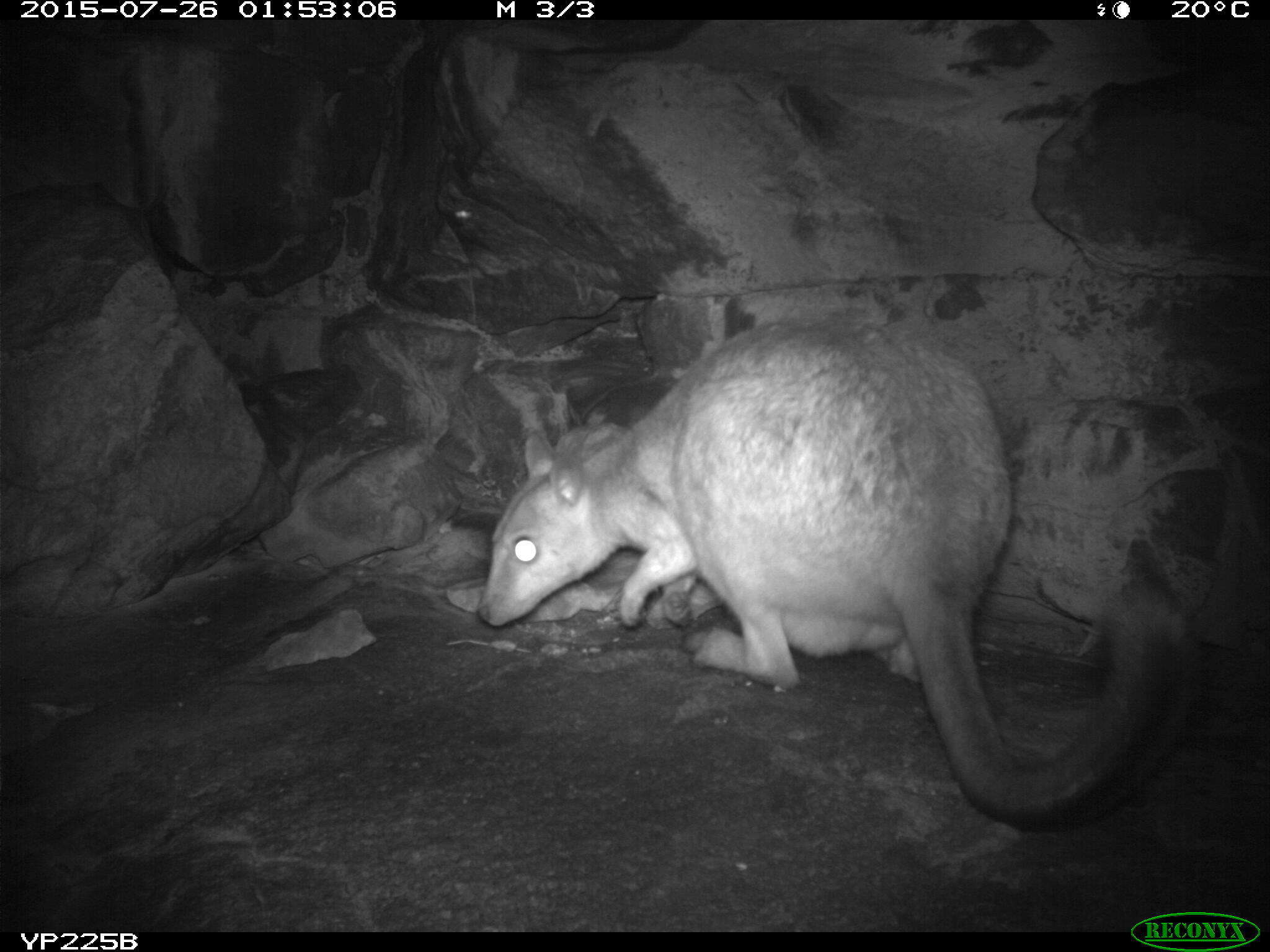
Short-eared rock-wallaby
species of mammal

Long-tongued Nectar Bat
species of mammal

Parantechinus apicalis
The dibbler (Parantechinus apicalis) is an endangered species of marsupial. It is an inhabitant of the southwest mainland of Western Australia and some offshore islands. It is a member of the order Dasyuromorphia, and the only member of the genus Parantechinus. The dibbler is a small, nocturnal carnivore with speckled fur that is white around the eyes.

Notoryctes
genus of mammals

Potorous gilbertii
species of mammal

Brush-tailed phascogale
species of mammal
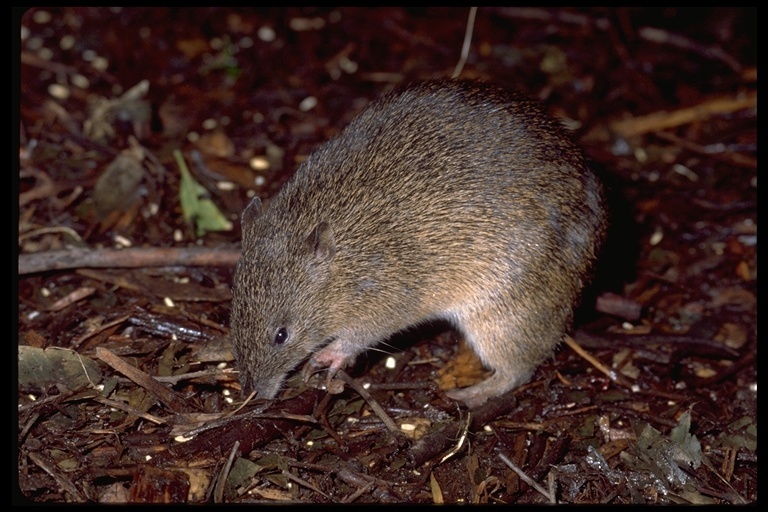
Southern brown bandicoot
species of mammal

Crest-tailed mulgara
species of mammal

Greater stick-nest rat
species of mammal

Red-tailed phascogale
species of mammal

Rothschild's rock-wallaby
species of mammal
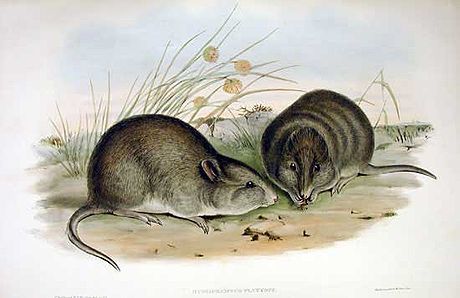
Potorous platyops
species of mammal
desert bandicoot
species of extinct mammal
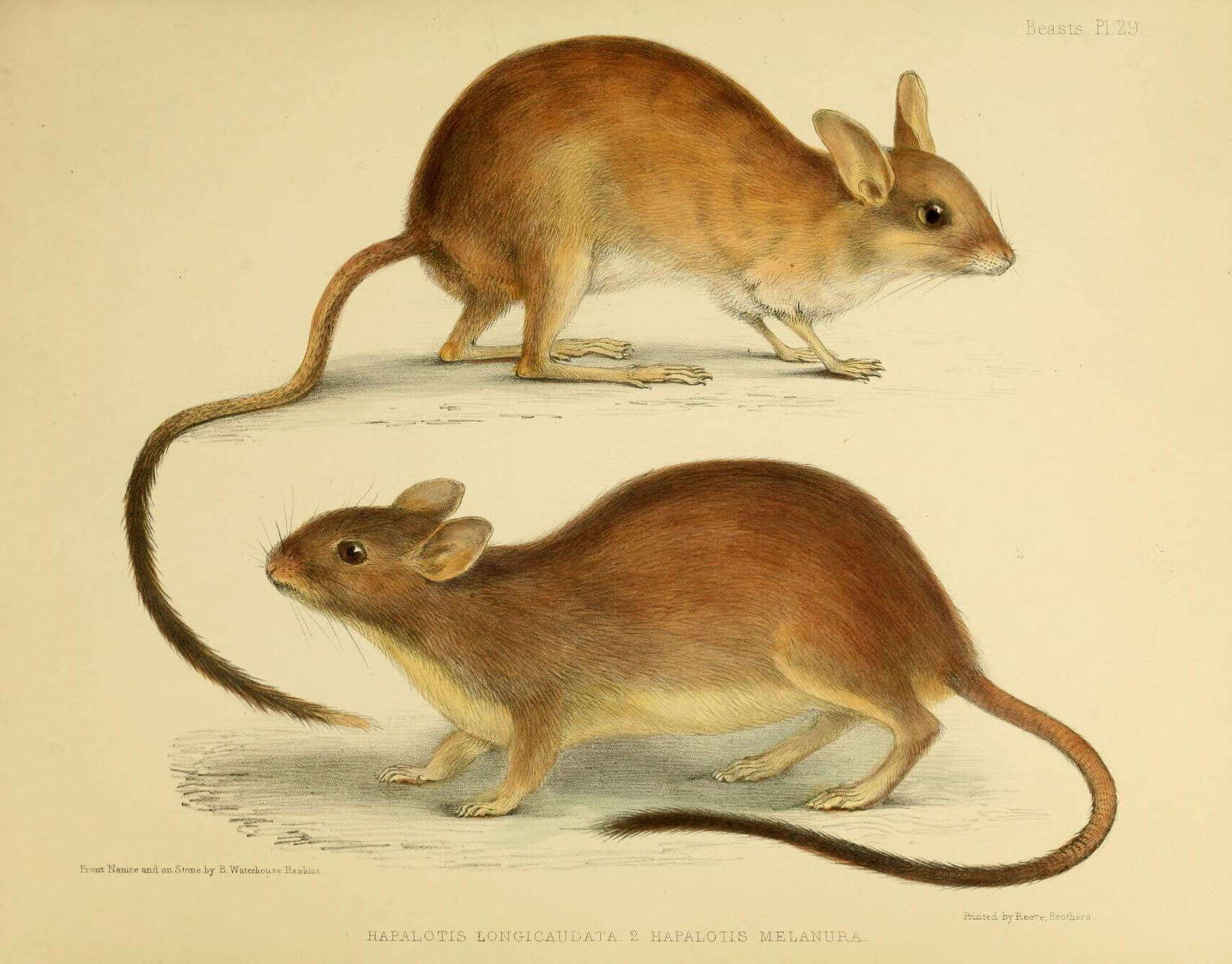
Brush-tailed rabbit rat
species of mammal
Monjon
The monjon (Petrogale burbidgei) is the smallest species of rock-wallaby (Petrogale) in the family Macropodidae, found in northwestern Australia. They are restricted to a small area of the Kimberley in the state of Western Australia, and on nearby islands within the Bonaparte Archipelago. Common names also include '''Burbidge's rock-wallaby and Burbidge's rock-weasel'''.
long-tailed hopping mouse
species of mammal

Northern brushtail possum
species of mammal
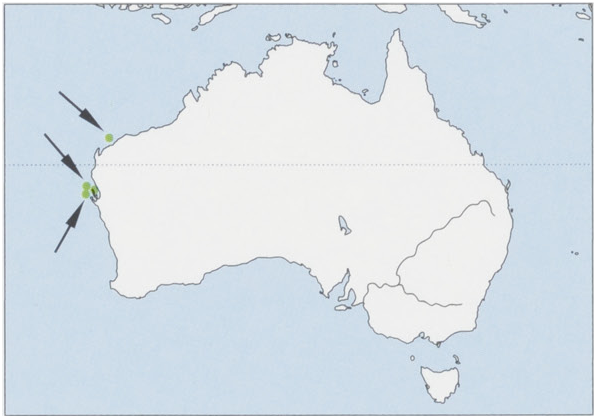
Bettongia lesueur
The boodie (Bettongia lesueur), also known as the burrowing bettong or '''Lesueur's rat-kangaroo''', is a small, furry, rat-like mammal native to Australia. Once common throughout the continent, it is now restricted to a few coastal islands. A member of the rat-kangaroo family (Potoroidae), it lives in burrows and is active at night when it forages for fungi, roots, and other plant matter. It is about the size of a rabbit and, like most marsupials, carries its young in a pouch.

Little Red Kaluta
species of mammal endemic to Western Australia

Yellow-footed antechinus
species of marsupial

Stripe-faced Dunnart
species of mammal