Category
page 1Plants used in traditional Native American medicine
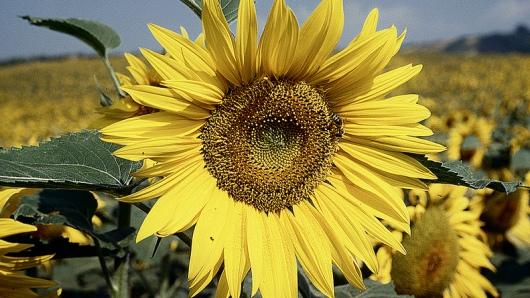
common sunflower
species of flowering plant in the family of Asteraceae
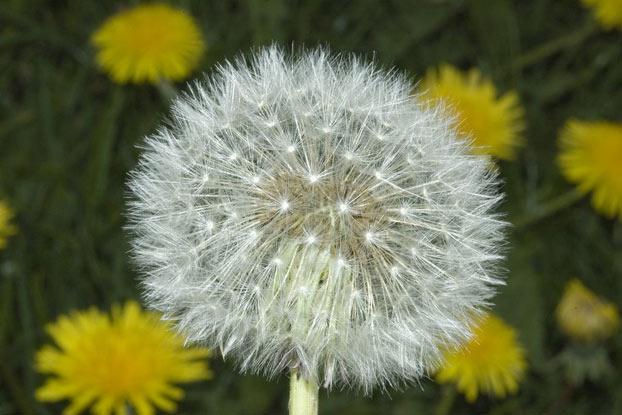
Taraxacum
thumb|Dandelion bilobed stigma bearing pollen
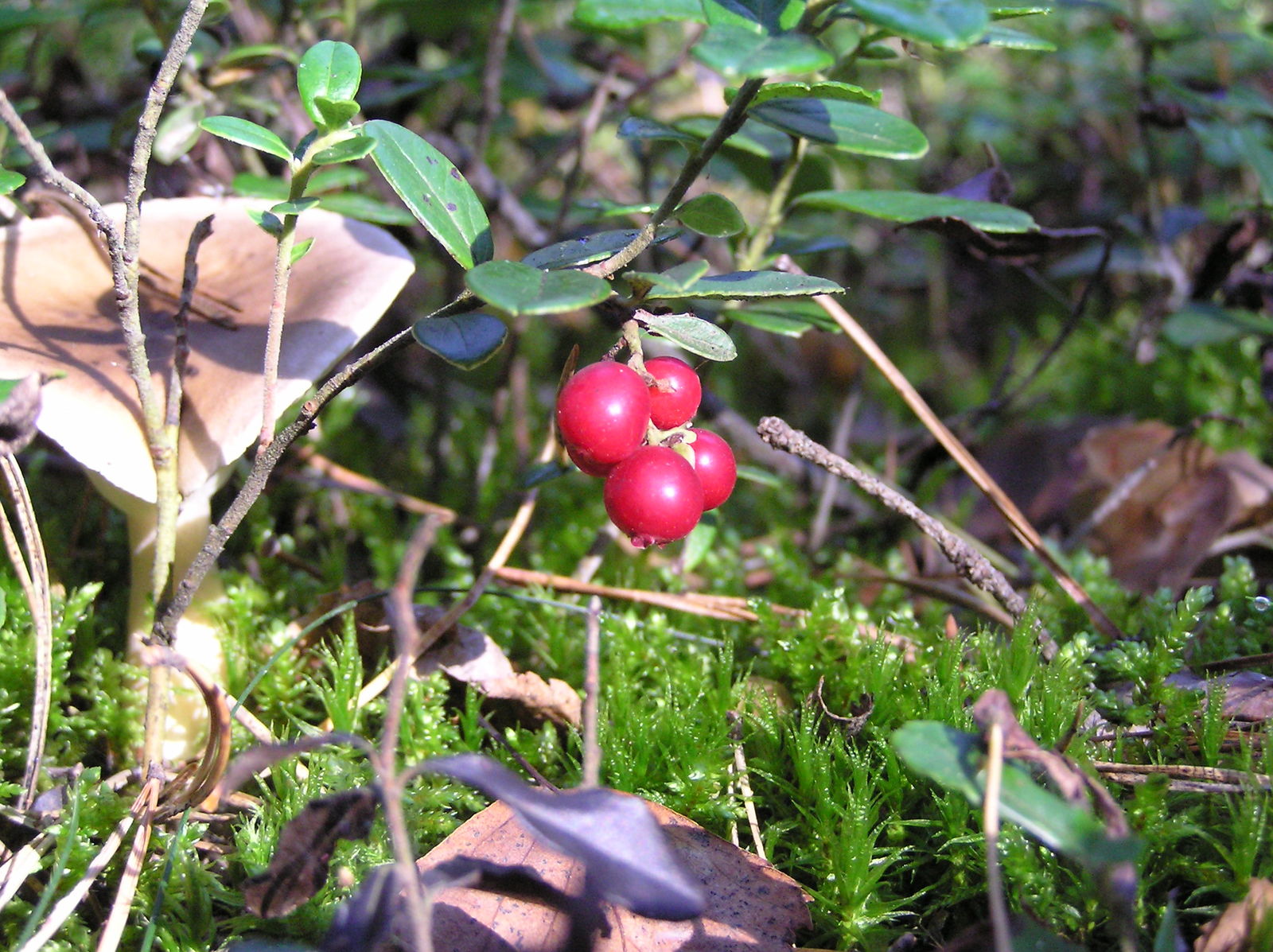
Vaccinium vitis-idaea
species of plant
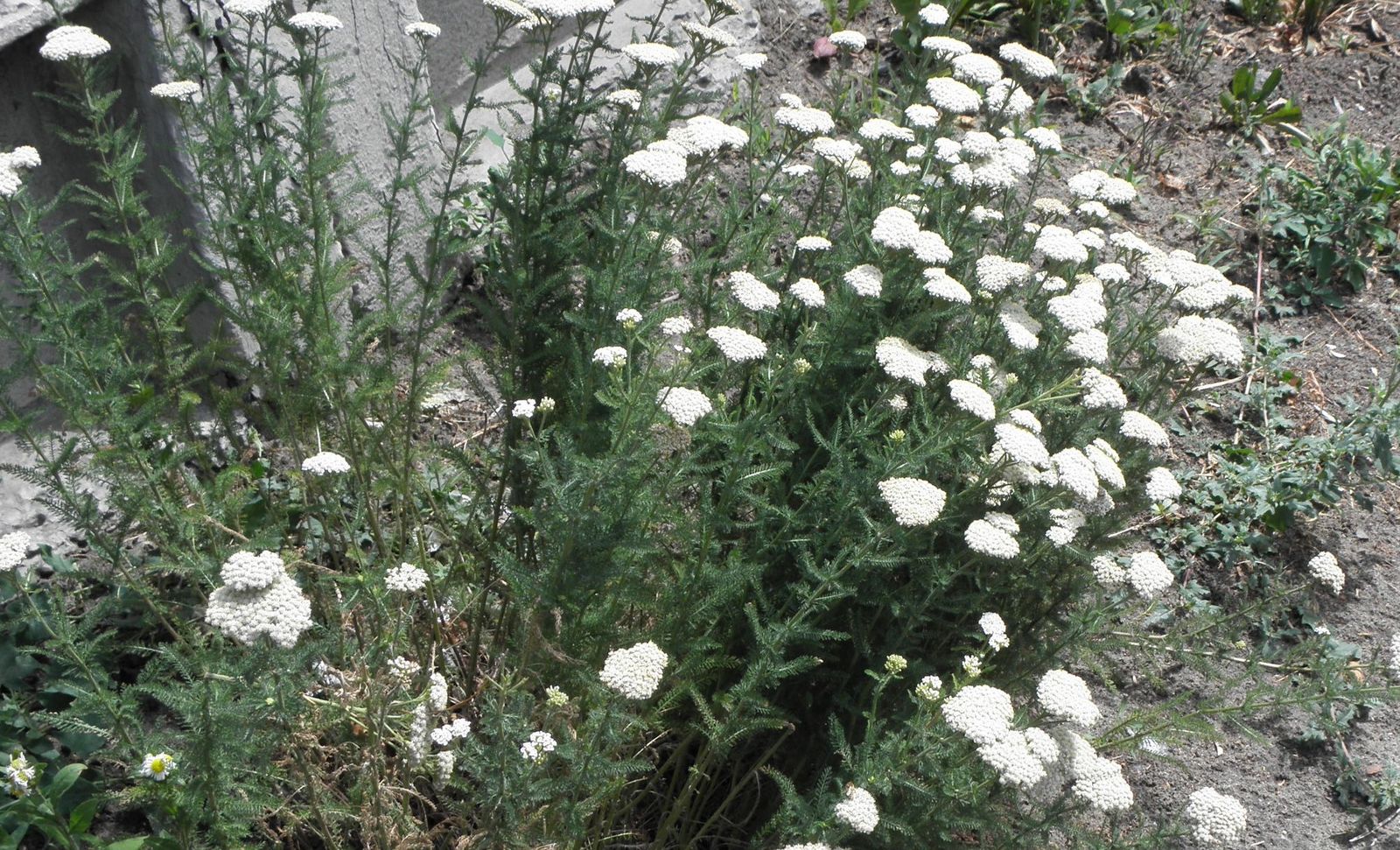
Achillea millefolium
species of plant
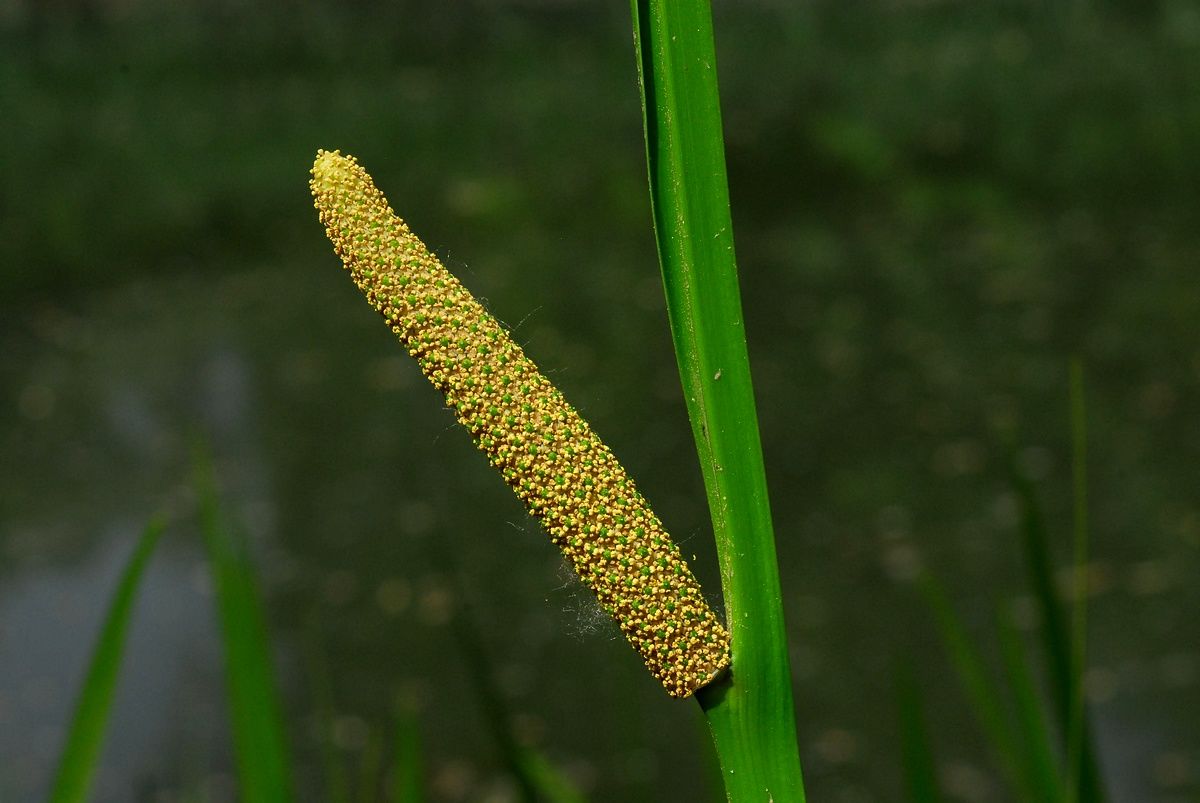
Acorus calamus
species of plant
_fullsize.jpg)
Sambucus
Sambucus is a genus of between 20 and 30 species of flowering plants in the family Adoxaceae. The various species are commonly referred to as elder, with the flowers as elderflower, and the fruit as elderberry.

Agave
Agave (; ; ) is a genus of monocots native to the arid regions of the Americas. The genus is primarily known for its succulent and xerophytic species that typically form large rosettes of strong, fleshy leaves.

Juniperus communis
species of plant
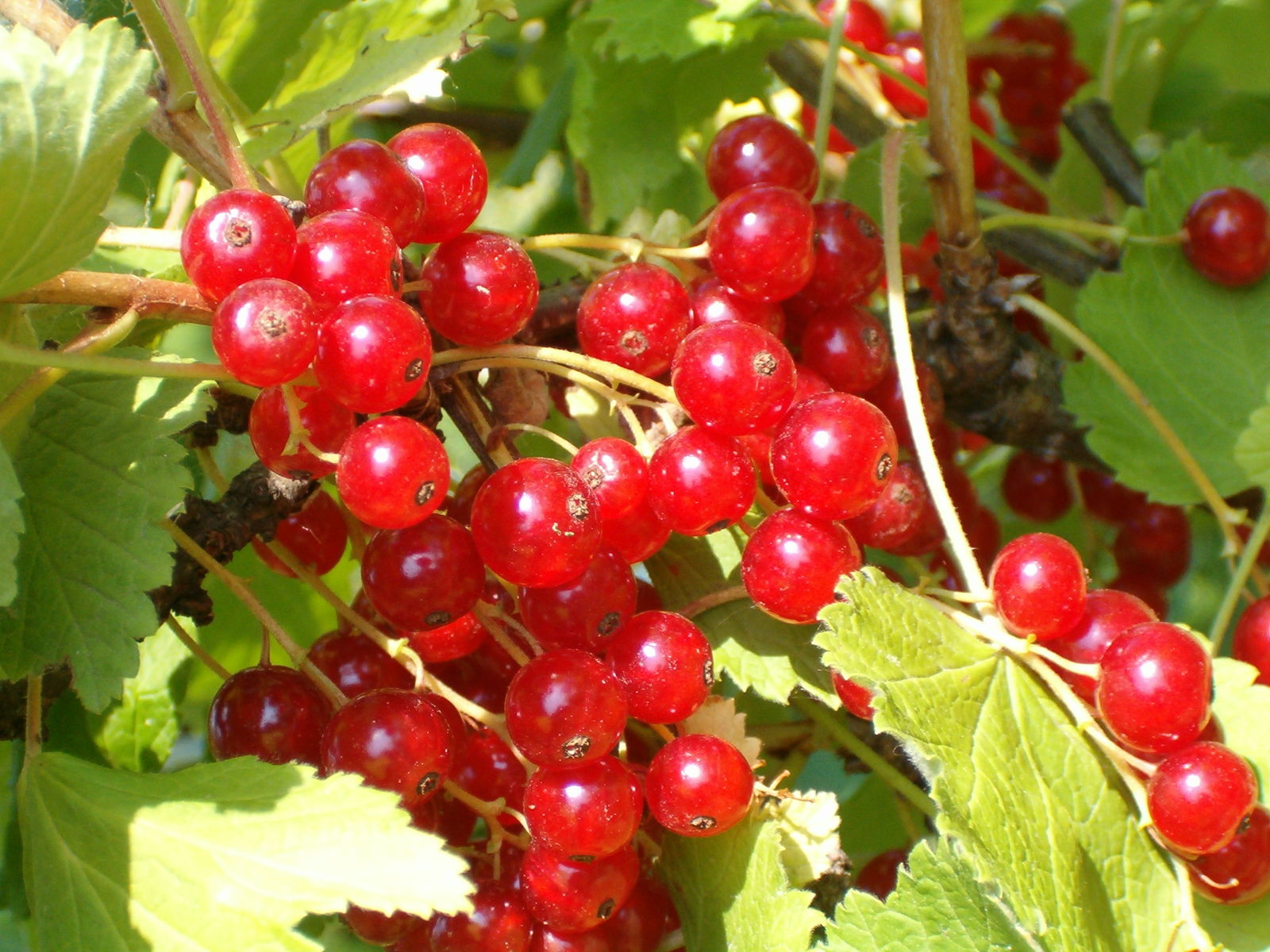
Ribes
Ribes () is a genus of approximately 200 known species of flowering plants, predominantly native to the temperate regions of the Northern Hemisphere. Ribes is the sole genus in the plant family Grossulariaceae. The genus includes species commonly referred to as redcurrants, blackcurrants, whitecurrants, and gooseberries. Several species are cultivated both for their edible fruit and as ornamental plants in horticulture. Ribes are the main alternate host for white pine blister rust, a fungal pathogen impacting five-needle pines.
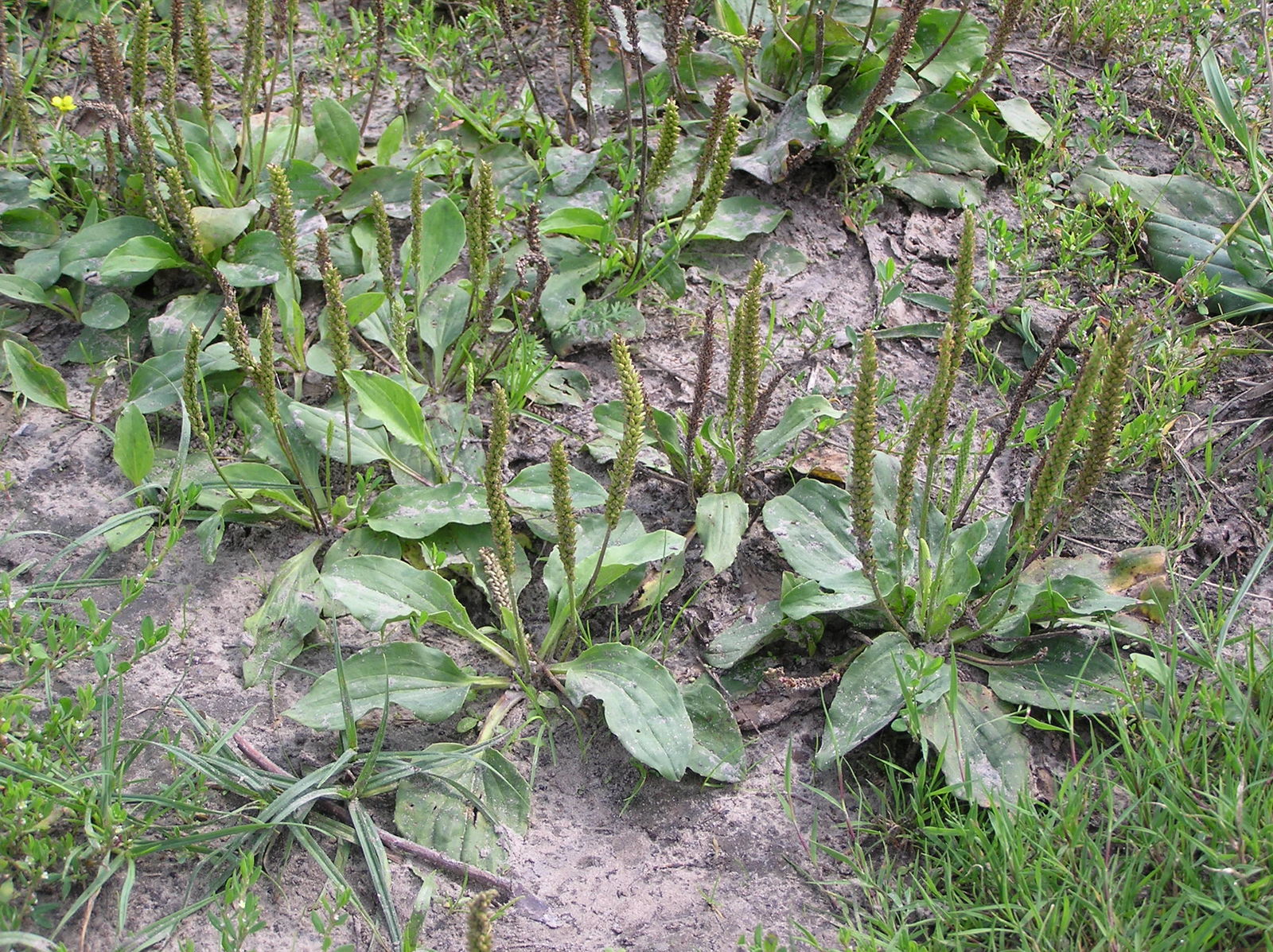
Plantago major
species of plant
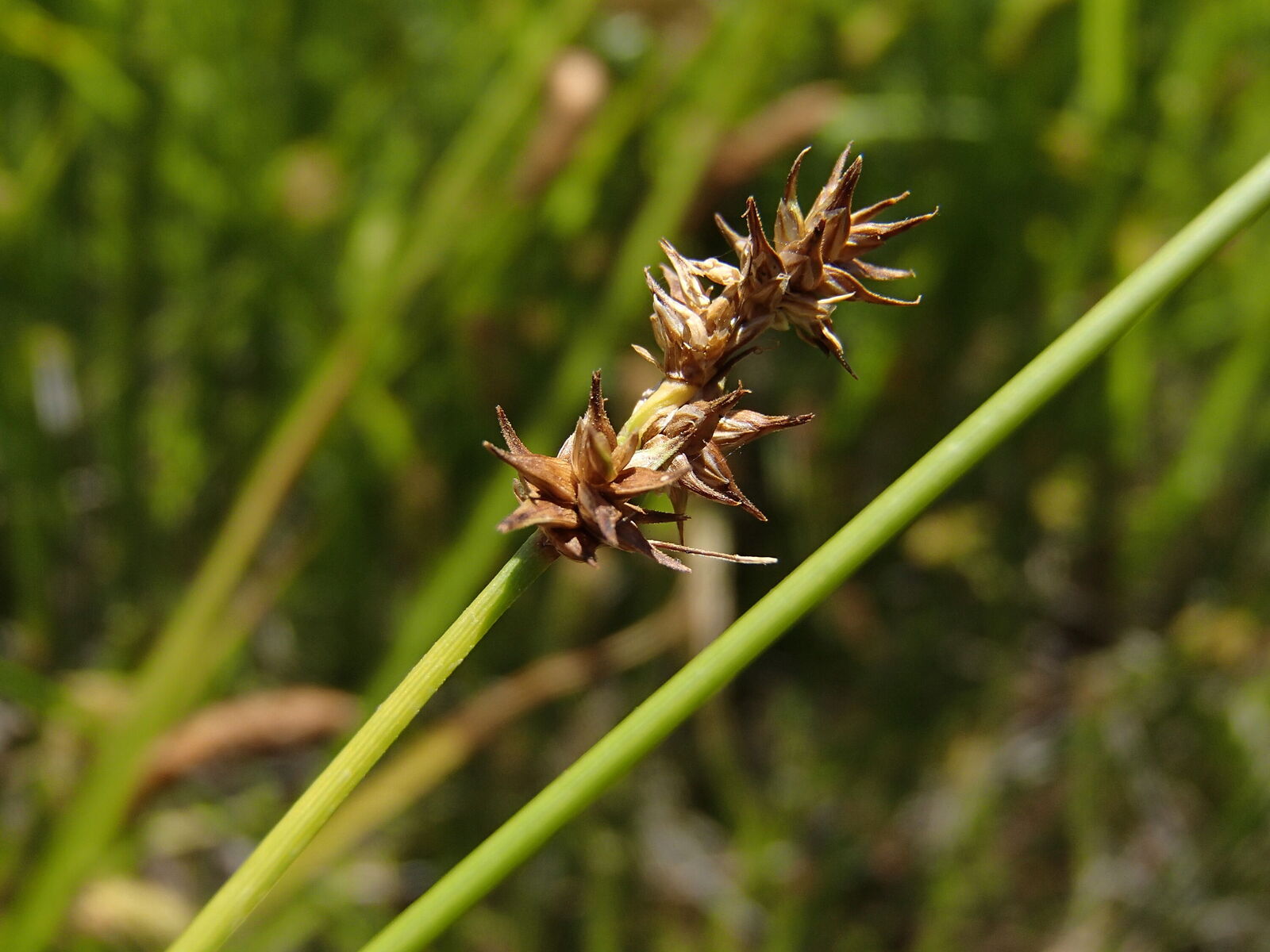
Carex
Carex is a vast genus of over 2,000 species of grass-like plants in the family Cyperaceae, commonly known as sedges (or seg, in older books). Other members of the family Cyperaceae are also called sedges; however, those of genus Carex may be called true sedges. Carex is the most species-rich genus in the family. The study of Carex is known as caricology.

Nicotiana tabacum
species of plant

Cucurbita pepo
species of plant

Trifolium repens
species of plant
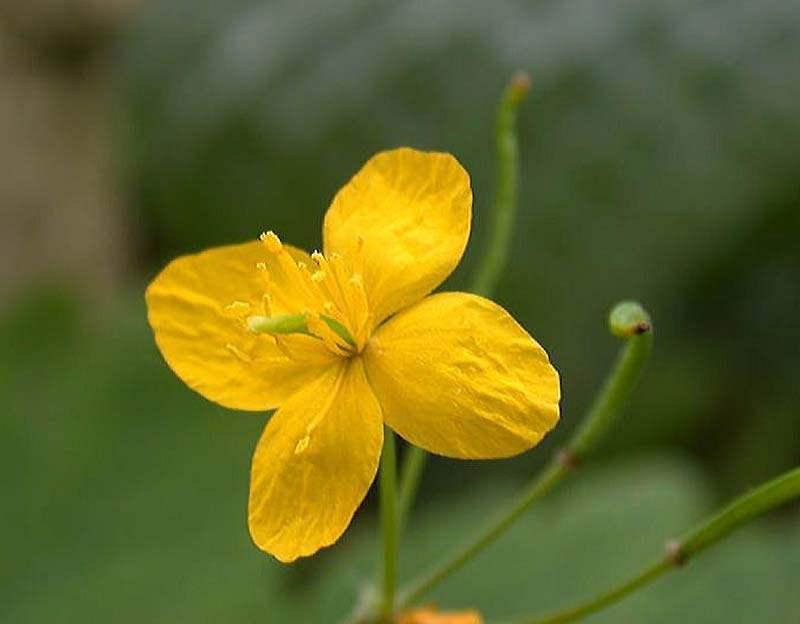
Chelidonium majus
species of plant in the poppy family
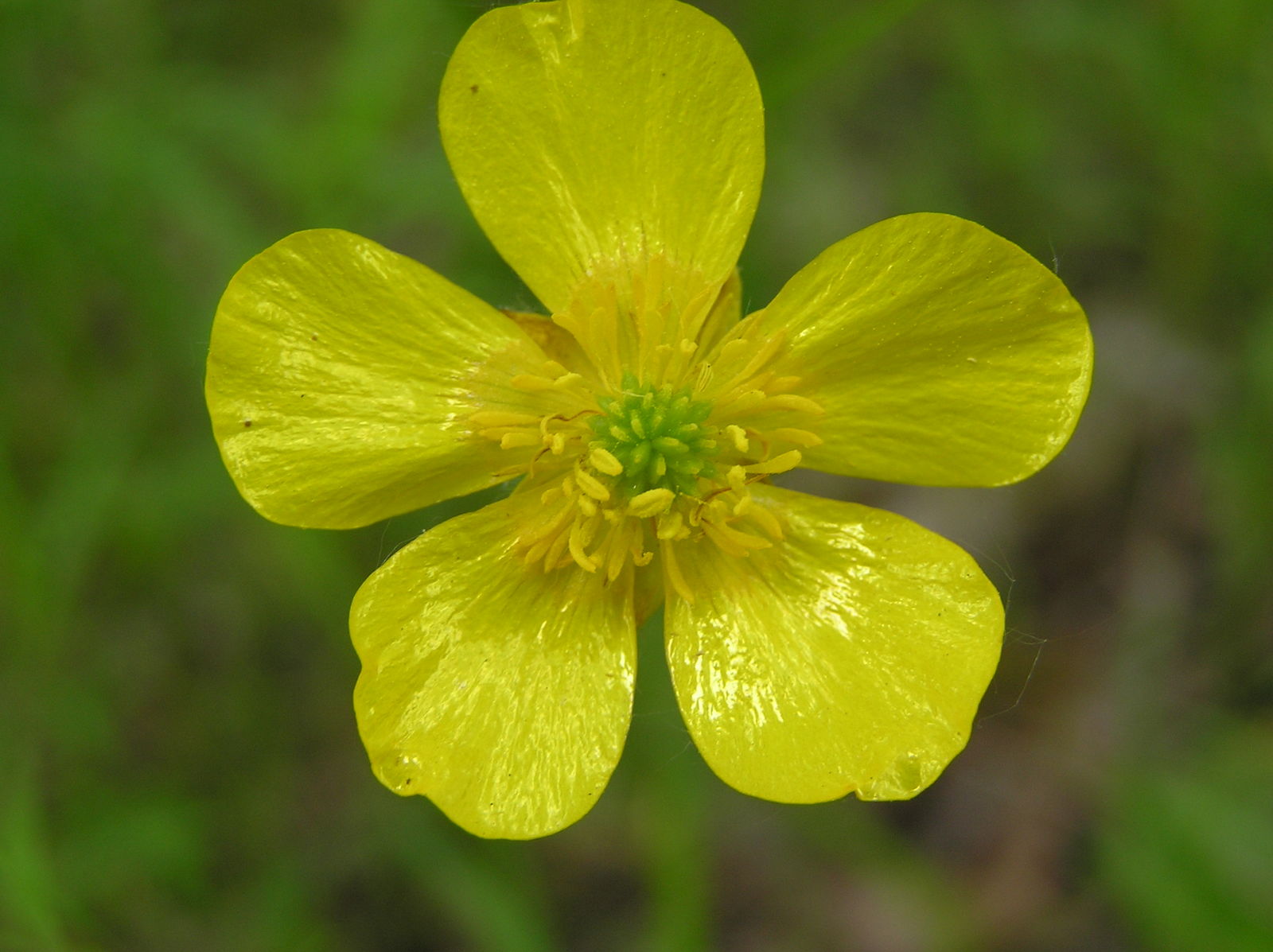
Ranunculus acris
species of plant

Chamaenerion angustifolium
species of plant
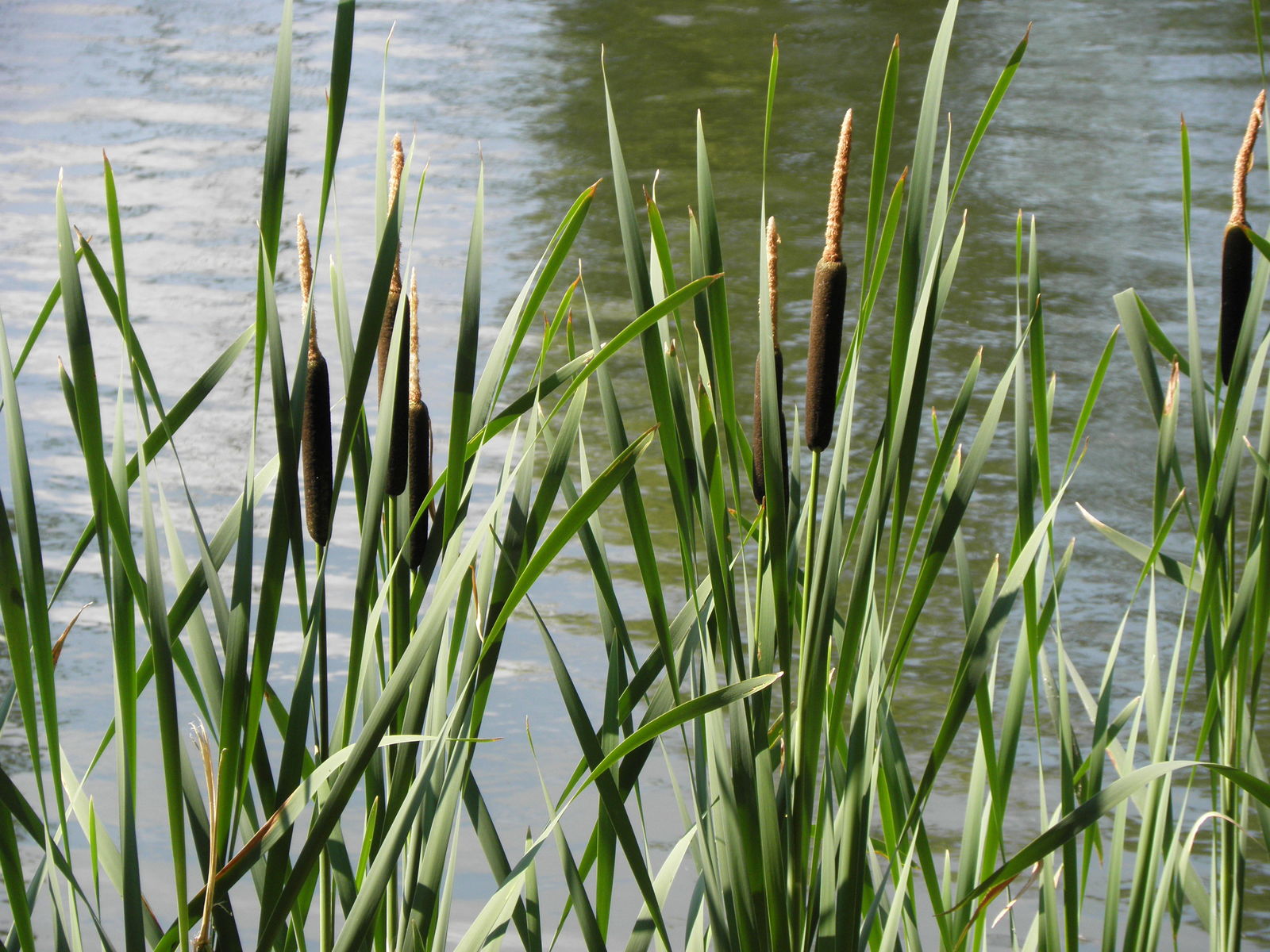
Typha latifolia
species of plant
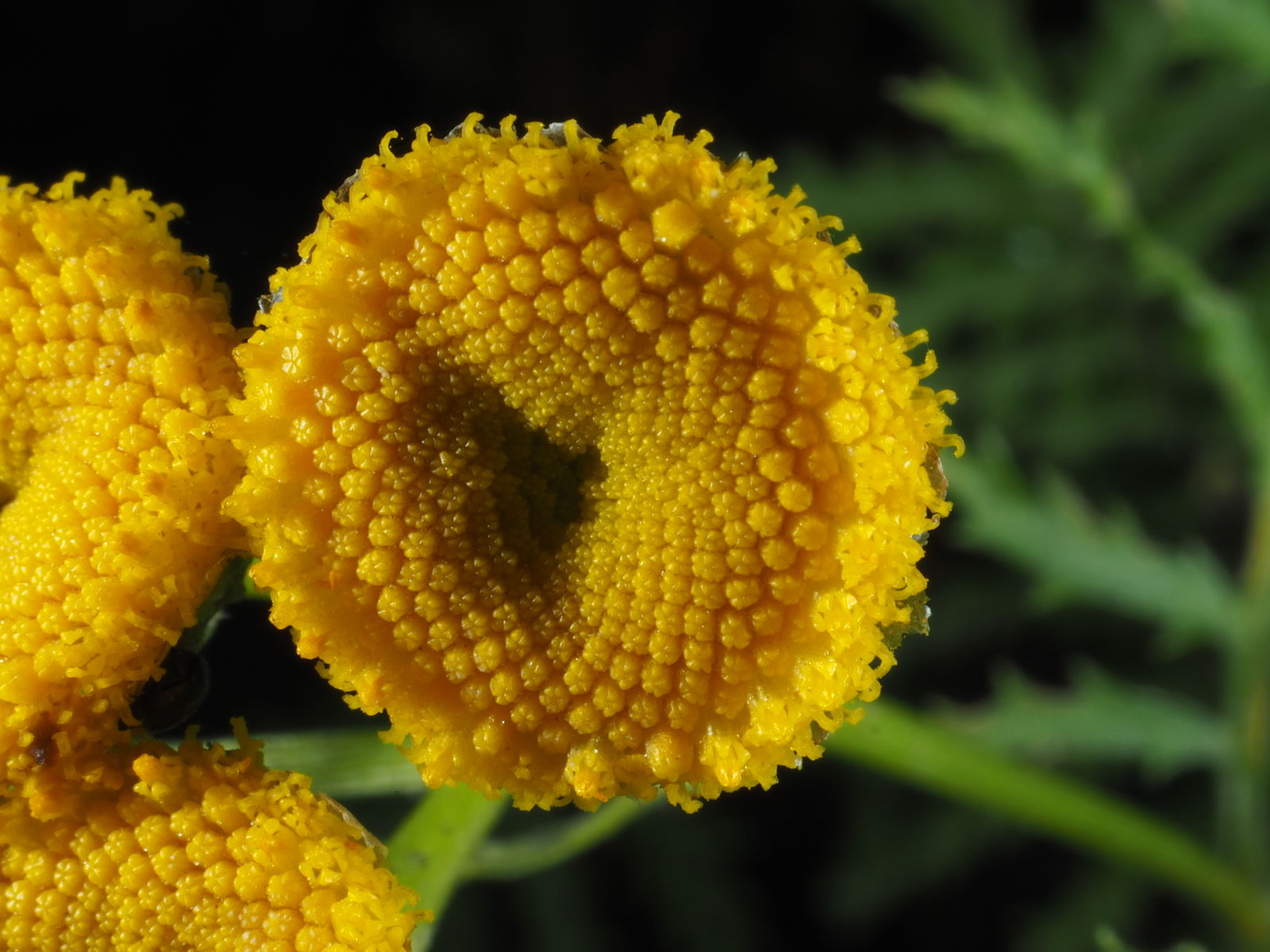
Tanacetum vulgare
thumb|240px|Illustration of a tansy
Tansy (Tanacetum vulgare) is a perennial, herbaceous flowering plant in the genus Tanacetum in the aster family, native to temperate Europe and Asia. It has been introduced to other parts of the world, including North America, and in some areas has become invasive. It is also known as common tansy, bitter buttons, cow bitter, or golden buttons. The Latin word vulgare means "common".
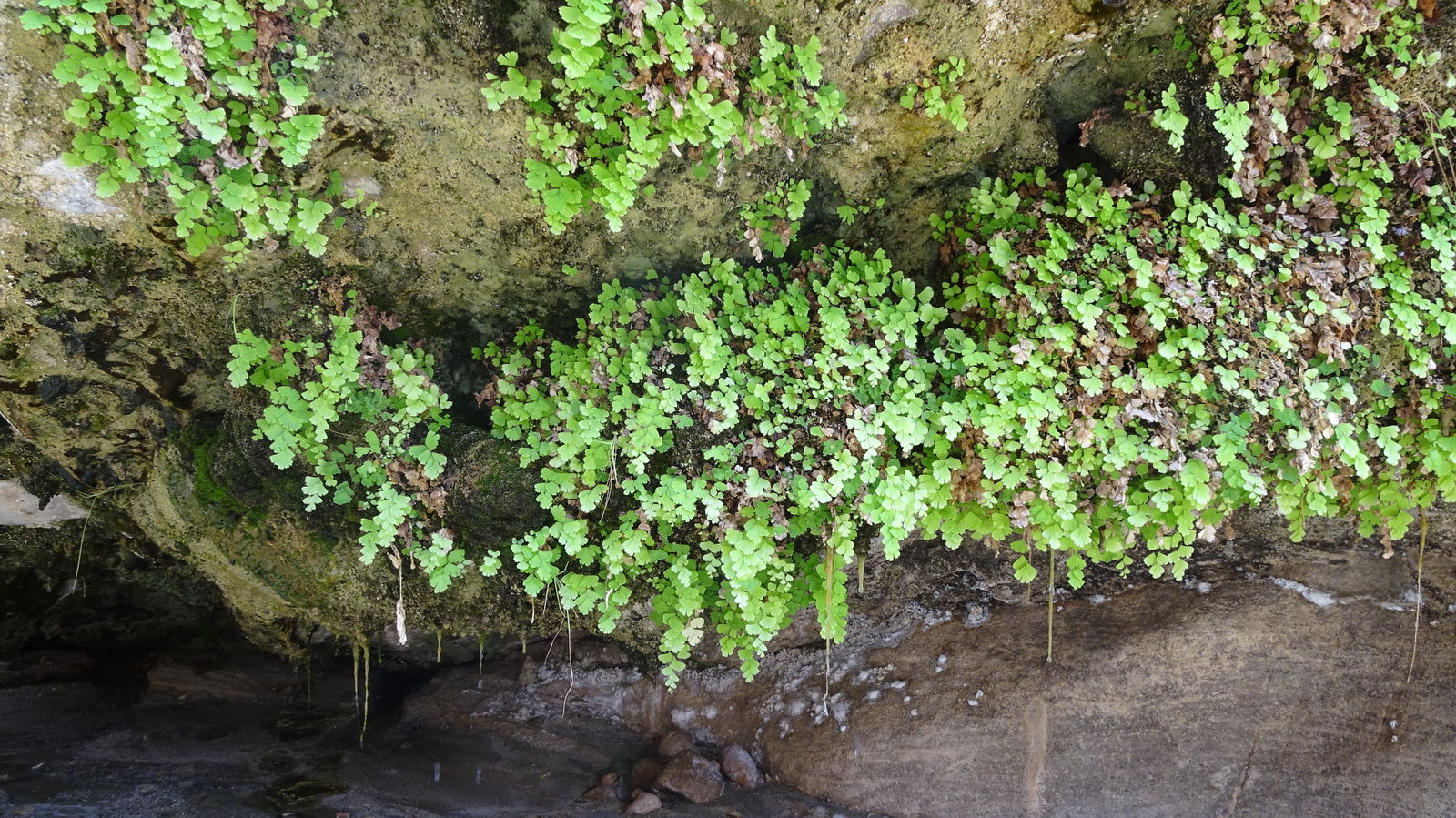
Adiantum capillus-veneris
species of plant

Verbascum thapsus
species of the plant genus Verbascum
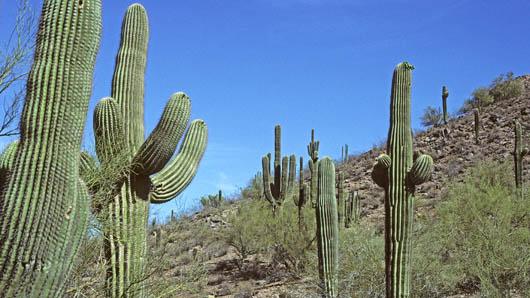
Carnegiea gigantea
alt=Example Of Old Growth Saguaro Cactus|thumb|Old growth saguaro
The saguaro ( , ; Carnegiea gigantea) is a tree-like cactus species in the monotypic genus Carnegiea that can grow to be over tall. It is native to the Sonoran Desert in Arizona, the Mexican state of Sonora, and the Whipple Mountains and Imperial County areas of California. Saguaro typically grow at elevations ranging from sea level to 4,500', although they may be found at up to 5,000'. The saguaro blossom is the state wildflower of Arizona. Its scientific name is given in honor of Andrew Carnegie. In 1933, Saguaro National Park
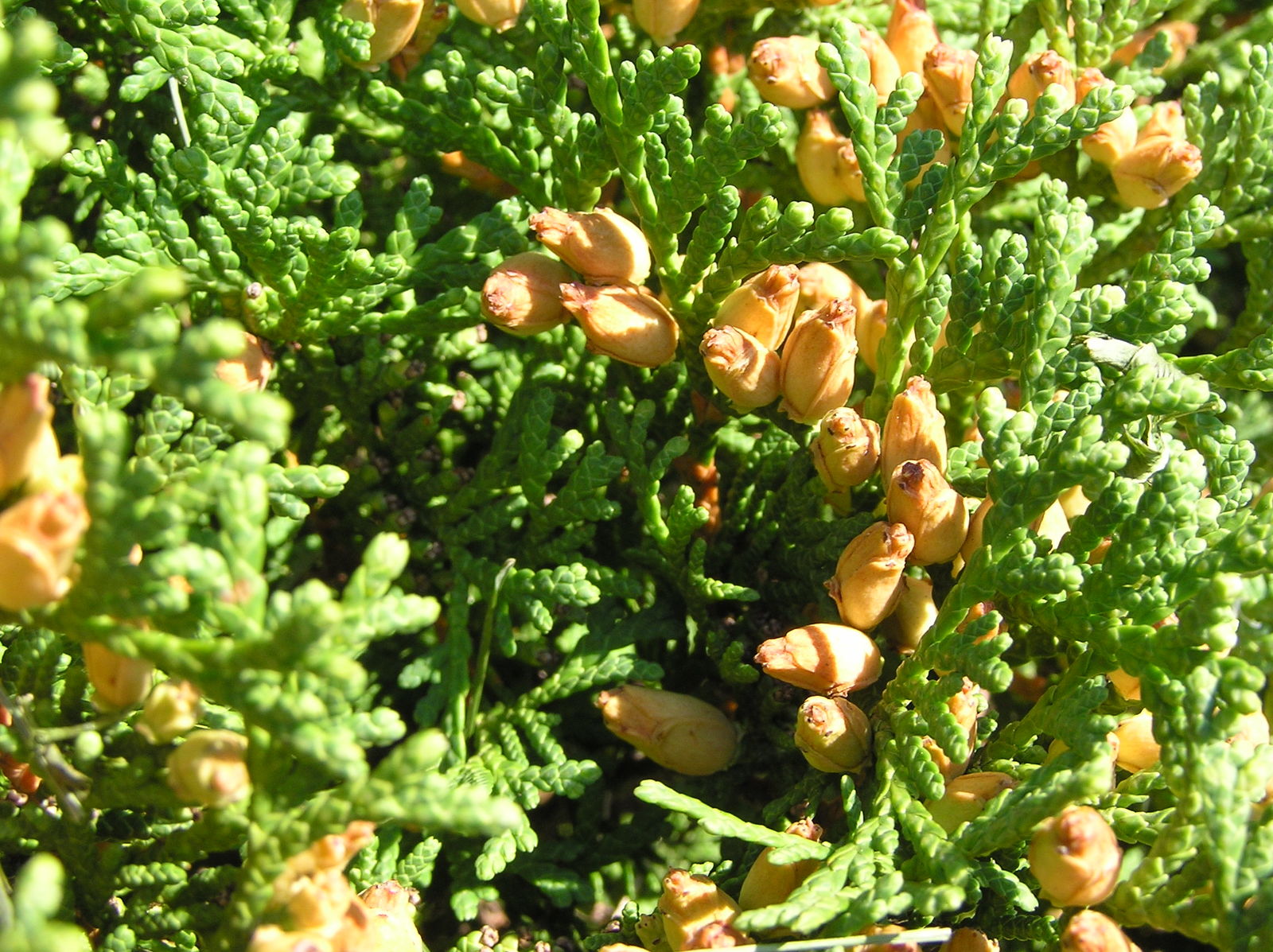
Thuja occidentalis
species of plant
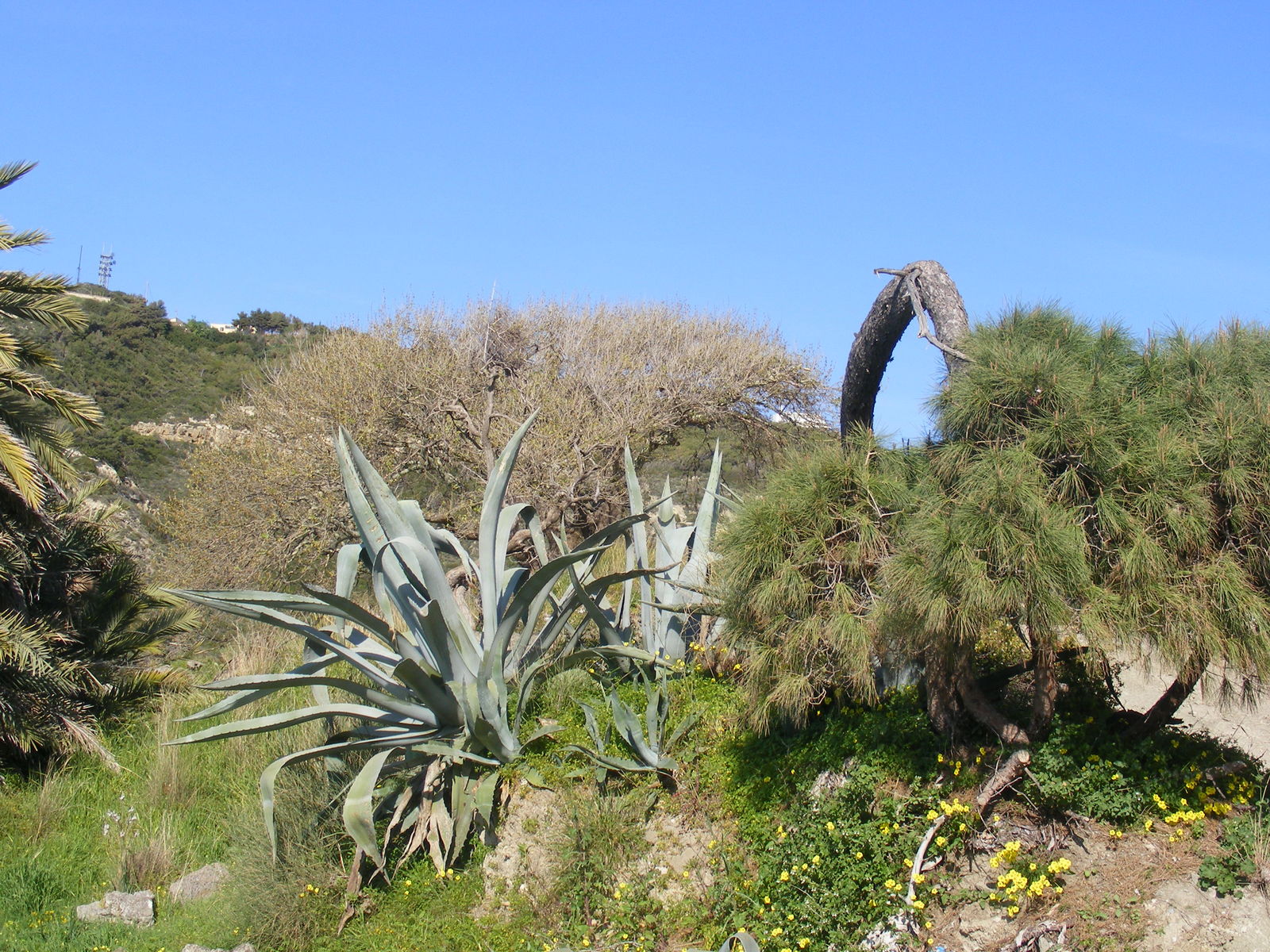
Agave americana
species of plant
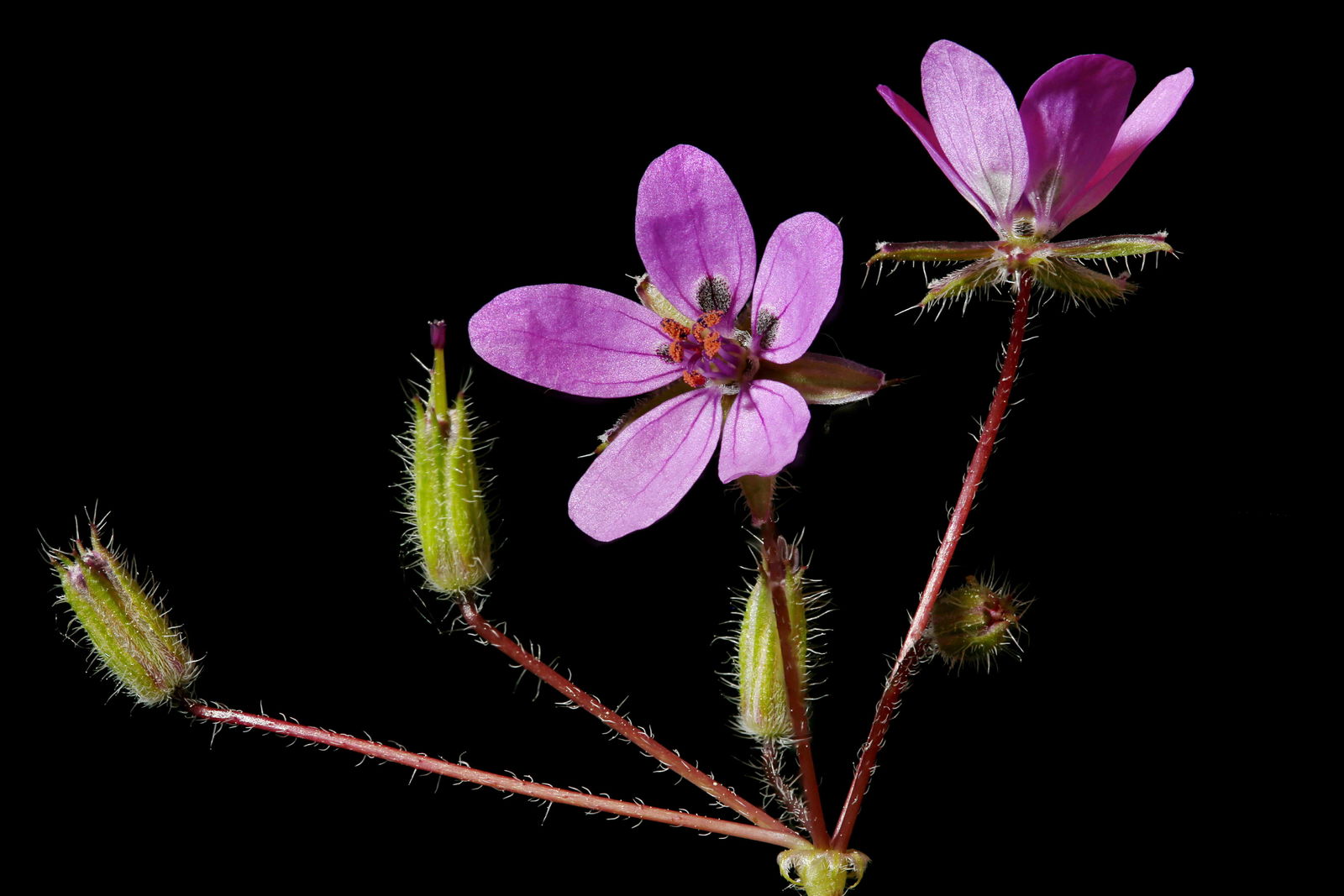
Erodium cicutarium
species of plant

Acer negundo
species of tree
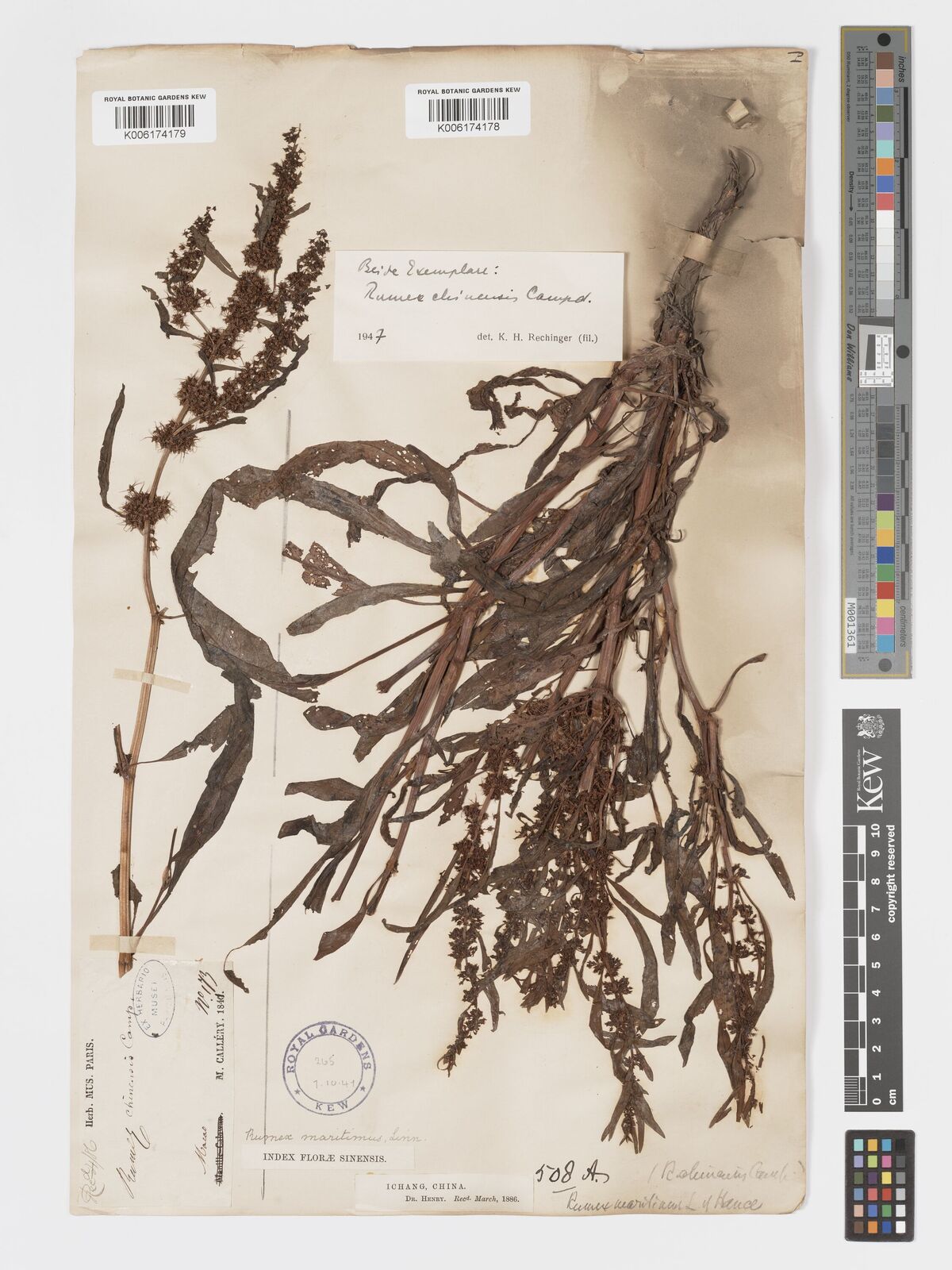
Rumex crispus
species of perennial flowering plant in the family Polygonaceae

Q214733
species of plant
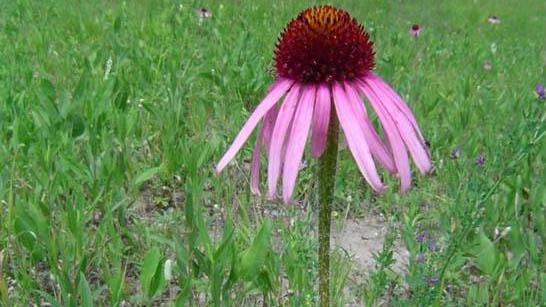
Echinacea
Echinacea is a genus of herbaceous flowering plants in the daisy family. It has ten species, which are commonly called coneflowers. They are native only in eastern and central North America, where they grow in wet to dry prairies and open wooded areas. They have large, showy heads of composite flowers, blooming in summer. The generic name is derived from the Greek word (''), meaning "hedgehog", due to the spiny central disk. These flowering plants and their parts have different uses. Some species are cultivated in gardens for their showy flowers. Two of the species, E. tennesseensis and E
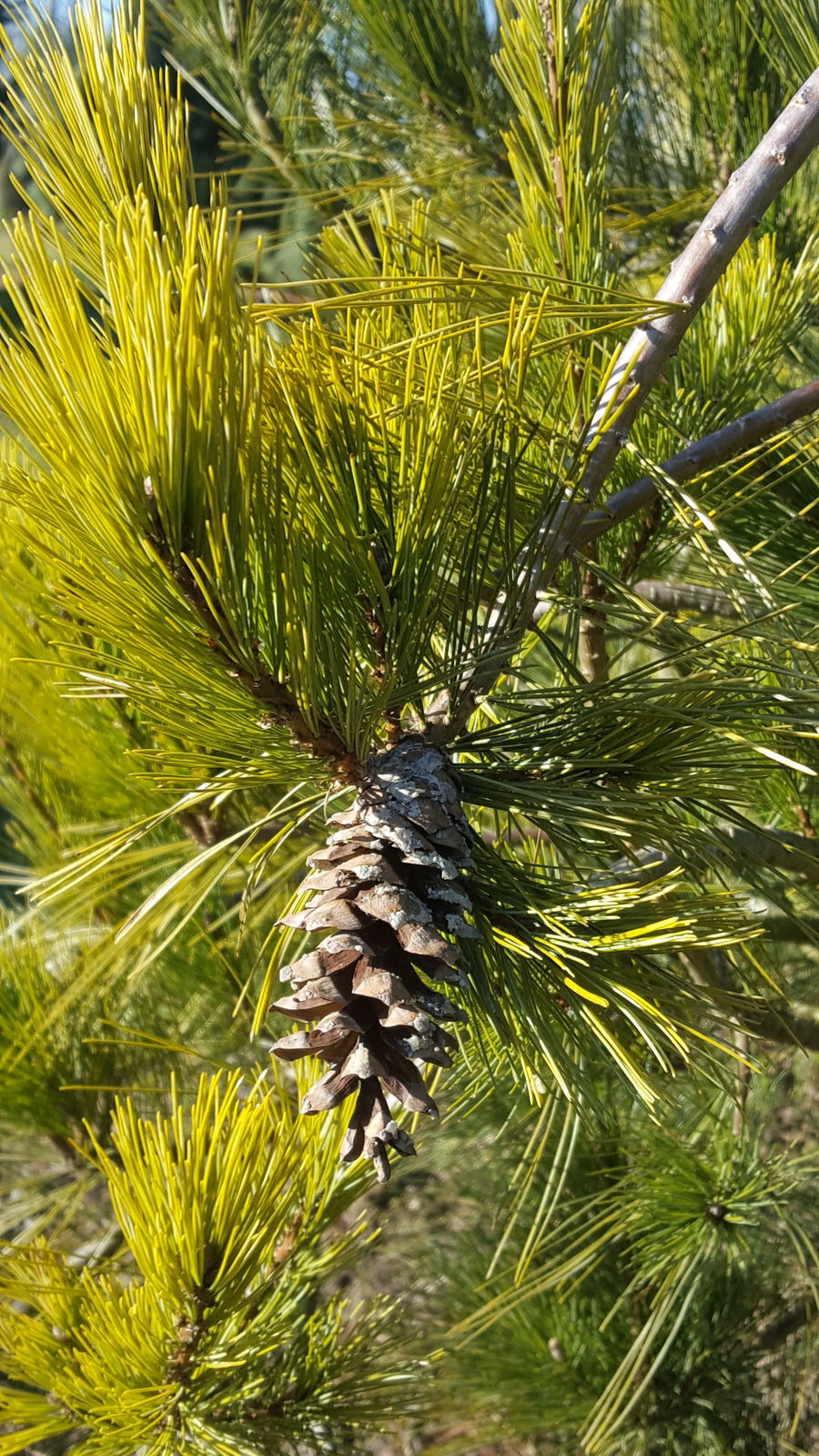
Pinus strobus
species of plant
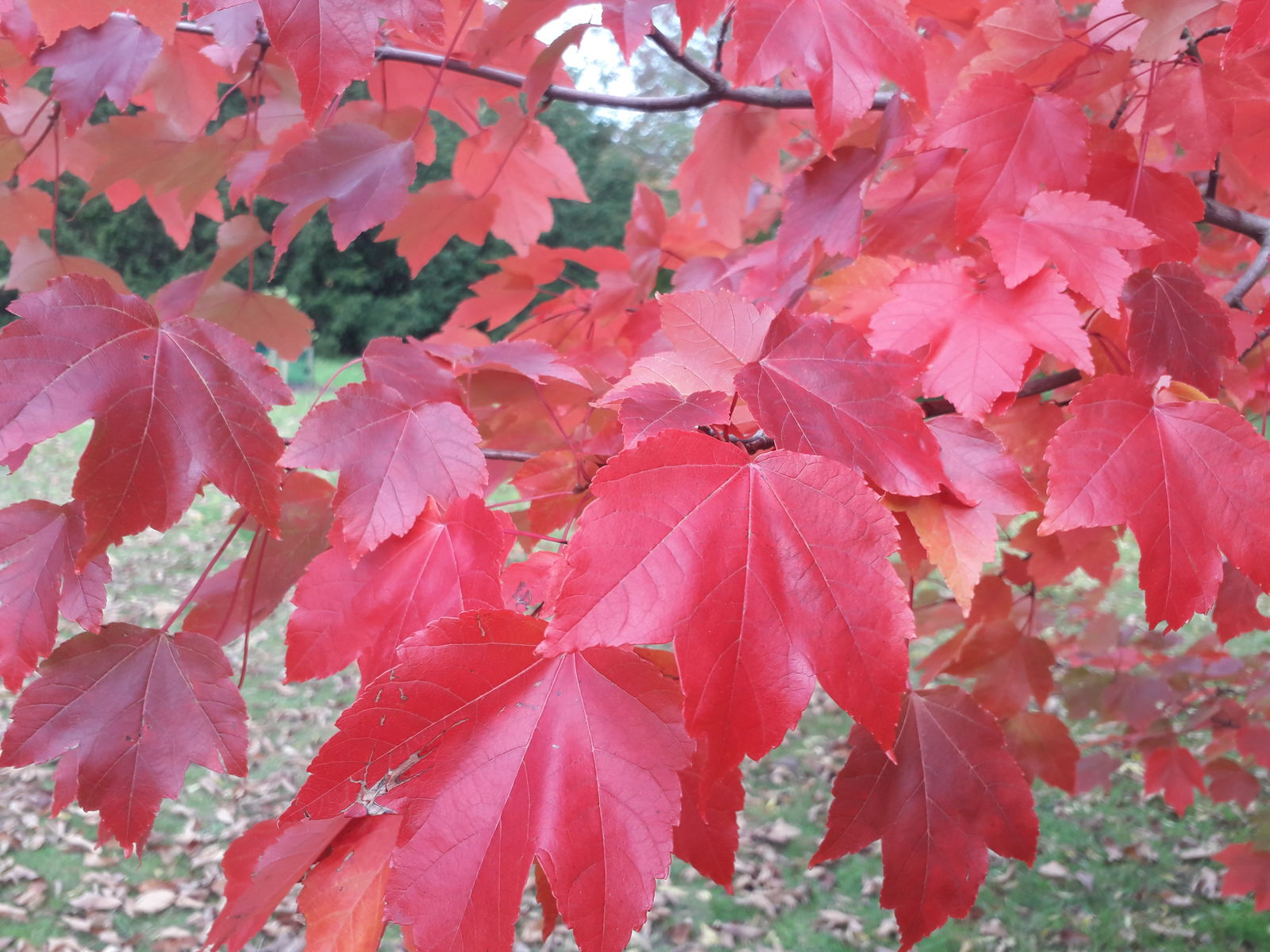
Acer rubrum
species of deciduous tree
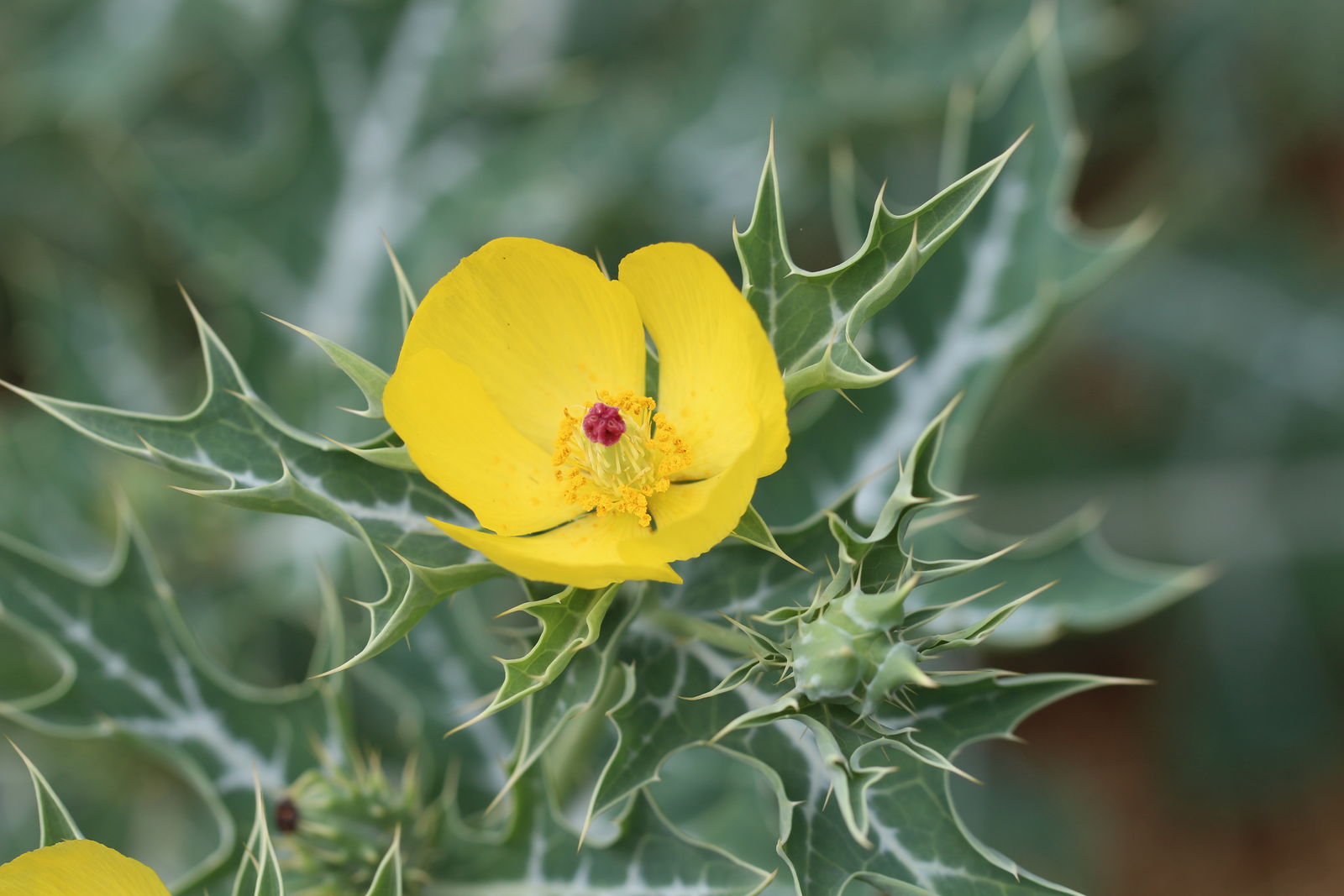
Argemone mexicana
species of plant
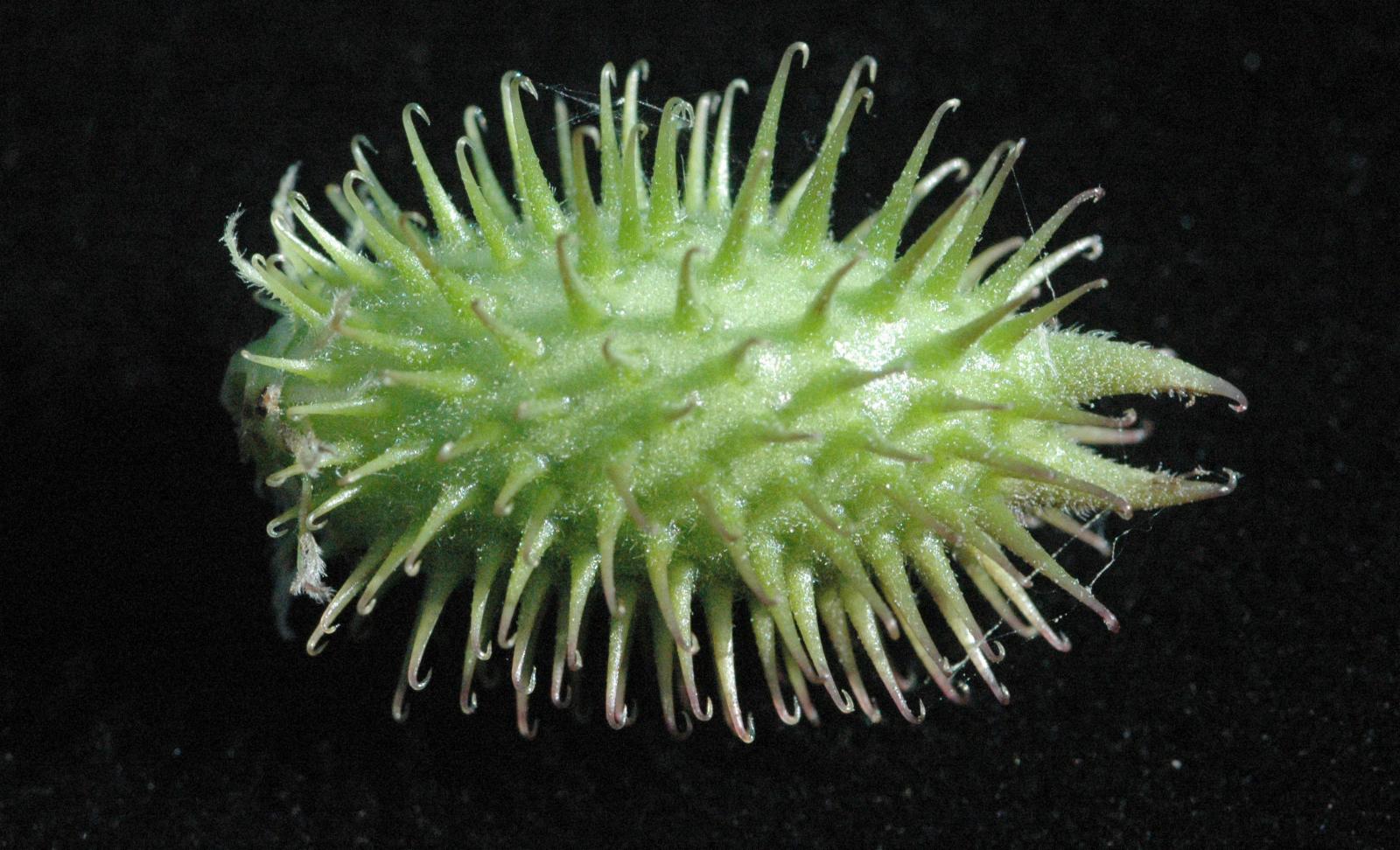
Xanthium strumarium
species of plant
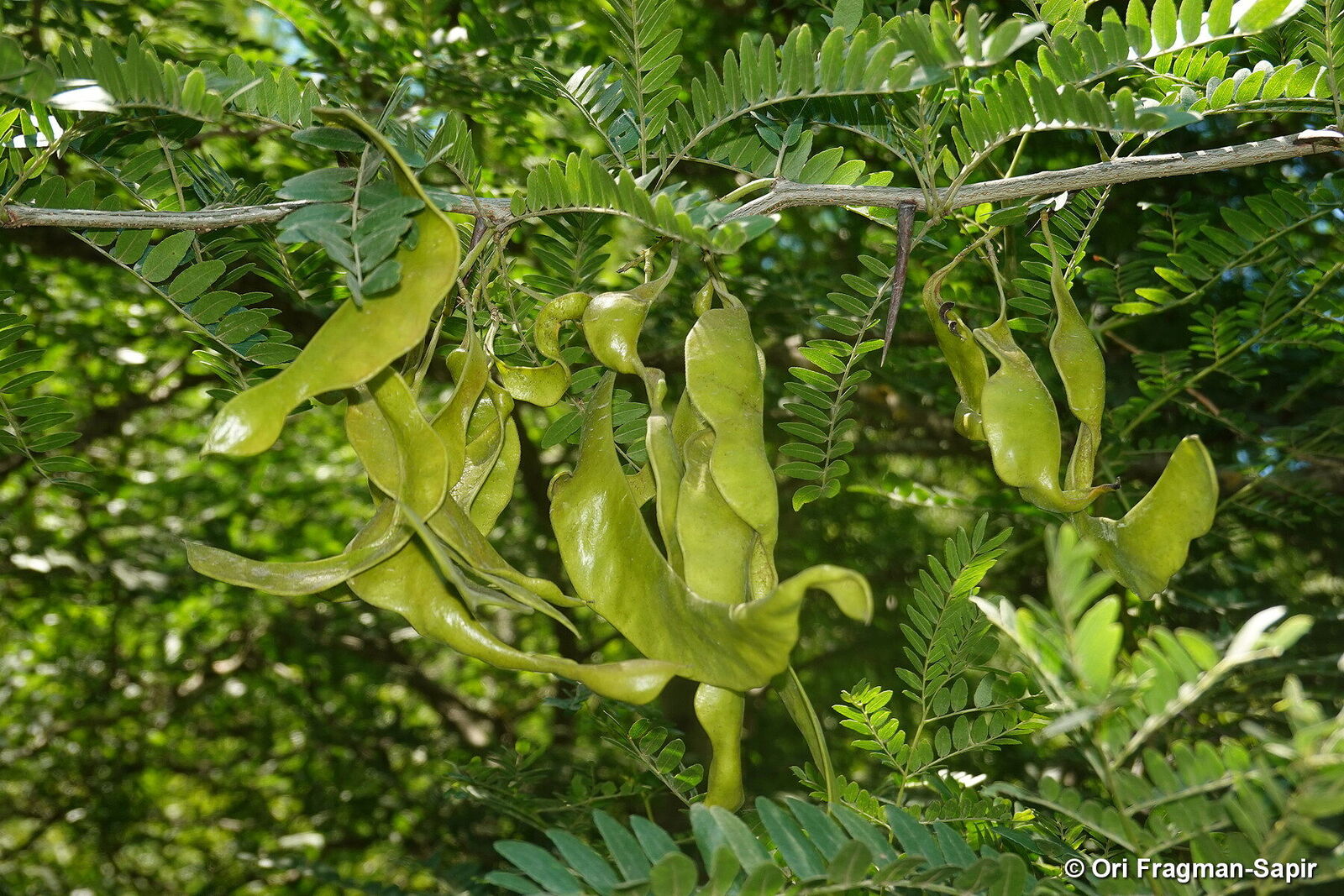
Gleditsia triacanthos
species of tree
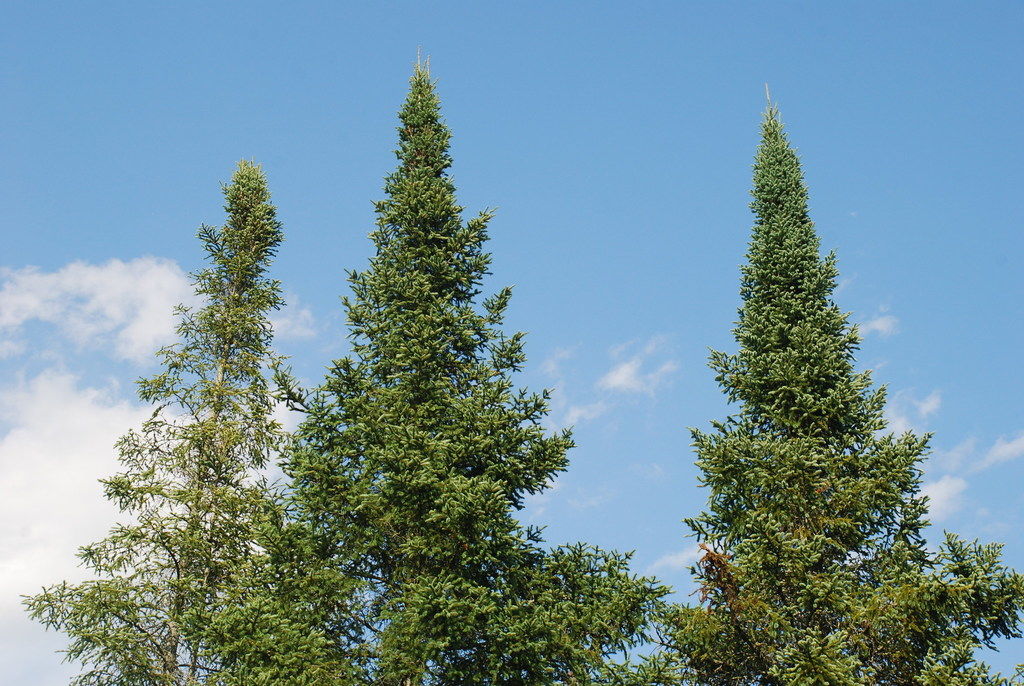
Abies balsamea
Species of conifer tree
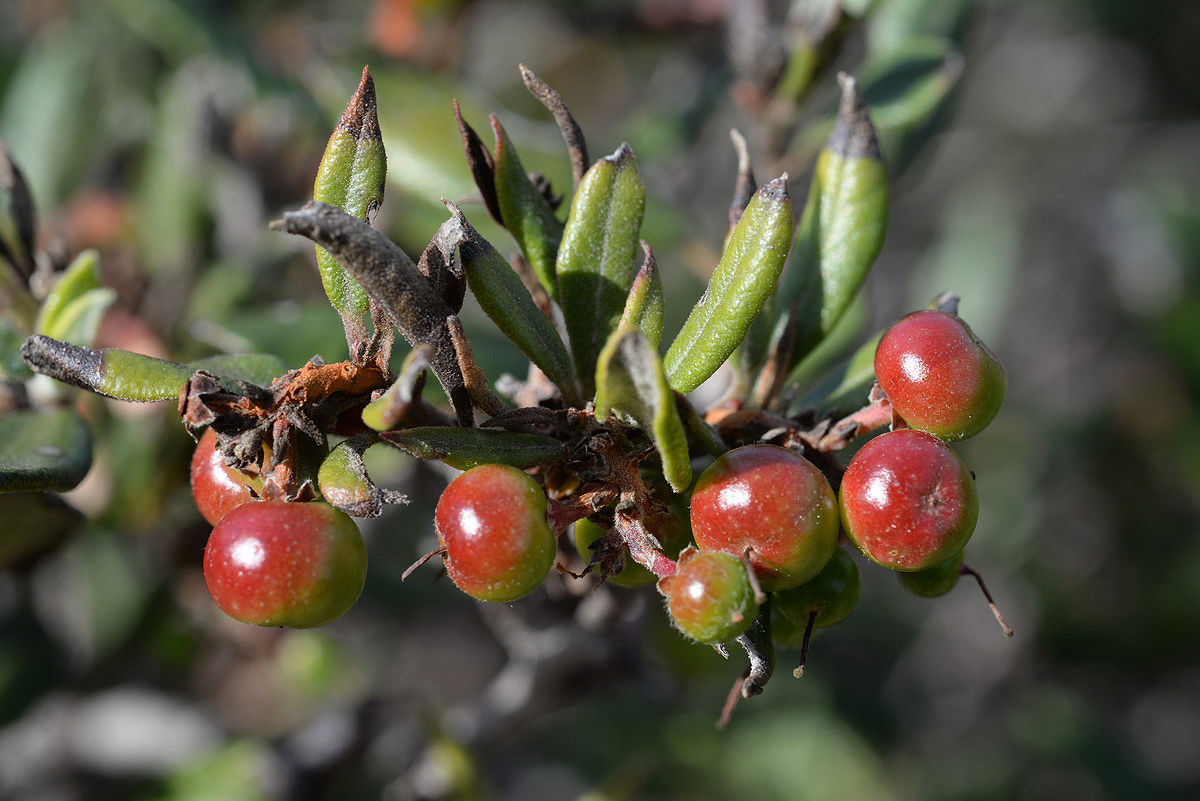
Arctostaphylos
Arctostaphylos (/ˌɑːrktoʊˈstæfɪləs, -lɒs/; from ἄρκτος árktos "bear" and σταφυλή staphulḗ "bunch of grapes") is a genus of plants within the family Ericaceae. Many plants within the genus Arctostaphylos are also commonly called manzanitas(/ˌmænzəˈniːtəz/) or bearberries. There are 107 taxa within Arctostaphylos, 106 of which are found in the California Floristic Province. From prostrate shrubs to small erect trees, Arctostaphylos is known for characteristic red bark, urn-shaped flowers and being fire adapted .
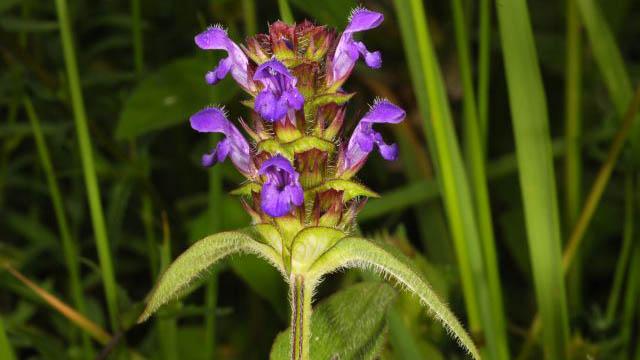
Prunella
genus of plants
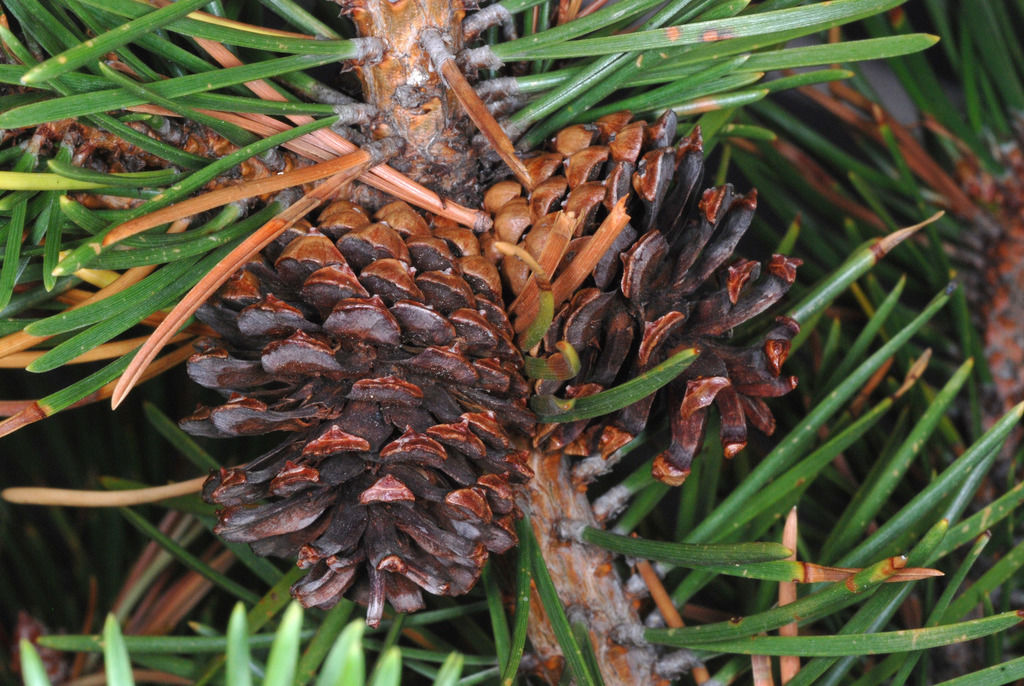
Pinus contorta
species of plant

Lobelia
thumb|Lobelia erinus in an alpine border
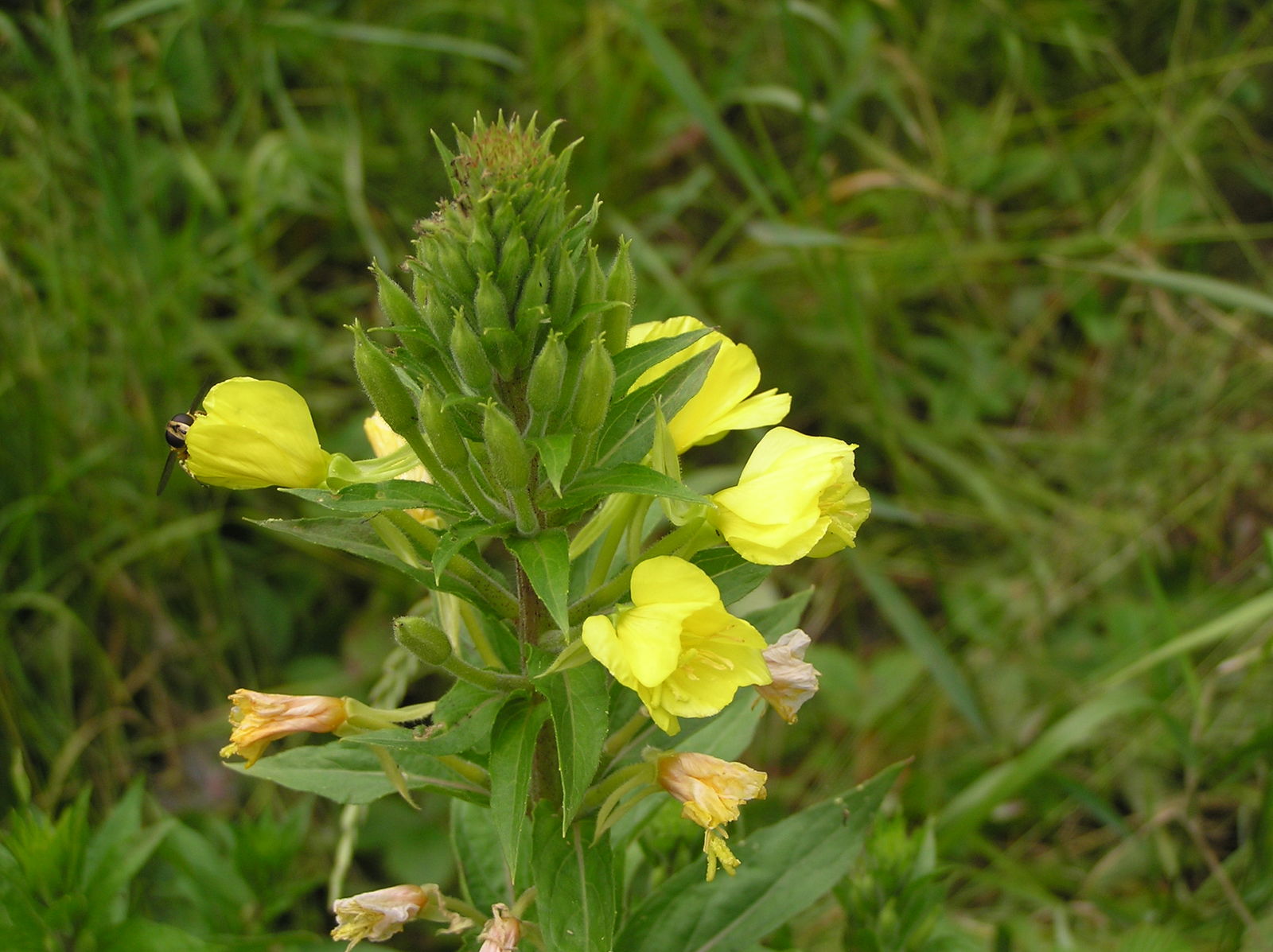
Oenothera biennis
species of plant
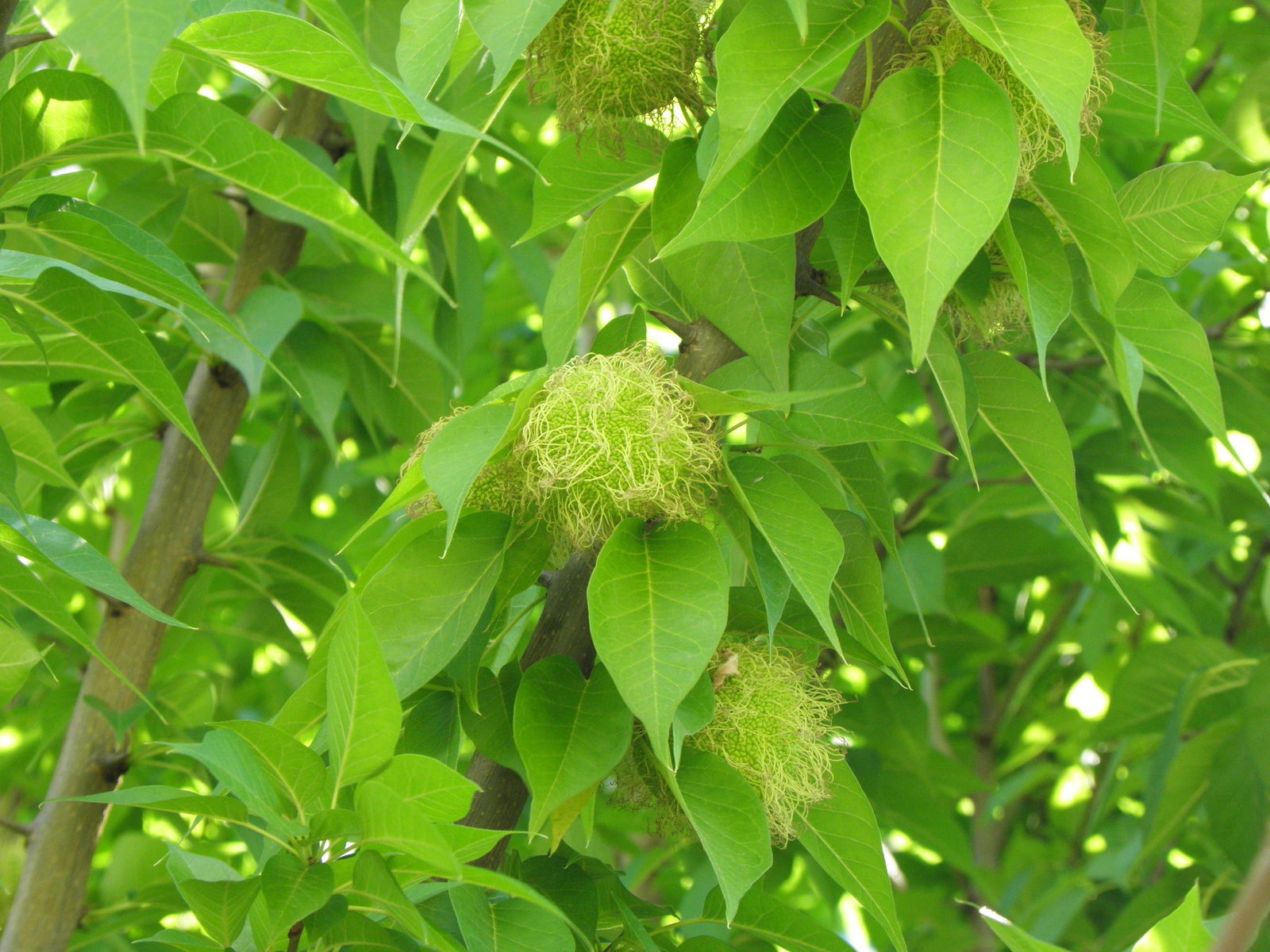
Maclura pomifera
species of plant

Erigeron canadensis
species of plant
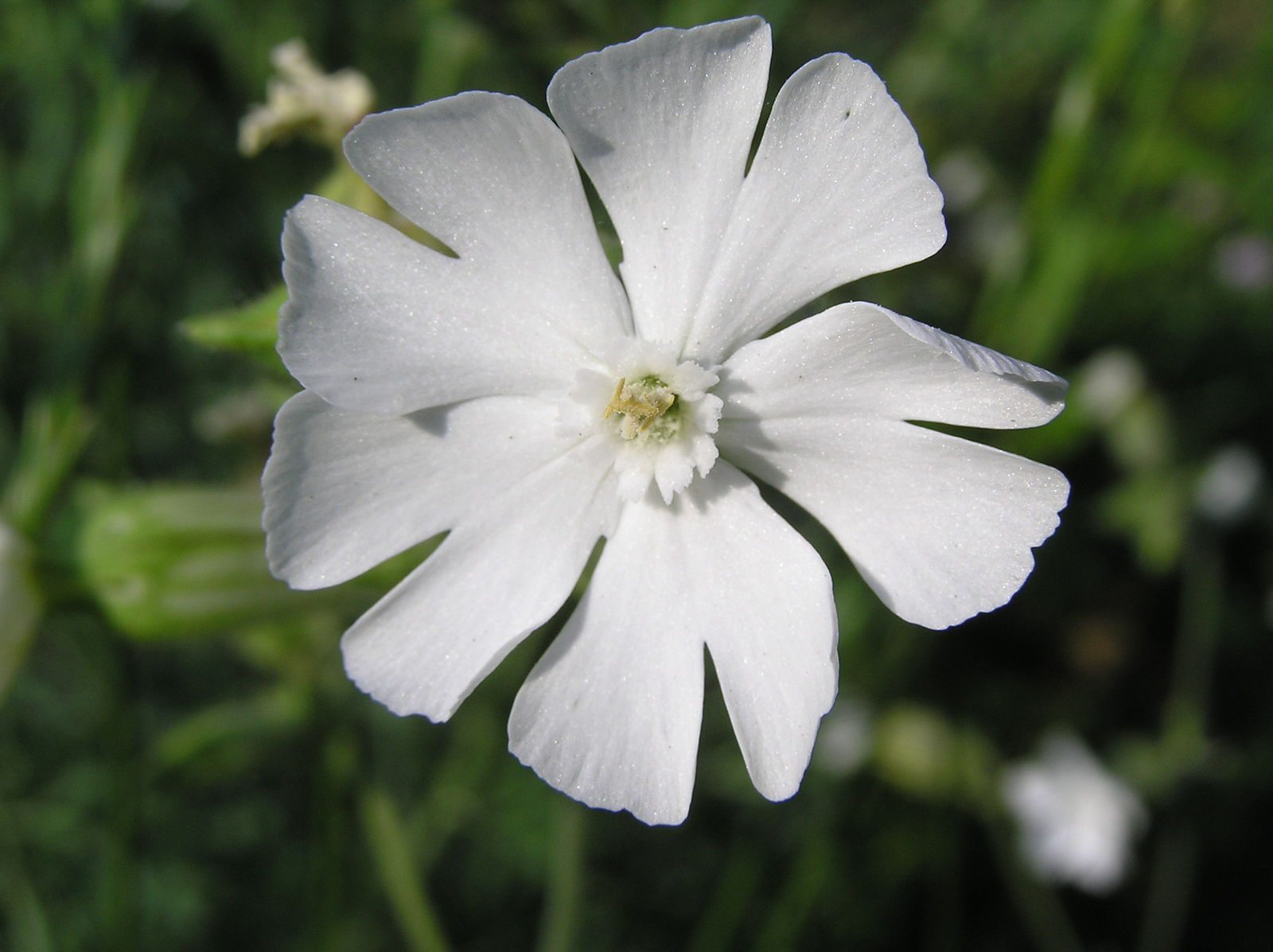
Silene latifolia
species of plant
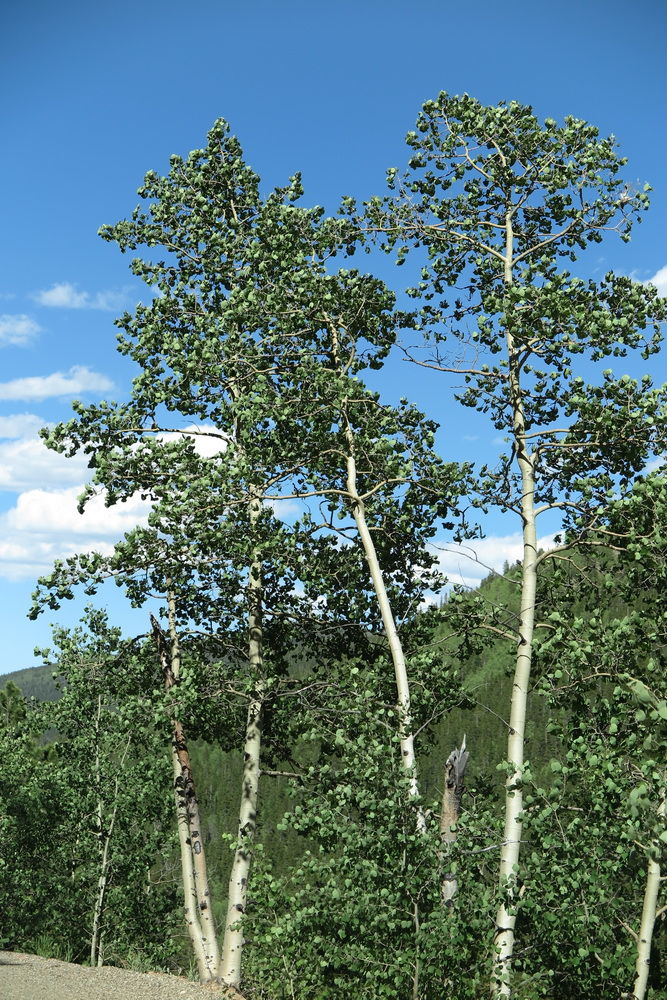
Populus tremuloides
species of deciduous tree native to cooler areas of North America
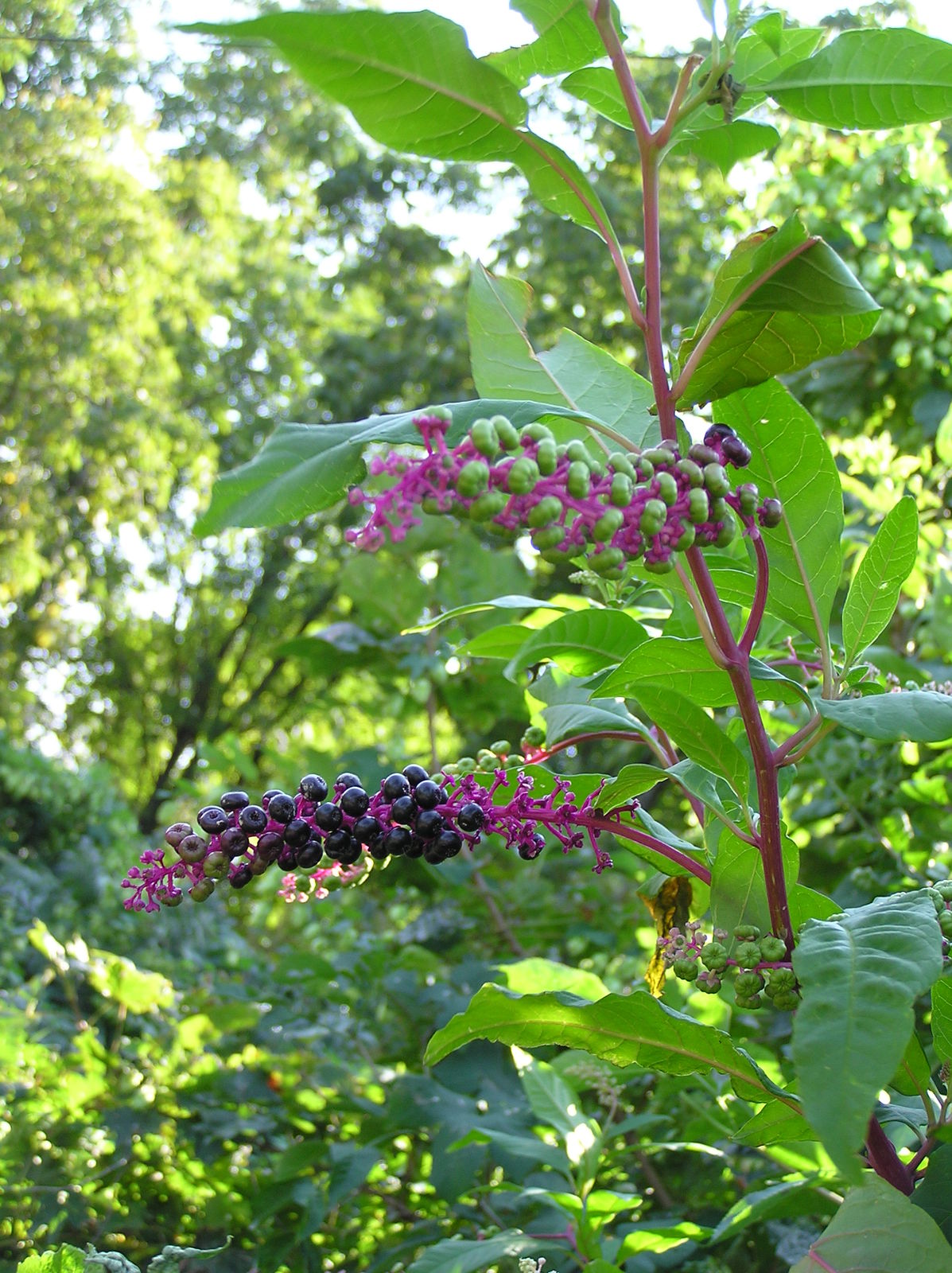
Phytolacca americana
species of plant

Ambrosia artemisiifolia
species of plant
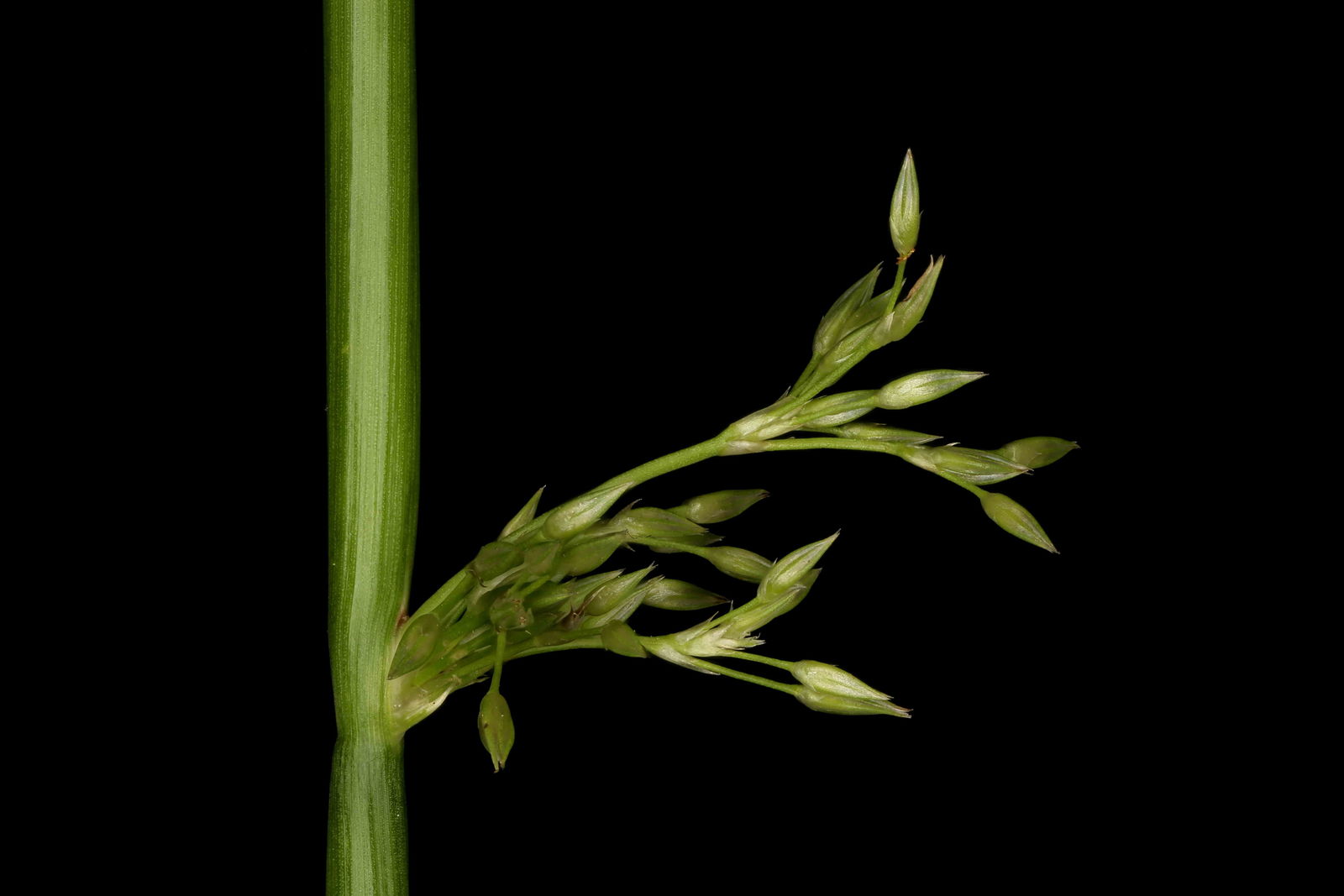
Juncus effusus
species of plant
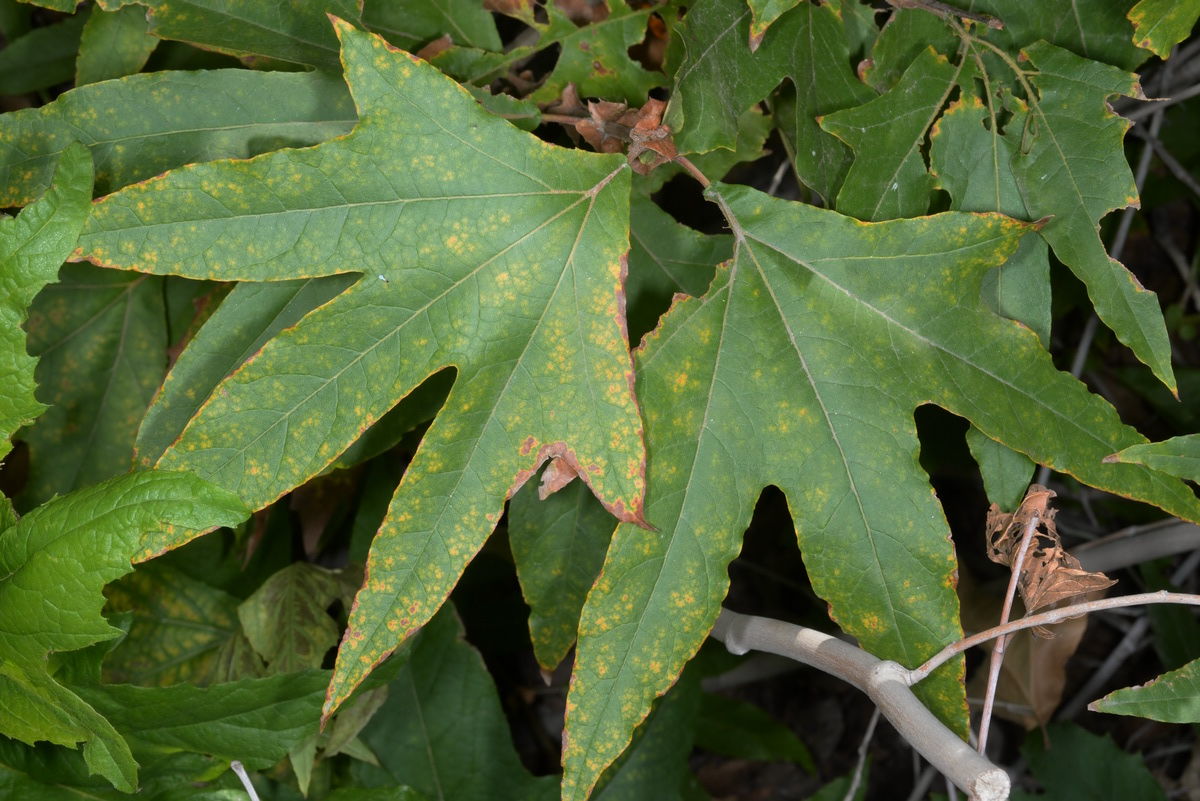
Platanus occidentalis
species of plant
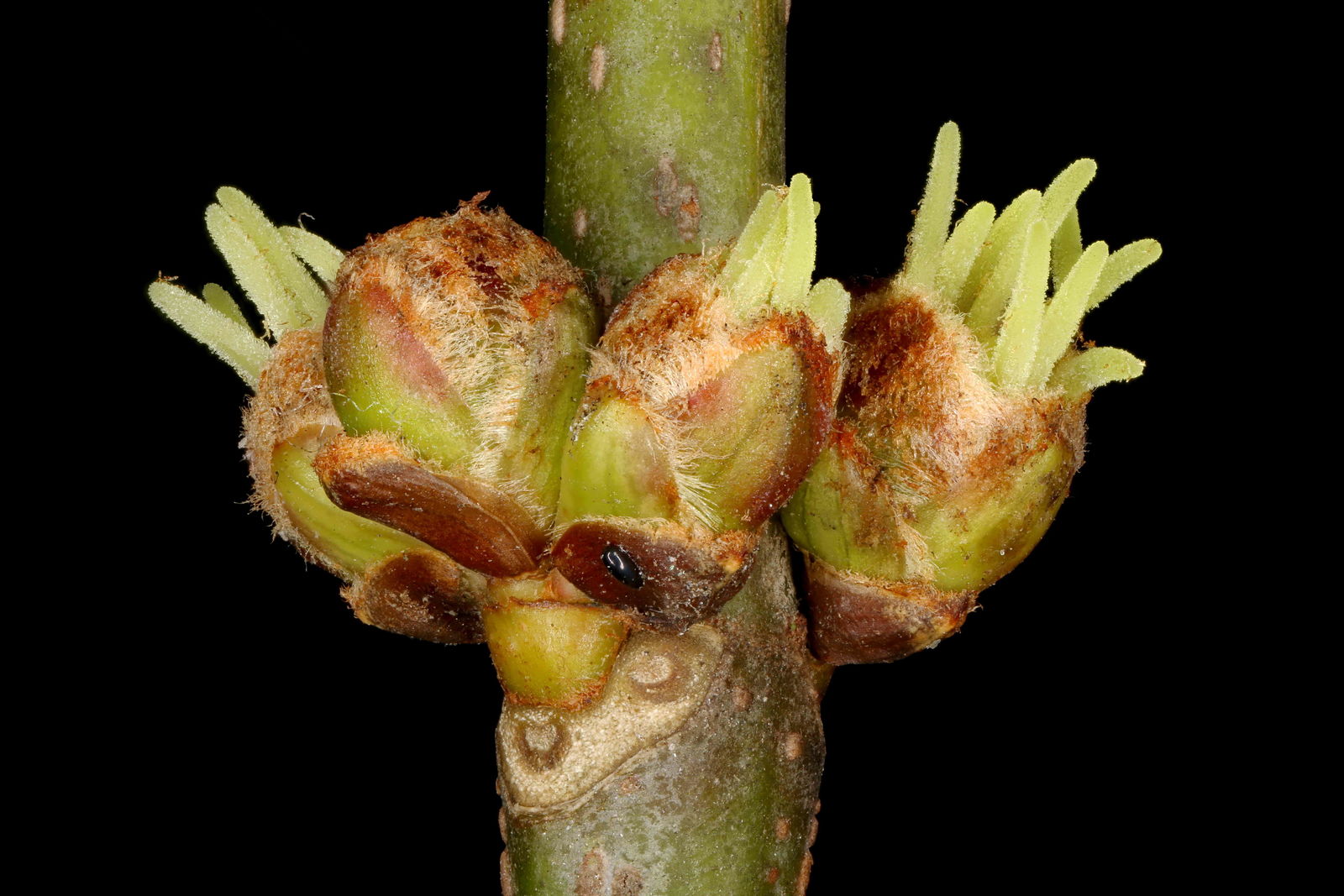
Acer saccharinum
species of plant
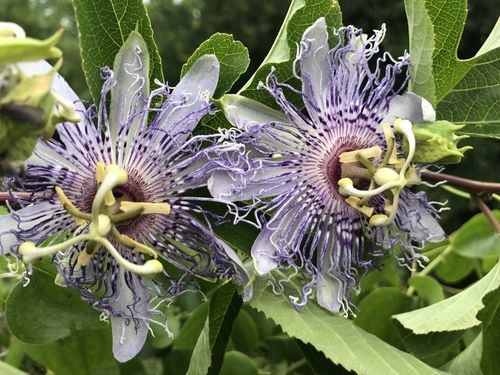
Passiflora incarnata
fast-growing perennial vine
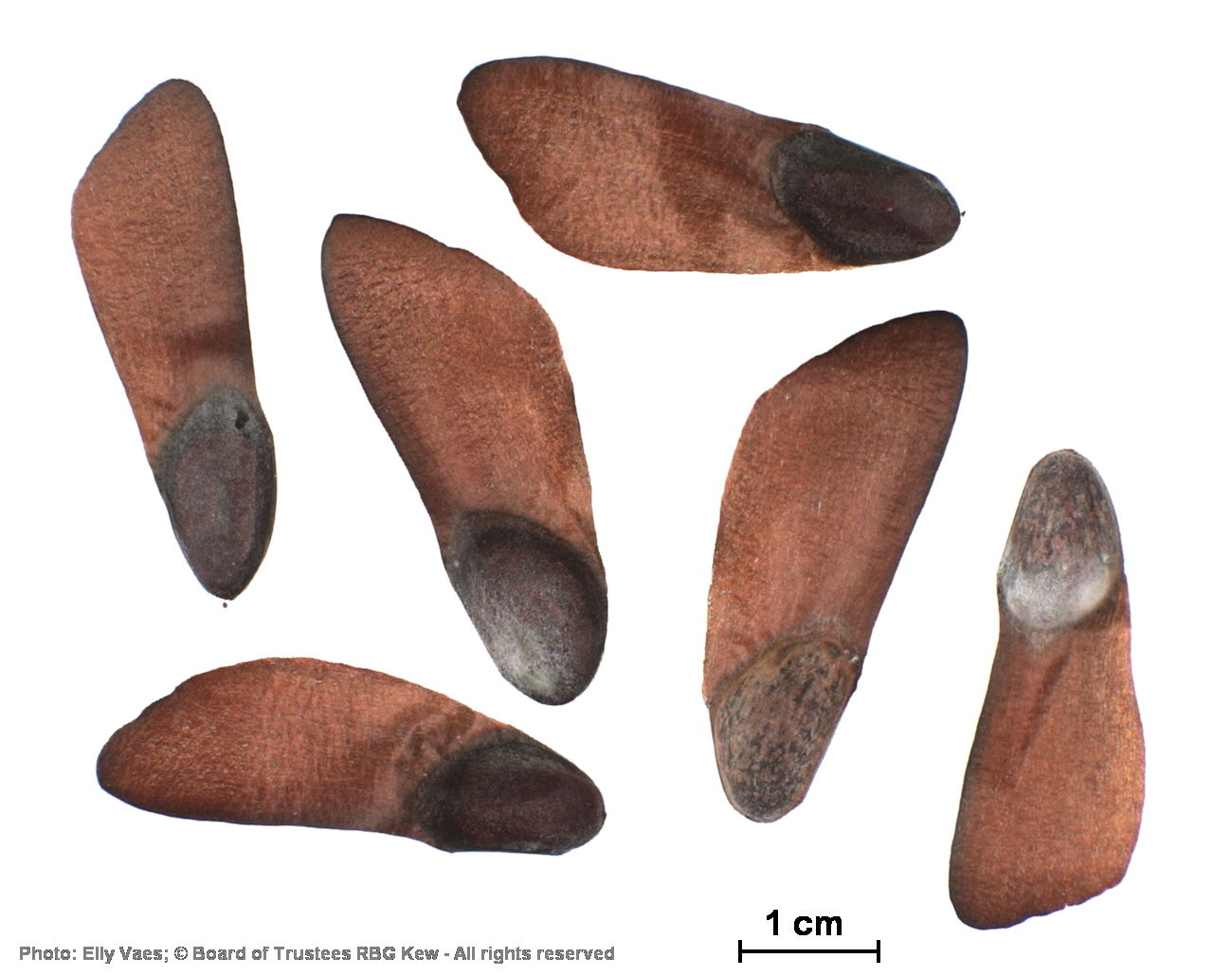
Pinus lambertiana
species of evergreen tree
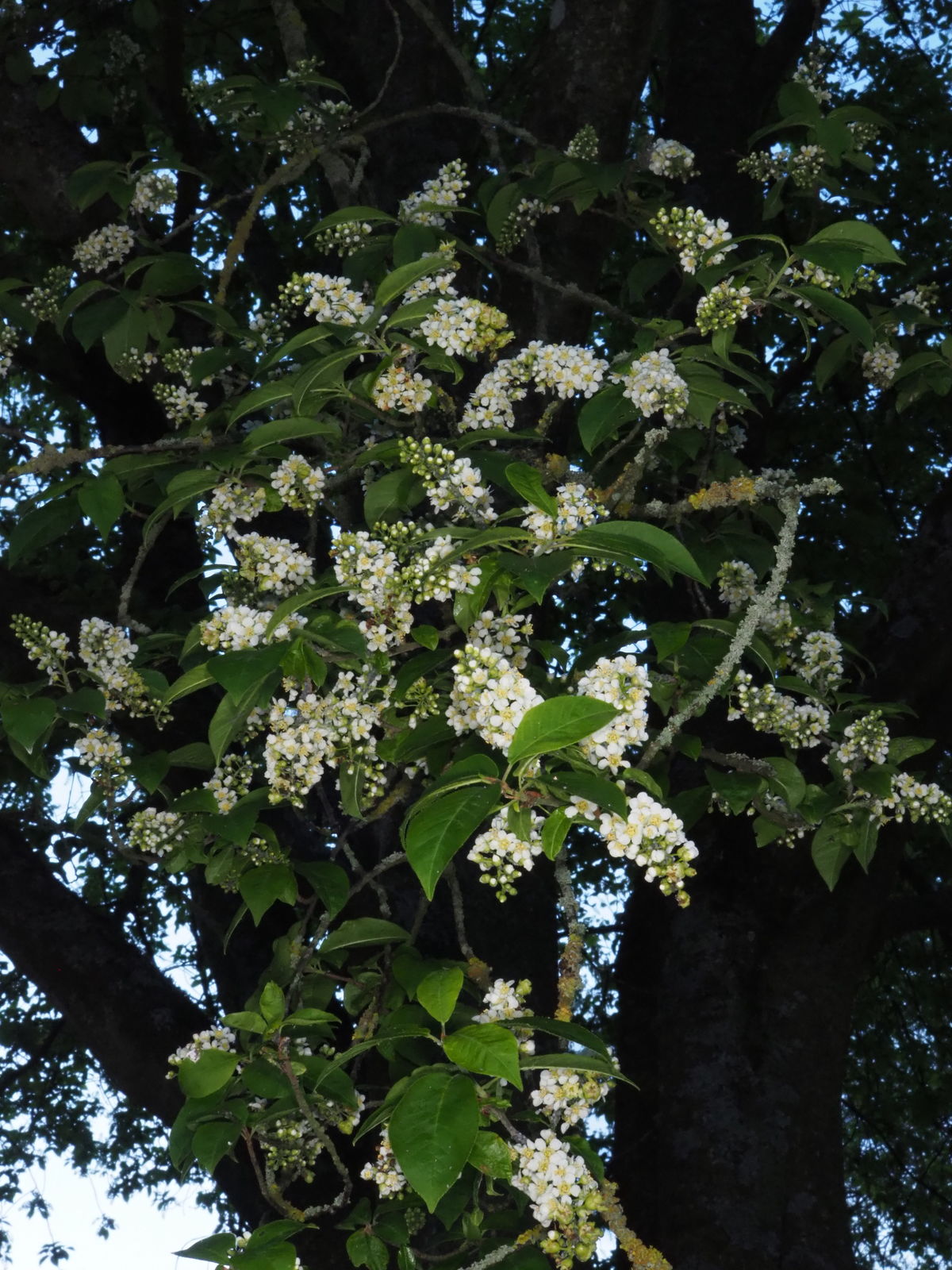
Prunus virginiana
species of plant

Persicaria amphibia
species of plant
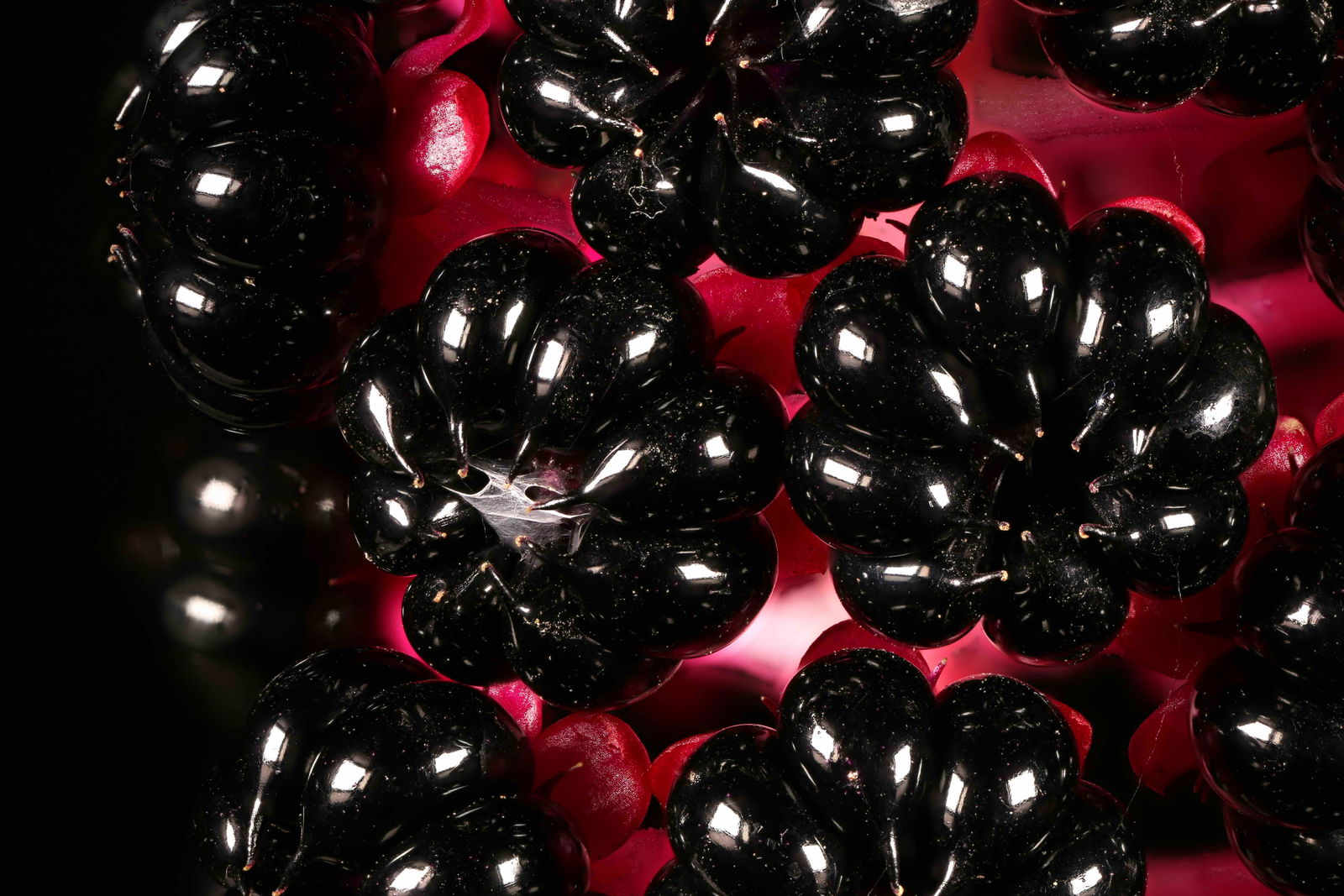
Phytolacca
Phytolacca is a genus of perennial plants native to North America, South America and East Asia. Some members of the genus are known as pokeweeds or similar names such as pokebush, pokeberry, pokeroot or poke sallet. Other names for species of Phytolacca include inkberry and ombú. The generic name is derived from the Greek word (phyton), meaning "plant," and the Latin word lacca, a red dye. Phytolaccatoxin and phytolaccagenin are present (in the leaves, stems, roots, blossoms, berries etc.) in many species which are poisonous to mammals if not prepared properly. The berries are eaten by birds,
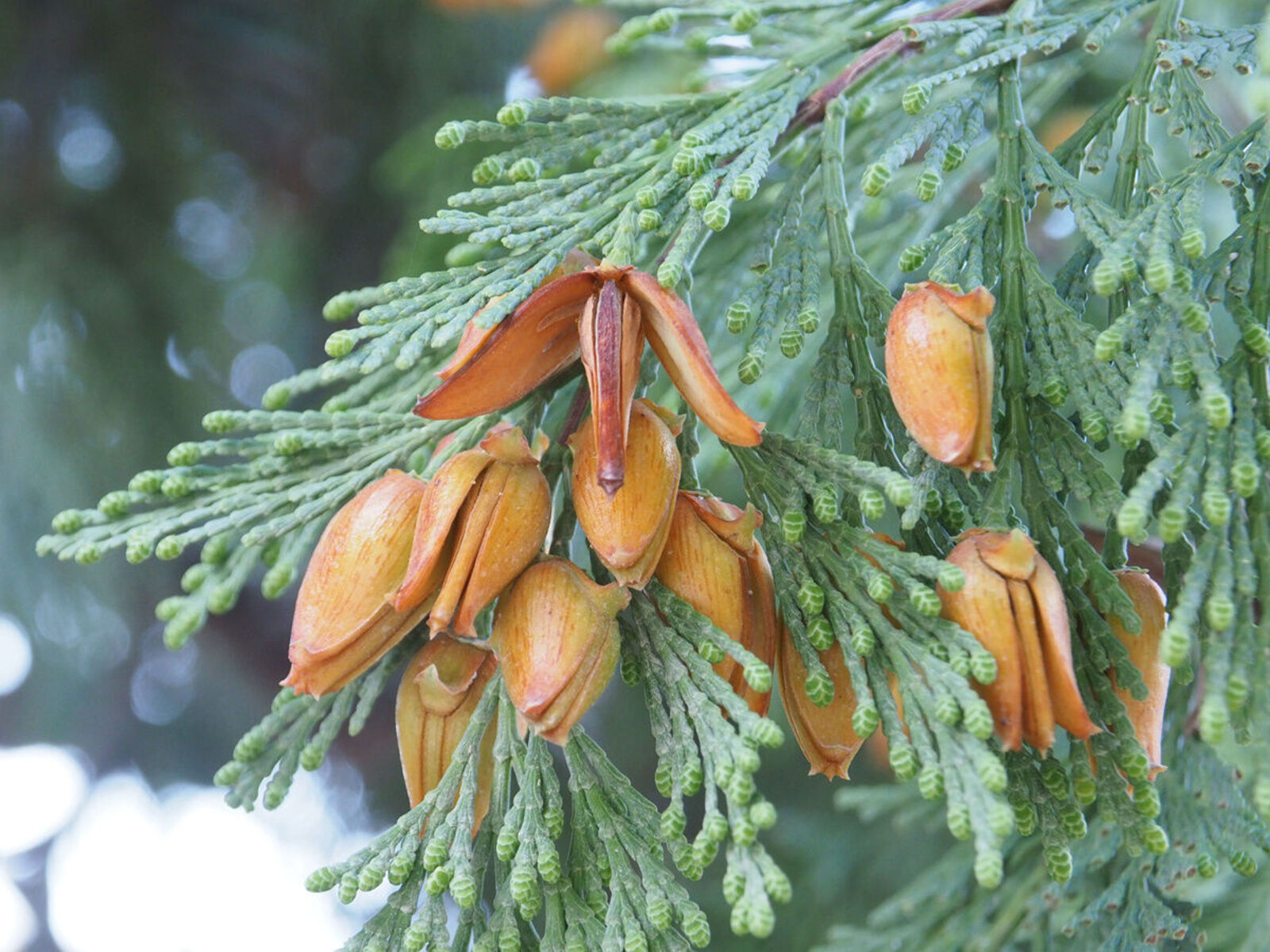
Calocedrus decurrens
species of plant
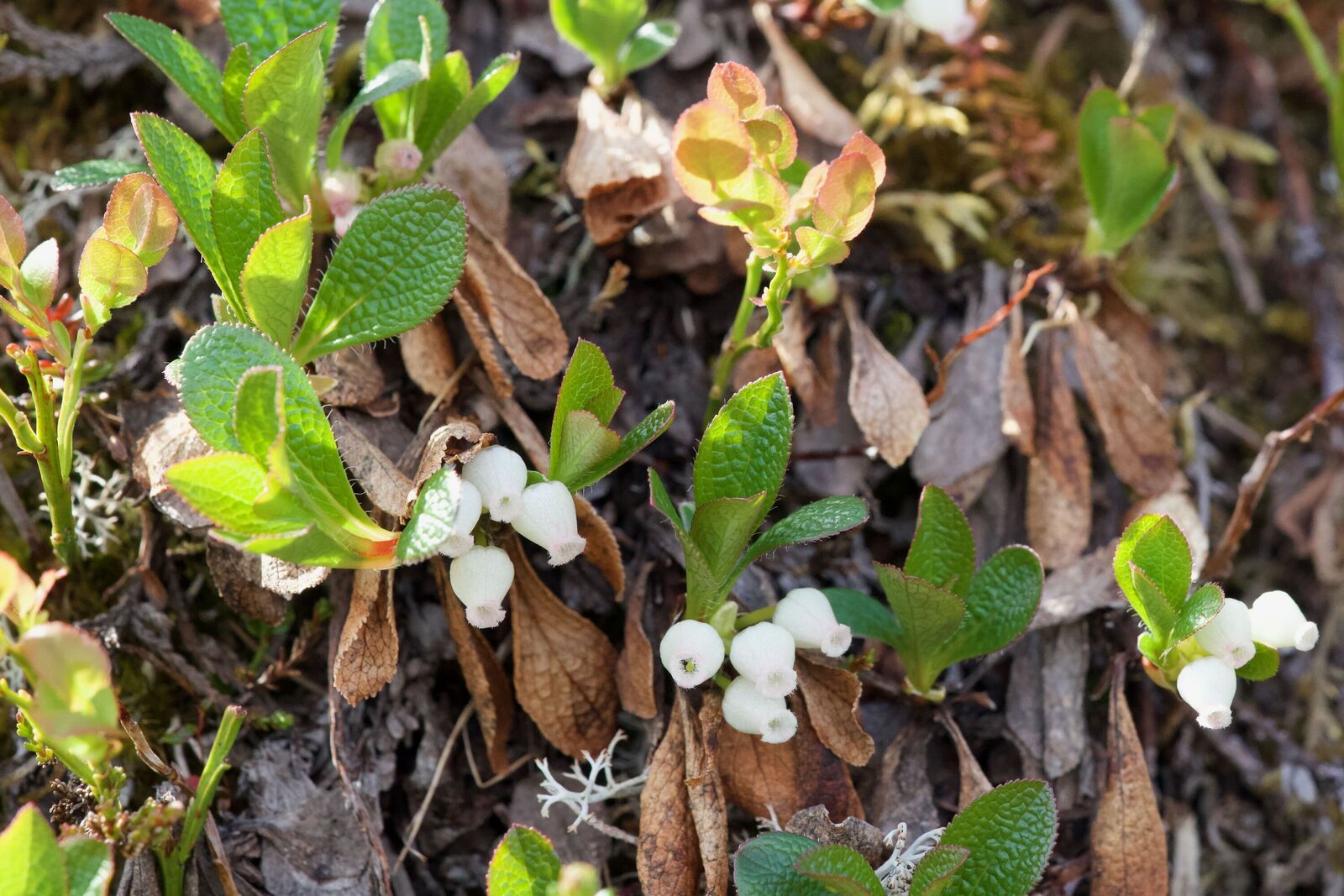
Arctous alpina
species of plant

Ribes aureum
species of plant
Hierochloe odorata
aromatic herb which grows in northern Eurasia and North America
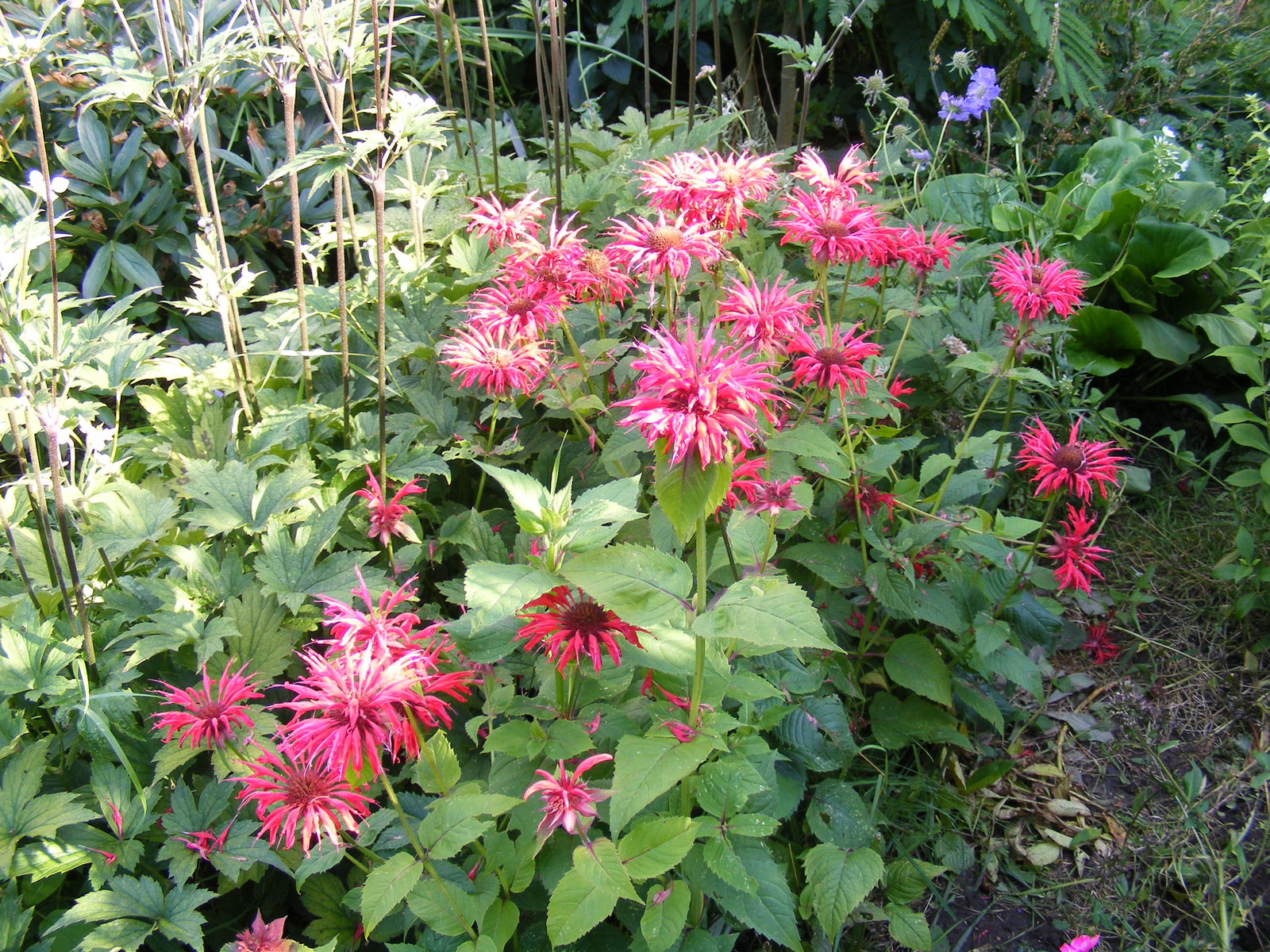
Monarda
Monarda is a genus of flowering plants in the mint family, Lamiaceae. The genus is endemic to North America. Common names include bergamot, bee balm, horsemint, and oswego tea, the first being inspired by the fragrance of the leaves, which is reminiscent of bergamot orange (Citrus bergamia). The genus was named for the Spanish botanist Nicolás Monardes, who wrote a book in 1574 describing plants of the New World.
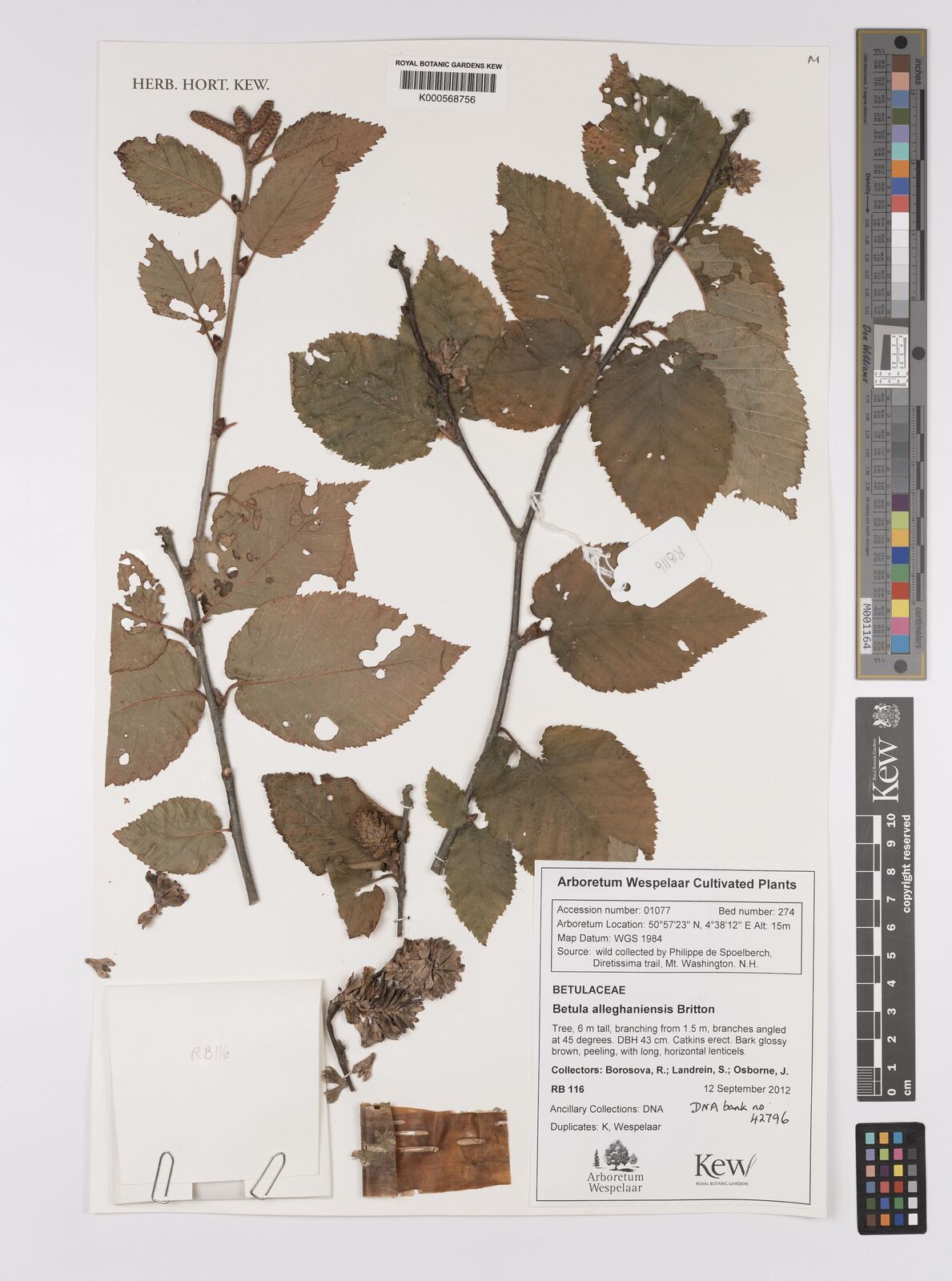
Betula alleghaniensis
species of plant