Category
page 1Species that are or were threatened by human consumption

Okapia johnstoni
The okapi (; Okapia johnstoni), also known as the forest giraffe, zebra giraffe and Congolese giraffe, is an artiodactyl mammal that is endemic to the northeast Democratic Republic of the Congo in central Africa. However, non-invasive genetic identification has suggested that a population has occurred south-west of the Congo River as well. It is the only species in the genus Okapia. Although the okapi has striped markings reminiscent of zebras, it is most closely related to the giraffe. The okapi and the giraffe are the only living members of the family Giraffidae.

Pholidota
Pangolins, also called scaly anteaters, are mammals of the order Pholidota (). The one extant family, the Manidae, has three genera: Manis, Phataginus, and Smutsia. Manis comprises five species found in Asia, while Phataginus and Smutsia include two species each, all found in sub-Saharan Africa. These species range in size from . Several extinct pangolin species are also known. In September 2023, a ninth species was reported, although it is only known from confiscated scales and has never been observed in the wild.

sea otter
species of marine mammal

Sumatran rhinoceros
species of mammal
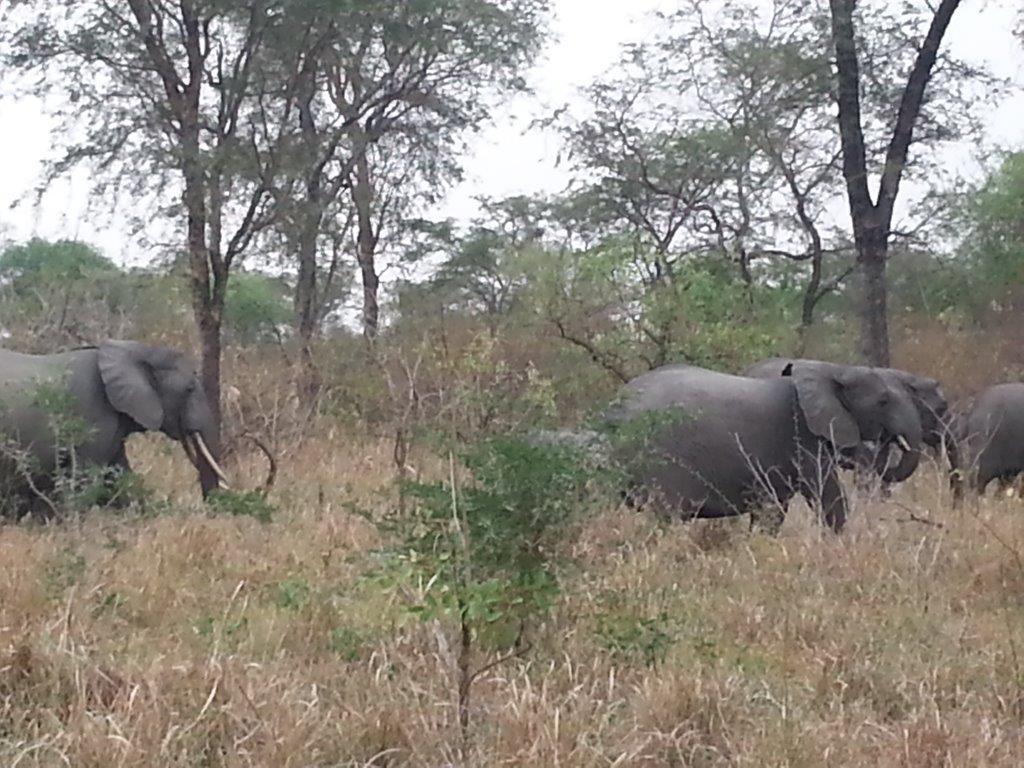
Loxodonta cyclotis
species of mammal

Nasalis larvatus
species of mammal

Woolly Mammoth
extinct species of mammoth (Mammuthus)

hawksbill sea turtle
species of reptile

Steller’s sea cow
species of extinct mammal

Bornean orangutan
species of orangutan
.jpg)
Indri indri
The indri (; Indri indri), also called the babakoto, is one of the largest living lemurs, with a head-body length of about and a weight of between . It has a black and white coat and maintains an upright posture when climbing or clinging. It is monogamous and lives in small family groups, moving through the canopy, and is herbivorous, feeding mainly on leaves but also seeds, fruits, and flowers. The groups are quite vocal, communicating with other groups by singing, roaring and other vocalisations.

saola
The saola (Pseudoryx nghetinhensis), also called spindlehorn, Asian unicorn, or infrequently, Vu Quang bovid, is a forest-dwelling bovid native to the Annamite Range in Vietnam and Laos. It was first described in 1993 following a discovery of remains in Vũ Quang National Park by a joint survey of the Vietnamese Ministry of Forestry and the World Wide Fund for Nature, Saolas have since been kept in captivity multiple times, although only for short periods as they died within a matter of weeks to months.

Equus ferus ferus
The tarpan (Equus ferus ferus) was a free-ranging horse population of the Eurasian steppe from the 18th to the 20th century. What qualifies as a tarpan is subject to debate; whether tarpans were genuine wild horses, feral domesticated horses, or hybrids is unclear, though DNA sequencing suggests that at least some tarpans were genetically distinct from modern domestic horses. The last individual believed to be a tarpan died in captivity in the Russian Empire in 1909.

Lar Gibbon
species of mammal

scimitar oryx
species of oryx
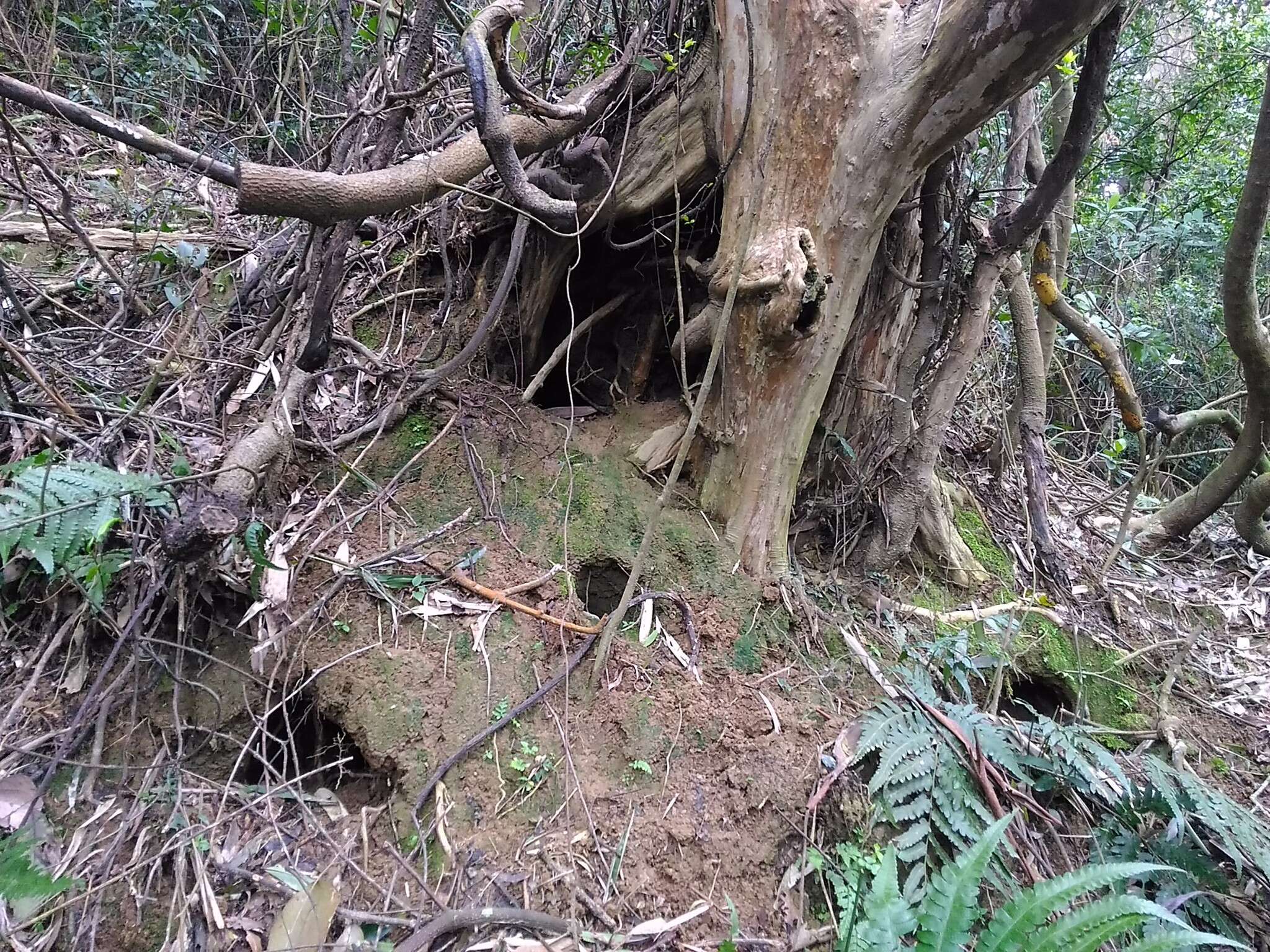
Chinese pangolin
species of mammal

Dibatag
The dibatag (Ammodorcas clarkei), or '''Clarke's gazelle''', is a medium-sized slender antelope native to Ethiopia and Somalia. Though not a true gazelle, it is similarly marked, with long legs and neck. It is often confused with the gerenuk due to their striking resemblance. The typical head-and-body length is about . They stand up to about . Male dibatag weigh between , whereas females range from . The length of the curved horns, present only on males, is typically between . The upper parts are gray to fawn, while the dorsal and lateral areas are cinnamon to rufous (reddish brown). The under

Macaca nigra
species of mammal

Hawaiian Monk Seal
species of mammal
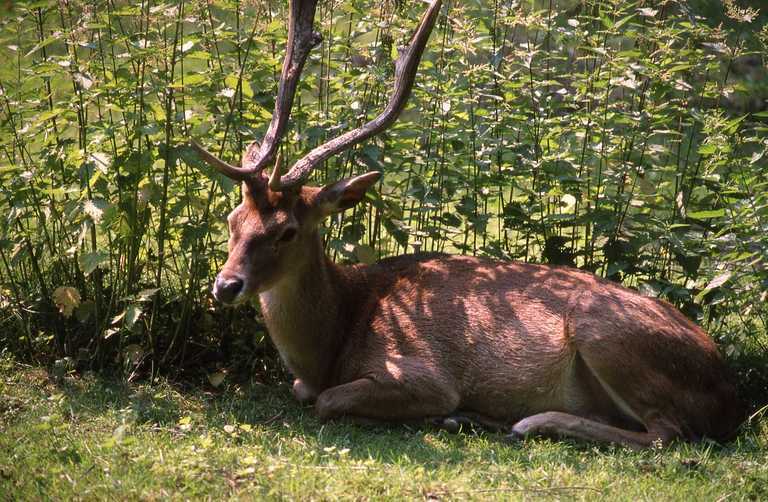
Rucervus eldii
species of mammal

Bubalus depressicornis
species of mammal
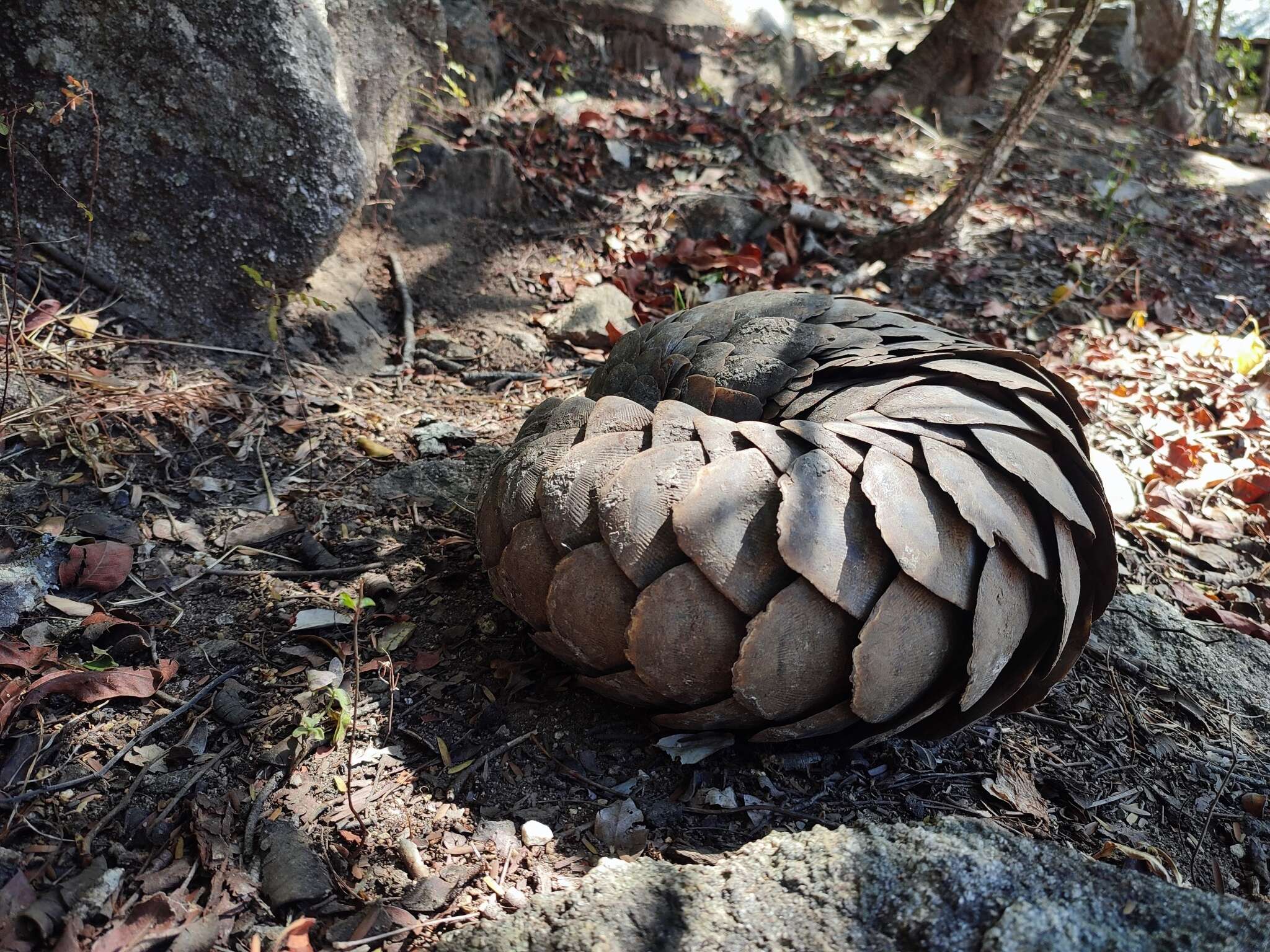
Smutsia temminckii
species of pangolin
Caribbean monk seal
species of mammal (fossil)
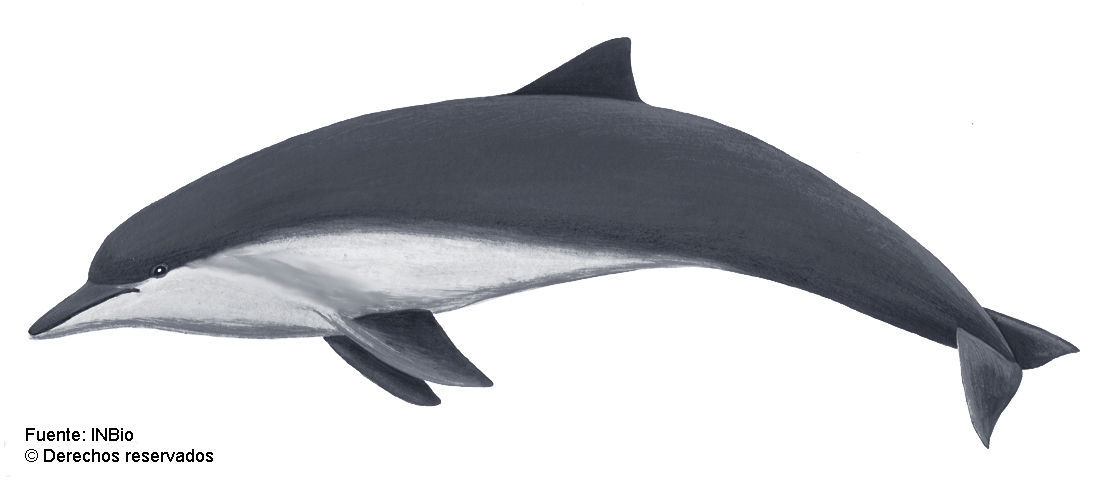
Tucuxi
The tucuxi (Sotalia fluviatilis), alternatively known in Peru bufeo gris or bufeo negro, is a species of freshwater dolphin found in the rivers of the Amazon basin. The word tucuxi is derived from the Tupi language word tuchuchi-ana, and has now been adopted as the species' common name. Despite being found in geographic locations similar to those of 'true' river dolphins such as the boto, the tucuxi is not closely related to them genetically. Instead, it is classed in the oceanic dolphin family (Delphinidae).

Smutsia gigantea
species of pangolins

Angonoka tortoise
species of reptile

Diana monkey
species of mammal

Large-spotted civet
species of mammal
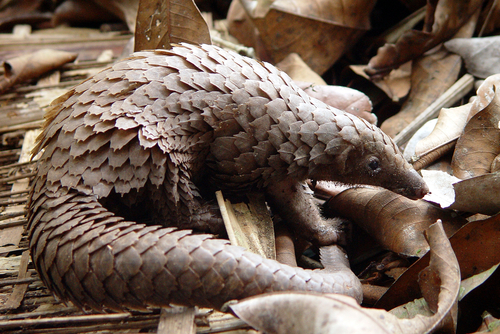
Phataginus tricuspis
species of pangolins in the genus Phataginus, previously assigned to the genus Manis
Japanese sea lion
species of mammal
Phataginus tetradactyla
species of pangolins

Red-shanked douc
species of mammal

Platanista minor
species of mammal

Visayan spotted deer
species of mammal

Silky sifaka
species of mammal

White-headed langur
species of mammal

Myanmar snub-nosed monkey
species of mammal
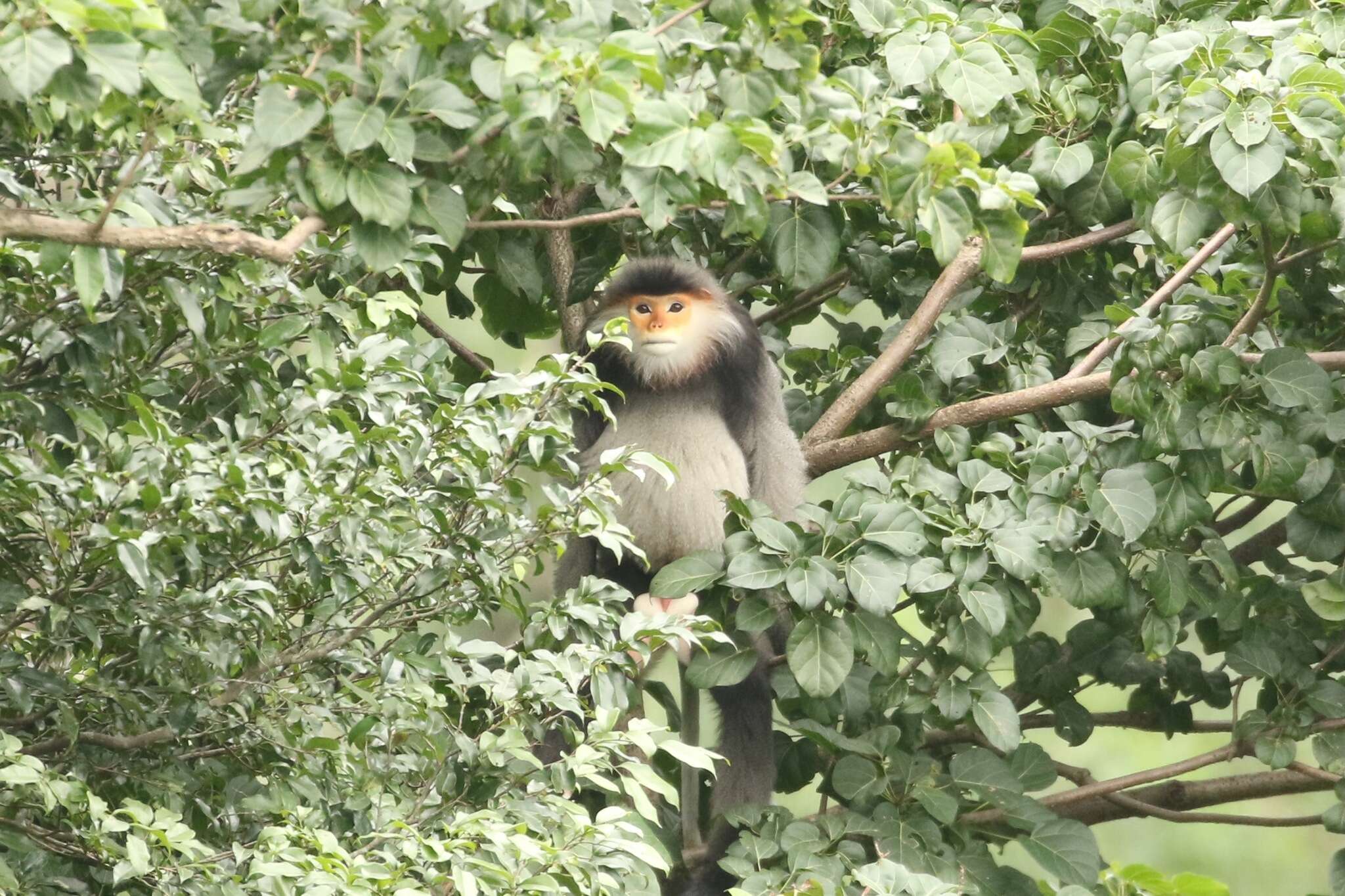
Gray-shanked douc
species of mammal

Bornean white-bearded gibbon
species of mammal

largetooth sawfish
species of fish
.jpg)
Castoroides
Castoroides (from Latin castor (beaver) and -oides (like)), or the giant beaver, is an extinct genus of enormous, bear-sized beavers that lived in North America during the Pleistocene. Two species are currently recognized, C. dilophidus in the Southeastern United States and C. ohioensis in most of North America. C. leiseyorum was previously described from the Irvingtonian age but is now regarded as an invalid name. All specimens previously described as C. leiseyorum are considered to belong to C. dilophidus.
Hawkins' Rail
species of bird (fossil)

Ornate eagle ray
species of fish