Category
page 1Taxa named by Friedrich Gustav Jakob Henle

Carcharhinus leucas
species of fish

Lamnidae
The Lamnidae are the family of mackerel sharks known as white sharks. They are large, fast-swimming predatory fish found in oceans worldwide, though they prefer environments with colder water. The name of the family is formed from the Greek word lamna, which means "fish of prey", and was derived from the Greek legendary creature, the Lamia.

blacktip shark
species of fish
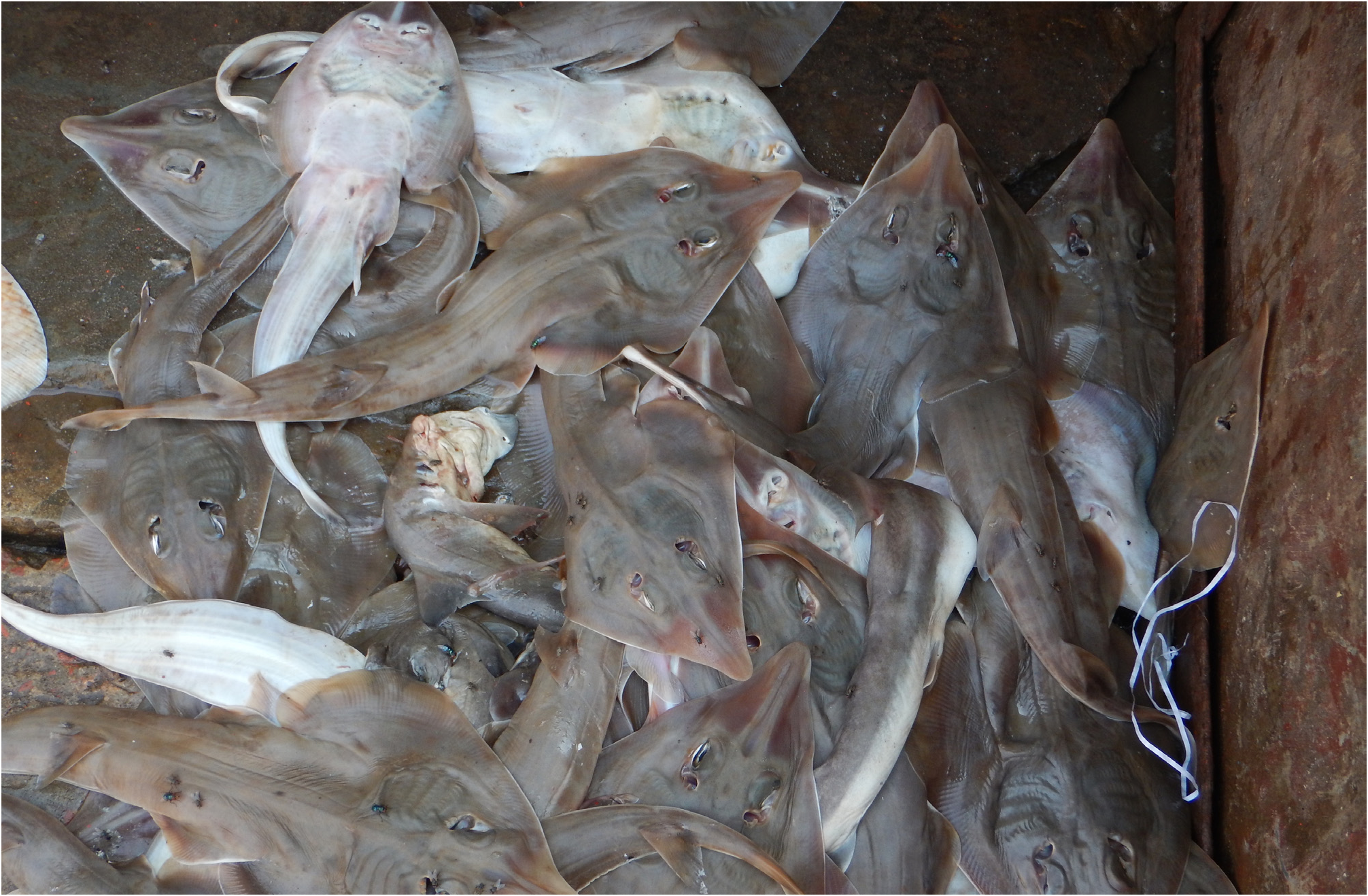
Rhinobatidae
The guitarfish, also referred to as shovelnose rays, are a family, Rhinobatidae, of rays. The guitarfish are known for an elongated body with a flattened head and trunk and small, ray-like wings. The combined range of the various species is tropical, subtropical, and warm temperate waters worldwide.
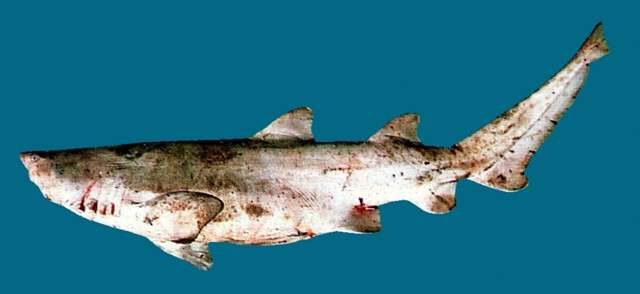
sand shark
family of fishes

Glyphis gangeticus
species of fish

barbeled houndshark
species of shark (Leptocharias smithii)

Carcharhinus brevipinna
species of fish

ocellate river stingray
species of fish

Whitecheek shark
species of fish
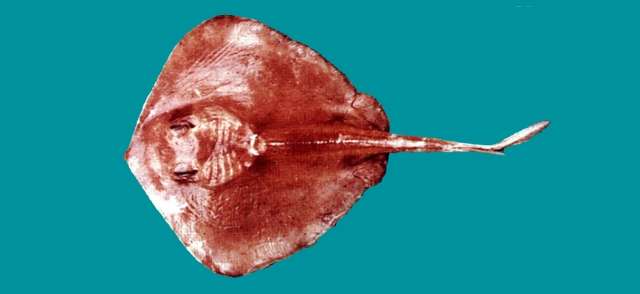
Urolophidae
The Urolophidae are a family of rays in the order Myliobatiformes, commonly known as stingarees or round stingrays. This family formerly included the genera Urobatis and Urotrygon of the Americas, which are presently recognized as forming their own family Urotrygonidae. Stingarees are found in the Indo-Pacific region, with the greatest diversity off Australia. They are sluggish, bottom-dwelling fish that have been recorded from shallow waters close to shore to deep waters over the upper continental slope. Measuring between long, these rays have oval to diamond-shaped pectoral fin discs and rel
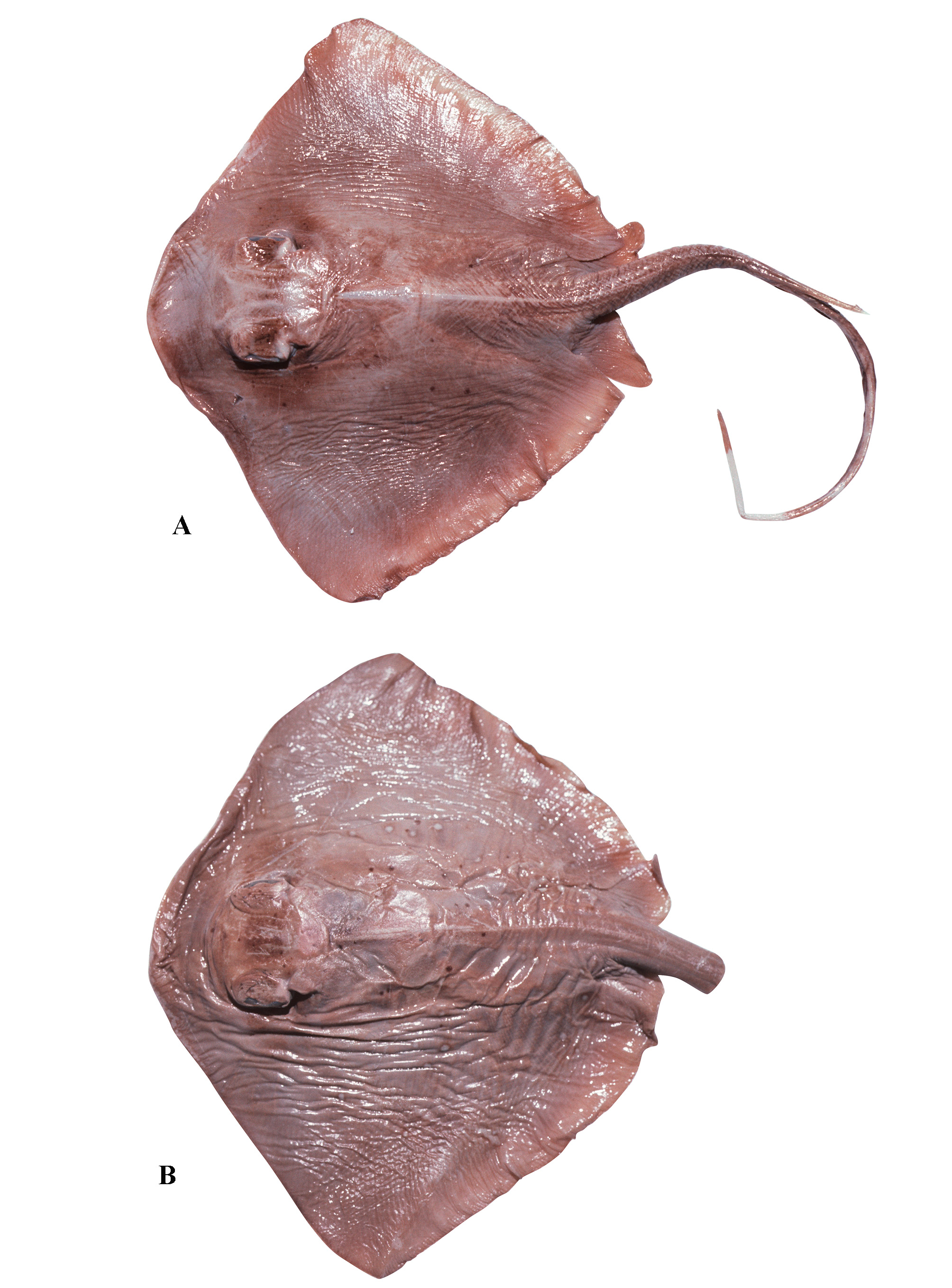
Neotrygon kuhlii
species of fish
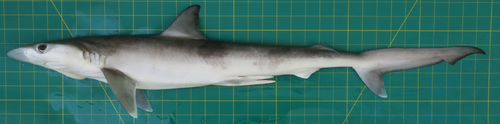
Loxodon macrorhinus
species of fish

Pondicherry shark
species of fish
Glyphis glyphis
species of fish

Daggernose shark
species of requiem shark

round ribbontail ray
species of fish

Lamiopsis temminckii
species of fish
Hemitrygon akajei
species of Elasmobranchii
Centrophorus
Centrophorus is a genus of squaliform sharks. These deep-water sharks, found in temperate and tropical oceans throughout the world, are characterized by grey or brown bodies, large green eyes, and spines on both dorsal fins. These spines give them their name, from Greek , kentron meaning "thorn" and φέρειν, pherein meaning "to bear".
Rhynchobatus
Rhynchobatus (from Ancient Greek ῥύγχος (rhúnkos), meaning "snout", and βάτος (bátos), meaning "ray") is a genus of rays commonly known as wedgefishes in the family Rhinidae. They are found in the tropical and subtropical Indo-Pacific with a single species (R. luebberti) in the eastern Atlantic. All species in this genus (excluding R. palpebratus) are assessed as Critically Endangered by IUCN.
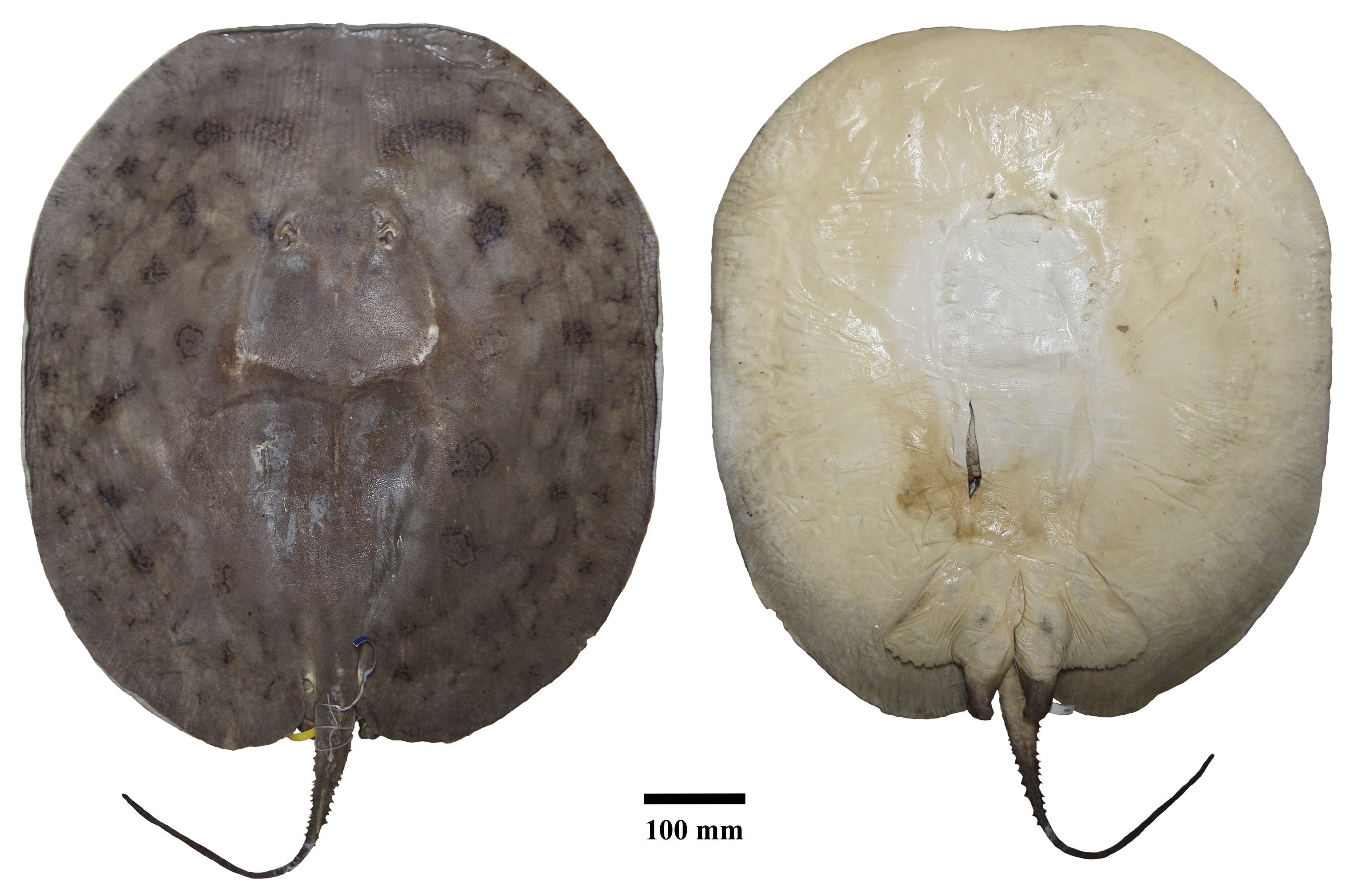
Paratrygon aiereba
species of freshwater stingray

Chiloscyllium
Chiloscyllium is a genus of sharks in the family Hemiscylliidae.

Himantura
Himantura is a genus of stingray in the family Dasyatidae that is native to the Indo-Pacific. In a 2016 taxonomic revision, many of the species formerly assigned to Himantura were reassigned to other genera (Brevitrygon, Fluvitrygon, Maculabatis, Pateobatis, Styracura and Urogymnus).
Rhinidae
Wedgefishes are rays of the family Rhinidae, comprising eleven species in three genera. Classified in the order Rhinopristiformes along with guitarfishes and sawfishes, they have also been known as giant guitarfishes or sharkfin guitarfishes.

Dasyatis bennettii
species of fish
Q1074461
species of shark (Hemitriakis japanica)
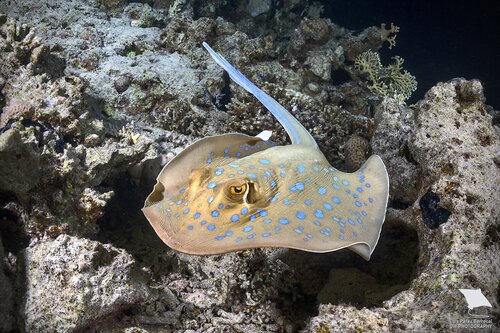
Taeniura
Taeniura is a genus of stingrays in the family Dasyatidae. The species Taeniurops grabata and T. meyeni were formerly placed in this genus. However, phylogenetic research has shown that these two species are not closely related to T. lymma, and they have been assigned to a separate genus, Taeniurops.
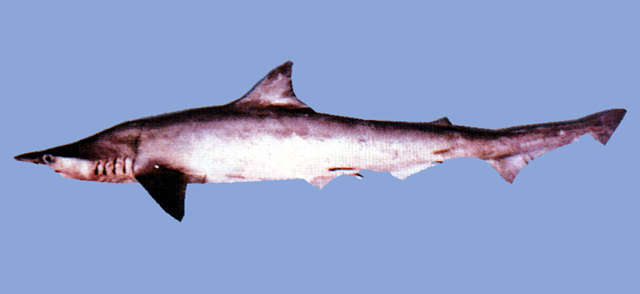
Scoliodon
Scoliodon is a genus of requiem sharks in the family Carcharhinidae. It was formerly thought to include only a single Indo-Pacific species, the spadenose shark (S. laticaudus), but recent taxonomic research has found an additional species, the Pacific spadenose shark (S. macrorhynchos).
Hemiscyllium
Hemiscyllium is a genus of sharks in the family Hemiscylliidae.

Rio skate
Rioraja agassizii
.jpg)
Pristiophorus
Pristiophorus is a genus of sawsharks found in the Pacific, Atlantic and Indian oceans. Members of this genus differ from sixgill sawsharks of the genus Pliotrema in having five gill slits. Their rostral sawteeth lack prominent transverse ridges on the basal ledges, and the large teeth are not posteriorly serrated.
Centroscyllium
Centroscyllium is a genus of big-eyed, deepwater dogfishes with no anal fin, a grey or black-brown body, and dorsal spines, with the second one being much larger than the first. Seven extant species are described.
Sympterygia
Sympterygia is a genus of fish in the family Arhynchobatidae found in oceans off South America.

Ocellate spot skate
species of fish
Urolophus
Urolophus is a genus of round rays mostly native to the western Pacific Ocean and the Indian Ocean, though one species occurs in the Pacific waters of the Mexican coast. Müller and Henle erected Urolophus in an 1837 issue of Bericht Akademie der Wissenschaften zu Berlin. The name is derived from the Greek oura, meaning "tail", and lophos, meaning "crest". In Urolophus, the outer rims of the nostrils are not enlarged into lobes, but may form a small knob at the back.
Rhinobatos blochii
species of fish
Narrowmouthed catshark
species of fish
Rhincodontidae
Rhincodontidae is a shark family which includes the whale shark, the sole extant member and the largest living fish. A single extinct genus, Palaeorhincodon, is known from the Paleocene and Eocene as well.
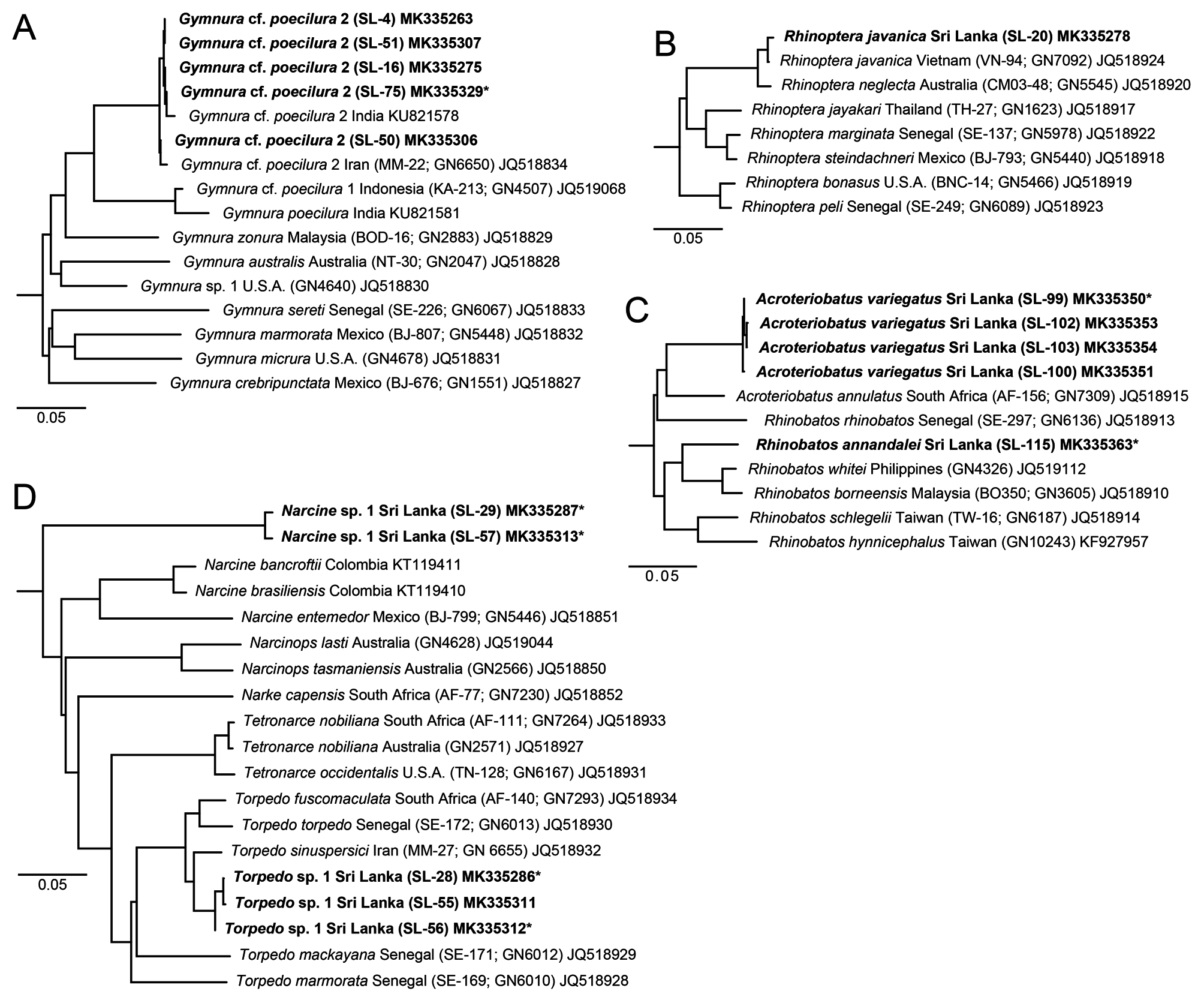
Narcine
Narcine is a genus of electric rays in the family Narcinidae. These species have a rounded pectoral fin disc and two dorsal fins, the first usually smaller than the second and placed behind the pelvic fin bases. The tail is longer than the disc and has a lateral fold. The spiracles are close behind the eyes, the nasal flaps are merged into a flap in front of the mouth. The teeth are nearly flat, with a central point.
Platyrhina
Platyrhina is a genus of rays in the family Platyrhinidae, containing three species. They are native to the warm-temperate to tropical marine waters in the western Pacific Ocean. They are little-known bottom-dwellers that feed on small invertebrates such as crustaceans, molluscs, and worms. The fanray is found inshore to a depth of 60 m on rocky or rock sandy bottoms.
Ginglymostoma
Ginglymostoma (from the Ancient Greek words γίγγλυμος (gínglumos), meaning "hinge", and στόμα (stóma), meaning "mouth") is a genus of shark in the family Ginglymostomatidae. There are two members in the genus. Members of this genus eat small fish and crustaceans, and are commonly quite lethargic unless provoked. Members of this genus have the ability to suck in water in order to remove snails from their shells in a manner that can be described as 'vacuum-like'.

Potamotrygon hystrix
species of fish
Trygonorrhina
genus of fishes

Trygonoptera
Trygonoptera is a genus of round rays endemic to the waters around Australia. Müller and Henle defined Trygonoptera in 1841. It has often been considered synonymous with Urolophus, but this has been refuted by recent studies. Trygonoptera can be distinguished from Urolophus in that the outer rims of its nostrils are enlarged into broad, flattened lobes; the two also differ in aspects of the skeleton.
Hemitrygon
Hemitrygon is a genus of stingrays in the family Dasyatidae from marine, brackish and freshwater habitats in the central Indo-Pacific and northwest Pacific regions. The genus was formerly regarded as a junior synonym of the genus Dasyatis.

Sepia stingray
species of fish
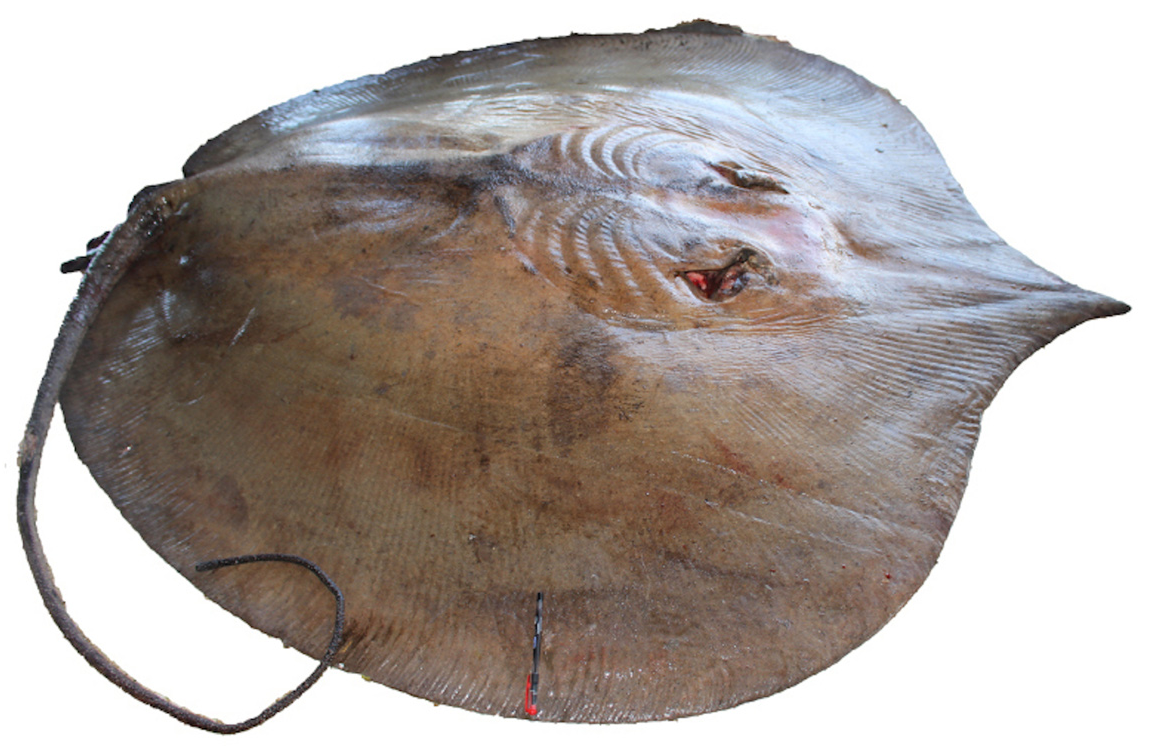
Urogymnus
Urogymnus is a genus of stingrays in the family Dasyatidae from marine, brackish and freshwater habitats in the Indo-Pacific and tropical East Atlantic regions. The genus was previously considered to be monotypic, containing only the porcupine ray (U. asperrimus). Molecular phylogenetic research published in 2016 reassigned several species from Himantura to Urogymnus.
Galeocerdo
Galeocerdo is a genus of ground shark. Only a single species, G. cuvier, the tiger shark, is extant. The earliest fossils date back to the early Eocene epoch, (Ypresian), around 56–47.8 Million years ago. While historically considered a member of the requiem shark family Carcharhinidae, it is currently considered to be the only member of the family Galeocerdonidae. While this genus was historically considered diverse, including 21 extinct species, morphometric analysis conducted in 2021 suggested that the diversity of the genus included only 5 extinct species (including the Eocene †G. clarkens