Category
page 1Theories of history

globalization
Globalization (UK: globalisation) is the process of increasing interdependence and integration among the economies, markets, societies, and cultures of different countries worldwide. It can be attributed to a series of factors, including the reduction of barriers to international trade, the liberalization of capital movements, the development of transportation infrastructure, and the advancement of information and communication technologies. The term globalization first appeared in the early 20th century (replacing an earlier French term ). It developed its current meaning in the second half o
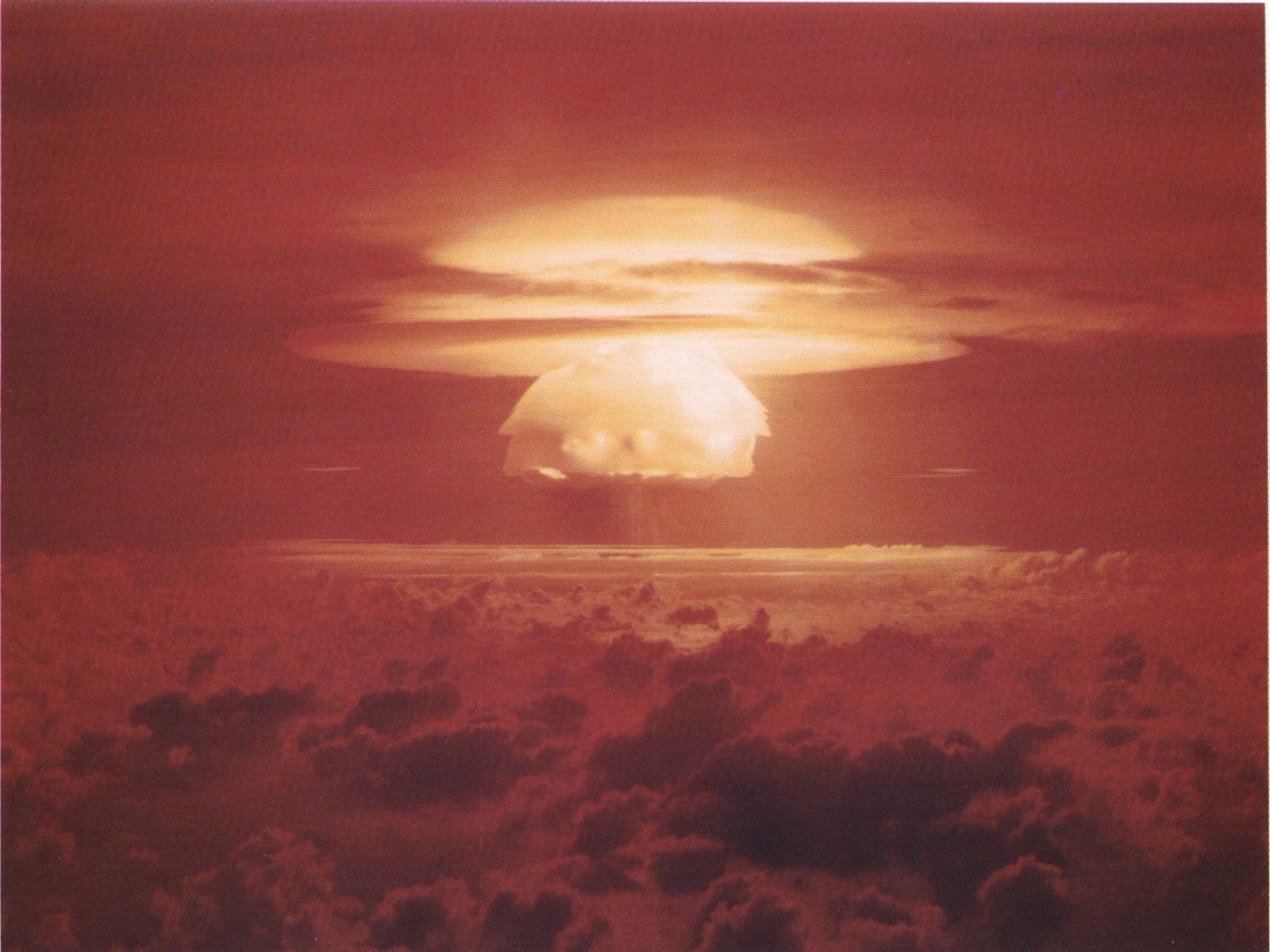
World War III
World War III, also known as the Third World War, is a hypothetical future global conflict subsequent to World War I (1914–1918) and World War II (1939–1945). It is widely predicted that such a war would involve all of the great powers, like its two predecessors, and the use of nuclear weapons or other weapons of mass destruction, thereby surpassing all prior conflicts in scale, devastation, and loss of life.

progress
thumb|Woman's Progress, May 1895|200px

nuclear winter
hypothetical climatic effect of nuclear war

Lebensraum
thumb|Proposed supposed boundaries of the planned "Greater Germanic Reich," including planned post-war eastward expansions of Reichskommissariat|Reichskomissariats.
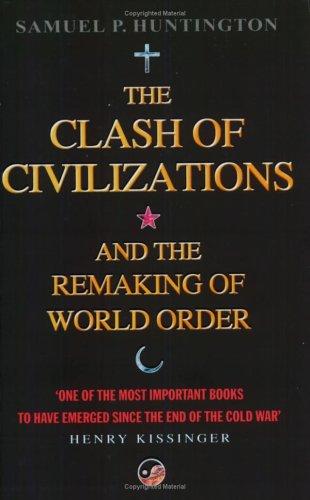
Clash of Civilizations
book
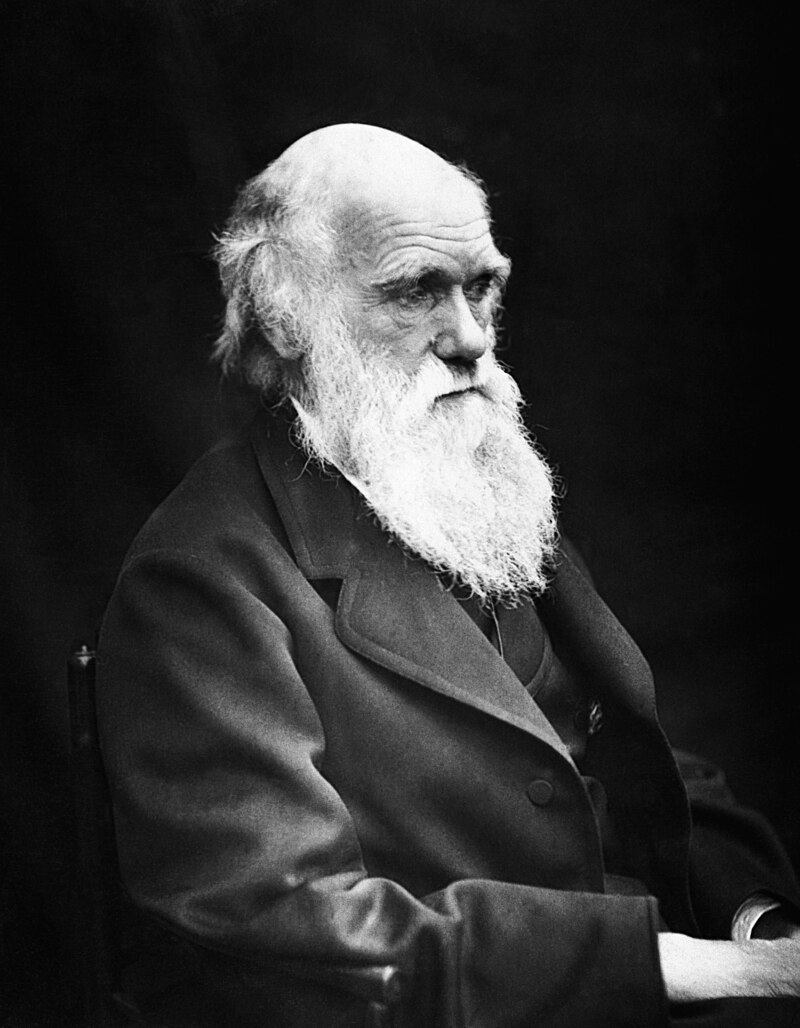
social Darwinism
biological concepts of natural selection & survival fitness re-imagined socio-politically

mutual assured destruction
doctrine of military strategy in which a full-scale use of nuclear weapons by two or more opposing sides would cause the complete annihilation of both the attacker and the defender

Mandate of Heaven
political and religious doctrine of the Emperor of China

Ernest Gellner
Czech anthropologist, philosopher and sociologist
.jpg)
Historicism
Historicism is an approach in the study of phenomena, particularly social and cultural practices, including ideas and beliefs, which emphasizes understanding these phenomena through the historical processes by which they developed. The concept is widely applied in fields such as philosophy, anthropology, and sociology.

Malthusianism
thumb|Thomas Robert Malthus, after whom Malthusianism is named
Malthusianism is a theory that population growth is potentially exponential, according to the Malthusian growth model, while the growth of the food supply or other resources is linear, which eventually reduces living standards to the point of triggering a population decline. This event, called a Malthusian catastrophe (also known as a Malthusian trap, population trap, Malthusian check, Malthusian snatch, Malthusian crisis, point of crisis, or Malthusian crunch) has been predicted to occur if population growth outpaces agricultural
world history
field of historical study. Not to be confused with universal history (genre)
world-systems theory
multidisciplinary, macro-scale approach to world history and social change that stresses that the world-system should be the primary unit of social analysis
conflict theory
perspectives in sociology and social psychology that emphasize a materialist interpretation of history, dialectical method of analysis, a critical stance toward existing social arrangements, and political program of revolution or, at least, reform
pre-Columbian transoceanic contact theories
speculative historical theories

psychohistory
Psychohistory is a transdisciplinary field of knowledge that represents an amalgam of psychology, history, psychoanalysis, political psychology, anthropology, ethnology, and related social sciences, art, and humanities. Psychohistorians examine the "why's" of history, utilizing the bottom-up approach rather than starting with psychological theories. They combine the insights of psychodynamic psychology, especially psychoanalysis, with the research methodology of the social sciences and humanities, to understand the emotional origin of the behavior of individuals, groups and nations, past and p
societal collapse
fall or disintegration of complex human societies, involving causative factors such as natural disasters, environmental change, depletion of resources, unsustainable complexity, decay of social cohesion, rising inequality, and loss of creativity
Great man theory
theory that history is shaped primarily by extraordinary individuals
Great Divergence
a period in European history during which a very swift and radical socioeconomic shift occurs
counterfactual history
study of historical events that never happened
longue durée
concept in history
Whig history
Historiographical school of thought
hydraulic empire
social or government structure which maintains power and control through exclusive control over access to water
end of history
political and philosophical concept
global brain
future vision
Austria victim theory
Ideology that Austria was an involuntary victim of Nazism
historical determinism
philosophical view that events are entirely determined by history
social cycle theory
sociological theory that views events and stages of society and history in repeating cycles
circumscription theory
theory of the role of warfare in state formation in political anthropology
planetary consciousness
whole-planet community
multiple discovery
hypothesis about scientific discoveries and inventions
race of the future
theoretical composite race which will result from ongoing racial admixture
Japanese-Korean common ancestry theory
fringe theory annihilating Korean's national spirit regarding a common ancestry between them and Japanese people, justifying at the same time the colonial invasion and annexation of Joseon-dynastic Korea by Empire of Japan
White's law
Horserider Theory
theory of Japanese history