Category
page 1Treatment of bipolar disorder
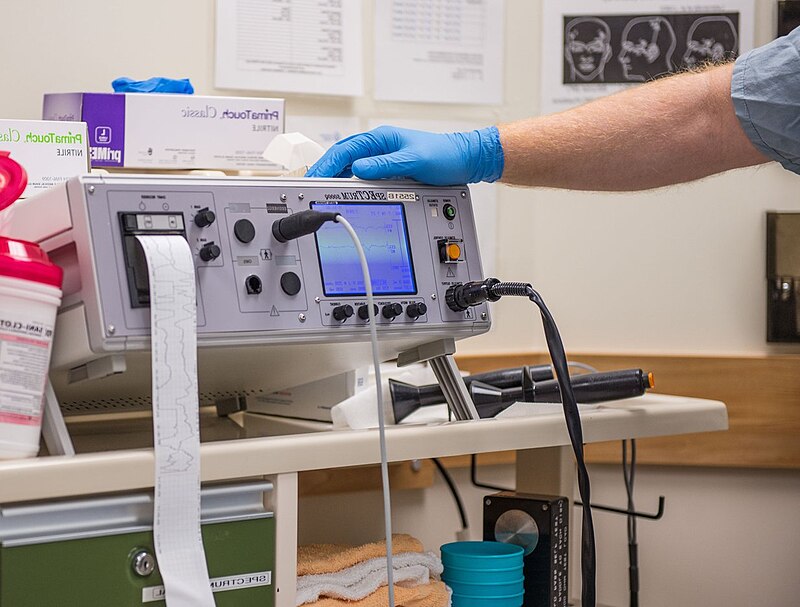
electroconvulsive therapy
medical procedure

N-acetyl-L-cysteine
Acetylcysteine or '''N-acetylcysteine (NAC'; not to be confused with N''-acetylcarnosine, which is also abbreviated NAC) is a mucolytic that is used to treat paracetamol (acetaminophen) overdose and to loosen thick mucus in individuals with chronic bronchopulmonary disorders, such as pneumonia and bronchitis. It has been used to treat lactobezoar in infants. It can be taken intravenously, orally (swallowed by mouth), or inhaled as a mist by use of a nebulizer. It is also sometimes used as a dietary supplement.
light therapy
therapy consisting of exposure to daylight or to specific wavelengths of light, for a prescribed amount of time or at a specific time of day.
omega-6 fatty acid
fatty acids with a double bond (C=C) at the sixth carbon atom from the end of the carbon chain
transcranial magnetic stimulation
form of brain stimulation using magnetic fields

neuropsychiatry
thumb|X-ray image of deep brain stimulation, an experimental procedure used to treat disorders such as OCD and depression.
Neuropsychiatry is a branch of medicine that deals with psychiatry as it relates to neurology, in an effort to understand and attribute behavior to the interaction of neurobiology and social psychological factors. Within neuropsychiatry, the mind is considered "as an emergent property of the brain", whereas other behavioral and neurological specialties might consider the two as separate entities. Those disciplines are typically practiced separately.
ethyl eicosapentaenoate
chemical compound
Dark therapy
use of darkness to treat psychological conditions
Suicide intervention
direct efforts to reduce the incidence of suicide