Category
page 1Trees of South America

Carica papaya
The papaya (, ), papaw, () or pawpaw () is the plant species Carica papaya, one of the 21 accepted species in the genus Carica of the family Caricaceae. Papaya is also the name of its fruit. It was first domesticated in Mesoamerica, within modern-day southern Mexico and Central America. It is grown in several countries in regions with a tropical climate. In 2024, India was the leading producer, accounting for 36% of the world total.

Ceiba pentandra
species of plant

Euterpe oleracea
species of plant
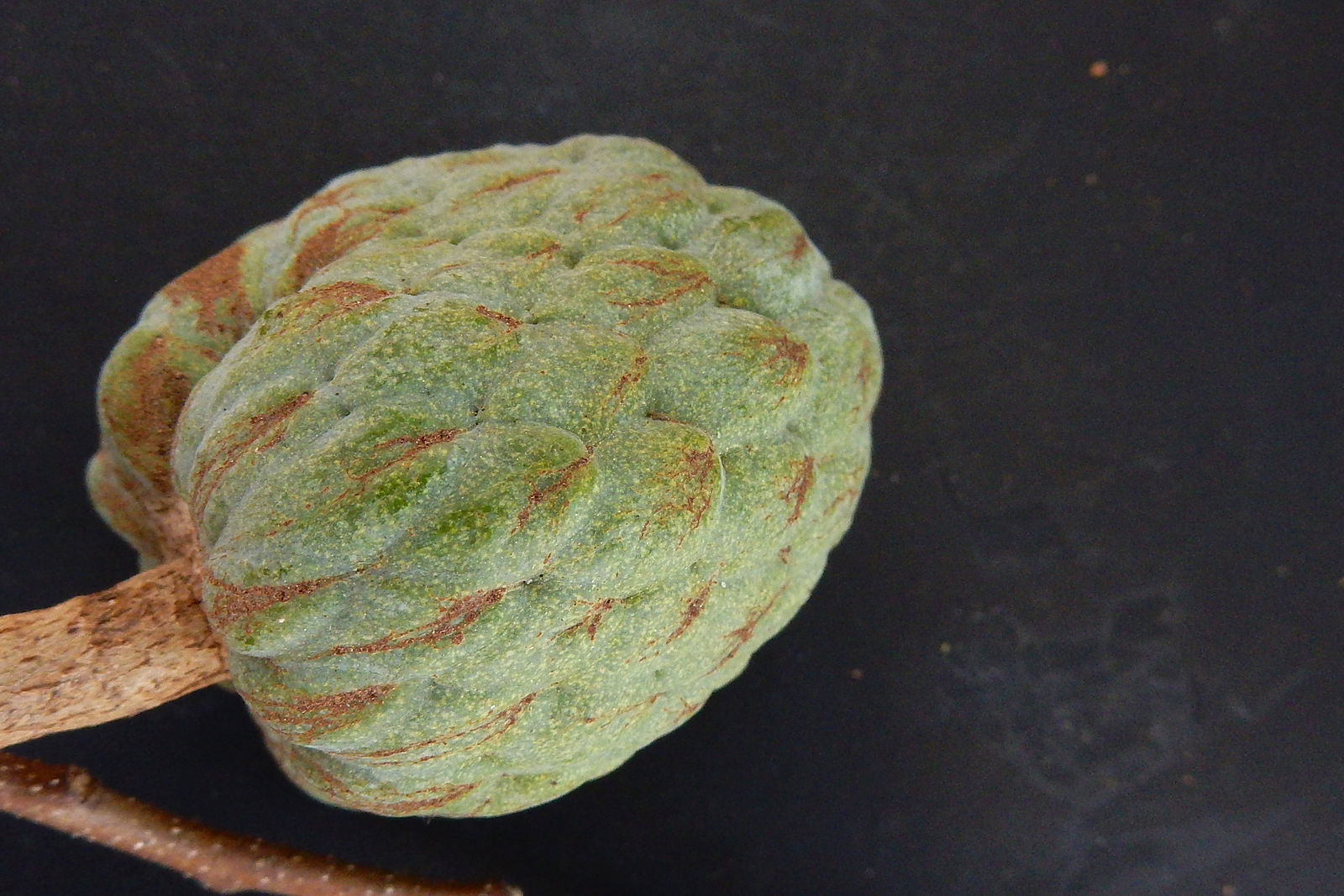
Annona reticulata
species of plant

Vachellia farnesiana
species of plant
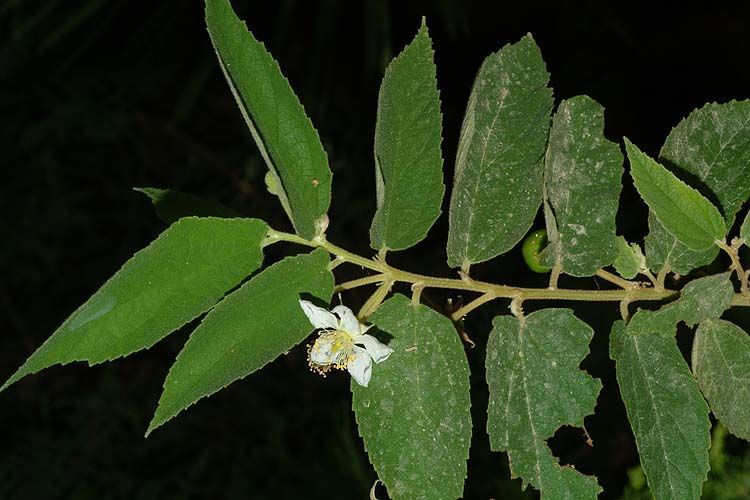
Muntingia calabura
Muntingia is a genus of plants in the family Muntingiaceae, comprising only one species, Muntingia calabura, named in honour of Abraham Munting. It is native from Mexico south to Bolivia and Argentina. Its fruit is edible, and it has been widely introduced in other tropical areas.

Spondias purpurea
species of plant

Cedrela odorata
species of plant

Genipa americana
species of plant
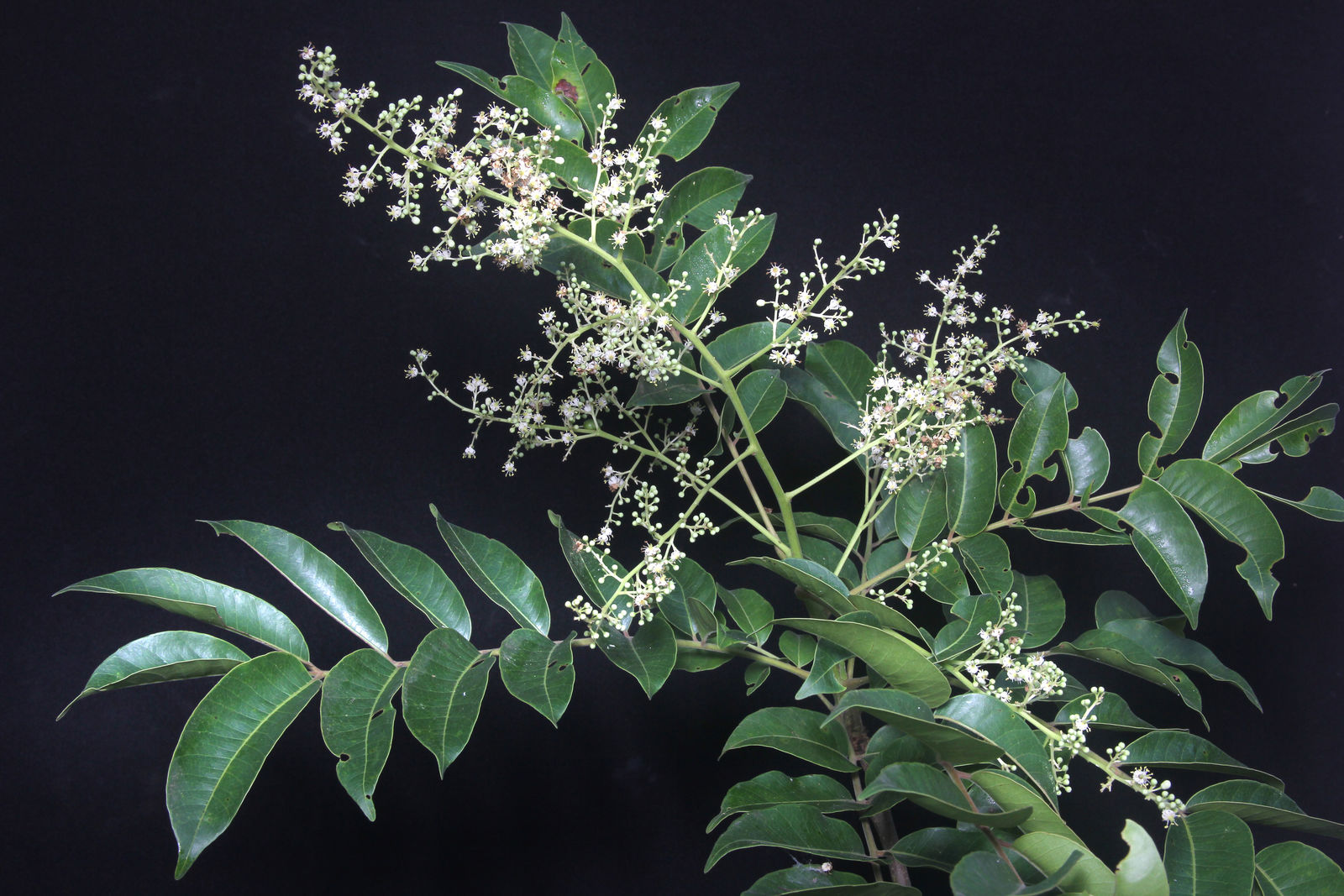
Spondias mombin
species of plant

Myrciaria dubia
species of plant

Annona mucosa
Species of tropical flowering plant
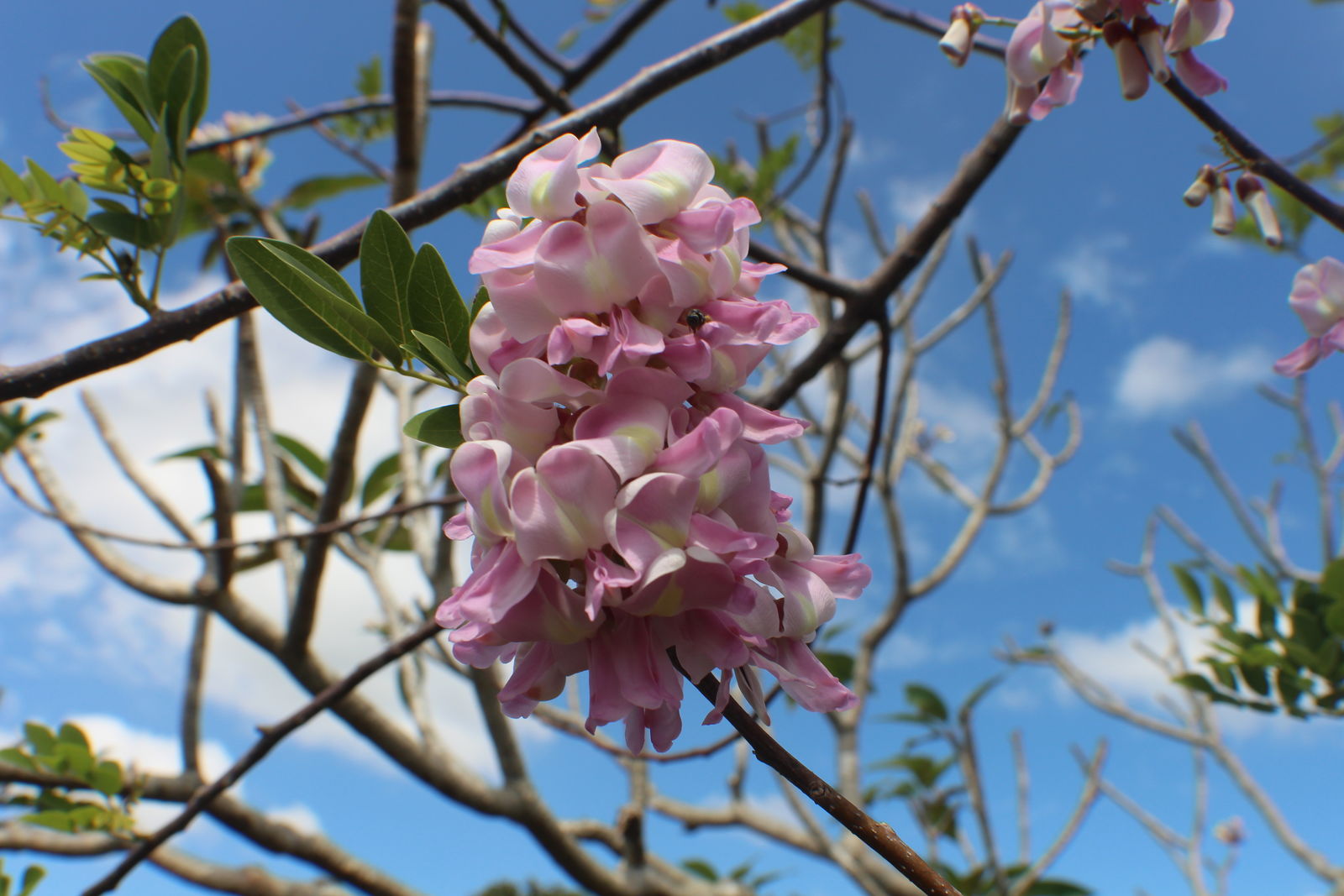
Gliricidia sepium
species of plant
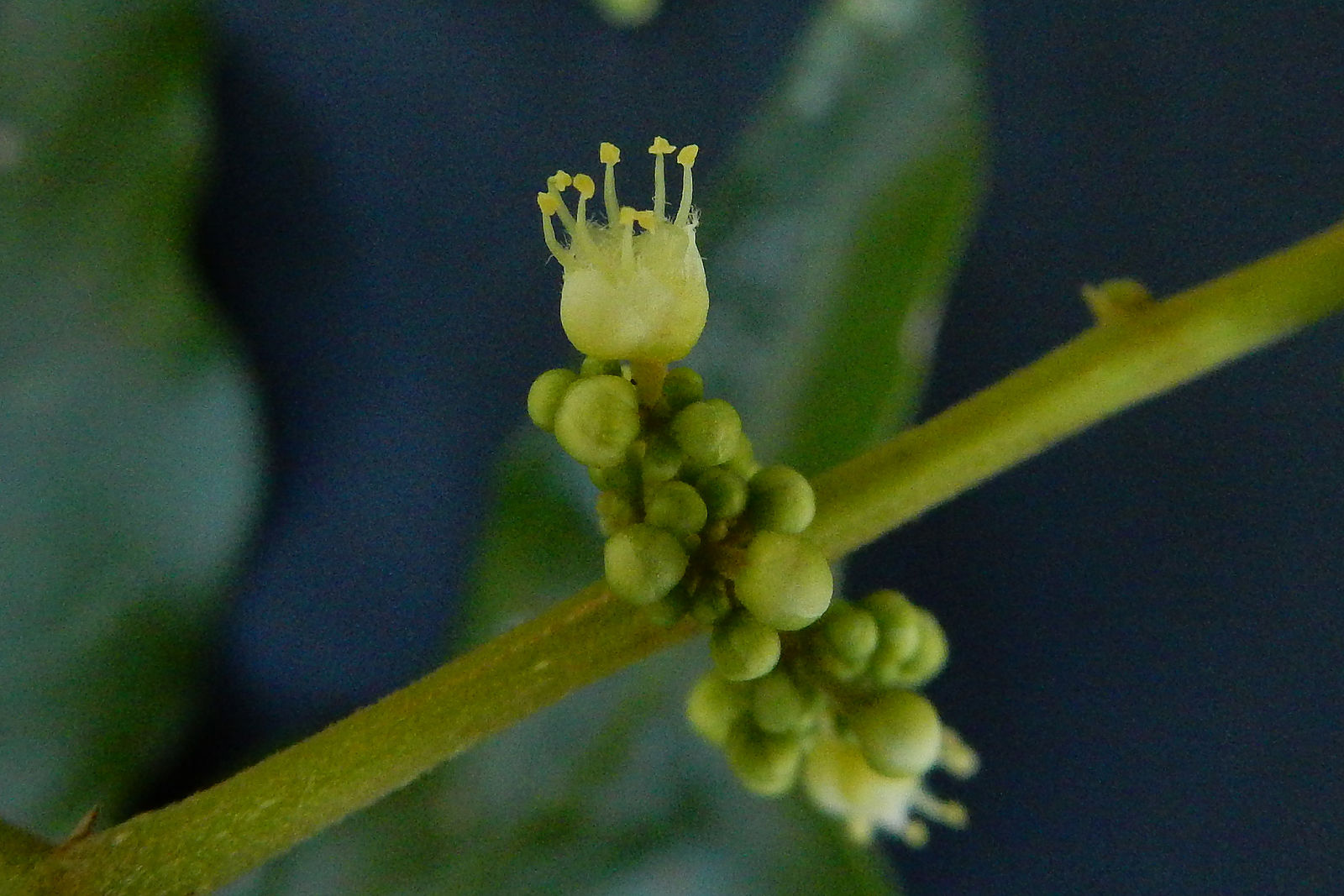
Sapindus saponaria
species of plant

Bursera simaruba
species of plant
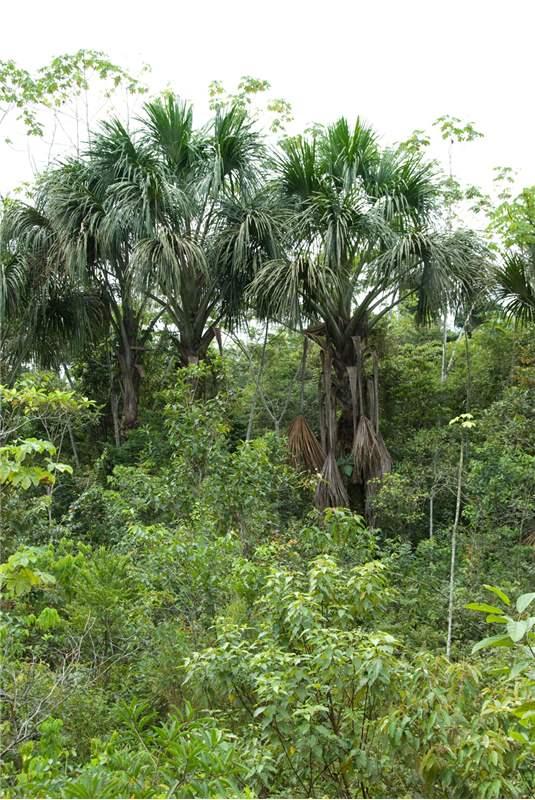
Mauritia
Mauritia is a genus of fan palms which is native to northern South America and to the Island of Trinidad in the Caribbean. Only two species are currently accepted.
{| class="wikitable"
|-
! Image !!Fruit !! Scientific name !! Distribution
|-
|120px||120px||Mauritia flexuosa||widely distributed across northern South America as far south as Bolivia, extending north to Trinidad
|-
|120px || ||Mauritia carana||Amazon regions of Brazil, Venezuela, Peru, and Colombia.
|-
|}
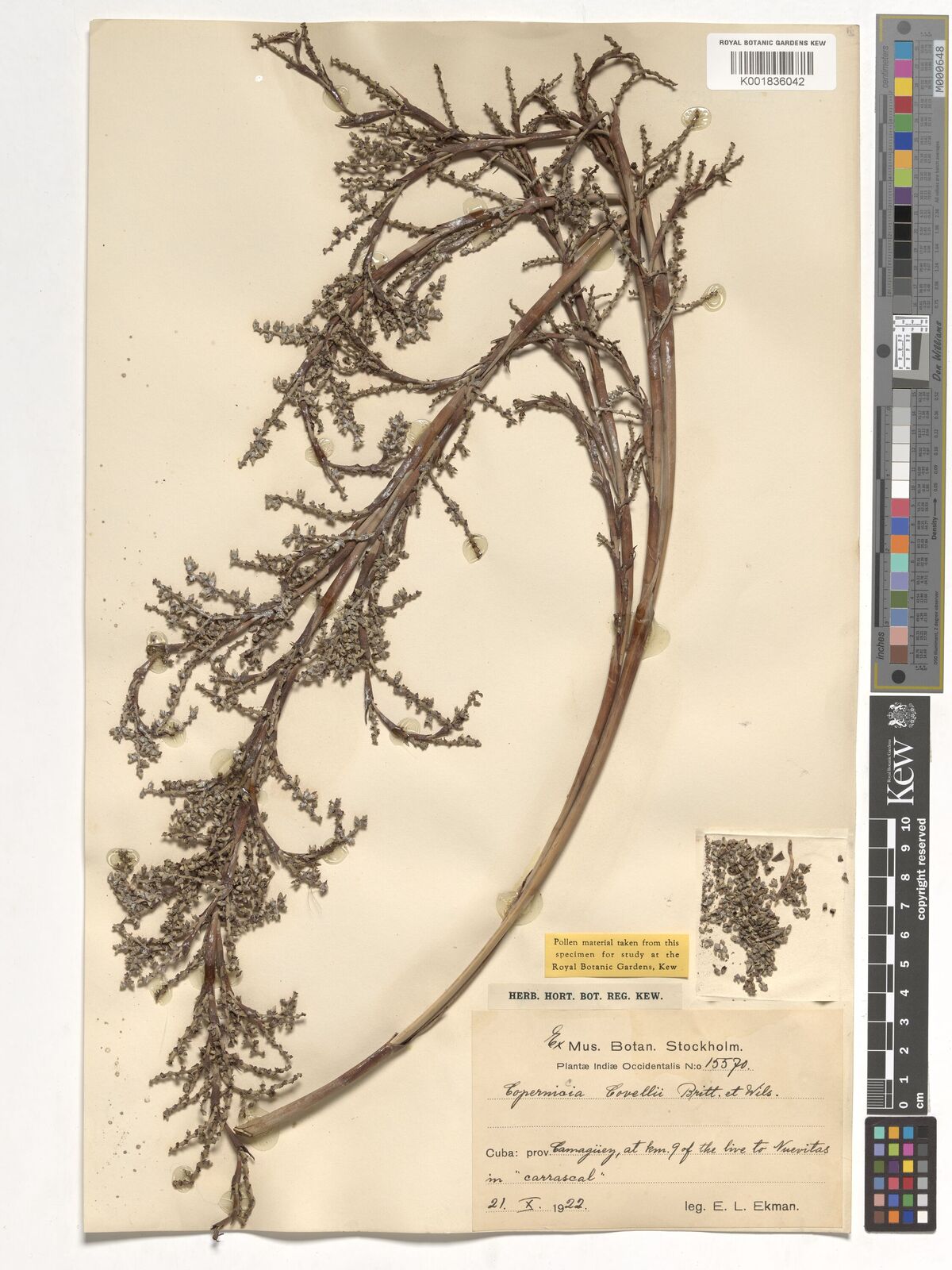
Copernicia
Copernicia is a genus of palms native to South America and the Greater Antilles. Of the known species and nothospecies (hybrids), 22 of the 27 are endemic to Cuba. They are fan palms (Arecaceae tribe Corypheae), with the leaves with a bare petiole terminating in a rounded fan of numerous leaflets. The species are small to medium-sized trees growing to 5–30 m tall, typically occurring close to streams and rivers in savanna habitats. The genus is named after the astronomer Nicolaus Copernicus. In some of the species, the leaves are coated with a thin layer of wax, known as carnauba wax.
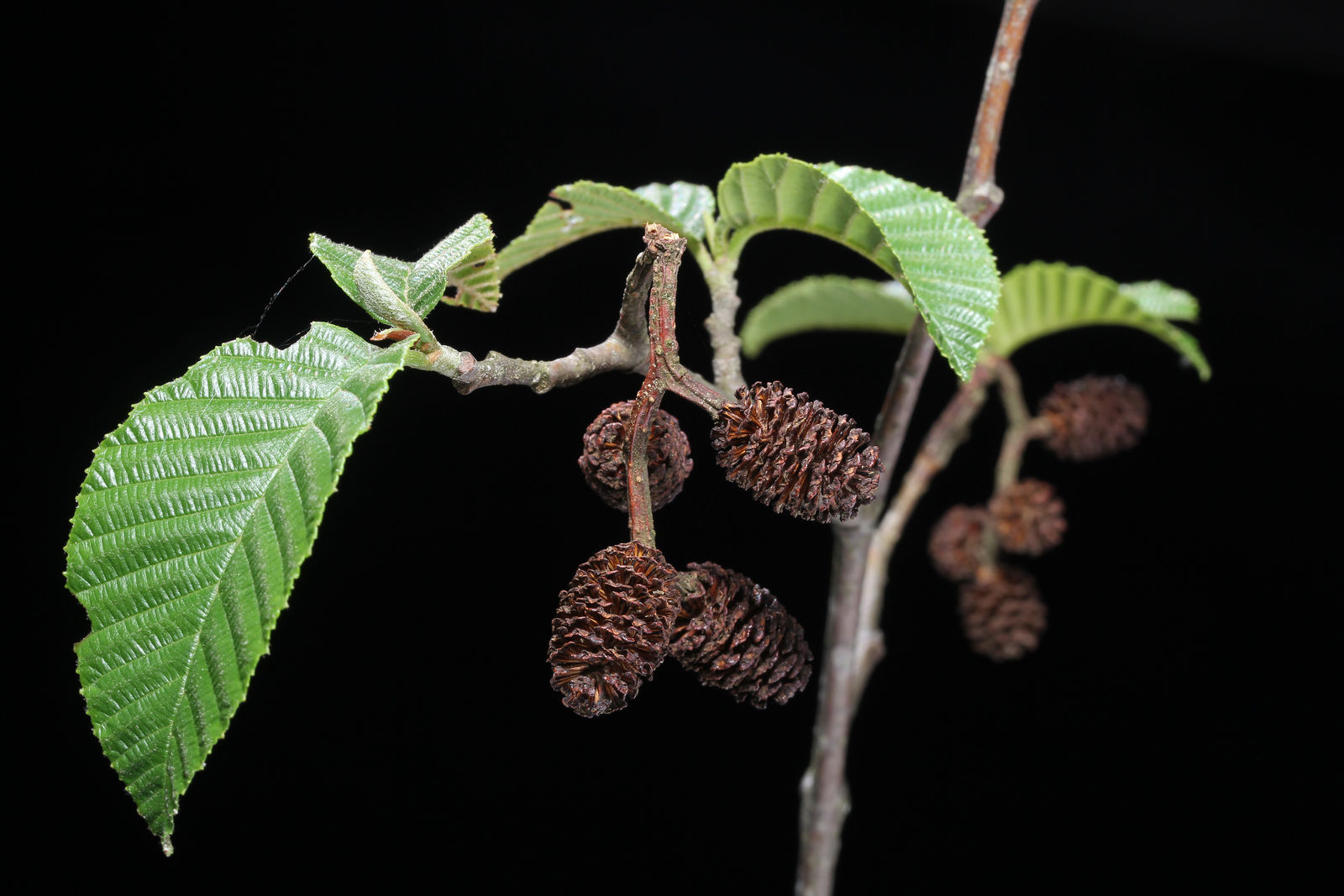
Alnus acuminata
species of plant

Syagrus romanzoffiana
species of plant

Manilkara bidentata
species of plant
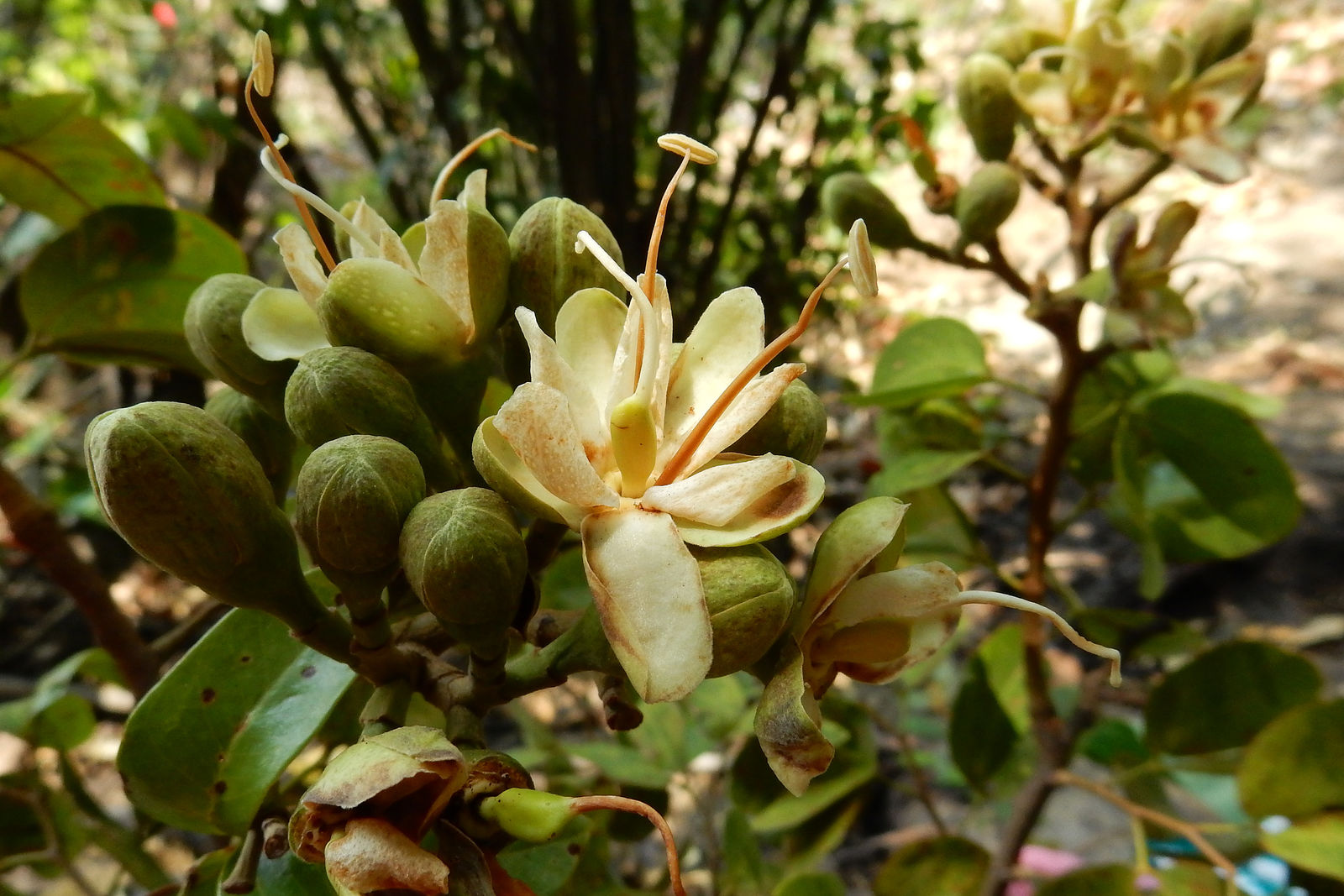
Hymenaea courbaril
species of plant
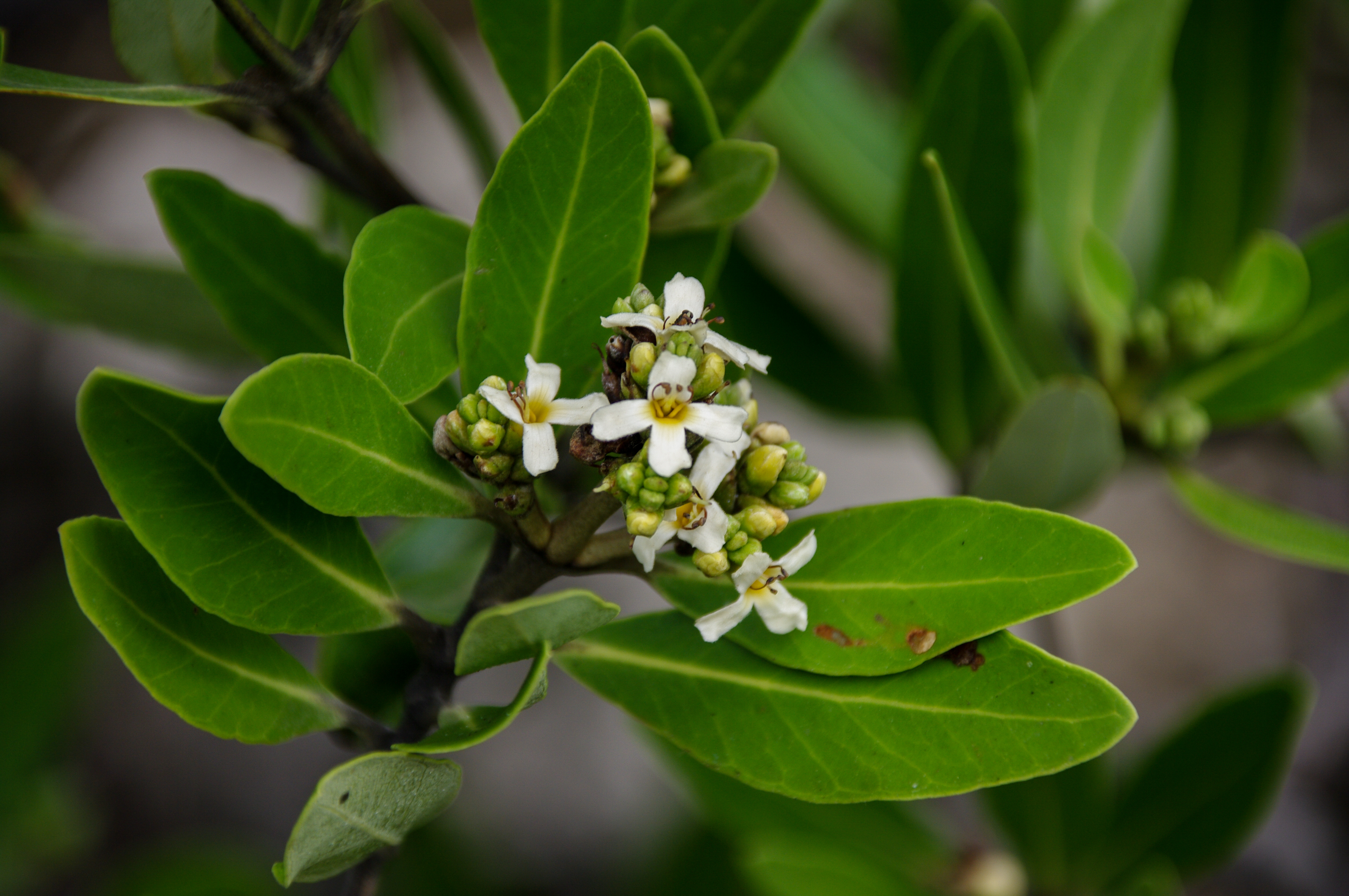
Avicennia germinans
species of plant

Aspidosperma quebracho-blanco
species of plant
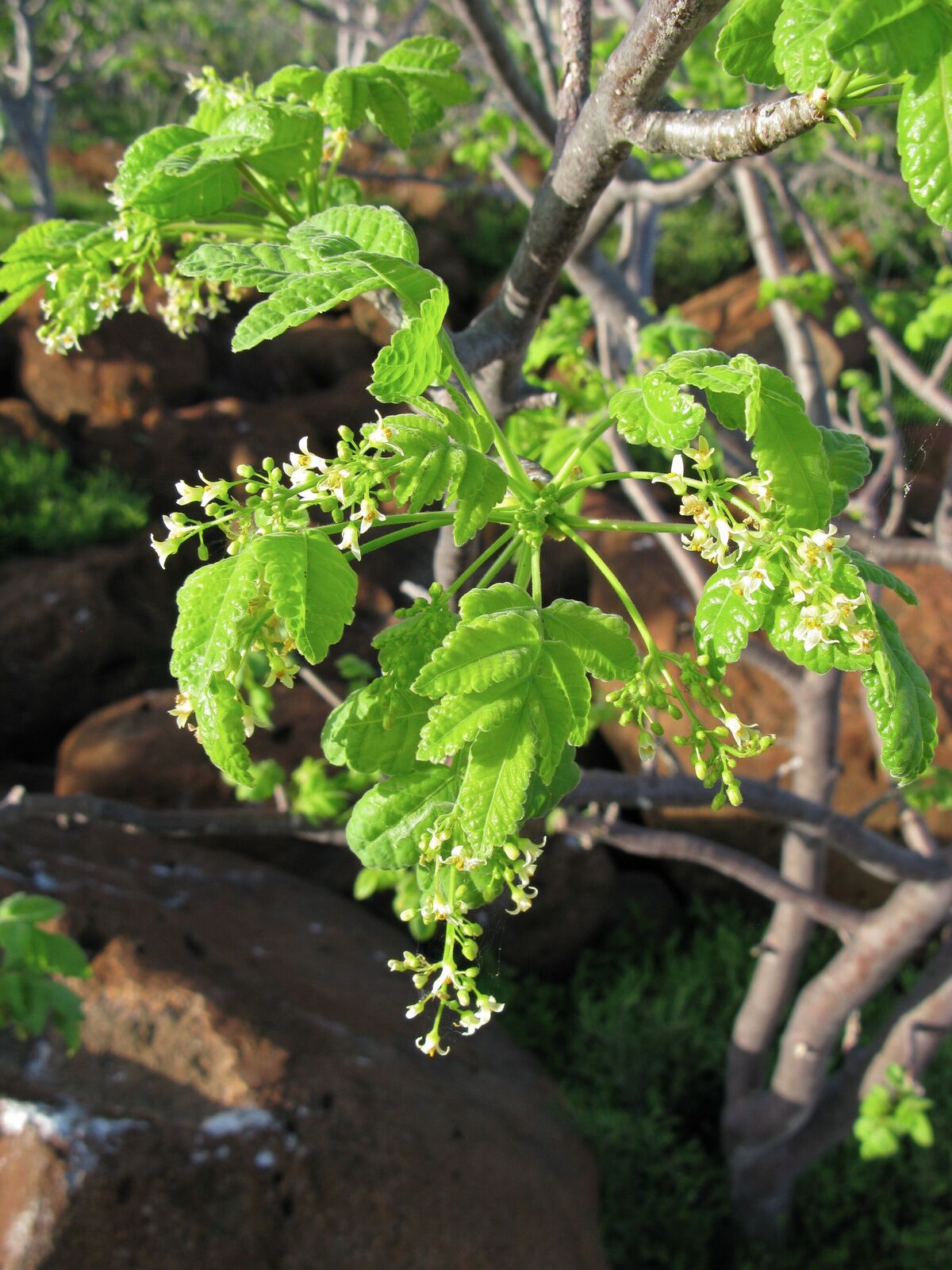
Bursera graveolens
species of plant
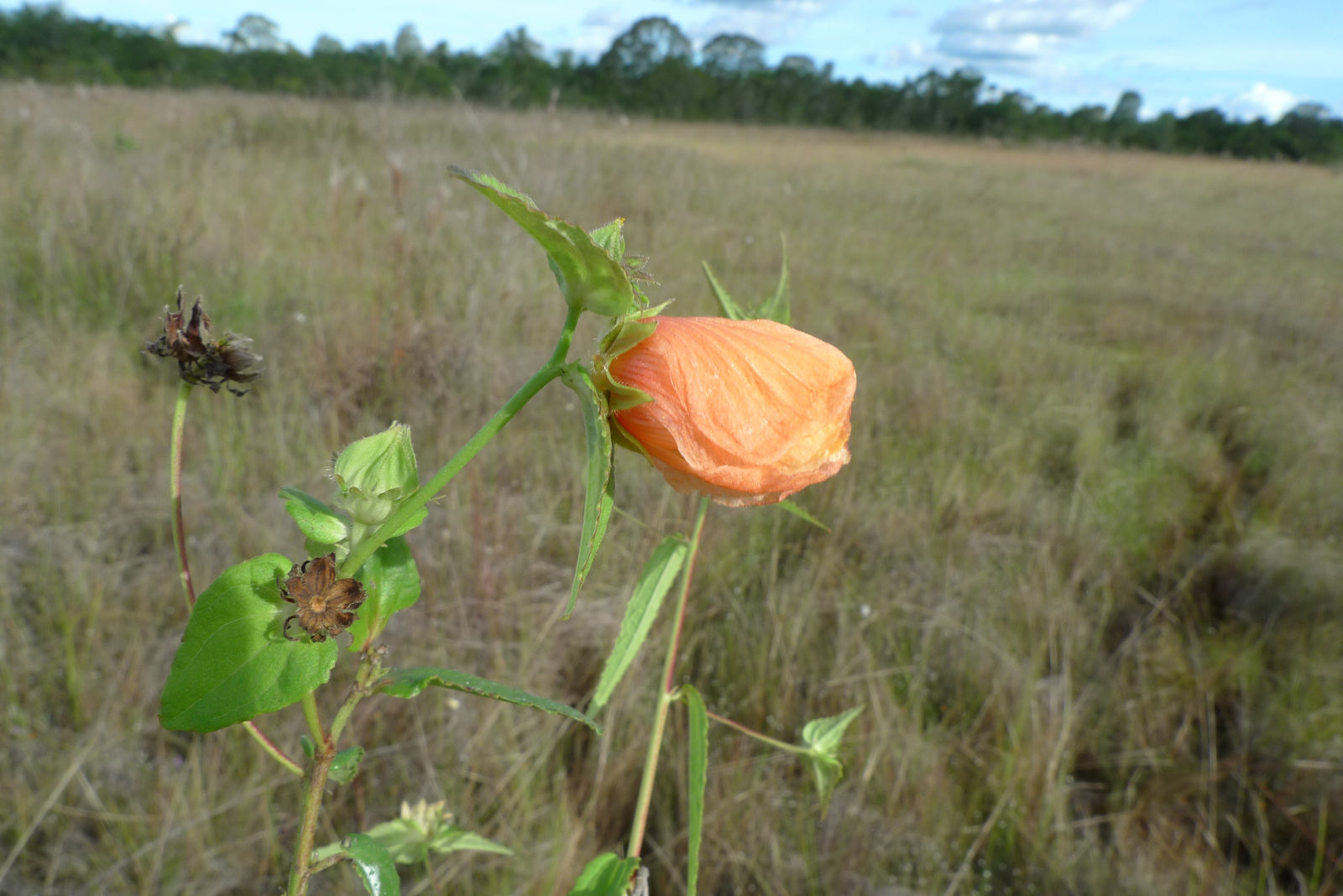
Theobroma bicolor
species of plant

Handroanthus chrysotrichus
species of tree
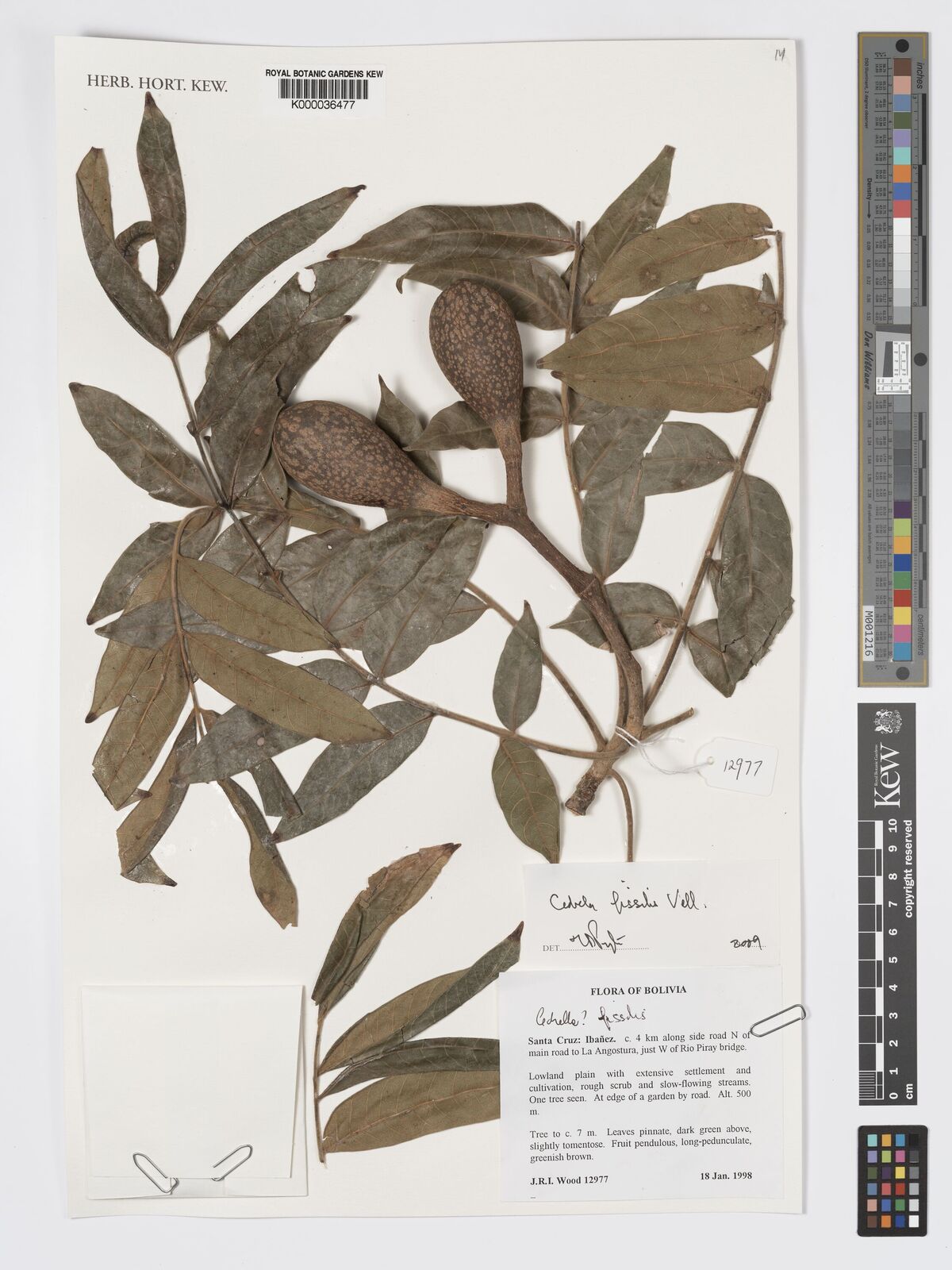
Cedrela fissilis
species of plant

Zanthoxylum fagara
species of plant
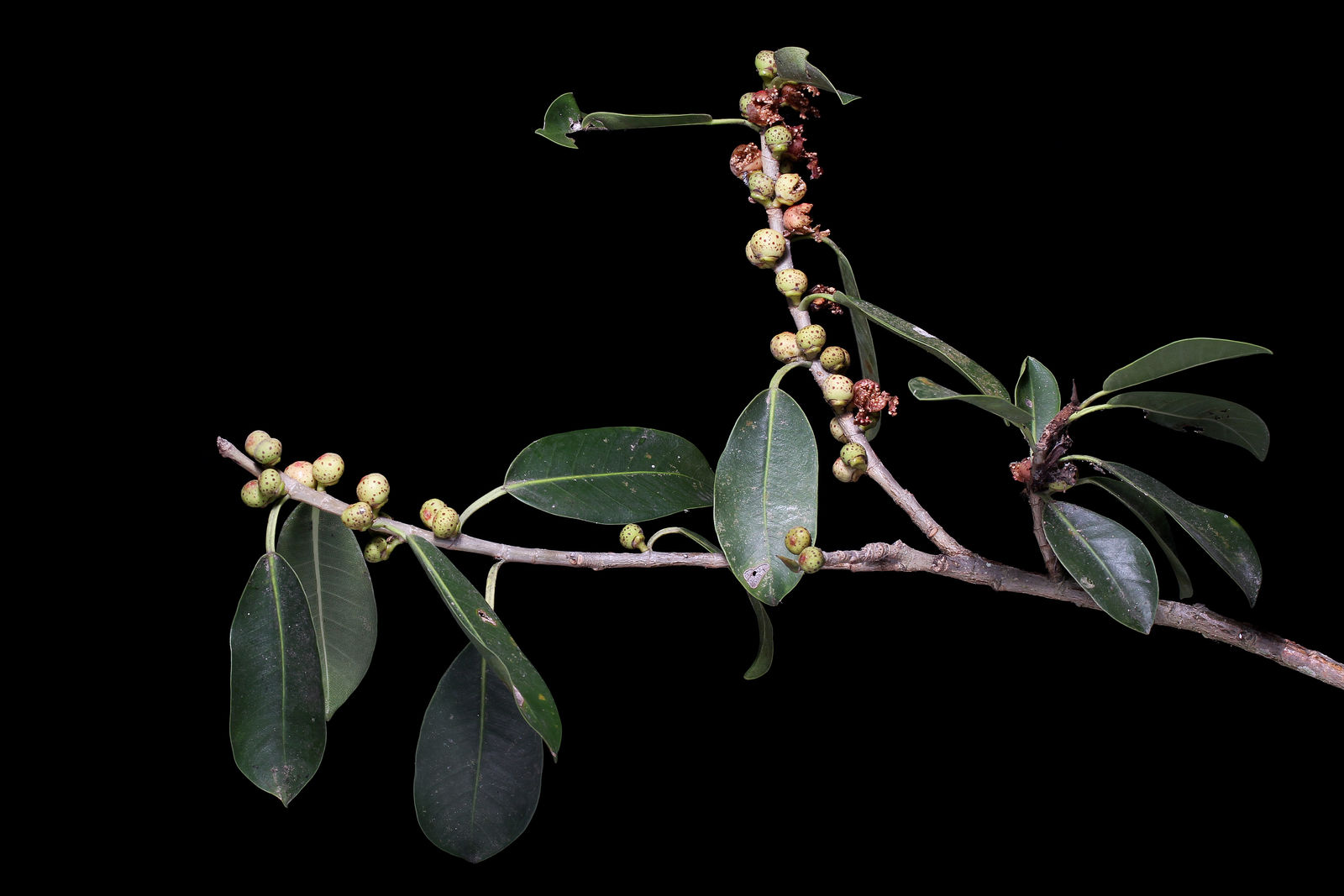
Ficus americana
species of fig tree native to the Neotropics

Acacia simplex
species of plant
Aniba rosaeodora
species of plant
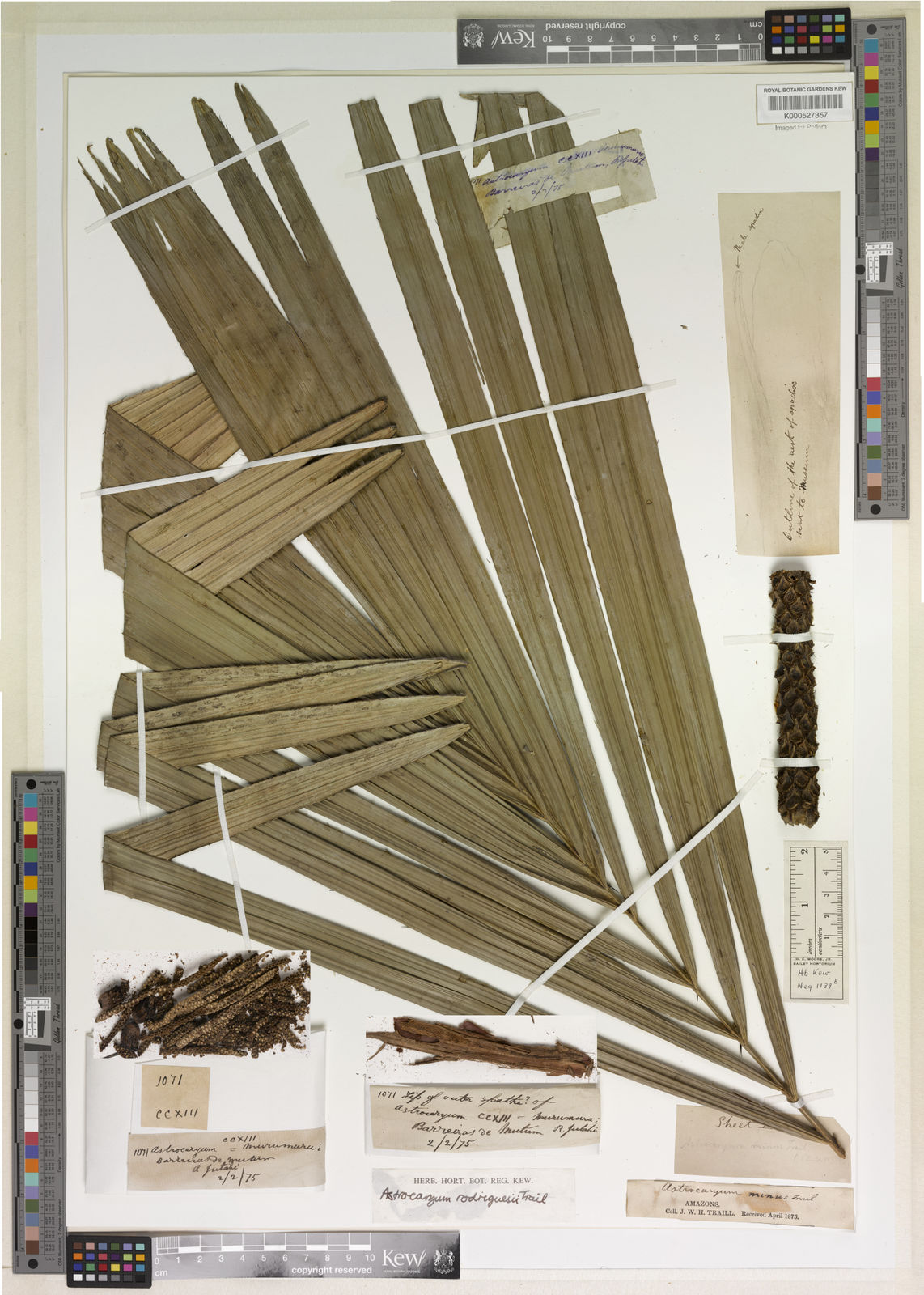
Astrocaryum aculeatum
species of plant

Acacia podalyriifolia
species of plant
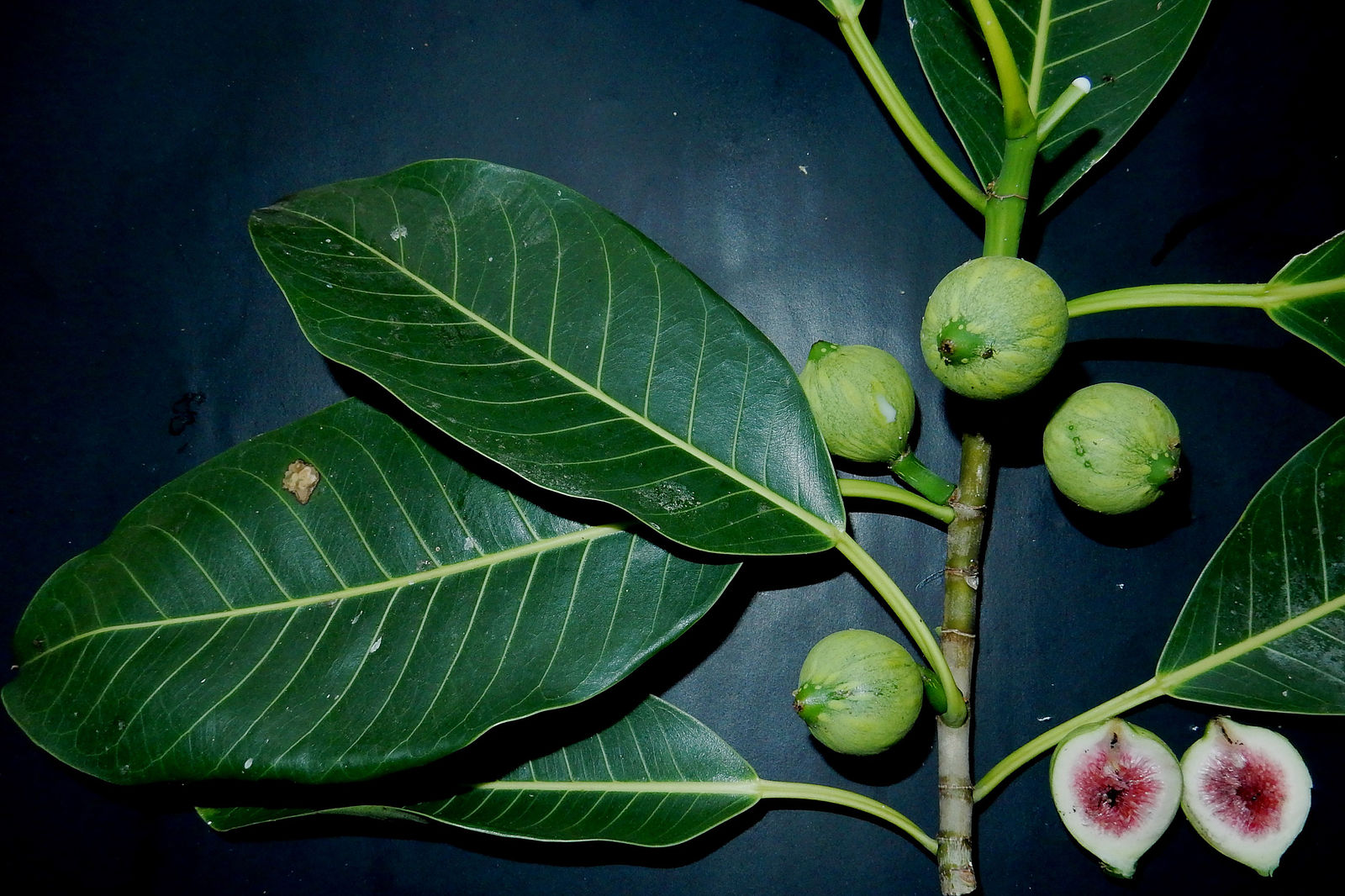
Ficus insipida
species of plant

Amburana cearensis
species of plant

Euterpe precatoria
species of plant

Carapa guianensis
species of plant
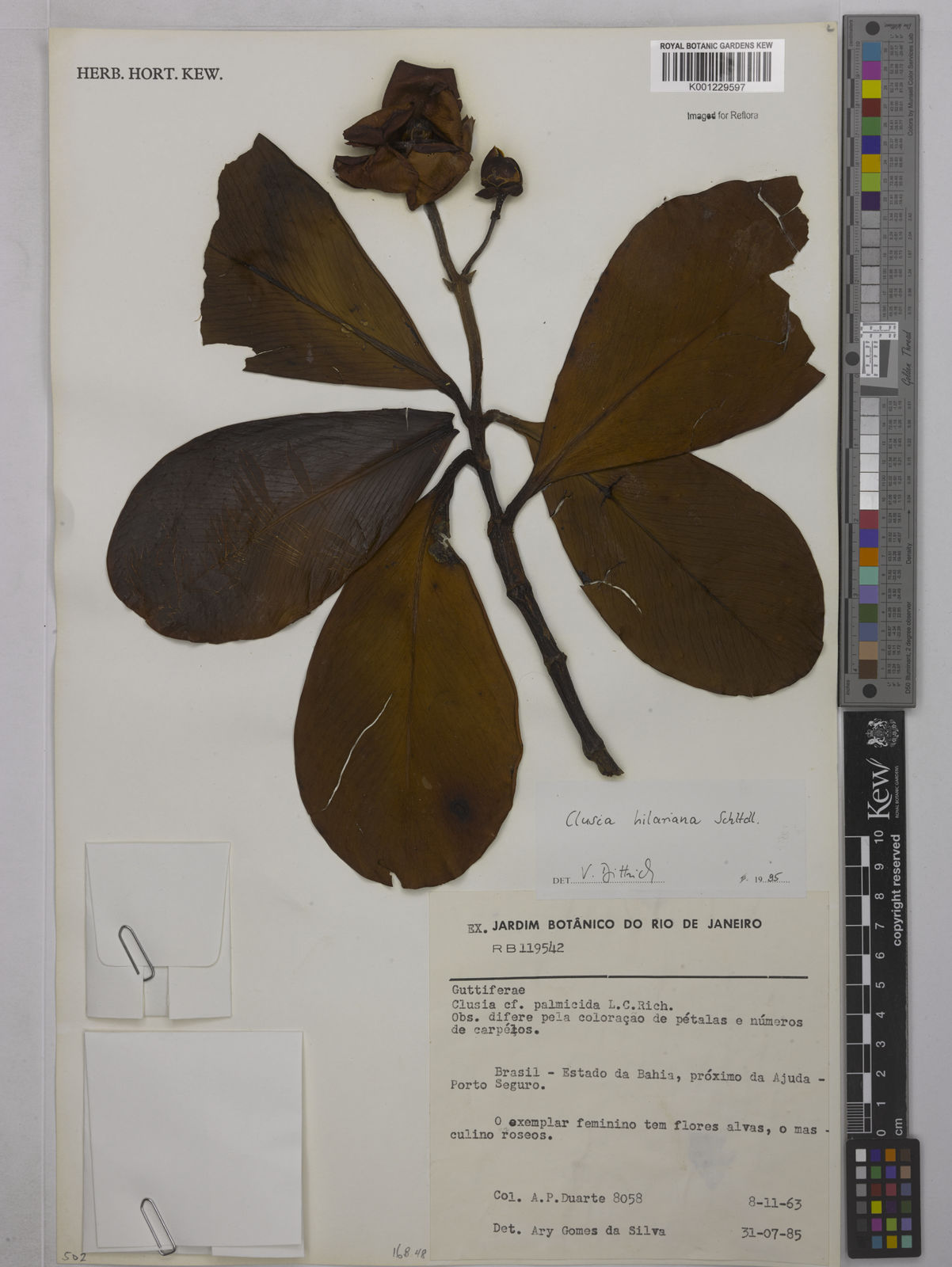
Clusia rosea
species of plant
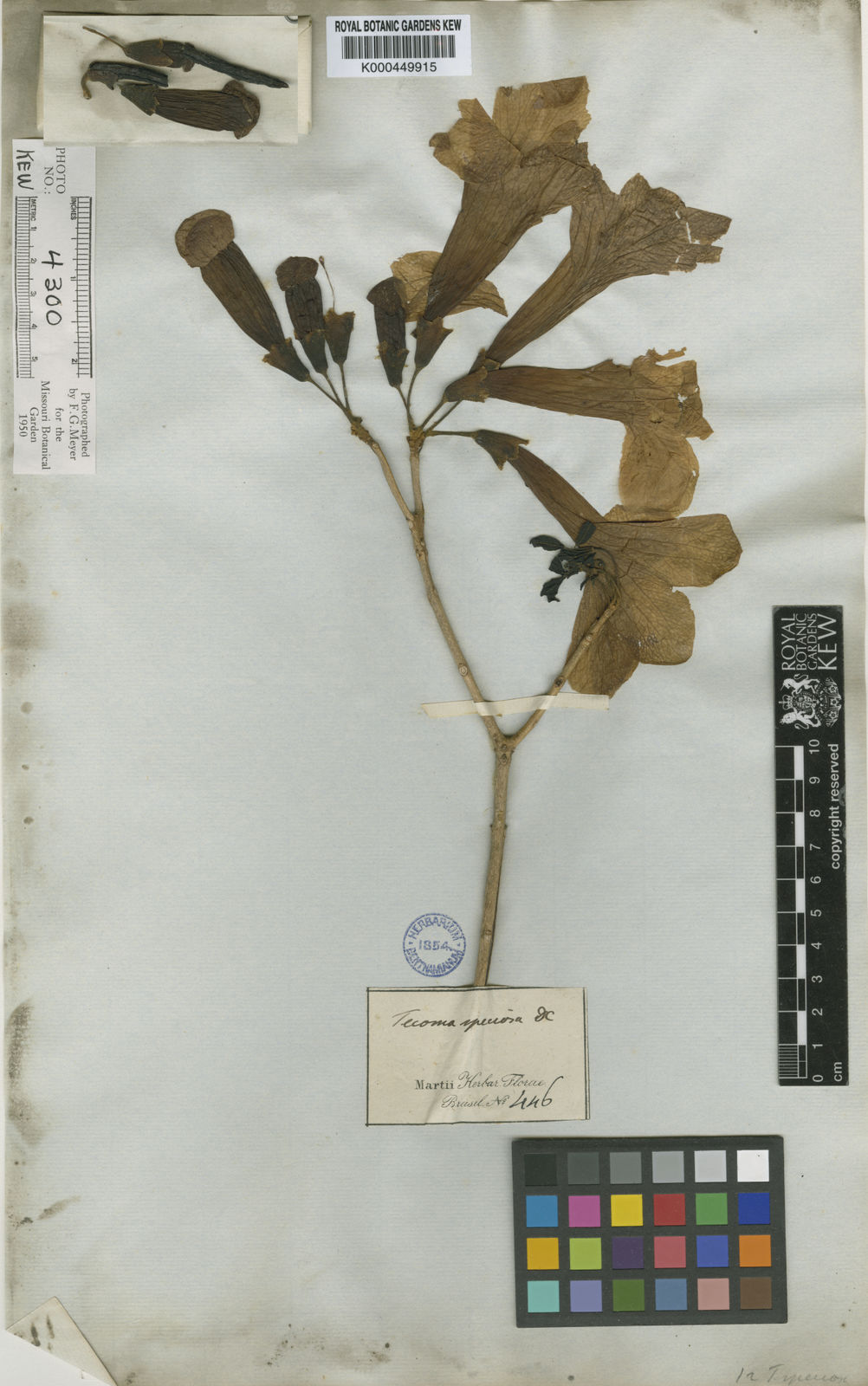
Handroanthus serratifolius
species of plant
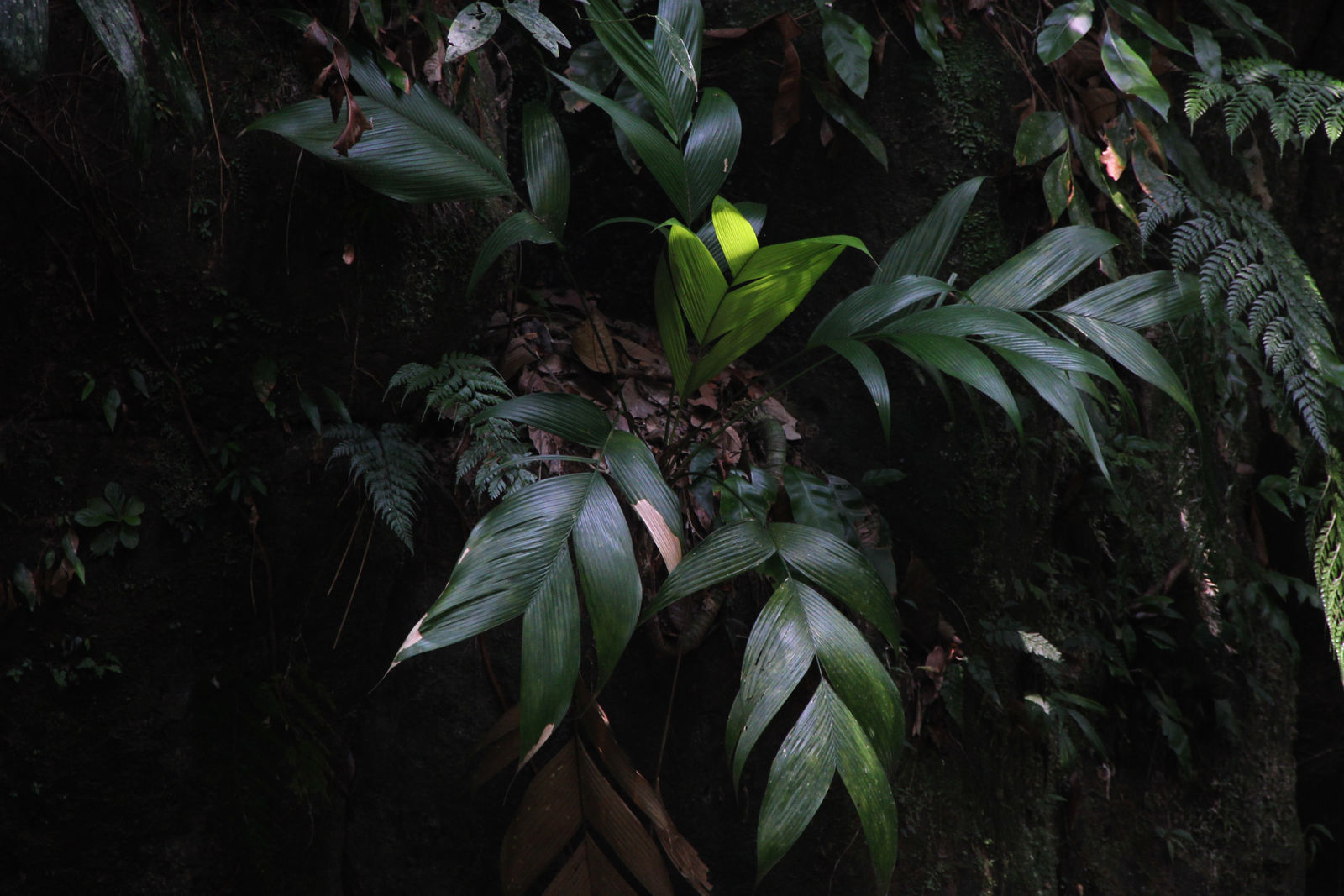
Geonoma
thumb|Geonoma stricta stricta - MHNT
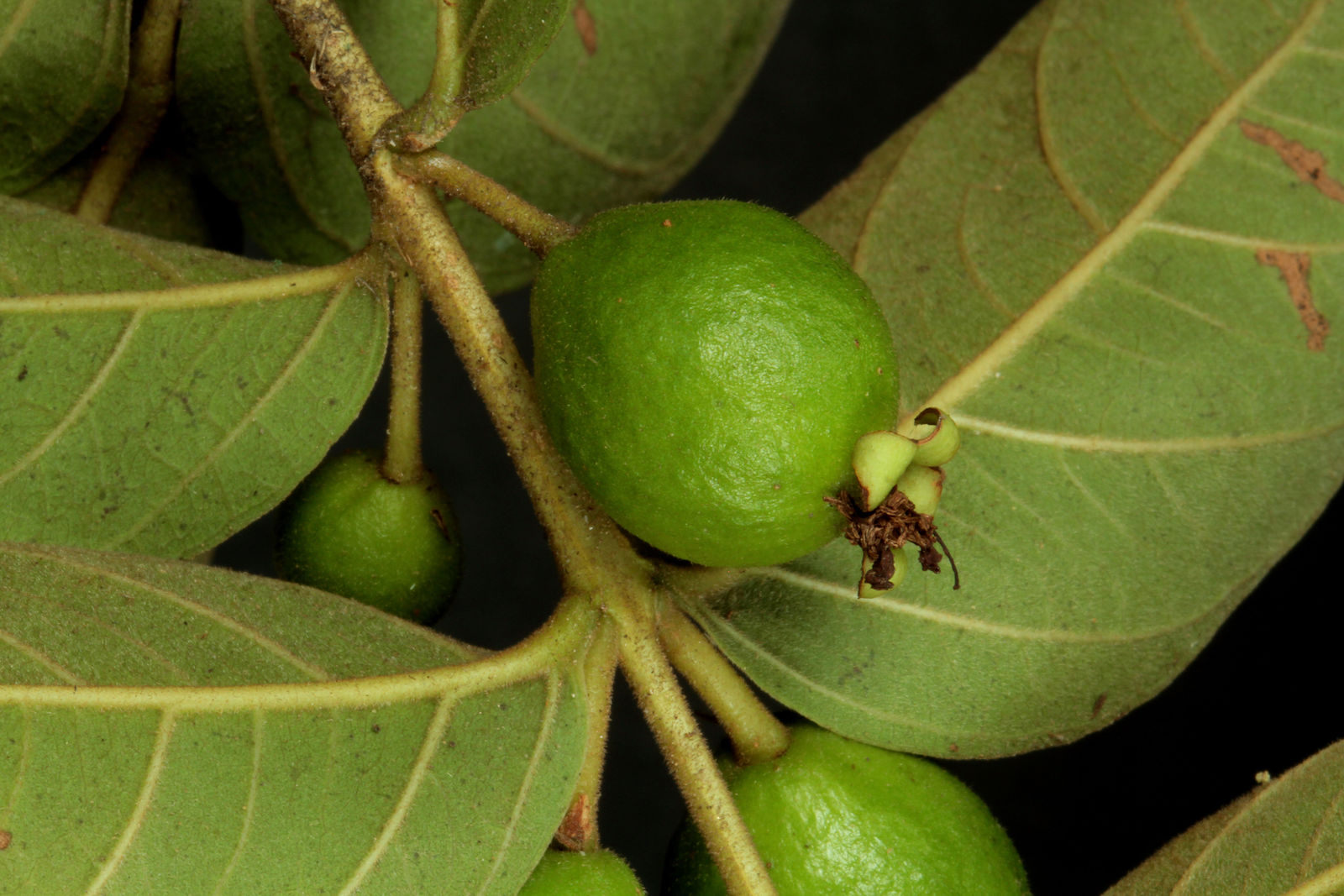
Psidium guineense
species of plant

Cochlospermum vitifolium
species of plant
Guavaberry
species of plant
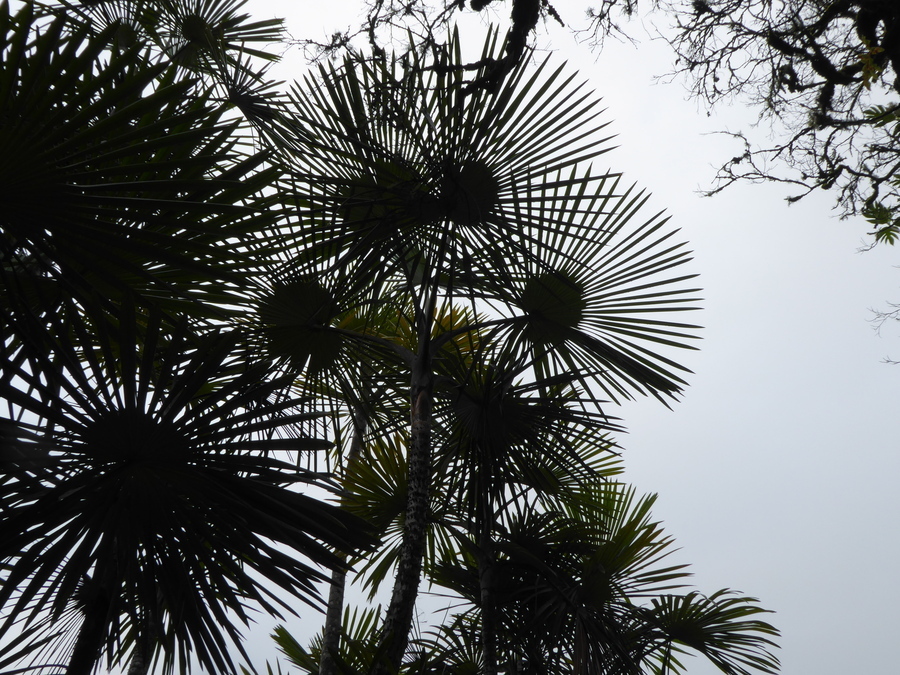
Mauritiella
Mauritiella is a dioecious genus of flowering plant in the palm family found in South America where it is commonly called buriti. It is named after the similar and closely related genus Mauritia.

Ficus citrifolia
species of plant
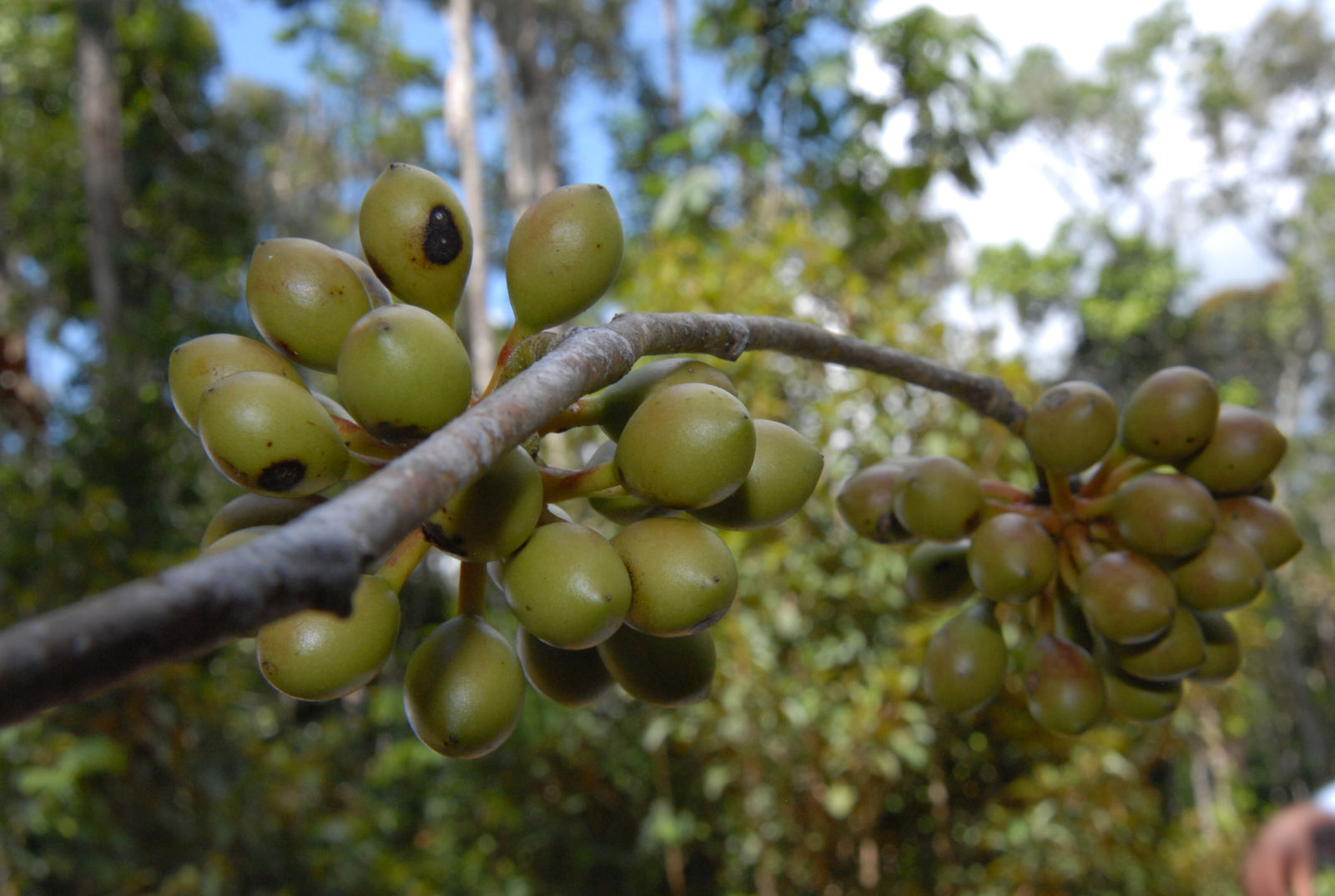
Guatteria
Guatteria is a genus of Central and South American flowering plants in the family Annonaceae. It is the largest genus in the family in South America, and the dominant genus in mature tropical forest. The fruits are berries, borne in clusters on short stalks.
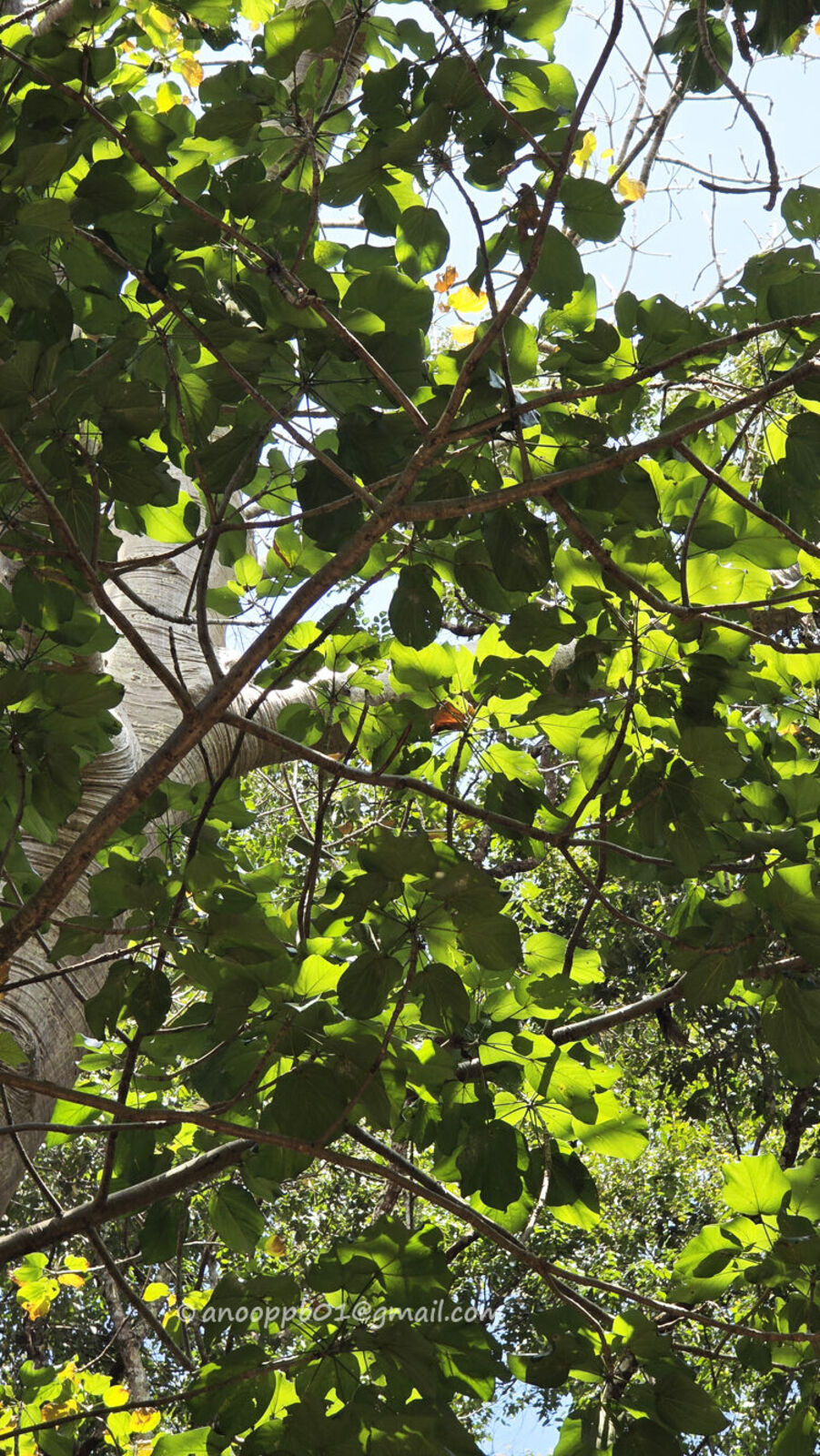
Cavanillesia platanifolia
species of plant
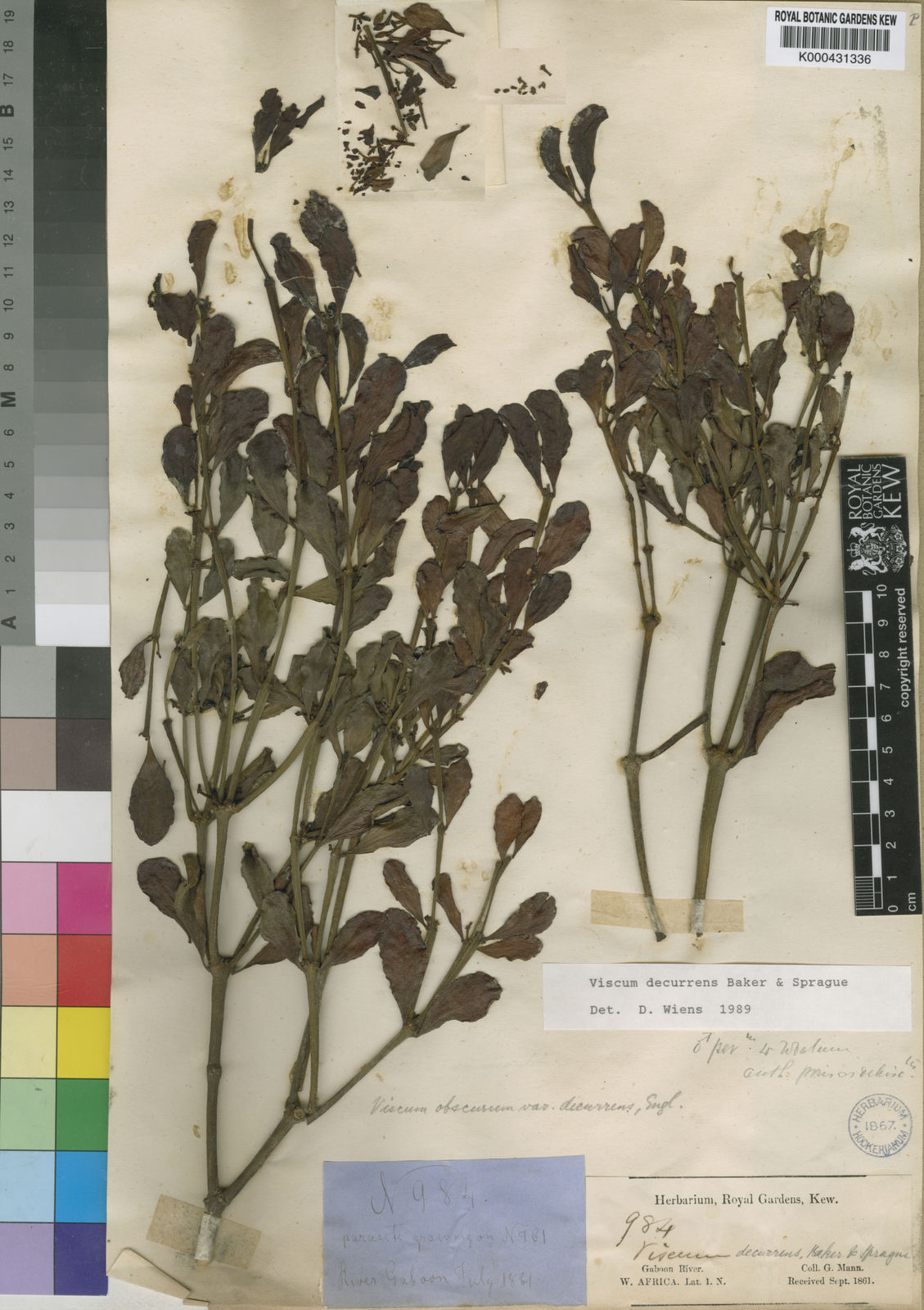
Symphonia globulifera
species of plant
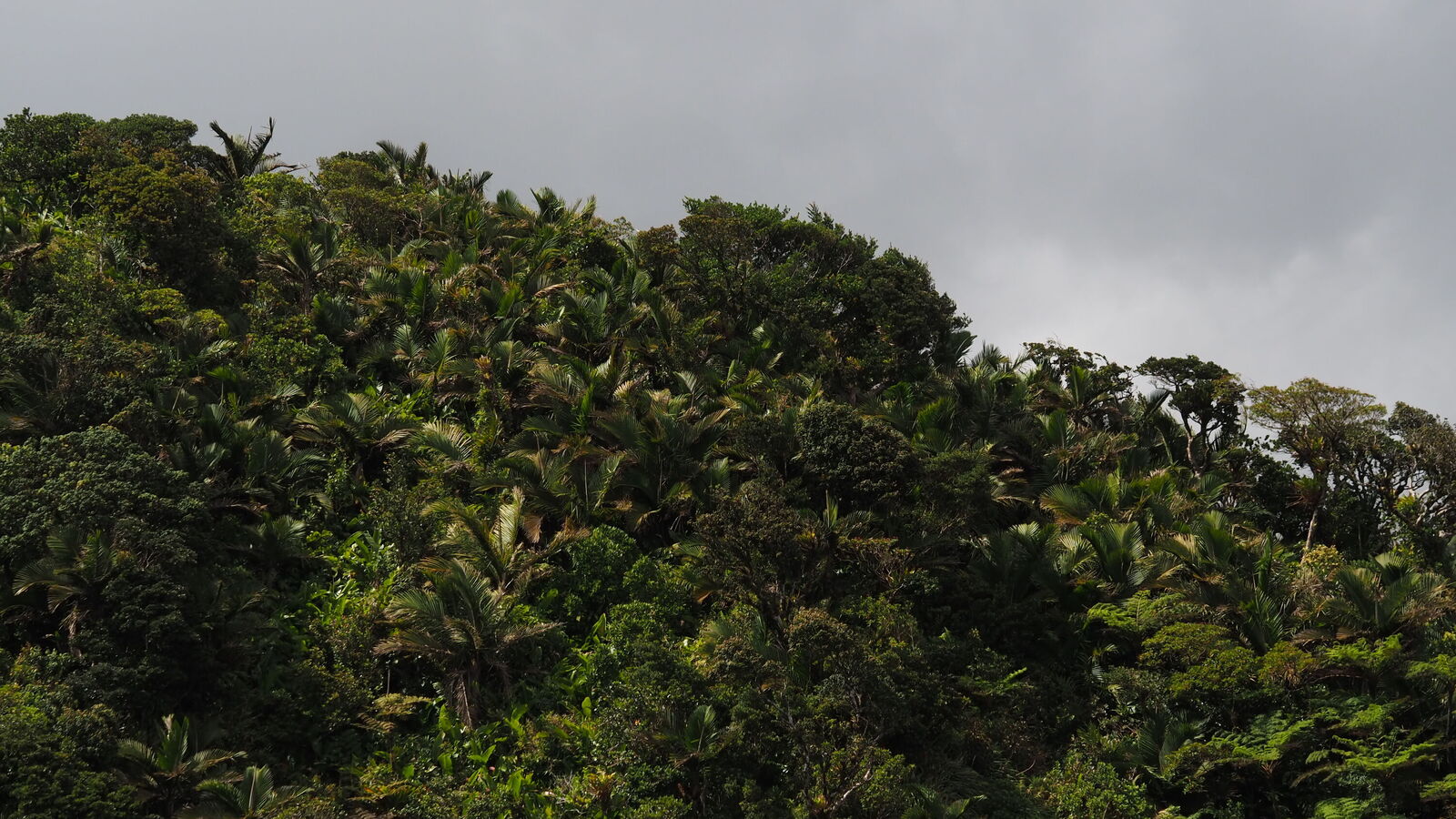
Prestoea
Prestoea is a genus of palms native to the Caribbean, Central and South America. Its range extends from Nicaragua and the Greater Antilles in the north to Brazil and Bolivia in the south.
==Species==
Prestoea acuminata (Willd.) H.E.Moore - Central America (Costa Rica, Nicaragua, Panama), West Indies, northwestern South America (Colombia, Venezuela, Ecuador, Peru, Bolivia)
Prestoea carderi (W.Bull) Hook.f. - Colombia, Venezuela, Ecuador, Peru
Prestoea decurrens H.E.Moore - Costa Rica, Nicaragua, Panama, Colombia, Ecuador
Prestoea ensiformis (Ruiz & Pav.) H.E.Moore - Costa Rica, Peru, Panama
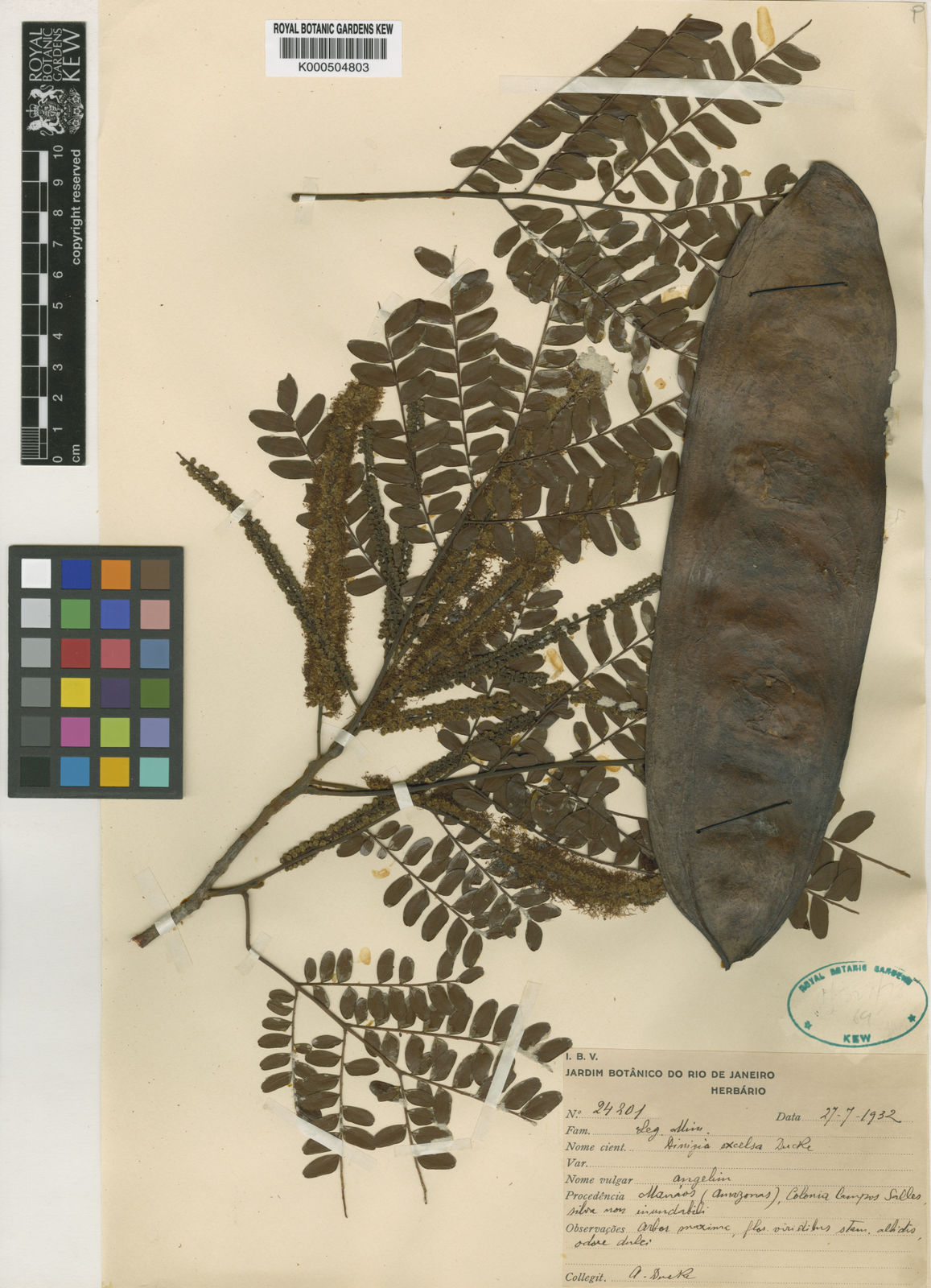
Dinizia excelsa
species of plant
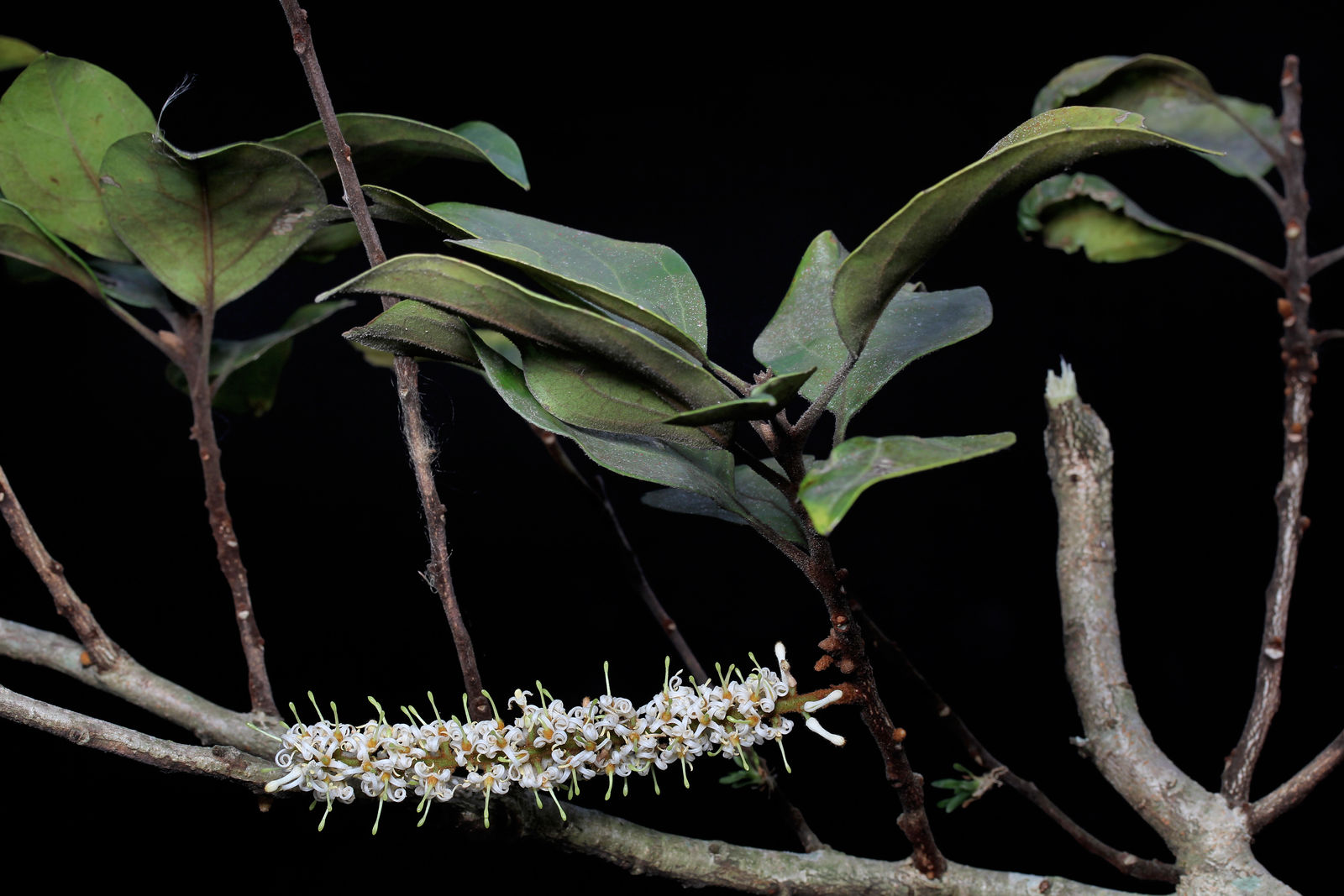
Roupala montana
species of plant
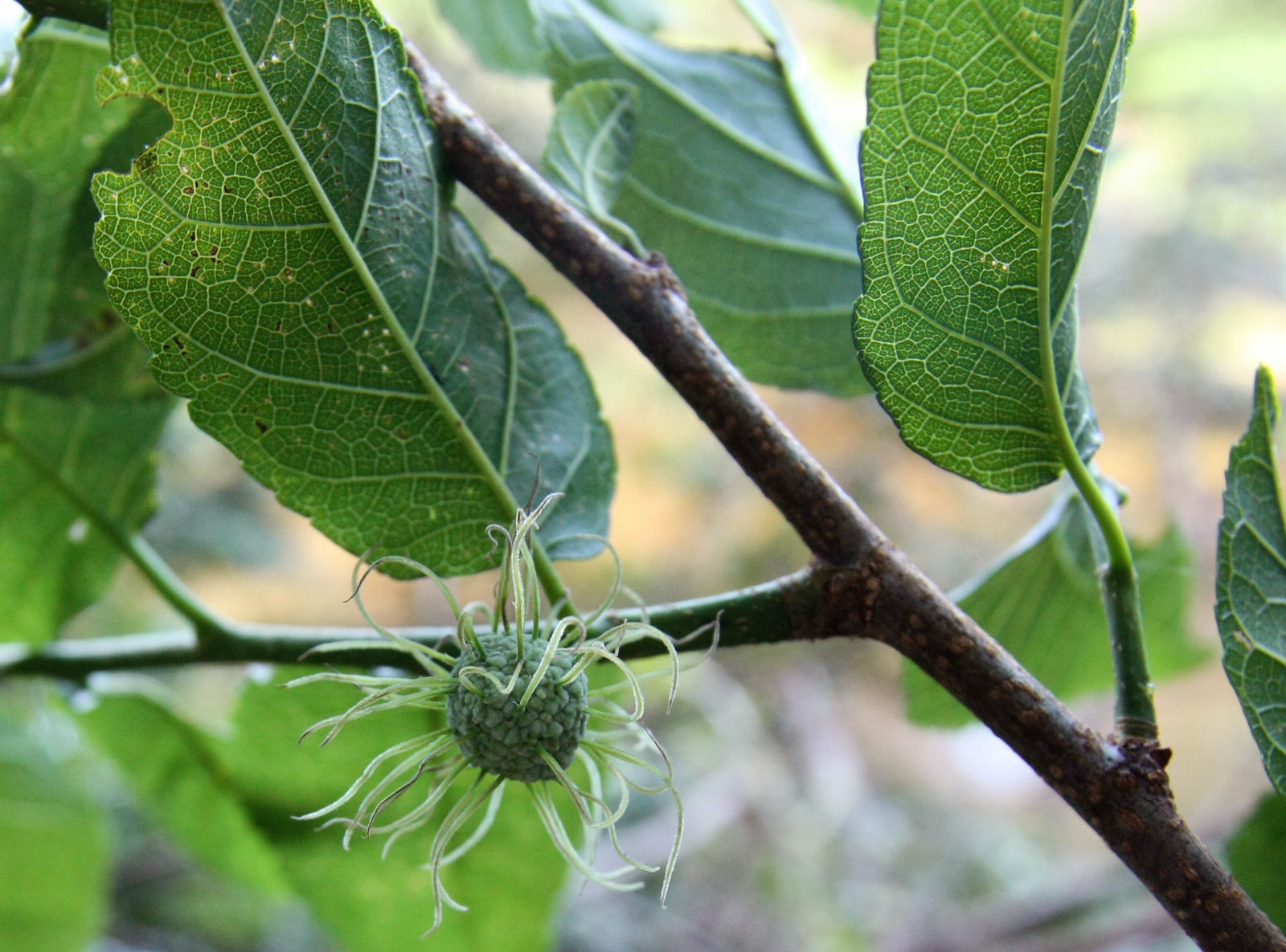
Maclura tinctoria
species of plant
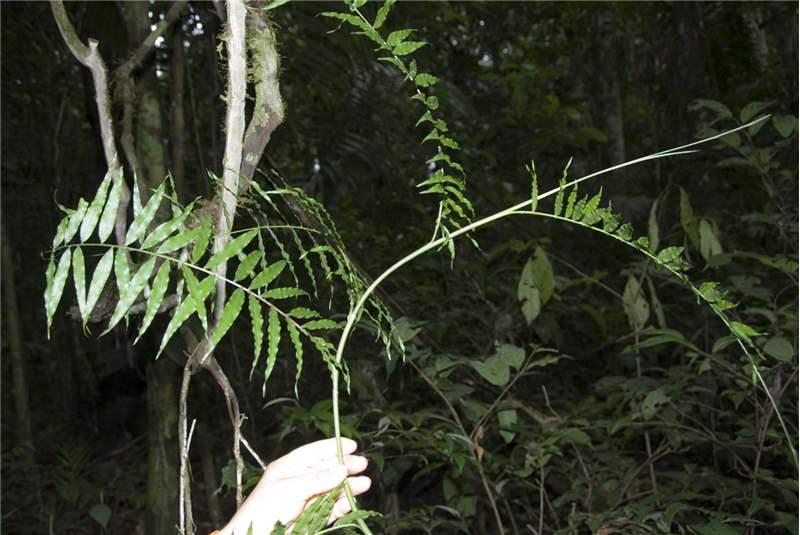
Desmoncus
Desmoncus is a genus of mostly climbing, spiny palms native to the Neotropics. The genus extends from Mexico in the north to Brazil and Bolivia in the south, with two species present in the southeastern Caribbean (Trinidad and the Windward Islands).
==Description==
Desmoncus is best known as a genus of climbing palms. Twenty-three of the 24 species recognised by Andrew Henderson in his revision of the genus are climbers; only one, D. stans is free-standing. Almost all Neotropical climbing palms belong to Desmoncus—the one exception being Chamaedorea elatior.
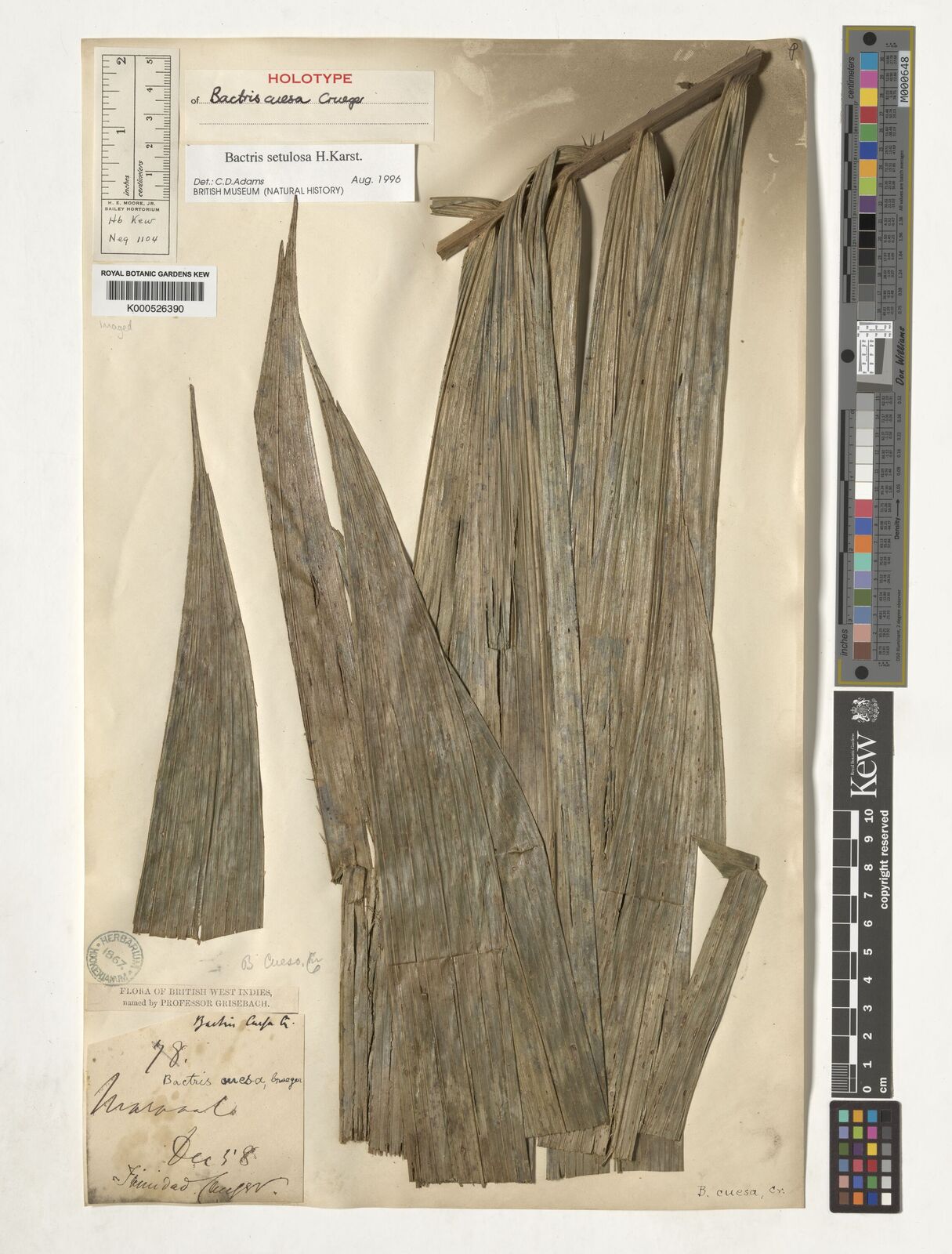
Bactris setulosa
species of plant

Libidibia ferrea
species of plant

Ocotea aciphylla
species of plant
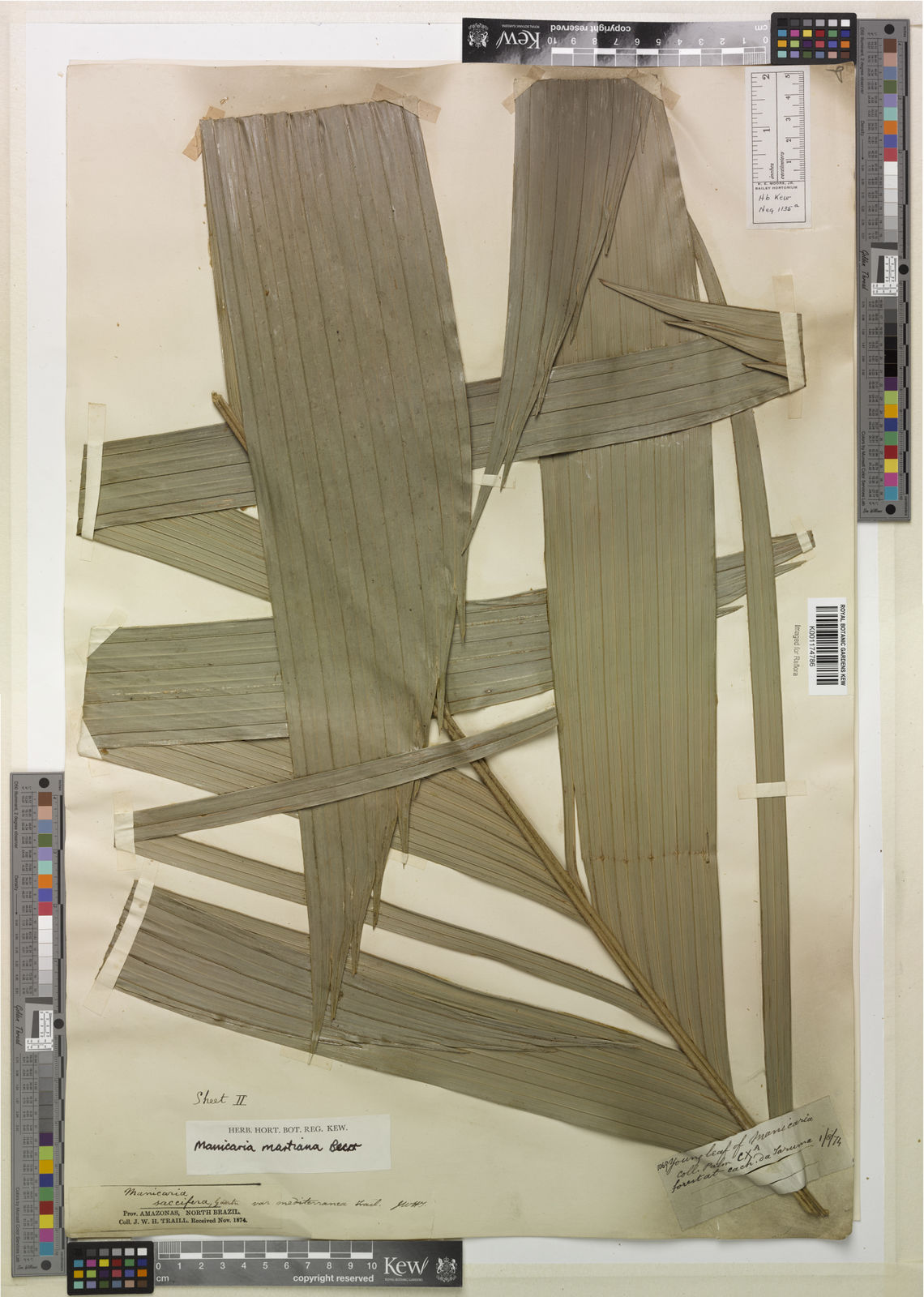
Manicaria
thumb|Manicaria saccifera – MHNT

Miconia prasina
species of plant

Acacia tenuifolia
species of plant

Parkia pendula
species of plant