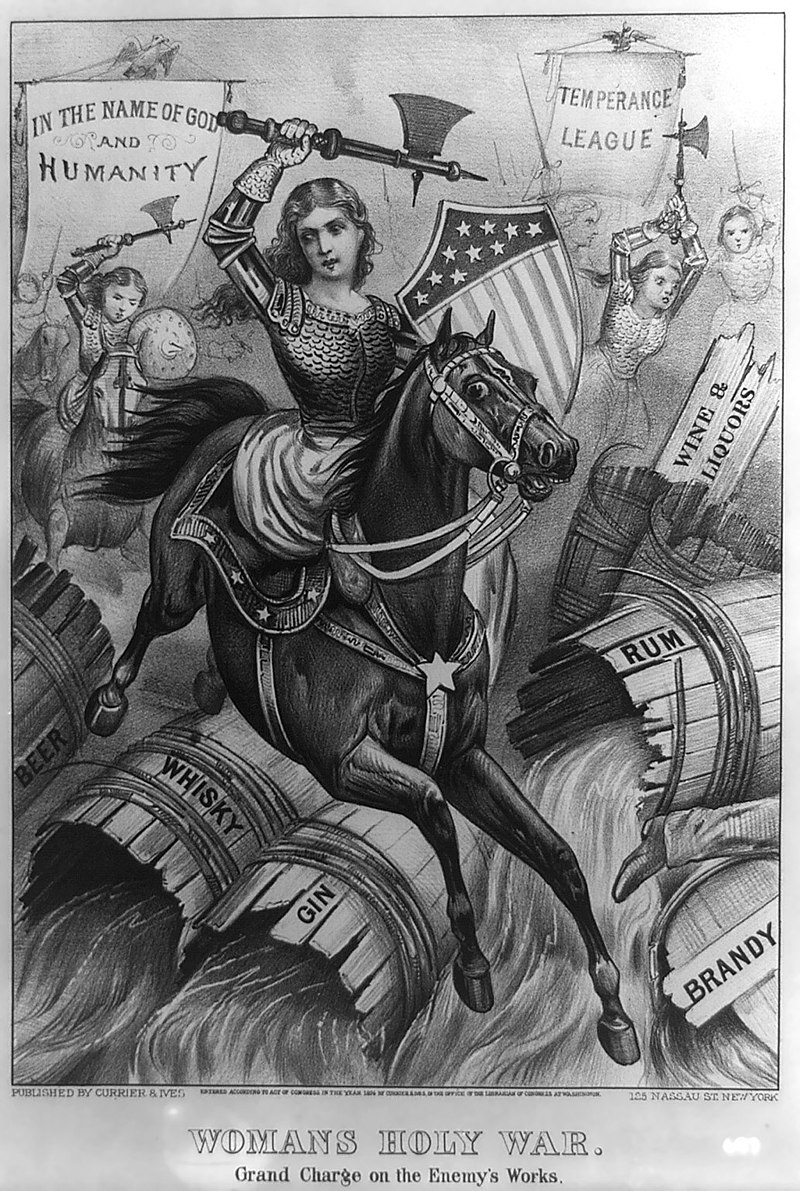
File:Womans-Holy-War.jpg · Wikimedia Commons · See Wikimedia Commons
abstinence
Sign in to saveAlso known as abstaining, abstention, avoidance, avoiding
Abstinence is the practice of self-enforced restraint from indulging in bodily activities that are widely experienced as giving pleasure. Most frequently, the term refers to sexual abstinence, but it can also mean abstinence from alcohol, drugs, food, or other comforts.
Abstinence is the practice of deliberately holding back from activities that feel pleasurable, most commonly sexual activity, though it can also apply to alcohol, drugs, food, or other comforts. It matters because people choose abstinence for various personal, religious, health, or moral reasons, and understanding it helps explain different lifestyle choices and values across communities.
AI-generated from the Wikipedia summary — may contain errors.
Wikidata facts
- Instance of
- human behavior
- Subclass of
- selection
- Said to be same as
- teetotalism
Show 4 more facts
- described by source
- Wikitólica
- Commons category
- Abstinence
- uses
- discipline
- different from
- withdrawal symptom
Sources (6)
via Wikidata · CC0
~10 min read
Encyclopedic overview
18 sectionsContents
- Abstinence in religion
- Judaism
- Christianity
- Islam
- Hinduism, Jainism, Buddhism and Sikhism (Dharmic)
- Medicine
- Types
- Drugs
- Nicotine
- Alcohol
- Caffeine
- Food
- Pleasure
- Sexual abstinence
- Organizations
- See also
- References
- External links
Abstinence is the practice of self-enforced restraint from indulging in bodily activities that are widely experienced as giving pleasure. Most frequently, the term refers to sexual abstinence, but it can also mean abstinence from alcohol, drugs, food, or other comforts.
Because the regimen is intended to be a conscious act, freely chosen to enhance life, abstinence is sometimes distinguished from the psychological mechanism of repression. The latter is an unconscious state, having unhealthy consequences.
Excerpted from Wikipedia’s “abstinence” article, available under the CC BY-SA 4.0 licence.