Ayisha Siddiqa
Sign in to savePakistani climate activist
Described at
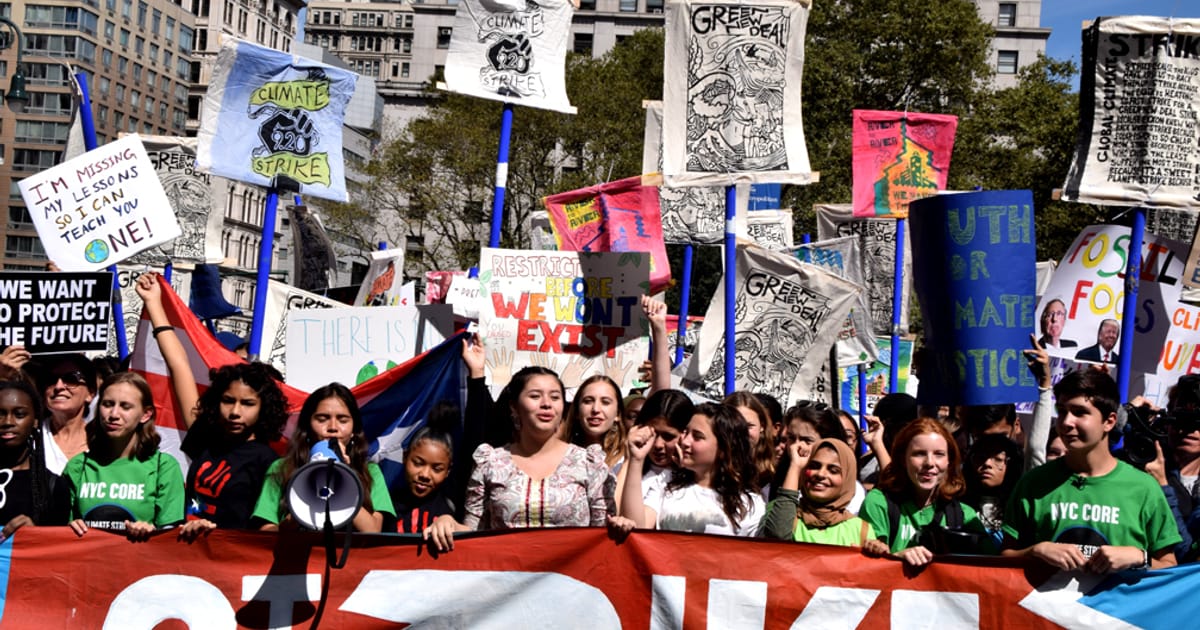
Youth climate movement wants to kick polluters out of… | Canary Media
Activist Ayisha Siddiqa talks about the campaign to sideline fossil fuel companies, the lack of inclusion at COP26, and the power of young people.
canarymedia.com →Activist Ayisha Siddiqa talks about the campaign to sideline fossil fuel companies, the lack of inclusion at COP26, and the power of young people. Ayisha Siddiqa and other activists march at the 2019 NYC youth climate strike. (Diane Greene Lent via Flickr) Ayisha Siddiqa is the co-founder of Polluters Out , a global youth movement that is calling for the fossil fuel industry to be banned from events and negotiations related to the United Nations climate treaty, formally known as the U.N. Framework Convention on Climate Change (UNFCCC). Siddiqa will be joining some of her fellow youth activists at the next negotiating session, COP26 in Glasgow, Scotland, where the goal is to get global leaders to commit to dramatic climate action that will keep global warming below 1.5 degrees Celsius. We spoke with Siddiqa about the youth climate movement, her group’s goals, and what she wants to see come out of COP26. This excerpt from our conversation has been edited for brevity and clarity. Maria Virginia Olano: Can you tell me a little bit about yourself and your background? What led you to the work you do today? There is so much pain associated with that region of the world that does not make it to the mainstream media or news. Climate impacts are devastating Pakistan already. I have lost family to climate pollution and toxic waste leaching to water sources. Our desert is one of the hottest places on planet Earth. And that is not even accounting for the impacts on infectious disease; malaria is spreading like wildfire in Southeast Asia, and we know it reproduces much faster in warmer temperatures. It’s a compounding problem, and I am trying to shed light on the impacts of climate change on the Global South with my activism. Siddiqa: The solution I’m presenting with Polluters Out is that the UNFCCC and the host countries sign a conflict-of-interest agreement and promise to eliminate fossil fuel influence from future COPs. That means no lobbying, no sponsorship, no special treatment. Some people think that’s a lot to ask, but it has been done before. In fact, we’re following the precedent that the World Health Organization set when it removed Big Tobacco from all of its conferences. There was a time when Big Tobacco was one of the most powerful interests in the world. The World Health Organization prohibited any members of the tobacco industry from attending annual summits. Our culture around how we perceive tobacco today has changed immensely. They have been forced to put ads on every cigarette pack, warning of the health damages. It allowed for a lot more lawsuits, and massive taxation on cigarettes. Olano: Have you seen any progress toward this goal? How has your message been received? Siddiqa: I’m feeling really overwhelmed at the inequity that this COP will enable. It is one of the whitest and least diverse COPs we have seen. Prices are through the roof for everything, from plane tickets to taxis to hotels. It is criminal how much Airbnbs are charging. It’s not affordable, especially for people from the Global South. No person making a middle-class wage in rupees can afford a hotel room for a night. The other huge issue is vaccine apartheid. They’re only accepting certain vaccines, and those vaccines are predominantly in European nations and the U.S. because other countries did not have the patents to make them. COP promised some activists and NGOs from the Global South that they were going to give them money to get their vaccines, but they didn’t. So people who don’t have the right vaccine or who can’t get a visa are being left out. There’s just absolute frustration from the Black and Brown and Indigenous people who are attending. Olano: What is lost when groups of people are left out of the rooms where these big decisions are being made? Siddiqa: The most famous number to come out of Paris was 1.5, and people today collectively understand that 1.5 degrees is the place that we want to stay under or maintain. Achieving that
Excerpt from a page describing this subject · 13,729 chars · not written by Vinony
Wikidata facts
- Instance of
- human
- Gender
- female
- Citizenship
- Pakistan
- Place of birth
- Jhang
- Occupation
- environmentalist
- Educated at
- Hunter College
- Employer
- New York State Assembly
- Participant in
- 2022 United Nations Climate Change Conference
- Image
- Ayisha Siddiqa, 2022 (cropped).jpg
Show 4 more facts
- described at URL
- atmos.earth/cop26-polluters-out-ayisha-siddiqa-big-oil
- on focus list of Wikimedia project
- WikiGap Challenge
- date of birth
- 1999-02-08
- Commons category
- Ayisha Siddiqa
Sources (15)
via Wikidata · CC0
Available in 13 languages
via Wikidata sitelinks · CC0