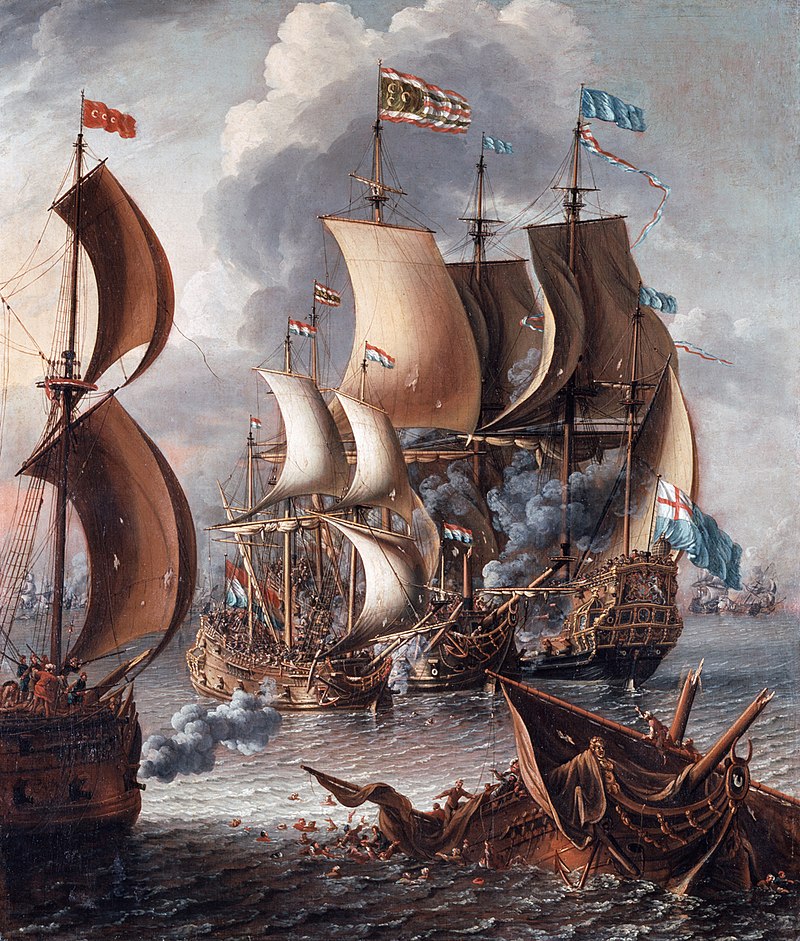
File:Laureys_a_Castro_-_A_Sea_Fight_with_Barbary_Corsairs.jpg · Wikimedia Commons · See Wikimedia Commons
Barbary pirates
Sign in to savepirates based in North Africa
Wikidata facts
- Instance of
- ethnic group
- Subclass of
- mujahid
Show 3 more facts
- topic's main category
- Category:Barbary piracy
- Commons category
- Barbary Corsairs
- described by source
- Encyclopædia Britannica 11th edition
Sources (1)
via Wikidata · CC0
~37 min read
Encyclopedic overview
A Sea Fight with Barbary Corsairs by Laureys a Castro, c. 1681 Barbaria by Jan Janssonius, shows the coast of North Africa, an area known in the 17th century as Barbaria, c. 1650 An Algerine pirate ship A man from the Barbary statesThe Barbary corsairs, also known as the Barbary pirates, Ottoman corsairs, or naval mujahideen (in Muslim sources), were mainly Muslim corsairs and privateers who operated from the North African coast, known in Europe as the Barbary Coast. In addition to seizing merchant ships, they engaged in razzias—raids on European coastal towns and villages, mainly in Italy, France, Spain, and Portugal, as well as Great Britain, Ireland, and Iceland (commemorated as the Turkish Abductions). These included capturing Europeans and selling them at slave markets, known as the Barbary slave trade.
While such raids began after the Muslim conquest of the Iberian Peninsula in the 710s, the terms "Barbary pirates" and "Barbary corsairs" are normally applied to the raiders active from the 16th century onwards, when the frequency and range of the slavers' attacks increased. In that period, Algiers, Tunis and Tripoli came under the sovereignty of the Ottoman Empire, either as directly administered provinces or as autonomous dependencies known as the Barbary states. Similar raids were undertaken from Salé (see Salé Rovers) and other ports in Morocco.
Excerpted from Wikipedia’s “Barbary pirates” article, available under the CC BY-SA 4.0 licence.