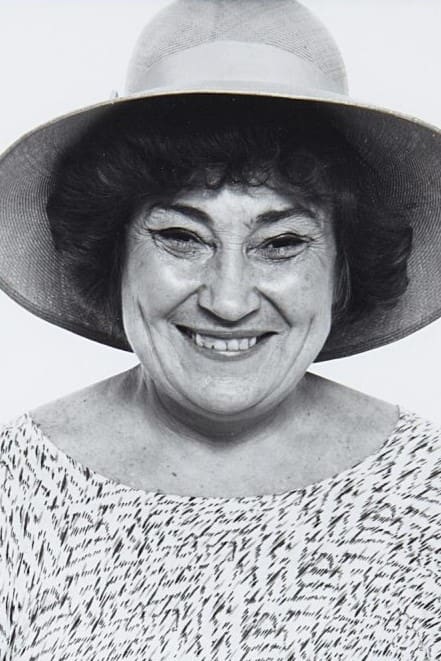
Profile via TMDB · Courtesy of TMDB
Bella Abzug
Sign in to saveAlso known as Bella S. Abzug, Bella Savitzky Abzug
American politician (1920-1998)
Film & TV
New York City, New York, USA
Bella Savitzky Abzug (July 24, 1920 – March 31, 1998), nicknamed "Battling Bella", was an American lawyer, U.S. Representative, social activist and a leader in the women's movement. In 1971, Abzug joined other leading feminists such as Gloria Steinem, Shirley Chisholm, and Betty Friedan to found the National Women's Political Caucus. She was known as a leading figure in what came to be known as…
Known for
- Bella! — Self (archive footage)2023
- The Battle of the Sexes — Self (archive footage)2013
- Koch — Self (archive footage) (uncredited)2013
- The Man Nobody Knew: In Search of My Father, CIA Spymaster William Colby — Self (archive footage) (uncredited)2011
- Gloria: In Her Own Words — Self (archive footage)2011
- NY77: The Coolest Year in Hell — Self (archive footage) (uncredited)2007
- Intimate Portrait — Self1993
- From the Interior, Colonized — as herself1992
- Age Isn't Everything — Self1991
- Charlie Rose — Self1991
via TMDB
Key facts
- Preceded by
- Leonard Farbstein
- Succeeded by
- Ted Weiss
- Constituency
- 19th district (1971–1973), 20th district (1973–1977)
- Born
- Bella Savitsky , ( 1920-07-24 ) July 24, 1920, New York City , U.S.
- Died
- March 31, 1998 (1998-03-31) (aged 77), New York City, U.S.
- Party
- Democratic
- Spouse
- Martin Abzug ( married</span>"}]]}'>m. 1944 ; died 1986 )
- Relatives
- Arlene Stringer-Cuevas (cousin), Scott Stringer (cousin)
- Education
- Hunter College ( BA ), Columbia University ( LLB ), Jewish Theological Seminary
via Wikipedia infobox
Wikidata facts
- Instance of
- human
- Given name
- Bella
- Gender
- female
- Citizenship
- United States
- Place of birth
- New York City
- Place of death
- New York City
- Occupation
- jurist
- Position held
- member of the United States House of Representatives
- Educated at
- Jewish Theological Seminary of America
- Political party
- Democratic Party (United States)
- Languages spoken
- English language
- Religion
- Judaism
- Image
- Bella Savitsky Abzug.jpg
- Number of children
- 2
- Work location
- Washington, D.C.
Show 5 more facts
- Commons category
- Bella Abzug
- date of death
- 1998-03-31
- date of birth
- 1920-07-24
- Commons gallery
- Bella Abzug
- name in native language
- Bella Abzug
via Wikidata · CC0
~20 min read
Encyclopedic overview
Bella Abzug (/ˈæbzʊɡ/; née Savitzky; July 24, 1920 – March 31, 1998), nicknamed "Battling Bella", was an American lawyer, politician, social activist, and a leader in the women's movement. In 1971, Abzug joined other leading feminists such as Gloria Steinem, Shirley Chisholm, and Betty Friedan to found the National Women's Political Caucus. She was a leading figure in what came to be known as ecofeminism.
In 1970, Abzug's first campaign slogan was, "This woman's place is in the House—the House of Representatives." She was later appointed to co-chair the National Commission on the Observance of International Women's Year created by President Gerald Ford's executive order, presided over the 1977 National Women's Conference, and led President Jimmy Carter's National Advisory Commission for Women. Abzug was a founder of the Commission for Women's Equality of the American Jewish Congress.
Excerpted from Wikipedia’s “Bella Abzug” article, available under the CC BY-SA 4.0 licence.