Bletilla · Kew POWO · Kew Plants of the World Online
Bletilla
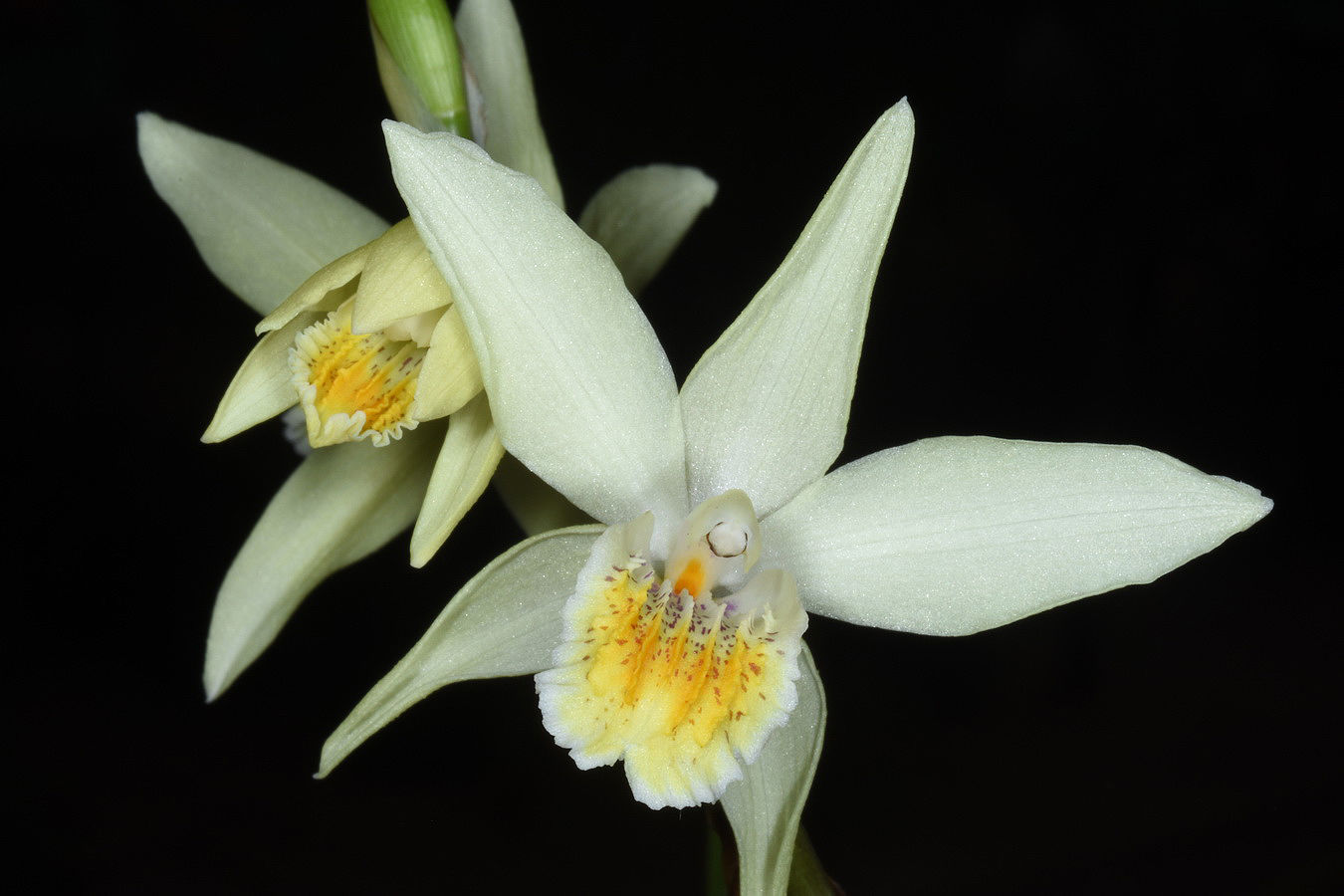
Sign in to saveBletilla, commonly named the urn orchid, is a temperate, terrestrial genus of orchids. The genus currently contains five recognized species distributed through China, Japan, Taiwan, south to Vietnam, Thailand and Myanmar. The name is actually a diminutive of Bletia because of the resemblance between the two genera even though Bletia is a New World genus. The genera Jimensia Raf. and Polytoma Lour. ex are generally included into Bletilla. This genus is abbreviated Ble in trade journals.
Species
GENUS
- KingdomPlantae
- PhylumTracheophyta
- ClassLiliopsida
- OrderAsparagales
- FamilyOrchidaceae
via GBIF · Kew POWO
Museum specimens
- Specimen records
- 98
- With media
- 100
- Family
- Orchidaceae
- Collections
- AMES, GH, A, MO
- Recorded in
- China, Japan
Wikidata facts
- Instance of
- taxon
- Parent taxon
- Coelogyninae
- Image
- Bletilla striata 1.jpg
Show 7 more facts
- taxon common name
- 白及属
- taxon rank
- genus
- taxon name
- Bletilla
- Commons category
- Bletilla
- topic's main category
- Category:Bletilla
- Commons gallery
- Bletilla
Sources (2)
via Wikidata · CC0
~6 min read
Encyclopedic overview
6 sectionsContents
- Species
- Formerly placed here
- Cultivation
- References
- Notes
- External links
Bletilla, commonly named the urn orchid, is a temperate, terrestrial genus of orchids. The genus currently contains five recognized species distributed through China, Japan, Taiwan, south to Vietnam, Thailand and Myanmar. The name is actually a diminutive of Bletia because of the resemblance between the two genera even though Bletia is a New World genus. The genera Jimensia Raf. and Polytoma Lour. ex are generally included into Bletilla. This genus is abbreviated Ble in trade journals.
The pseudobulbs resemble spreading corms which usually sit at ground level. Each pseudobulb generally bears several pleated leaves around long. The racemes of flowers emerge from the center of the years new growth before it is mature, during spring and early summer. The flowers vary in color from white to purple, and all species have four pollinia. The tubers resemble a horn or claw. They are grayish-white or yellowish-white in appearance, with concentric rings and brown rootlets. They have a hard texture and do not break easily.
Excerpted from Wikipedia’s “Bletilla” article, available under the CC BY-SA 4.0 licence.
Gallery (2)
Available in 26 languages
- Español
- Français
- Deutsch
- 中文
- Русский
- Português
- Italiano
- Bulgarian
- Cebuano
- Egyptian Arabic
- Finnish
- Komi
- Komi-Permyak
- Lithuanian
- Mari
- Moksha
- Nederlands
- Polski
via Wikidata sitelinks · CC0