File:Aum_Om_black.svg · Wikimedia Commons · See Wikimedia Commons
Brahman
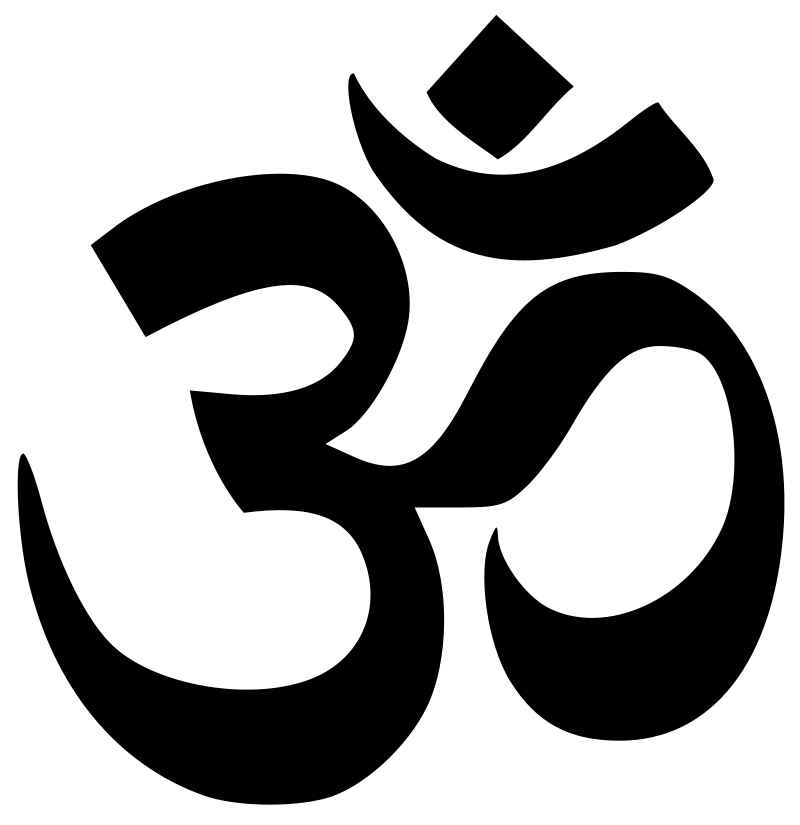
Sign in to savethumb|Om signifies the essence of Brahman, the ultimate reality.
Brahman is the ultimate reality in Hindu philosophy, often considered the fundamental essence or consciousness underlying all existence. The concept matters because it represents a core spiritual principle in Hinduism that shapes how practitioners understand the nature of the universe and their place within it.
AI-generated from the Wikipedia summary — may contain errors.
Wikidata facts
- Religion
- Hinduism
Show 3 more facts
- facet of
- Hinduism
- different from
- God Brahma
- on focus list of Wikimedia project
- Wikipedia:Vital articles/Level/4
via Wikidata · CC0
~40 min read
Encyclopedic overview
31 sectionsContents
- Etymology and related terms
- History and literature
- Vedic
- Upanishads
- Meaning
- Brahman as a metaphysical concept
- Atman: the ultimate reality
- Maya: the perceived reality
- Nirguna and Saguna Brahman
- Brahman as an ontological concept
- Brahman as an axiological concept
- Brahman as a teleological concept
- Brahman as a soteriological concept: Moksha
- {{anchor|Schools of thought}}Hindu schools of thought
- Vedanta
- Advaita Vedanta
- Dvaita Vedanta
- Vishishtadvaita
- Achintya Bheda Abheda
- Bhakti movement
- Buddhist understanding of Brahman
- Brahma as a surrogate for Brahman in Buddhist texts
- Brahman in Chinese thought
- Brahman in Sikhism
- Brahman in Jainism
- Comparison of Brahma, Brahman, Brahmin and Brahmanas
- See also
- Notes
- References
- Sources
- External links
thumb|Om signifies the essence of Brahman, the ultimate reality.
right|thumb|A drop in the ocean: an analogy for Ātman (Hinduism)|Ātman merging into Brahman.
Excerpted from Wikipedia’s “Brahman” article, available under the CC BY-SA 4.0 licence.
Gallery (12)
Available in 78 languages
- Español
- Français
- Deutsch
- 中文
- 日本語
- Русский
- Português
- Italiano
- العربية
- हिन्दी
- Afrikaans
- Angika
- Assamese
- Bahasa Indonesia
- Bangla
- Basque
- bat_smg
- Bhojpuri
Show 59 more
- Bikol
- Bulgarian
- Catalan
- Czech
- Danish
- Egyptian Arabic
- Esperanto
- Estonian
- Fiji Hindi
- Filipino
- Finnish
- Georgian
- Greek
- Gujarati
- Hebrew
- Hungarian
- Icelandic
- Ido
- Javanese
- Kannada
- Kyrgyz
- Latin
- Latvian
- Lingua Franca Nova
- Lithuanian
- Malay
- Malayalam
- Moksha
- Nederlands
- Nepali
- Newari
- Norwegian
- Norwegian Nynorsk
- Polski
- Punjabi
- Romanian
- Sanskrit
- Serbian
- Serbian (Latin)
- simple
- Sinhala
- Slovak
- Svenska
- Tajik
- Tamil
- Tatar
- Telugu
- Tiếng Việt
- Toki Pona
- Türkçe
- Ukrainian
- Urdu
- Uzbek
- Wu Chinese
- zh_min_nan
- zh_yue
- فارسی
- ไทย
- 한국어
via Wikidata sitelinks · CC0