Encyclopedia of Life · EOL (see source)
Caudinidae
Sign in to saveCaudinidae is a family of sea cucumbers, marine animals with elongated bodies, leathery skins and tentacles that are found on the sea floor.
Species
カウディナ科
FAMILY
- KingdomAnimalia
- PhylumEchinodermata
- ClassHolothuroidea
- OrderMolpadida
- FamilyCaudinidae
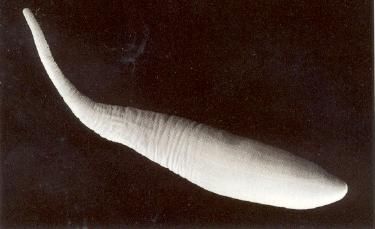
Caudinidae es una familia de pepinos de mar, animales marinos con cuerpos alargados, pieles correosas y tentáculos que se encuentran en el fondo del mar. Índice 1 Descripción 2 Géneros 3 Referencias 4 Enlaces externos Descripción Los miembros de la familia Caudinidae son pepinos de mar bastante pequeños y redondos con una pared corporal delgada y sin patas tubulares. Son relativamente inactivos y viven en una madriguera en forma de "U" en la arena o barro, en el fondo del mar. Sus tentáculos se extienden por encima del sedimento para atrapar las partículas de alimento y su región caudal puede alargarse y extenderse a la superficie. Esto puede ayudar con el intercambio de gases, ya que tienen árboles respiratorios sujetados a la cloaca.[2] Géneros Caudinidae está integrado por los siguientes géneros:[1] Acaudina Clark, 1907 Caudina Stimpson, 1853 Ceraplectana Hedingia Deichmann, 1938 Microdactyla Paracaudina Heding, 1931 Referencias ↑ a b World Register of Marine Species ↑ Marine Species Identification Portal
via GBIF
Museum specimens
- Specimen records
- 10
- Family
- Caudinidae
- Collections
- TCWC, CAS, QM, SBMNH, WAM, UF
- Recorded in
- Philippines, Australia, United States
Wikidata facts
Show 4 more facts
- Commons category
- Caudinidae
- taxon rank
- family
- taxon name
- Caudinidae
- topic's main category
- Category:Caudinidae
Sources (1)
via Wikidata · CC0
~1 min read
Encyclopedic overview
3 sectionsContents
- Description
- Genera
- References
Caudinidae is a family of sea cucumbers, marine animals with elongated bodies, leathery skins and tentacles that are found on the sea floor.
==Description== Members of the family Caudinidae are fairly small, plump sea cucumbers with a thin body wall and no tube feet. They are relatively inactive and live in a U-shaped burrow in sand or mud at the bottom of the sea. Their tentacles spread out above the sediment to catch food particles and their caudal region may be elongated and also extend to the surface. This may help with gas exchange as they have respiratory trees, a type of water lung, attached to the cloaca.
Excerpted from Wikipedia’s “Caudinidae” article, available under the CC BY-SA 4.0 licence.