Encyclopedia of Life · EOL (see source)
Cercopithecinae
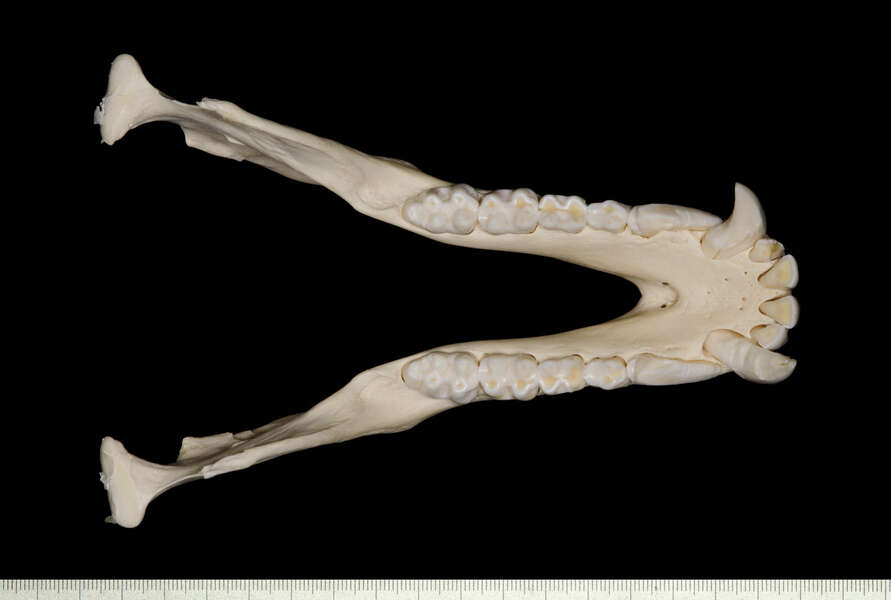
Sign in to saveThe Cercopithecinae are a subfamily of the Old World monkeys, which comprises roughly 71 species, including the baboons, the macaques, and the vervet monkeys. Most cercopithecine monkeys are limited to sub-Saharan Africa, although the macaques range from the far eastern parts of Asia through northern Africa, as well as on Gibraltar.
Species
Die Backentaschenaffen (Cercopithecinae) sind eine Unterfamilie der Primatenfamilie der Meerkatzenverwandten, die in zwei Gattungsgruppen (Meerkatzenartige und Pavianartige) mit insgesamt zwölf Gattungen unterteilt wird.
via
Research
136,666 papers- New insights in Cercopithecinae spermatozoa.Zygote (Cambridge, England) · 2021
- Differences in the gut microbiota between Cercopithecinae and Colobinae in captivity.Journal of microbiology (Seoul, Korea) · 2020
- Profiling the Gut Microbiome of Hylobatidae and Cercopithecinae: Insights Into the Health of Primates in Captivity.Journal of medical primatology · 2025
- Patterns of dental wear and the role of the canine in Cercopithecinae.American journal of physical anthropology · 1979
- TGF-β mediates epigenetic control of innate antiviral responses and SIV reservoir size.Nature immunology · 2026
via PubMed
Wikidata facts
- Image
- Mandril.jpg
Show 2 more facts
- Commons category
- Cercopithecinae
- taxon name
- Cercopithecinae
Sources (2)
via Wikidata · CC0
~2 min read
Article
5 sectionsContents
- Characteristics
- Classification
- See also
- References
- External links
The Cercopithecinae are a subfamily of the Old World monkeys, which comprises roughly 71 species, including the baboons, the macaques, and the vervet monkeys. Most cercopithecine monkeys are limited to sub-Saharan Africa, although the macaques range from the far eastern parts of Asia through northern Africa, as well as on Gibraltar.
== Characteristics == The various species are adapted to the different terrains they inhabit. Arboreal species are slim, delicate, and have a long tail, while terrestrial species are stockier and their tails can be small or completely nonexistent. All species have well-developed thumbs. Some species have ischial callosities on their rump, which can change their colour during their mating periods.