Choerospondias · Kew POWO · Kew Plants of the World Online
Choerospondias
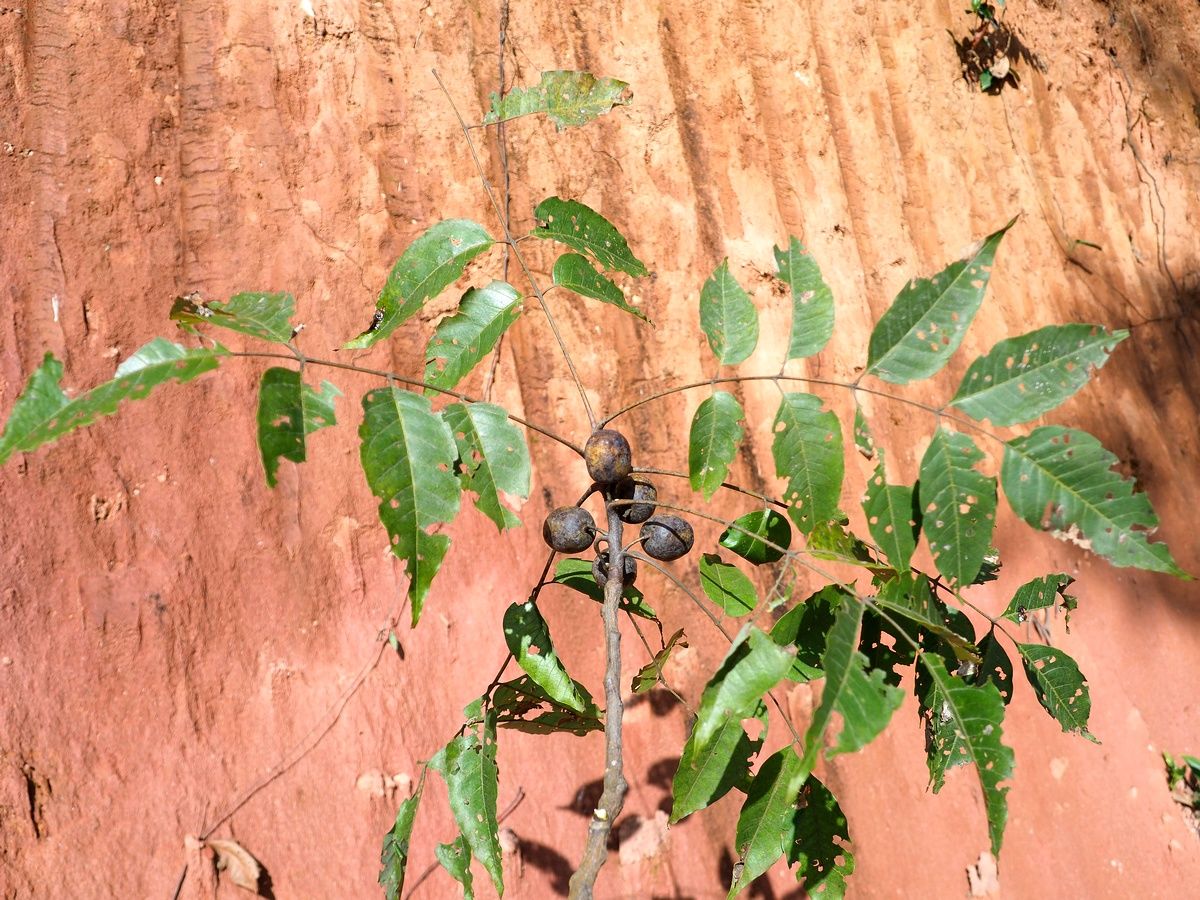
Sign in to saveChoerospondias axillaris, known in English as the Nepali hog plum, is a tree in the family Anacardiaceae. It is the sole species in genus Choerospondias. It is native to the Himalayas, Indochina, southern and north-central China, Taiwan, and Japan. It is a common fruit in Nepal and Bhutan, which is called lapsi (लप्सी) in Nepali, aamli in Newar, and phrumchung in eastern Bhutan.
Species
GENUS
- KingdomPlantae
- PhylumTracheophyta
- ClassMagnoliopsida
- OrderSapindales
- FamilyAnacardiaceae
via GBIF · Kew POWO
Museum specimens
- Specimen records
- 13
- With media
- 13
- Family
- Anacardiaceae
- Collections
- MO
- Recorded in
- Vietnam, China
Wikidata facts
- Instance of
- taxon
- Parent taxon
- Anacardiaceae
- Image
- Choerospondias axillaris.jpg
Show 5 more facts
- taxon common name
- 南酸枣属
- taxon name
- Choerospondias
- taxon rank
- genus
- Commons category
- Choerospondias
Sources (2)
via Wikidata · CC0
~2 min read
Encyclopedic overview
2 sectionsContents
- Gallery
- References
Choerospondias axillaris, known in English as the Nepali hog plum, is a tree in the family Anacardiaceae. It is the sole species in genus Choerospondias. It is native to the Himalayas, Indochina, southern and north-central China, Taiwan, and Japan. It is a common fruit in Nepal and Bhutan, which is called lapsi (लप्सी) in Nepali, aamli in Newar, and phrumchung in eastern Bhutan.
Its fruit is about 3 centimeters long and has a soft whitish sour flesh and green to yellow skin. The fruit is made into pickles, fruit tarts, and sour, spicy candy. The tree has long been cultivated for its fruit. The fruit is nutritious and has a price comparable to the mandarin orange on the Nepalese market.
Excerpted from Wikipedia’s “Choerospondias” article, available under the CC BY-SA 4.0 licence.
Gallery (2)
Available in 9 languages
via Wikidata sitelinks · CC0