Comesperma · Kew POWO · Kew Plants of the World Online
Comesperma
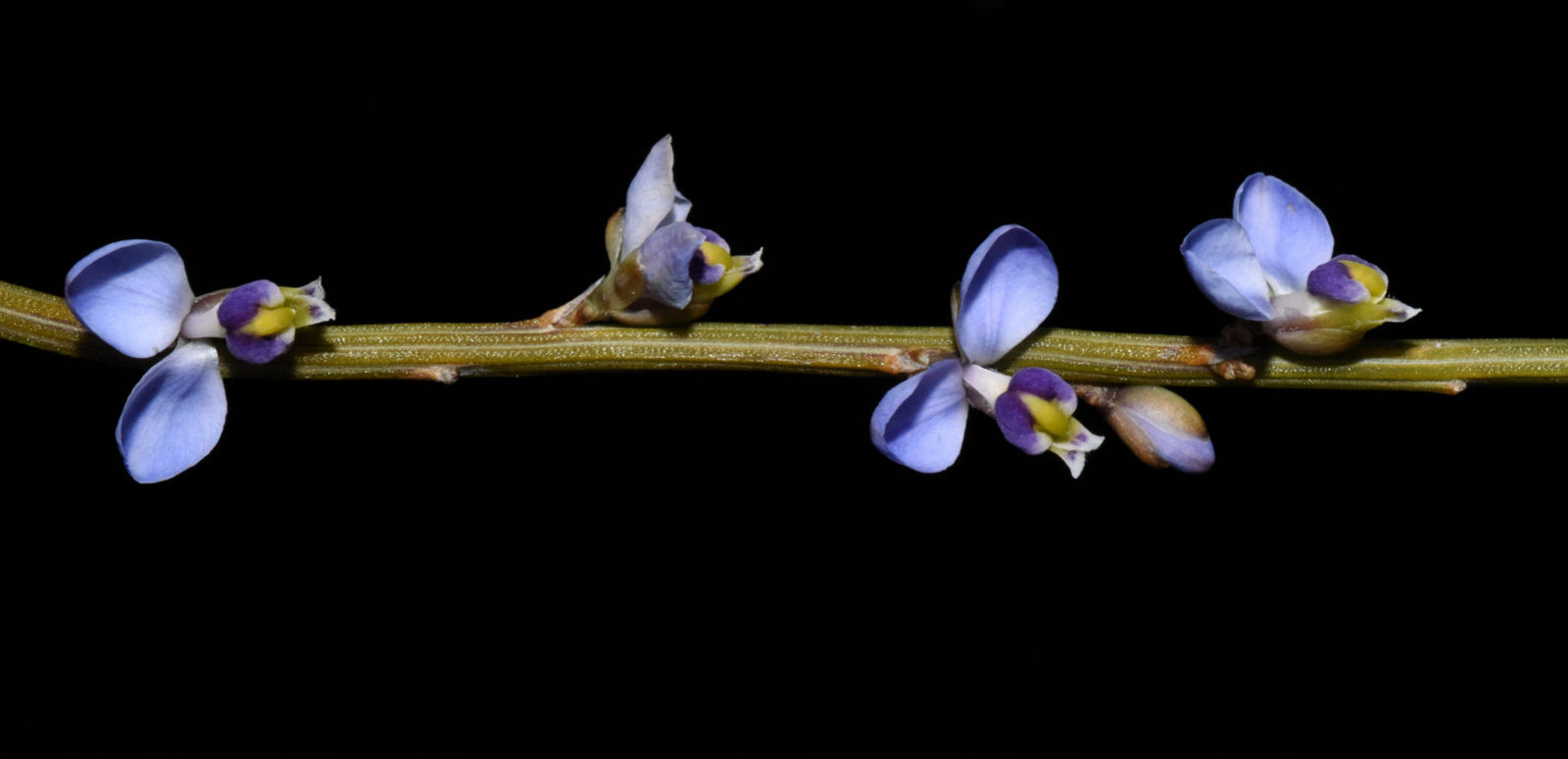
Sign in to saveComesperma is a genus of shrubs, herbs and lianas in the family Polygalaceae. The genus is endemic to Australia. It was defined by the French botanist Jacques Labillardière in his 1806 work Novae Hollandiae Plantarum Specimen. The genus name is derived from the Ancient Greek words come ("hair") and sperma ("seed"), and relates to the seeds bearing tufts of hair. The genus is distributed over southern Australia, particularly in the southwest of Western Australia, where 19 species are found. 24 species have been described.
Species
GENUS
- KingdomPlantae
- PhylumTracheophyta
- ClassMagnoliopsida
- OrderFabales
- FamilyPolygalaceae
via GBIF · Kew POWO
Museum specimens
- Specimen records
- 121
- With media
- 68
- Family
- Polygalaceae
- Collections
- MEL, IPA/SP, RSA, NHMUK
- Recorded in
- Malaysia, Vietnam, Bolivia (Plurinational State Of), Australia, AustráLia, Indonesia
Wikidata facts
- Instance of
- taxon
- Parent taxon
- Polygalaceae
- Image
- Comesperma ericinum.JPG
Show 5 more facts
- Commons category
- Comesperma
- taxon name
- Comesperma
- taxon rank
- genus
- topic's main category
- Category:Comesperma
Sources (1)
via Wikidata · CC0
~3 min read
Encyclopedic overview
3 sectionsContents
- Species
- References
- External links
Comesperma is a genus of shrubs, herbs and lianas in the family Polygalaceae. The genus is endemic to Australia. It was defined by the French botanist Jacques Labillardière in his 1806 work Novae Hollandiae Plantarum Specimen. The genus name is derived from the Ancient Greek words come ("hair") and sperma ("seed"), and relates to the seeds bearing tufts of hair. The genus is distributed over southern Australia, particularly in the southwest of Western Australia, where 19 species are found. 24 species have been described.
The genus was classified in the tribe Polygaleae by Swiss botanist Robert Hippolyte Chodat in 1896. It was also considered a section of the genus Bredemeyera by van Steenis in 1968. This was not adopted widely, and a cladistic study based on morphology published in 1993 suggested they remain as separate genera. This analysis placed Comersperma basal to a group comprising the genera Polygala, Monnina subg. Monninopsis, Nylandtia, Muralita and Epirixanthes.
Excerpted from Wikipedia’s “Comesperma” article, available under the CC BY-SA 4.0 licence.