Commiphora · Kew POWO · Kew Plants of the World Online
Commiphora
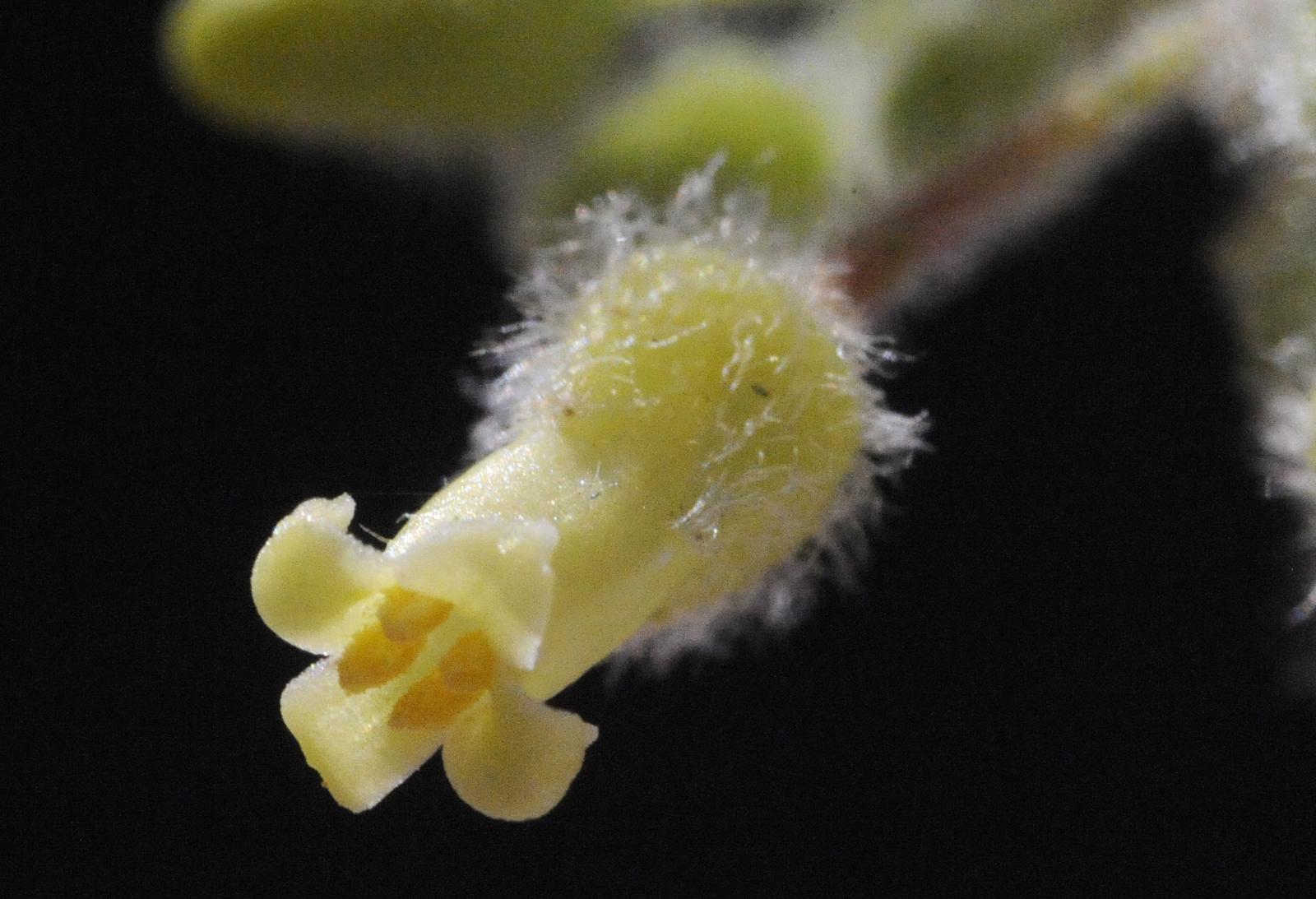
Sign in to saveCommiphora is the most species-rich genus of flowering plants in the frankincense and myrrh family, Burseraceae. The genus contains approximately 190 species of shrubs and trees, which are distributed throughout the (sub-) tropical regions of Africa, the western Indian Ocean islands, the Arabian Peninsula, India, and South America. The genus is drought-tolerant and common throughout the xerophytic scrub, seasonally dry tropical forests, and woodlands of these regions.
Species
GENUS
- KingdomPlantae
- PhylumTracheophyta
- ClassMagnoliopsida
- OrderSapindales
- FamilyBurseraceae
没药属(Commiphora)是一种显花植物的一属,包括树木和灌木共有约185种,多为有防护器官或多刺。原产于非洲、阿拉伯半岛和印度次大陆。
via GBIF · Kew POWO
Museum specimens
- Specimen records
- 946
- With media
- 735
- Family
- Burseraceae
- Collections
- US, UNIVASF, A, USP-IB, INECOL, UFPE
- Recorded in
- Madagascar, Brasil, Mexico, South Africa, Liberia, Namibia, Sri Lanka, Brazil
Research
788 papers- Commiphora myrrh: a phytochemical and pharmacological update.Naunyn-Schmiedeberg's archives of pharmacology · 2023
- Commiphora mukul (Hook. ex Stocks) Engl.: Historical records, application rules, phytochemistry, pharmacology, clinical research, and adverse reaction.Journal of ethnopharmacology · 2023
- Myrrh--Commiphora chemistry.Biomedical papers of the Medical Faculty of the University Palacky, Olomouc, Czechoslovakia · 2005
- Commiphora myrrha acute toxicity.Clinical toxicology (Philadelphia, Pa.) · 2024
- The Genus Commiphora: An Overview of Its Traditional Uses, Phytochemistry, Pharmacology, and Quality Control.Pharmaceuticals (Basel, Switzerland) · 2024
via PubMed
Wikidata facts
- Instance of
- taxon
- Parent taxon
- Burseraceae
- Image
- Commiphora myrrha - Köhler–s Medizinal-Pflanzen-019.jpg
Show 6 more facts
- Commons category
- Commiphora
- taxon name
- Commiphora
- taxon rank
- genus
- topic's main category
- Category:Commiphora
- taxon common name
- 没药树属
Sources (1)
via Wikidata · CC0
~9 min read
Encyclopedic overview
9 sectionsContents
- Description
- Ecology and biogeography
- Use by humans
- Ancient seed
- Systematics and taxonomy
- Species
- Gallery
- References
- External links
Commiphora is the most species-rich genus of flowering plants in the frankincense and myrrh family, Burseraceae. The genus contains approximately 190 species of shrubs and trees, which are distributed throughout the (sub-) tropical regions of Africa, the western Indian Ocean islands, the Arabian Peninsula, India, and South America. The genus is drought-tolerant and common throughout the xerophytic scrub, seasonally dry tropical forests, and woodlands of these regions.
The common name myrrh refers to several species of the genus, from which aromatic resins are derived for various fragrance and medicinal uses by humans.
Excerpted from Wikipedia’s “Commiphora” article, available under the CC BY-SA 4.0 licence.
Gallery (3)
Available in 34 languages
- Español
- Français
- Deutsch
- 中文
- Русский
- Português
- Italiano
- العربية
- Afrikaans
- Amharic
- azb
- Azerbaijani
- Bahasa Indonesia
- Belarusian
- Catalan
- Cebuano
- Czech
- Egyptian Arabic
Show 15 more
via Wikidata sitelinks · CC0