Encyclopedia of Life · EOL (see source)
Ctenizidae
Sign in to saveAlso known as trapdoor spiders
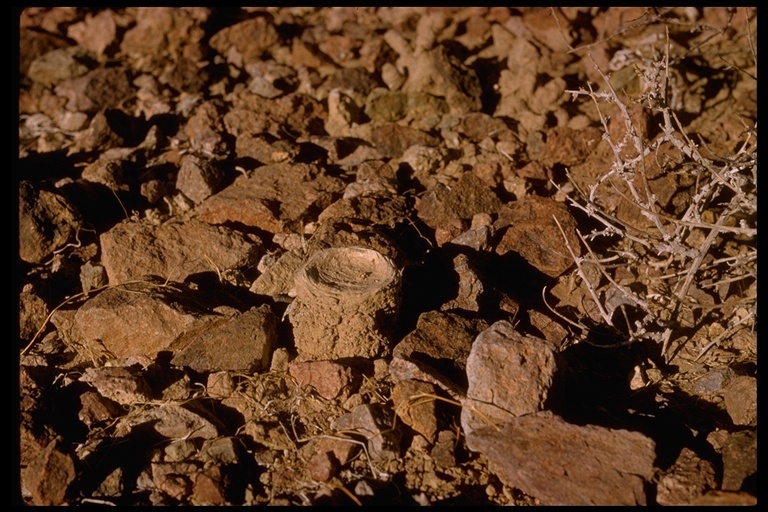
Ctenizidae ( ) is a small family of mygalomorph spiders that construct burrows with a cork-like trapdoor made of soil, vegetation, and silk. They may be called trapdoor spiders, as are other, similar species, such as those of the families Liphistiidae, Barychelidae, and Cyrtaucheniidae, and some species in the Idiopidae and Nemesiidae. The name comes from the distinctive behavior of the spiders to construct trapdoors, and ambush prey from beneath them.
Species
FAMILY
- KingdomAnimalia
- PhylumArthropoda
- ClassArachnida
- OrderAraneae
- FamilyCtenizidae
トタテグモ(戸立て蜘蛛)というのは、原始的なクモ類である。トンネル状の巣の入り口に扉をつけることからその名がある。クモ目クモ亜目カネコトタテグモ科 Antrodiaetidae とトタテグモ科 Ctenizidae に属する種を指すが、主としてトタテグモ科 Ctenizidae に属するクモである。地中に穴を掘り、その入り口に扉を付けることが特徴である。
via GBIF
Museum specimens
- Specimen records
- 80
- With media
- 3
- Family
- Ctenizidae
- Collections
- TTU, UNM, FMNH, LACM, MZLU, SAM
- Recorded in
- United States, Botswana, Costa Rica, Belize, Trinidad And Tobago, Japan, South Africa, Australia
Wikidata facts
- Instance of
- taxon
- Image
- Cteniza moggridgei - Ludivine Lamare - 395465253.jpeg
Show 7 more facts
- Commons category
- Ctenizidae
- taxon rank
- family
- taxon name
- Ctenizidae
- topic's main category
- Category:Ctenizidae
- Commons gallery
- Ctenizidae
- taxon common name
- Cork-lid trapdoor spiders
- taxonomic type
- Cteniza
Sources (1)
via Wikidata · CC0
~3 min read
Encyclopedic overview
8 sectionsContents
- Etymology
- Taxonomy
- Genera
- Distribution and habitat
- See also
- References
- Further reading
- External links
Ctenizidae ( ) is a small family of mygalomorph spiders that construct burrows with a cork-like trapdoor made of soil, vegetation, and silk. They may be called trapdoor spiders, as are other, similar species, such as those of the families Liphistiidae, Barychelidae, and Cyrtaucheniidae, and some species in the Idiopidae and Nemesiidae. The name comes from the distinctive behavior of the spiders to construct trapdoors, and ambush prey from beneath them.
In 2018, the family Halonoproctidae was split off from the Ctenizidae. A further genus, Stasimopus, was split off into its own family, Stasimopidae, in 2020. The family currently consists of two genera and five species.
Excerpted from Wikipedia’s “Ctenizidae” article, available under the CC BY-SA 4.0 licence.