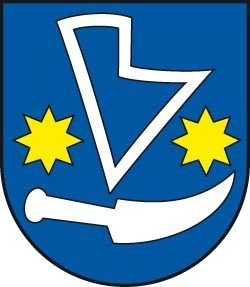
Official website (http://www.obecdrnava.sk/)
Drnava
Sign in to saveDrnava (, ) is a village and municipality in the Rožňava District in the Košice Region of eastern Slovakia.
Key facts
- Slovak place.name
- Drnava
- Slovak place.other_name
- Dernő
- Slovak place.settlement_type
- Municipality
- Slovak place.image_flag
- Drnava-roznava-flag.svg
- Slovak place.subdivision_type1
- Region
- Slovak place.subdivision_type2
- District
- Slovak place.subdivision_name2
- Rožňava District
- Slovak place.pushpin_map
- Slovakia Košice Region#Slovakia
- Slovak place.pushpin_relief
- 1
- Slovak place.pushpin_map_caption
- Location of Drnava in the Košice Region##Location of Drnava in Slovakia
- Slovak place.established_title
- First mentioned
- Slovak place.established_date
- 1364
- Slovak place.elevation_m
- 376
- Slovak place.postal_code_type
- Postal code
- Slovak place.postal_code
- 494 2
- Slovak place.area_code
- +421 58
- Slovak place.registration_plate
- RV
via Wikipedia infobox
Official website
Úvod | Drnava | Oficiálne stránky obce
Vitajte na oficiálnych internetových stránkach obce Drnava.
obecdrnava.sk →Link to the official site · 10,397 chars · not written by Vinony
Wikidata facts
- Instance of
- municipality of Slovakia
- Official name
- Drnava
- Country
- Slovakia
- Located in
- Rožňava District
- Population
- 691
- Area
- 26.904277
- Elevation
- 376
- Official website
- www.obecdrnava.sk
- Image
- Drnava4.jpg
- Dialing code
- 058
- Licence plate code
- RV
Show 5 more facts
- native label
- Drnava
- postal code
- 049 42
- time of earliest written record
- 1364-00-00
- inception
- 1364-00-00
- Commons category
- Drnava
Sources (3)
via Wikidata · CC0
~1 min read
Encyclopedic overview
10 sectionsContents
- History
- Geography
- Population
- Ethnicity
- Religion
- Culture
- Genealogical resources
- See also
- References
- External links
Drnava (, ) is a village and municipality in the Rožňava District in the Košice Region of eastern Slovakia.
==History== In historical records the village was first mentioned in 1364. Before the establishment of independent Czechoslovakia in 1918, Drnava was part of Gömör and Kishont County within the Kingdom of Hungary. From 1938 to 1945, it was again part of Hungary as a result of the First Vienna Award.
Excerpted from Wikipedia’s “Drnava” article, available under the CC BY-SA 4.0 licence.
On the map
2 mapped locations