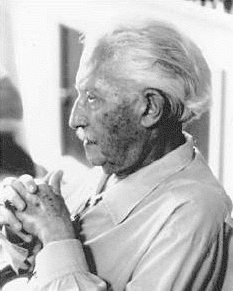
File:Erik_Erikson.jpg · Wikimedia Commons · See Wikimedia Commons
Erik Erikson
Sign in to saveAlso known as Erik Homburger Erikson, Erik H. Erikson
American German-born psychoanalyst & essayist
Erik Erikson was a German-born American psychoanalyst and essayist who developed influential theories about human psychological development. His work matters because it shaped how we understand how people grow and change throughout their entire lives, from childhood through old age.
AI-generated from the Wikipedia summary — may contain errors.
Wikidata facts
- Instance of
- human
- Given name
- Erik
- Family name
- Erikson
- Gender
- male
- Citizenship
- United States
- Place of birth
- Frankfurt
- Place of death
- Harwich
- Spouse
- Joan Erikson
- Occupation
- educator
- Educated at
- University of Oxford
- Languages spoken
- English language
- Image
- Erik Erikson.jpg
Show 11 more facts
- date of birth
- 1902-06-15
- date of death
- 1994-05-12
- Commons category
- Erik Erikson
- name in native language
- Erik Homburger Erikson
- influenced by
- Anna Freud
- on focus list of Wikimedia project
- Wikipedia:Vital articles/Level/4
- P8168
- Capsules
- interested in
- psychoanalysis
- student
- Robert Jay Lifton
- archives at
- Houghton Library
Sources (7)
via Wikidata · CC0
~26 min read
Encyclopedic overview
Erik Homburger Erikson (born Erik Salomonsen; 15 June 1902 – 12 May 1994) was a German-American child psychoanalyst and visual artist known for his theory on psychosocial development of human beings. He coined the phrase identity crisis.
Despite lacking a university degree, Erikson served as a professor at prominent institutions, including Harvard, University of California, Berkeley, and Yale. A Review of General Psychology survey, published in 2002, ranked Erikson as the 12th most eminent psychologist of the 20th century.
Excerpted from Wikipedia’s “Erik Erikson” article, available under the CC BY-SA 4.0 licence.
Available in 65 languages
- Español
- Français
- Deutsch
- 中文
- 日本語
- Русский
- Português
- Italiano
- العربية
- हिन्दी
- Afrikaans
- Albanian
- Armenian
- Assamese
- Asturian
- azb
- Azerbaijani
- Bahasa Indonesia
Show 46 more
- Basque
- Belarusian
- Bulgarian
- Catalan
- Croatian
- Czech
- Danish
- Egyptian Arabic
- Esperanto
- Estonian
- Finnish
- Galician
- Georgian
- Greek
- Hebrew
- Hungarian
- Kannada
- Latin
- Macedonian
- Maithili
- Malagasy
- Malayalam
- Mingrelian
- Mongolian
- Nederlands
- Norwegian
- Norwegian Nynorsk
- Pashto
- Polski
- Punjabi
- Romanian
- Serbian
- simple
- Slovak
- Slovenian
- Standard Moroccan Tamazight
- Svenska
- Tamil
- Tiếng Việt
- Türkçe
- Ukrainian
- Waray
- zh_yue
- فارسی
- ไทย
- 한국어
via Wikidata sitelinks · CC0