
File:Ritratto_di_gregorio_ix,_dalla_facciata_dell'antica_basilica_di_s._pietro,_1225-50_ca._(museo_di_roma)_01.jpg · Wikimedia Commons · See Wikimedia Commons
Gregory IX
Sign in to saveAlso known as Di Segni Ugolino, Ugolino Di Segni, Hugo of Segni, Ugolino Ostia, Ugolino of Segni, Ugolino de' Conti di Segni, Hugues di Segna, Hugolinus di Segna
pope of the Catholic Church from 1227 to 1241
OverviewAI-generated
Gregory IX, born in Anagni around 1170, was a Catholic priest, writer, and Pope who served as Dean of the College of Cardinals. Educated at the University of Bologna, he was affiliated with the Franciscans and held citizenship in the Papal States. His professional life was centered in Rome and the Papal States, where he worked in Latin and Italian. He participated in the Sixth Crusade and is recognized in the Popes collection.
His notable works include the *Decretales*, *Decretaliu[m] Gregorij papae IX*, and *Gregorii Papae Noni gesta quaedam insignia*. He had a student named John Halgren of Abbeville. Gregory IX died in Rome on August 22, 1241, and was buried in St. Peter's Basilica. He is described by sources such as the *Nordisk familjebok* and the *Jewish Encyclopedia of Brockhaus and Efron*.
Synthesized by Vinony from 32 facts across 7 sources: Wikidata, Open Library, Crossref, MusicBrainz, Europeana Sparql, Vinony collections, Vinony graph. Generated from structured data (not the Wikipedia text) and checked against those facts — may still contain errors.
Person · Open Library
- Born
- ca. 1170
- Died
- 1241
- Works
- 14
Top works
- Decretaliu[m] Gregorij papae IX
- Gregorii Papae Noni gesta quaedam insignia nunc primum studio atque industria Gerardi Vossii in lucê edita
- Decretales, suæ integritati, una cum glossis restitutæ et diligenter recognitæ
- Decretales D. Gregorii Papae IX
- Decretales epistole sup[r]emi o[r]todoxe ecclesie principis G[r]ego[r]ii noni
via Open Library + Wikidata
Wikidata facts
- Instance of
- human
- Gender
- male
- Citizenship
- Papal States
- Place of birth
- Anagni
- Place of death
- Rome
- Occupation
- writer
- Educated at
- University of Bologna
- Languages spoken
- Italian
- Religion
- Catholic Church
- Conflict
- Sixth Crusade
- Image
- Gregory IX.jpg
- Work location
- Papal States
- Religious order
- Franciscans
Show 11 more facts
- Commons category
- Gregorius IX
- date of death
- 1241-08-22
- date of birth
- 1170-00-00
- topic's main category
- Category:Pope Gregory IX
- described by source
- Wikitólica
- place of burial
- St. Peter's Basilica
- student
- John Halgren of Abbeville
- name in native language
- Gregorius PP. IX
- name
- Grégoire IX
- P12749
- Annika Mehlhorn
- P13311
- Sébastien Squillaci
Sources (7)
via Wikidata · CC0
Works in European collections
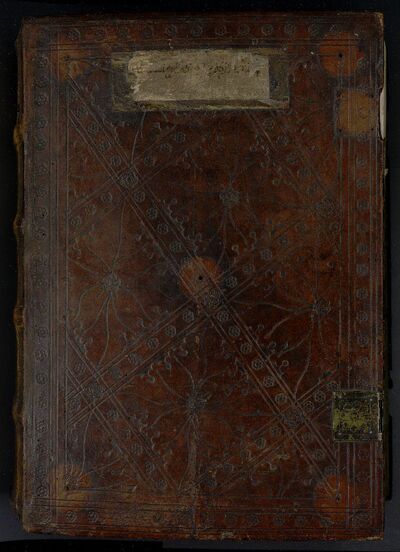
18 objects attributed to Gregory IX, held across European museums, libraries & archives · via Europeana




~12 min read
Encyclopedic overview
Pope Gregory IX (Latin: Gregorius IX; born Ugolino di Conti; 1145 – 22 August 1241) was head of the Catholic Church and the ruler of the Papal States from 19 March 1227 until his death in 1241. He is known for issuing the Decretales and instituting the Papal Inquisition, in response to the failures of the episcopal inquisitions established during the time of Pope Lucius III, by means of the papal bull Ad abolendam, issued in 1184.
He worked initially as a cardinal, and after becoming the successor of Honorius III, he fully inherited the traditions of Gregory VII and of his own cousin Innocent III, and zealously continued their policy of papal supremacy.
Excerpted from Wikipedia’s “Gregory IX” article, available under the CC BY-SA 4.0 licence.
Gallery (4)
Available in 75 languages
- Español
- Français
- Deutsch
- 中文
- 日本語
- Русский
- Português
- Italiano
- العربية
- Afrikaans
- Albanian
- Bahasa Indonesia
- Basque
- Belarusian
- Bikol
- Breton
- Bulgarian
- Catalan
Show 56 more
- cdo
- Croatian
- Czech
- Danish
- Egyptian Arabic
- Esperanto
- Estonian
- Filipino
- Finnish
- Galician
- Georgian
- Greek
- Hakka Chinese
- Hebrew
- Hungarian
- Ido
- Iloko
- Irish
- Javanese
- Kashubian
- Latin
- Latvian
- Lithuanian
- Macedonian
- Malagasy
- Malay
- Malayalam
- Marathi
- Nederlands
- Norwegian
- Occitan
- Piedmontese
- Polski
- Quechua
- Romanian
- Serbian
- Serbian (Latin)
- Sicilian
- simple
- Slovak
- Slovenian
- Svenska
- Swahili
- Tiếng Việt
- Türkçe
- Ukrainian
- Urdu
- Waray
- Welsh
- Wu Chinese
- Yoruba
- Zaza
- zh_min_nan
- zh_yue
- فارسی
- 한국어
via Wikidata sitelinks · CC0