Profile via TMDB · Courtesy of TMDB
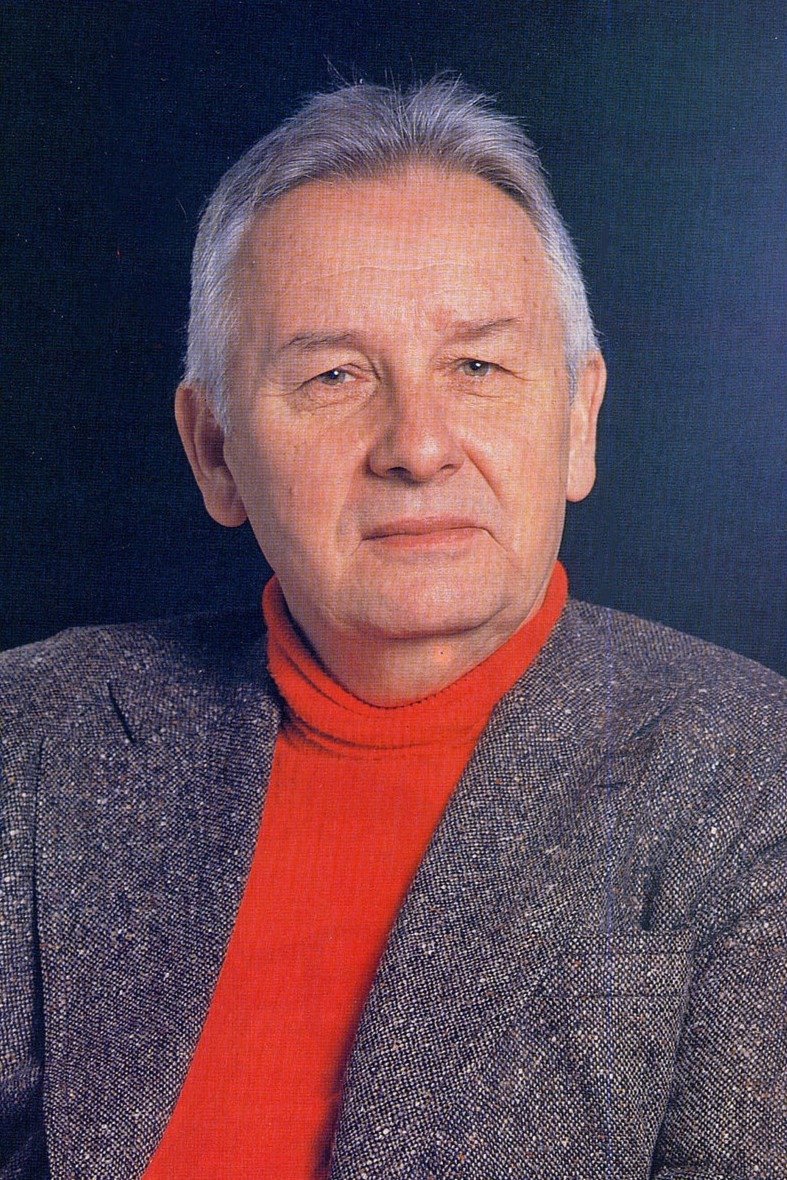
Henryk Górecki
Sign in to saveAlso known as Henryk-Mikolaj Górecki, Henryk Mikołaj Górecki, Henryk Gorecki
Polish composer (1933–2010)
Film & TV
Known for
- Henryk Górecki: The Symphony of Sorrowful Songs — Self1993
- Please Find Henryk Mikołaj Górecki — on sam
via TMDB
Key facts
- Born
- Henryk Mikołaj Górecki , ( 1933-12-06 ) 6 December 1933, Czernica , Silesia , Poland
- Died
- 12 November 2010 (2010-11-12) (aged 76), Katowice , Silesia, Poland
- Alma mater
- Karol Szymanowski Academy of Music
- Era
- Contemporary
- Known for
- Symphony of Sorrowful Songs
- Works
- List of works
- Spouse
- Jadwiga Rurańska (pianist)
- Children
- Anna Górecka, Mikołaj Górecki
via Wikipedia infobox
Wikidata facts
- Instance of
- human
- Gender
- male
- Citizenship
- Poland
- Place of birth
- Czernica
- Place of death
- Katowice
- Occupation
- composer
- Position held
- associate professor
- Employer
- Academy of Music in Katowice
- Languages spoken
- Polish
- Native language
- Polish
- Religion
- Catholic Church
- Student of
- Bolesław Szabelski
- Field of work
- music education
- Genre
- minimalist music
- Movement
- modernism
- Record label
- Nonesuch Records
- Image
- Henryk Mikołaj Górecki Polish composer.jpg
- Number of children
- 2
Show 16 more facts
- IPA transcription
- hɛnrɨk mʲikɔwaj ɡurɛt͡skʲi
- Commons category
- Henryk Górecki
- date of birth
- 1933-12-06
- date of death
- 2010-11-12
- cause of death
- disease
- related category
- Category:Compositions by Henryk Górecki
- member of
- Klub Inteligencji Katolickiej
- name in native language
- Henryk Górecki
- Commons Creator page
- Henryk Górecki
- manner of death
- natural causes
- birth name
- Henryk Mikołaj Górecki
- writing language
- Polish
- described at URL
- culture.pl/pl/tworca/henryk-mikolaj-gorecki
- start of work period
- 1960-00-00
- end of work period
- 2010-00-00
- P12674
- Ewald von Massow
Sources (7)
via Wikidata · CC0
~26 min read
Encyclopedic overview
Henryk Mikołaj Górecki (/ɡəˈrɛtski/ gə-RET-skee; Polish: [ˈxɛnrɨk miˈkɔwaj ɡuˈrɛt͡skʲi] ; 6 December 1933 – 12 November 2010) was a Polish composer of contemporary classical music. According to critic Alex Ross, no recent classical composer has had as much commercial success as Górecki. He became a leading figure of the Polish avant-garde during the post-Stalin cultural thaw. His Anton Webern-influenced serialist works of the 1950s and 1960s were characterized by adherence to dissonant modernism and influenced by Luigi Nono, Karlheinz Stockhausen, Krzysztof Penderecki and Kazimierz Serocki. He continued in this direction throughout the 1960s, but by the mid-1970s had changed to a less complex sacred minimalist sound, exemplified by the transitional Symphony No. 2 "Copernician" and the Symphony No. 3 "Symphony of Sorrowful Songs". This later style developed through several other distinct phases, from such works as his 1979 Beatus Vir, to the 1981 choral hymn Miserere, the 1993 Kleines Requiem für eine Polka and his requiem Good Night.
Górecki was largely unknown outside Poland until the late 1980s. In 1992, 15 years after it was composed, a recording of his Symphony of Sorrowful Songs with soprano Dawn Upshaw and conductor David Zinman became a worldwide commercial and critical success, selling more than a million copies and vastly exceeding the typical lifetime sales of a recording of symphonic music by a 20th-century composer. Commenting on its popularity, Górecki said, "Perhaps people find something they need in this piece of music ... somehow I hit the right note, something they were missing. Something somewhere had been lost to them. I feel that I instinctively knew what they needed." This popular acclaim did not generate wide interest in Górecki's other works, and he pointedly resisted the temptation to repeat earlier success, or compose for commercial reward.
Excerpted from Wikipedia’s “Henryk Górecki” article, available under the CC BY-SA 4.0 licence.