Encyclopedia of Life · EOL (see source)
Linaria
Sign in to saveAlso known as snapdragon
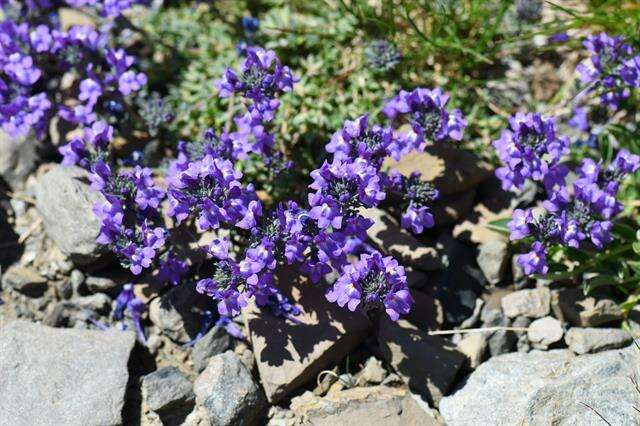
Linaria is a genus of almost 200 species of flowering plants, one of several related groups commonly called toadflax. They are annuals and herbaceous perennials, and the largest genus in the Antirrhineae tribe of the plantain family Plantaginaceae.
Species
Genus
- PhylumChordata
- ClassAves
- OrderPasseriformes
- FamilyFringillidae
柳穿鱼属(学名:Linaria)是玄参科下的一个属,为一年生或多年生草本植物。该属共有约150种,分布于北温带。[1] 参考文献 ^ 中国种子植物科属词典. 中国数字植物标本馆. (原始内容存档于2012-04-11). 外部链接 維基物種中有關柳穿鱼属的數據 这是一篇與植物相關的小作品。你可以通过编辑或修订扩充其内容。 查 论 编 取自“https://zh.wikipedia.org/w/index.php?title=柳穿鱼属&oldid=45091227” 分类: 玄參科 柳穿鱼属 隐藏分类: 本地相关图片与维基数据不同 WikispeciesLatinName 全部小作品 植物小作品
via · Kew POWO
Research
134 papers- Chemical constituents and biological activities of the genus Linaria (Scrophulariaceae).Natural product research · 2015
- Anti-inflammatory and hemostatic effects of Linaria reflexa Desf.Natural product research · 2021
- Linaburiosides A-D, acylated iridoid glucosides from Linaria buriatica.Phytochemistry · 2020
- In Vitro Germination and Organogenesis of Endangered Neo-Endemic Baltic Dunes Species Linaria loeselii Schweigg.Plants (Basel, Switzerland) · 2024
- The genome sequence of the common toadflax, Linaria vulgaris Mill., 1768.Wellcome open research · 2023
via PubMed
Wikidata facts
- Image
- Common toadflax 600.jpg
Show 5 more facts
- Commons category
- Linaria
- taxon name
- Linaria
- taxon common name
- madronščica
- Commons gallery
- Linaria
Sources (2)
via Wikidata · CC0
~8 min read
Article
11 sectionsContents
- Taxonomy
- Cultivation
- Species
- Etymology
- Distribution and habitat
- Ecology
- Chemical composition
- Uses
- Traditional medicine
- References
- Bibliography
Linaria is a genus of almost 200 species of flowering plants, one of several related groups commonly called toadflax. They are annuals and herbaceous perennials, and the largest genus in the Antirrhineae tribe of the plantain family Plantaginaceae.
==Taxonomy== Linaria was traditionally placed in the family Scrophulariaceae. Phylogenetic analysis has now placed it in the vastly expanded family Plantaginaceae.