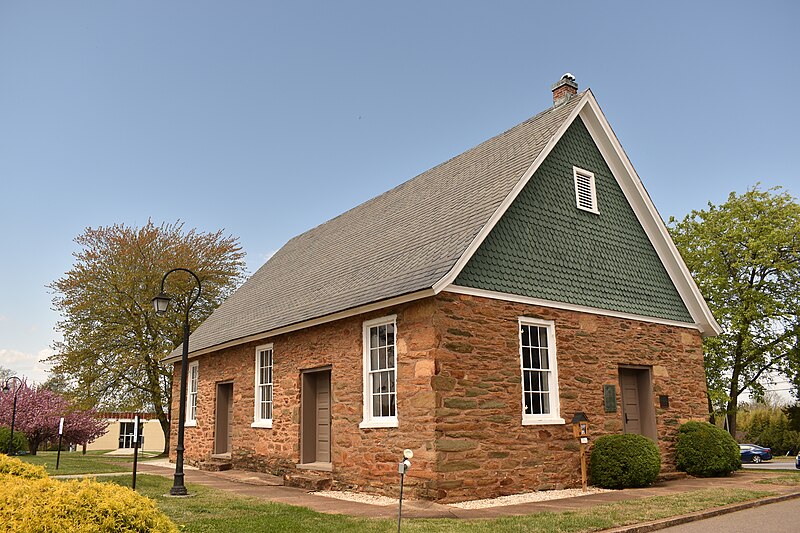
File:South_River_Friends_(Quakers)_Meeting_House_2.jpg · Wikimedia Commons · See Wikimedia Commons
Lynchburg
Sign in to saveAlso known as Lynchburg, Virginia, Lynchburg, VA
independent city in Virginia, United States
Key facts
- Country
- United States
- State
- Virginia
- Incorporated town
- January 10, 1805
- Named after
- John Lynch
- Type
- Council–Manager
- Mayor
- Larry Taylor ( R )
- Vice mayor
- Curt Diemer (R)
- Council
- Lynchburg City Council
- Independent city
- 49.53 sq mi (128.27 km )
- Land
- 48.97 sq mi (126.84 km )
- Water
- 0.55 sq mi (1.43 km )
- Elevation
- 630 ft (192 m)
- Estimate 2025
- 81,347
- Rank
- 11th in Virginia
- Density
- 1,613.3/sq mi (622.90/km )
- Urban
- 125,596 (US: 268th )
- Metro
- 261,593 (US: 190th )
- Demonym
- Lynchburger
via Wikipedia infobox
Wikidata facts
- Instance of
- independent city in the United States
- Official name
- Lynchburg
- Country
- United States
- Located in
- Virginia
- Population
- 79009
- Area
- 128.584693
- Elevation
- 192
- Time zone
- UTC−05:00
- Shares border with
- Bedford County
- Official website
- www.lynchburgva.gov
- Image
- LynchburgJune2021.jpg
- Households
- 28223
- Dialing code
- 434
Show 14 more facts
- postal code
- 24515
- Commons category
- Lynchburg, Virginia
- topic's main category
- Category:Lynchburg, Virginia
- inception
- 1786-00-00
- category for people born here
- Category:Births in Lynchburg, Virginia
- category of associated people
- Category:People from Lynchburg, Virginia
- category for people who died here
- Q29054065
- native label
- Lynchburg
- twinned administrative body
- Rueil-Malmaison
- P8168
- India Gate
- water as percent of area
- 1.046
- per capita income
- 23683
- described by source
- Encyclopædia Britannica 11th edition
- P12749
- Johann Jakob Quandt
Sources (15)
via Wikidata · CC0
~40 min read
Encyclopedic overview
Lynchburg is an independent city in Virginia, United States. Located in the foothills of the Blue Ridge Mountains along the James River, it had a population of 79,009 at the 2020 census, making it the 11th-most populous city in Virginia. It is nicknamed the "City of Seven Hills" or the "Hill City." Lynchburg was founded in 1757 by John Lynch, a Quaker ferry operator and abolitionist. During the American Civil War, Lynchburg's strategic importance helped it remain the only major city in Virginia not recaptured by Union forces before the war's end.
Lynchburg anchors the Lynchburg metropolitan area, which lies near the geographic center of Virginia and is the fifth-largest metropolitan area in the state, with a population of 261,593. The city is a regional hub for education, home to several institutions of higher learning, including Liberty University, the University of Lynchburg, Randolph College, Virginia University of Lynchburg, and Central Virginia Community College.
Excerpted from Wikipedia’s “Lynchburg” article, available under the CC BY-SA 4.0 licence.