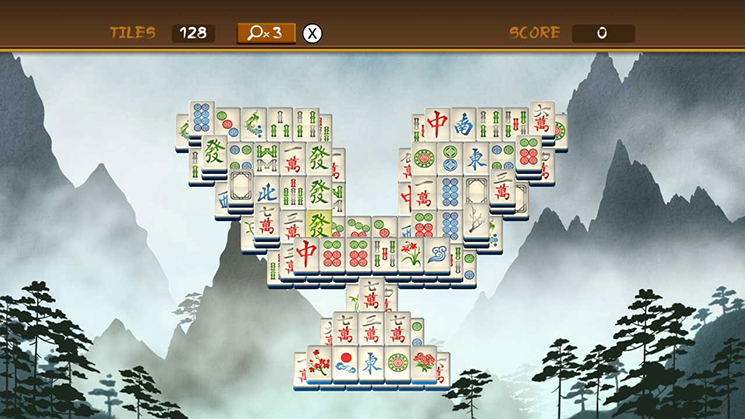
Mahjong · RAWG · Courtesy of RAWG
Mahjong
Sign in to saveis a 1983 mahjong video game developed and published by Nintendo for the Family Computer. It was released on August 27, 1983 in Japan alongside Gomoku Narabe Renju. It was followed by a port to Nintendo VS. System arcades titled VS. Mah-Jong released in February 1984 as well as the Famicom Disk System on February 21, 1986. The game also released in Hong Kong sometime in 1987 for the Nintendo Entertainment System. It was followed by a series of sequels, beginning with 4 Nin Uchi Mahjong in 1984 for the Famicom.
In the Vinony graph
Within Vinony's link graph, Mahjong is referenced by 12 other articles, and connects out to Nintendo Entertainment System, mahjong and arcade video game machine.
Vinony files it under 1983 video games, Arcade Archives games and Arcade video games.
Its subject is documented across 5 Wikipedia language editions.
Game data
- Released
- 2009-12-01
- User rating
- 3.44 / 5
- Genres
- Puzzle, Casual, Simulation, Indie, Board Games
- Platforms
- PC, Xbox One, PlayStation 4, Nintendo Switch, iOS, Android, Nintendo DS, macOS, Linux, Wii U
via RAWG
Game details · IGDB
- Released
- 1983
- Genres
- Card & Board Game
- Platforms
- SG-1000
- Game modes
- Single player
- Developer
- Sega
- Publisher
- Sega
Wikidata facts
- Instance of
- video game
- Country of origin
- Japan
- Publisher
- Nintendo
- Developer
- Nintendo
- Platform
- Famicom Disk System
Show 1 more fact
- publication date
- 1983-00-00
via Wikidata · CC0
~2 min read
Encyclopedic overview
5 sectionsContents
- Gameplay
- Re-releases
- Notes
- References
- External links
is a 1983 mahjong video game developed and published by Nintendo for the Family Computer. It was released on August 27, 1983 in Japan alongside Gomoku Narabe Renju. It was followed by a port to Nintendo VS. System arcades titled VS. Mah-Jong released in February 1984 as well as the Famicom Disk System on February 21, 1986. The game also released in Hong Kong sometime in 1987 for the Nintendo Entertainment System. It was followed by a series of sequels, beginning with 4 Nin Uchi Mahjong in 1984 for the Famicom.
==Gameplay== The game consists of Japanese mahjong (also known as riichi mahjong) against a computer opponent. The "tiles remaining counter" serves as a reminder to players about the status of the wall. The game has three difficulty levels, with the easiest mode stopping players from making various mistakes as a tutorial and the hardest applying harsh time limits to calling and playing tiles. Due to technical limitations at the time, the game was reworked to involve two people instead of the expected four players, which was addressed by the release of 4 Nin Uchi Mahjong.
Excerpted from Wikipedia’s “Mahjong” article, available under the CC BY-SA 4.0 licence.