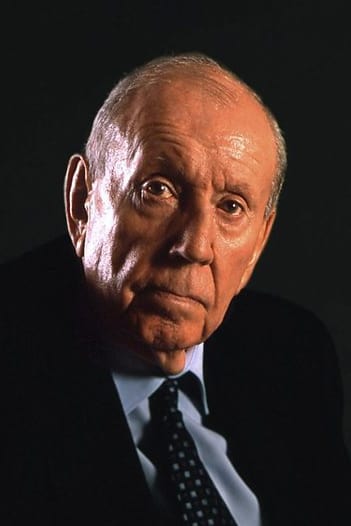
Profile via TMDB · Courtesy of TMDB
Malcolm Arnold
Sign in to saveAlso known as Sir Malcolm Henry Arnold, Malcolm Henry Arnold, Sir Malcolm Arnold
músico y compositor inglés (1921–2006)
OverviewAI-generated
Malcolm Henry Arnold was a British trumpeter, conductor, jazz musician, and film score composer. Born in Northampton on October 21, 1921, he was educated at the Royal College of Music and began his work period in 1941. He was a member of Gorsedh Kernow and wrote in the English language. His compositions included symphonies and works within the classical and contemporary classical genres.
Arnold received the honors of Commander of the Order of the British Empire and Knight Bachelor, becoming Sir Malcolm Arnold. He died in Norwich on September 23, 2006. His body of work includes films scored by him and various compositions.
Synthesized by Vinony from 32 facts across 5 sources: Wikidata, MusicBrainz, Last.fm, TMDb, Europeana Sparql. Generated from structured data (not the Wikipedia text) and checked against those facts — may still contain errors.
Film & TV
Northampton, Northamptonshire, England, UK
Sir Malcolm Henry Arnold CBE (21 October 1921 – 23 September 2006) was an English composer. His works feature music in many genres, including a cycle of nine symphonies, numerous concertos, concert works, chamber music, choral music and music for brass band and wind band. His style is tonal and rejoices in lively rhythms, brilliant orchestration, and an unabashed tunefulness. He wrote extensively…
Known for
- Toward the Unknown Region: Malcolm Arnold - A Story of Survival — Self2004
- Malcolm Arnold at 70 — Self1991
- Deep Purple: Concerto for Group and Orchestra — Self - Conductor1970
via TMDB
Music · MusicBrainz
- Type
- Person
- Gender
- Male
- Origin
- Austria
- Active from
- 1921
- Active to
- 2006
Discography
Member of
- London Philharmonic Orchestrauntil 1948
via MusicBrainz · CC0
Listeners · Last.fm
- Listeners
- 29,146
- Total plays
- 189,561
Tags
Sir Malcolm Arnold (1921-2006) was an English composer. Arnold was born in Northampton, and studied at the Royal College of Music. He became principal trumpet with The London Philharmonic Orchestra, but went on to concentrate solely on composition. He is known as a composer of conservative tonal works, acknowledging Hector Berlioz as an influence and being compared to Jean Sibelius. His works include symphonies, dances, and film scores; he worked with Deep Purple, conducting a performance of
Wikidata facts
- Instance of
- human
- Given name
- Henry
- Family name
- Arnold
- Gender
- male
- Citizenship
- United Kingdom
- Place of birth
- Northampton
- Place of death
- Norwich
- Occupation
- composer
- Languages spoken
- English language
- Award
- Knight Bachelor
- Genre
- symphony
- Instrument
- trumpet
- Official website
- www.malcolmarnold.co.uk
- Image
- Malcolm Arnold.jpg
Show 9 more facts
- Commons category
- Malcolm Arnold
- date of birth
- 1921-10-21
- date of death
- 2006-09-23
- honorific prefix
- Sir
- start of work period
- 1941-00-00
- writing language
- English language
- related category
- Category:Compositions by Malcolm Arnold
- P12749
- Spincourt
- member of
- Gorsedh Kernow
via Wikidata · CC0
Works in European collections
1 object attributed to Malcolm Arnold, held across European museums, libraries & archives · via Europeana
Article · Español
Malcolm Henry Arnold (Northampton, 21 de octubre de 1921-Norwich, 23 de septiembre de 2006) fue un compositor británico, uno de los más importantes de la segunda mitad de la música del siglo XX. Comenzó su carrera como trompetista profesional, pero alrededor de los treinta años decidió dedicarse exclusivamente a la composición. Compuso más de quinientas obras, tanto música clásica como documental y cinematográfica (obteniendo, en 1957, un Óscar a la mejor banda sonora por El Puente sobre el Río Kwai). Fue uno de los compositores ingleses más polémicos del siglo XX, debido a un estilo neorromántico y neoclásico que ya había sido prácticamente relegado al pasado y a sus consiguientes roces con la crítica especializada. Le concedieron el título de Comendador de la Orden del Imperio Británico.
Abstract from DBpedia / Wikipedia · CC BY-SA