naqqali
Sign in to saveAlso known as naqqālī, naghghali, naġġâli, naqqal, naqqāl, naghghal, naġġâl
Naqqali or naghghali (), also known as Persian epic storytelling, is the oldest form of narrating tales in Iran and has long played a significant role in society. A naqqal or naghghal is a storyteller who recites epic tales, primarily revolving around the stories of Iranian mythological kings and heroes.
In the Vinony graph
Vinony's link graph records 141 inbound references to naqqali, and connects out to UNESCO Intangible Cultural Heritage Lists, Iran and Persian.
Vinony files it under Intangible cultural heritage in Iran and Naqqali.
Vinony links it to 8 Wikipedia language editions.
Described at
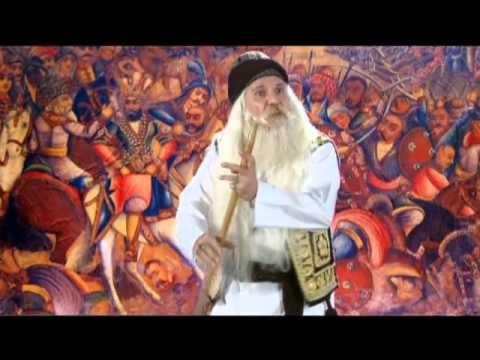
Naqqāli, Iranian dramatic story-telling - UNESCO Intangible Cultural Heritage
ich.unesco.org →Naqqāli is the oldest form of dramatic performance in the Islamic Republic of Iran and has long played an important role in society, from the courts to the villages. The performer – the Naqqāl – recounts stories in verse or prose accompanied by gestures and movements, and sometimes instrumental music and painted scrolls. Naqqāls function both as entertainers and as bearers of Persian literature and culture, and need to be acquainted with local cultural expressions, languages and dialects, and traditional music. Naqqāli requires considerable talent, a retentive memory and the ability to improvise with skill to captivate an audience. The Naqqāls wear simple costumes, but may also don ancient helmets or armoured jackets during performances to help recreate battle scenes. Female Naqqāls perform before mixed audiences. Until recently, Naqqāls were deemed the most important guardians of folk-tales, ethnic epics and Iranian folk music. Naqqāli was formerly performed in coffeehouses, tents of nomads, houses, and historical venues such as ancient caravanserais. However, a decline in the popularity of coffeehouses, combined with new forms of entertainment, has resulted in diminishing interest in Naqqāli performance. The aging of master performers (morsheds) and the decreasing popularity among younger generations have caused a steep drop in the number of skilled Naqqāls, threatening the survival of this dramatic art. 1. Oral traditions and expressions (384) 2. Performing arts (411) 3. Traditional craftsmanship (460)
Excerpt from a page describing this subject · 11,166 chars · not written by Vinony
Wikidata facts
- Instance of
- theatrical genre
- Subclass of
- storytelling
- Country of origin
- Iran
Show 3 more facts
- Commons category
- Naqqāli
- described at URL
- ich.unesco.org/es/USL/00535
- intangible cultural heritage status
- List of Intangible Cultural Heritage in Need of Urgent Safeguarding
Sources (1)
via Wikidata · CC0
~3 min read
Encyclopedic overview
7 sectionsContents
- Naqqal
- History
- Types
- Naqqali's UNESCO Recognition
- See also
- Notes
- References
Naqqali or naghghali (), also known as Persian epic storytelling, is the oldest form of narrating tales in Iran and has long played a significant role in society. A naqqal or naghghal is a storyteller who recites epic tales, primarily revolving around the stories of Iranian mythological kings and heroes.
==Naqqal== A naqqal is a storyteller who recites poetry or prose using gestures, expressions, and sometimes music, along with descriptions of inscriptions and paintings. Naqqali requires an exceptional memory to retain poems and texts, as well as improvisational skills and eloquence. Their attire is typically simple, though they may wear an ancient-style hat or armored coats during performances to depict battle scenes.
Excerpted from Wikipedia’s “naqqali” article, available under the CC BY-SA 4.0 licence.