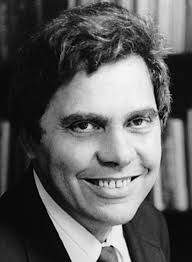
File:Neil_Postman.jpg · Wikimedia Commons · See Wikimedia Commons
Neil Postman
Sign in to saveAmerican writer and academic (1931-2003)
OverviewAI-generated
Neil Postman (1931–2003) was an American male author. His published works include *Technopoly*, *The soft revolution*, *Teaching as a subversive activity*, *Prentice Hall Literature*, and *The language of discovery*. Open Library records indicate he has 53 works, while Crossref lists 5.
Postman’s writings include the statement, “A definition is the start of an argument, not the end of one.” He also noted, “There is a difference between rape and seduction, technology can rape a culture or be forced to seduce it.” Additionally, he urged readers to reflect on questions generated by his texts rather than merely reacting to them.
Synthesized by Vinony from 17 facts across 7 sources: Wikidata, Last.fm, Crossref, Wikiquote, MusicBrainz, Open Library, Vinony graph. Generated from structured data (not the Wikipedia text) and checked against those facts — may still contain errors.
Key facts
- Born
- ( 1931-03-08 ) March 8, 1931, New York City, U.S.
- Died
- October 5, 2003 (2003-10-05) (aged 72), New York City, U.S.
- Occupation
- Writer, professor
- Education
- State University of New York at Fredonia , Columbia University
- Period
- 1959–2003
- Subjects
- Media ecology Media criticism cultural criticism education
- Spouse
- Shelley Ross
- Children
- 3, including Marc
via Wikipedia infobox
Wikidata facts
- Instance of
- human
- Given name
- Neil
- Gender
- male
- Citizenship
- United States
- Place of birth
- New York City
- Place of death
- New York City
- Languages spoken
- English language
Show 5 more facts
- cause of death
- lung cancer
- date of death
- 2003-10-05
- date of birth
- 1931-03-08
- manner of death
- natural causes
- name in native language
- Neil Postman
Sources (7)
via Wikidata · CC0
~10 min read
Encyclopedic overview
Neil Postman (March 8, 1931 – October 5, 2003) was an American author, educator, media theorist, and cultural critic who eschewed digital technology, including personal computers and mobile devices, and was critical of the use of personal computers in schools. He is best known for 20 books about technology and education, including Teaching as a Subversive Activity (1970), The Disappearance of Childhood (1982), Amusing Ourselves to Death (1985), Conscientious Objections (1988), Technopoly: The Surrender of Culture to Technology (1992) and The End of Education: Redefining the Value of School (1995).
Early life and education
Excerpted from Wikipedia’s “Neil Postman” article, available under the CC BY-SA 4.0 licence.