
oatmeal
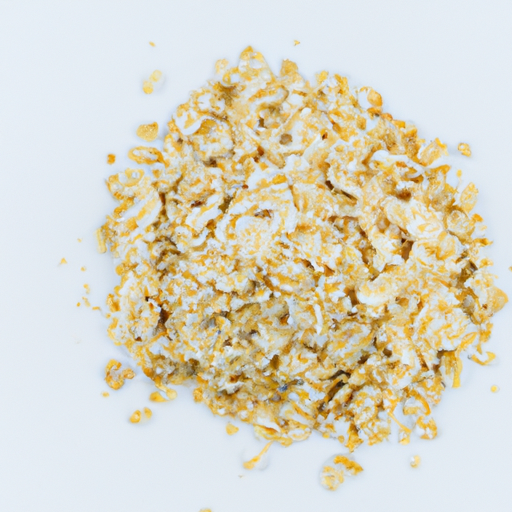
Sign in to saveOatmeal is a preparation of oats that have been dehusked, steamed, and flattened, or a coarse flour of hulled oat grains (groats) that have either been milled (ground), rolled, or steel-cut. Ground oats are also called white oats. Steel-cut oats are known as coarse oatmeal, Irish oatmeal, or pinhead oats. Rolled oats were traditionally thick old-fashioned oats, but they can be made thinner or smaller and may be categorized as quick oatmeal or instant oatmeal depending on the cooking time required, which is determined by the size of the oats and the amount of precooking.
Key facts
- Food.name
- Oatmeal
- Food.image
- Oatmeal.jpg
- Food.image_size
- 250px
- Food.caption
- Rolled oats (uncooked)
- Food.alternate_name
- White oats
- Food.main_ingredient
- Oat groats
via Wikipedia infobox
Described at
Can You Eat Expired Oatmeal?
Expert guide on oatmeal safety and storage. Learn proper Pantry storage, shelf life, spoilage signs, and when to discard. Risk increases after expiration.
canieatexpired.com →Storage conditions, initial freshness, and proper handling change the answer — and those details are easy to miss. Reviewed by the Can I Eat Expired Editorial Team using official USDA, FDA, and CDC food safety guidance. How we assess food safety risk This food is often safe when handled and stored properly, but safety depends on how it's been kept and whether any spoilage signs are present. Oatmeal is a relatively safe food item, but there are still some risks to consider. Contamination can occur if oatmeal is stored improperly or if it comes into contact with contaminated utensils or surfaces. Cross-contamination with allergens like nuts or gluten can also be a concern if not stored or handled correctly. To minimize risks, always store oatmeal in airtight containers, away from potential contaminants, and follow proper hygiene practices when preparing or serving oatmeal. To keep oatmeal fresh and prevent it from becoming stale or rancid, store it in an airtight container in a cool, dry place away from heat and moisture. Avoid storing oatmeal near strong-smelling foods as it can absorb odors easily. If you buy oatmeal in bulk, consider dividing it into smaller portions and storing them in sealed bags or containers to maintain freshness. Adding a silica gel packet to the container can help absorb any excess moisture and prolong the shelf life of oatmeal. The type of container can impact Oatmeal's shelf life. Opt for airtight containers to prevent moisture and air exposure, which can lead to quicker spoilage. Additionally, transparent containers should be stored in a dark place to avoid light-induced quality deterioration. Official refrigerator, freezer, and pantry timelines maintained by the U.S. Department of Agriculture. Field-to-fridge handling practices that prevent contamination of fruits, vegetables, and leafy greens. Surveillance-backed guidance on pathogens, symptoms, and steps to reduce foodborne illness risk. Need deeper reading? Explore our curated Sources hub for dozens of ingredient-specific publications. Our food safety review methodology explains how safety determinations are made. Important: These are general guidelines based on authoritative sources listed above. Always use your best judgment and when in doubt, throw it out. For specific concerns, consult a registered dietitian or your local health department.
Excerpt from a page describing this subject · 10,651 chars · not written by Vinony
Wikidata facts
- Image
- Oatmeal.jpg
Show 2 more facts
- Commons category
- Oatmeal
- described at URL
- canieatexpired.com/food/oatmeal
Sources (2)
via Wikidata · CC0
~9 min read
Encyclopedic overview
15 sectionsContents
- Industrial preparation and varieties
- Food uses
- Nutrition
- Health effects
- Regional variations
- Ireland
- Scotland
- Staffordshire
- The Netherlands, the Nordic countries, the Baltics and Russia
- United States
- Nigeria
- Gallery
- See also
- References
- External links
Oatmeal is a preparation of oats that have been dehusked, steamed, and flattened, or a coarse flour of hulled oat grains (groats) that have either been milled (ground), rolled, or steel-cut. Ground oats are also called white oats. Steel-cut oats are known as coarse oatmeal, Irish oatmeal, or pinhead oats. Rolled oats were traditionally thick old-fashioned oats, but they can be made thinner or smaller and may be categorized as quick oatmeal or instant oatmeal depending on the cooking time required, which is determined by the size of the oats and the amount of precooking.
==Industrial preparation and varieties==
Excerpted from Wikipedia’s “oatmeal” article, available under the CC BY-SA 4.0 licence.