Image from GBIF · CC BY-NC-ND
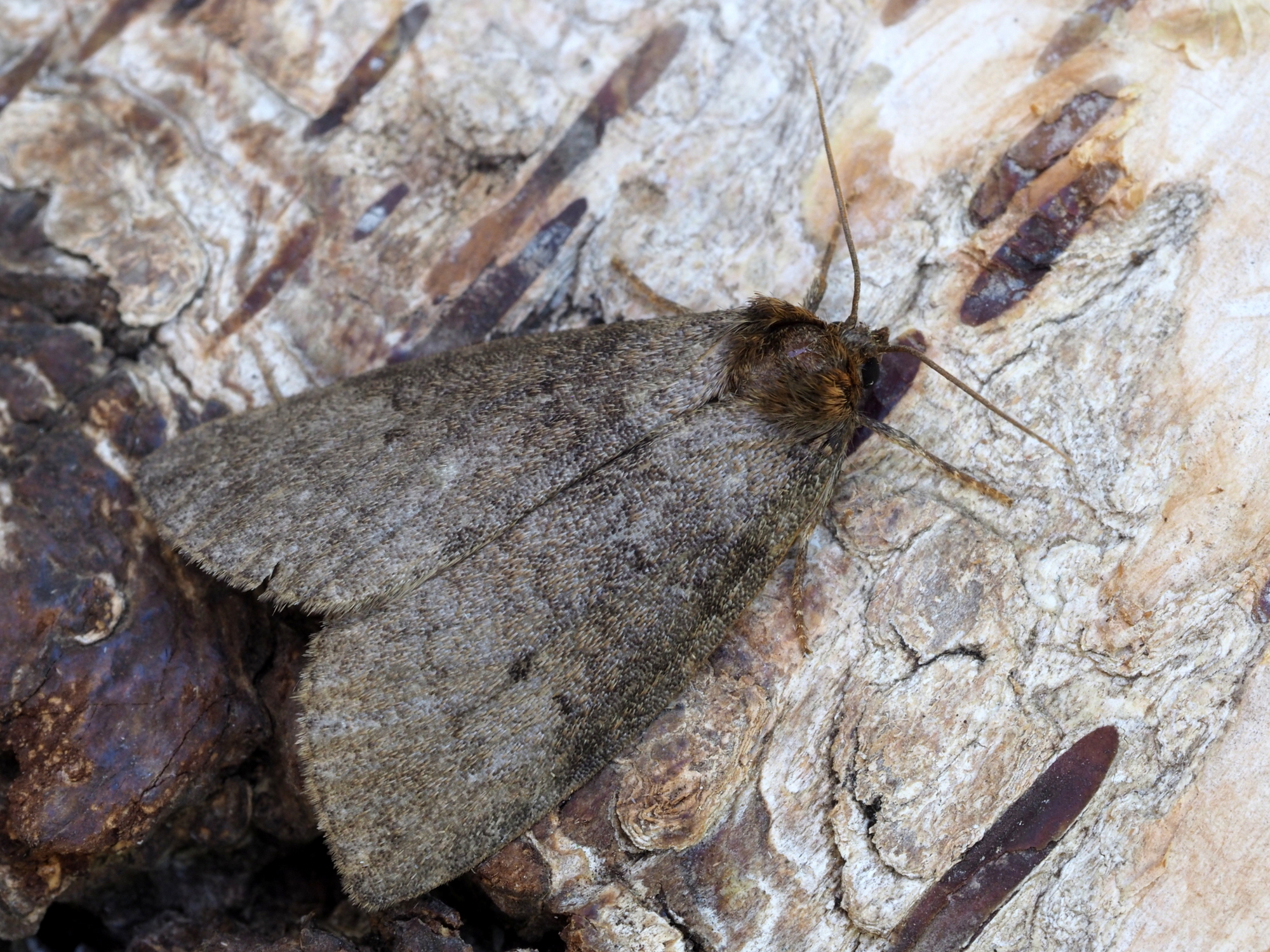
Ochropacha duplaris
Sign in to saveOchropacha is a monotypic moth genus in the family Drepanidae. The genus was first described by Hans Daniel Johan Wallengren in 1871. Its single species, Ochropacha duplaris, the common lutestring, was first described by Carl Linnaeus in 1761. It is found in China (Jilin), Russia, Japan, the Korean Peninsula and from Central Asia to Europe.
Species
SPECIES
- KingdomAnimalia
- PhylumArthropoda
- ClassInsecta
- OrderLepidoptera
- FamilyDrepanidae
via GBIF
Museum specimens
- Specimen records
- 1,069
- With media
- 1,674
- Family
- Drepanidae
- Collections
- RBINS-SCIENTIFIC HERITAGE, UIT, YPM, NHMUK
- Recorded in
- Norway, United States, United Kingdom
Wikidata facts
- Instance of
- taxon
- Parent taxon
- Ochropacha
- Image
- Ochropacha duplaris.jpg
Show 6 more facts
via Wikidata · CC0
~1 min read
Encyclopedic overview
2 sectionsContents
- References
- External links
Ochropacha is a monotypic moth genus in the family Drepanidae. The genus was first described by Hans Daniel Johan Wallengren in 1871. Its single species, Ochropacha duplaris, the common lutestring, was first described by Carl Linnaeus in 1761. It is found in China (Jilin), Russia, Japan, the Korean Peninsula and from Central Asia to Europe.
The wingspan is 27–32 mm. It is similar to Tetheella fluctuosa but the forewings with the whitish lines usually less distinct, the central band usually dark-striated towards edges, two black discal dots transversely placed, no praesubterminal dash and a dark fuscous oblique apical dash. The larva is pale dull greenish, deeper dorsally; dorsal line darker; subdorsal broad, dull olive-green; lateral line, yellowish; dots black; head reddish. thumb|140px|left|Fig 3 larvae after final moult
Excerpted from Wikipedia’s “Ochropacha duplaris” article, available under the CC BY-SA 4.0 licence.
Gallery (3)
Available in 13 languages
via Wikidata sitelinks · CC0