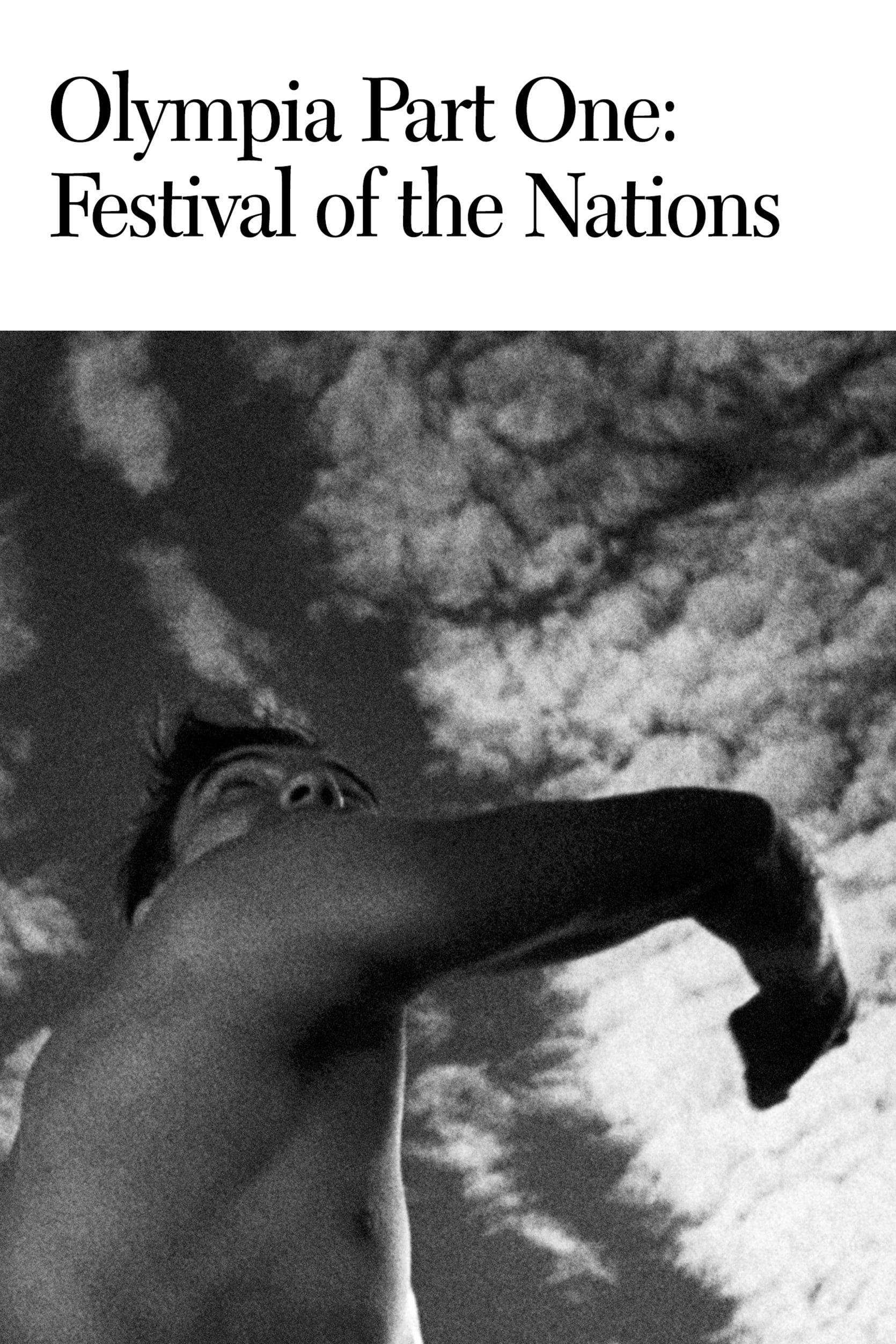
Poster from TMDB
Olympia
Sign in to saveAlso known as Olympia Part One: Festival of the Nations, Olympia Part Two: Festival of Beauty
1938 black-and-white Nazi propaganda documentary film, written, directed and produced by Leni Riefenstahl, about the 1936 Summer Olympics in Berlin
OverviewAI-generated
Olympia is a 1938 German documentary and propaganda film about the 1936 Summer Olympics, directed, written, produced, and edited by Leni Riefenstahl. Shot in black-and-white by Hans Ertl, Walter Frentz, Gustav Lantschner, and Willy Zielke, with a score by Herbert Windt, it is set in Berlin and records the participation of Adolf Hitler, Jesse Owens, Luz Long, and Spyridon Louis.
Copyright in the film is held by Riefenstahl and the International Olympic Committee. Running 127 minutes, it had a budget of 550,000.
Synthesized by Vinony from 42 facts across 4 sources: Wikidata, TMDb, OMDb, IMDb. Generated from structured data (not the Wikipedia text) and checked against those facts — may still contain errors.
Film · TMDB
6.9Starting with a long and lyrical overture, evoking the origins of the Olympic Games in ancient Greece, Riefenstahl covers twenty-one athletic events in the first half of this two-part love letter to the human body and spirit, culminating with the marathon, where Jesse Owens became the first track and field athlete to win four gold medals in a single Olympics.
Cast
- David Albritton as Self - High Jump, USA (uncredited)
- Arvo Askola as Self - 10000 Metres, Finland (uncredited)
- Jack Beresford as Self - Carries British Flag (uncredited)
- Erwin Blask as Self - Hammer Throw, Germany (uncredited)
- Sulo Bärlund as Self - Shot Put, Finland (uncredited)
- Ibolya Csák as Self - High Jump, Hungary (uncredited)
Themes
- nazi
- sports
- olympic games
- national socialism
- national socialist party
- beauty
- xenophobia
- woman director
- nsdap (nazi party)
- professional athlete
This product uses the TMDB API but is not endorsed or certified by TMDB.
Ratings
IMDb
7.7/10
5,359 votes
Rotten Tomatoes
89%
- Year
- 1938
- Runtime
- 111 min
- Genres
- Documentary, Sport
- Rated
- Not Rated
- Awards
- 2 wins
via OMDb · IMDb
Key facts
- Directed by
- Leni Riefenstahl
- Written by
- Leni Riefenstahl
- Produced by
- Leni Riefenstahl
- Cinematography
- Paul Holzki
- Edited by
- Leni Riefenstahl
- Music by
- Herbert Windt Walter Gronostay Richard Strauss
- Production company
- Olympia-Film
- Distributed by
- Tobis
- Release date
- 20 April 1938 ( 1938-04-20 )
- Running time
- 226 minutes
- Country
- Germany
- Language
- German
- Budget
- 2.35 million ℛ ︁ ℳ ︁
via Wikipedia infobox
Wikidata facts
- Genre
- propaganda film
- Country of origin
- German Reich
- Original language
- German
- Based on
- 1936 Summer Olympics
- Main subject
- Olympic Games
- Director
- Leni Riefenstahl
- Screenwriter
- Leni Riefenstahl
- Composer
- Herbert Windt
- Producer
- Leni Riefenstahl
- Narrative location
- Berlin
- Duration
- 226
- Image
- Bundesarchiv Bild 146-1988-106-29, Leni Riefenstahl bei Dreharbeiten.jpg
Show 9 more facts
- publication date
- 1938-01-01
- film editor
- Leni Riefenstahl
- title
- Olympia
- color
- black-and-white
- copyright holder
- International Olympic Committee
- public domain date
- 2107-01-01
- described by source
- Women Make Film
- review score
- 80%
- Commons category
- Olympia (1938 film)
Sources (11)
via Wikidata · CC0
~7 min read
Encyclopedic overview
Olympia is a 1938 German propaganda and documentary film written, directed and produced by Leni Riefenstahl, which documented the 1936 Summer Olympics, held in the Olympic Stadium in Berlin during the Nazi period. The film was released in two parts: Olympia 1. Teil — Fest der Völker (Festival of Nations) (126 minutes) and Olympia 2. Teil — Fest der Schönheit (Festival of Beauty) (100 minutes). The 1936 Summer Olympics torch relay, as devised for the Games by the secretary general of the Organizing Committee, Dr. Carl Diem, is shown in the film.
Olympia is controversial due to its political context and propaganda value. However, the techniques Riefenstahl employed are almost universally admired and had a lasting influence on film and television coverage of sport events. Olympia appears on many lists of the greatest films of all time, including Time magazine's "All-Time 100 Movies".
Excerpted from Wikipedia’s “Olympia” article, available under the CC BY-SA 4.0 licence.