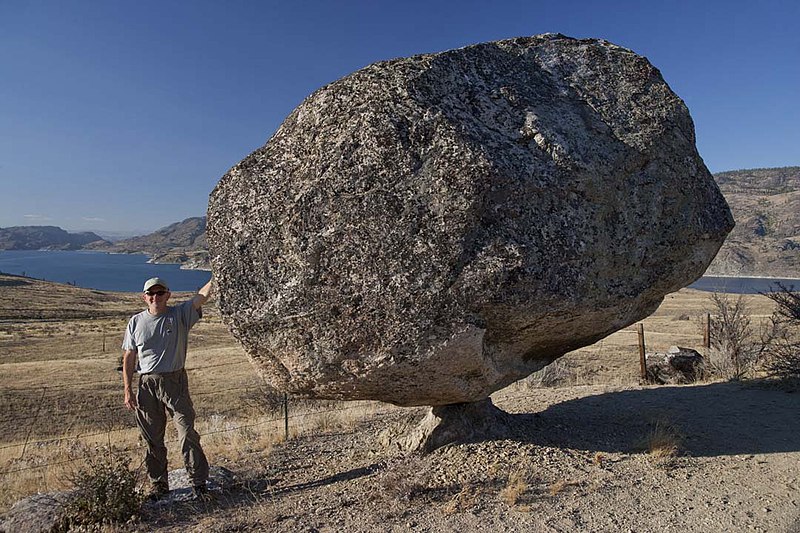
File:Omak_lake_balancing_rock.jpg · Wikimedia Commons · See Wikimedia Commons
Omak
Sign in to saveAlso known as Omak, Washington, Omak, WA
city in north-central Washington, United States
Key facts
- Country
- United States
- State
- Washington
- County
- Okanogan
- Established
- January 1, 1907
- Incorporated
- February 11, 1911
- Founded by
- Ben Ross
- Type
- Mayor–council
- Mayor
- Cindy Gagné
- Governing body
- Omak City Council
- City
- 3.94 sq mi (10.21 km )
- Land
- 3.86 sq mi (10.00 km )
- Water
- 0.081 sq mi (0.21 km )
- Urban
- 4.83 sq mi (12.5 km )
- Elevation
- 925 ft (282 m)
- Density
- 1,260/sq mi (486/km )
- Demonym
- Omakian
- Time zone
- UTC-8 ( PST )
- Summer dst
- UTC-7 ( PDT )
via Wikipedia infobox
Official website
Omak, WA | Official Website
omakcity.com →Link to the official site · 447 chars · not written by Vinony
Wikidata facts
- Instance of
- city in the United States
- Official name
- Omak
- Country
- United States
- Located in
- Okanogan County
- Population
- 4860
- Area
- 9.057909
- Elevation
- 257
- Time zone
- UTC−07:00
- Body of water
- Okanogan River
- Official website
- www.omakcity.com
- Image
- Omak, WA - bridge across the Okanagan River.jpg
- Households
- 2035
- Dialing code
- 509
Show 5 more facts
- Commons category
- Omak, Washington
- postal code
- 98841
- inception
- 1907-00-00
- water as percent of area
- 1.9898
- per capita income
- 21803
Sources (9)
via Wikidata · CC0
~40 min read
Encyclopedic overview
Omak (/oʊˈmæk/ o-MAK) is a city located in the foothills of the Okanogan Highlands in north-central Washington, United States. With a population of 4,860 as of 2020, distributed over a land area of 3.43 square miles (8.9 km), Omak is the largest municipality of Okanogan County and the largest municipality in Central Washington north of Wenatchee. The Greater Omak Area of around 8,229 inhabitants as of the 2010 census is the largest urban cluster in the Okanogan Country region, encompassing most of its twin city of Okanogan.
The land that is now Omak had been inhabited by various Native American tribes before the arrival of non-indigenous settlers in the early 19th century. The city began to develop after the completion of the Okanogan Irrigation Project affecting the Grand Coulee Dam and other nearby electric facilities. The housing and municipal infrastructure, along with regional infrastructure connecting the new town to other municipalities, were built simultaneously in 1908 supported by the local agricultural industry. The name Omak comes from the Okanagan placename [umák], or the Salishan term Omache—which is said to mean "good medicine" or "plenty", referring to its favorable climate, with an annual high of around 88 °F (31 °C). Omak acts as the gateway to the Okanogan–Wenatchee National Forest and consists of a central business district and residential neighborhoods.
Excerpted from Wikipedia’s “Omak” article, available under the CC BY-SA 4.0 licence.