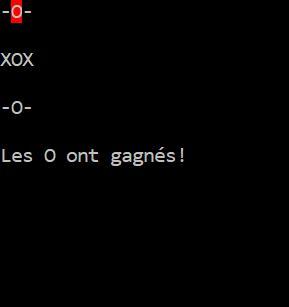
OXO · RAWG · Courtesy of RAWG
Also known as Noughts and Crosses
1952 video game: naughts and crosses simulator
OverviewAI-generated
OXO is a single-player puzzle and strategy video game developed and published by Alexander Shafto "Sandy" Douglas and the University of Warwick. The title was originally released in 1952. It is playable on PC (Microsoft Windows) and EDSAC.
The game holds a rating of 35 based on 8 ratings. It is categorized under the strategy genre. The work was published on January 1, 1952, and released on August 14, 2017.
Synthesized by Vinony from 13 facts across 3 sources: Wikidata, RAWG, IGDB. Generated from structured data (not the Wikipedia text) and checked against those facts — may still contain errors.
Game details · IGDB
OXO was a computer game developed by Alexander S. Douglas in 1952 for the EDSAC computer, which simulates a game of Noughts and crosses, also sometimes called Tic-tac-toe. OXO is the earliest known game to display visuals on a video monitor. To play OXO, the player would enter input using a rotary telephone controller, and output was displayed on the computer's 35×16 dot matrix cathode ray tube. Each game was played against an artificially intelligent opponent.
- Released
- 1952
- Genres
- Puzzle, Strategy
- Platforms
- PC (Microsoft Windows), EDSAC
- Game modes
- Single player
- Developer
- Alexander Shafto "Sandy" Douglas, University of Warwick
- Publisher
- Alexander Shafto "Sandy" Douglas, University of Warwick
Wikidata facts
- Instance of
- video game
- Genre
- puzzle video game
- Country of origin
- United Kingdom
- Publisher
- University of Cambridge
- Developer
- Sandy Douglas
- Game mode
- single-player video game
- Distribution format
- delay line memory
- Image
- Oxo.jpg
Show 3 more facts
- publication date
- 1952-01-01
- input device
- rotary dial
- Commons category
- OXO
Sources (1)
via Wikidata · CC0