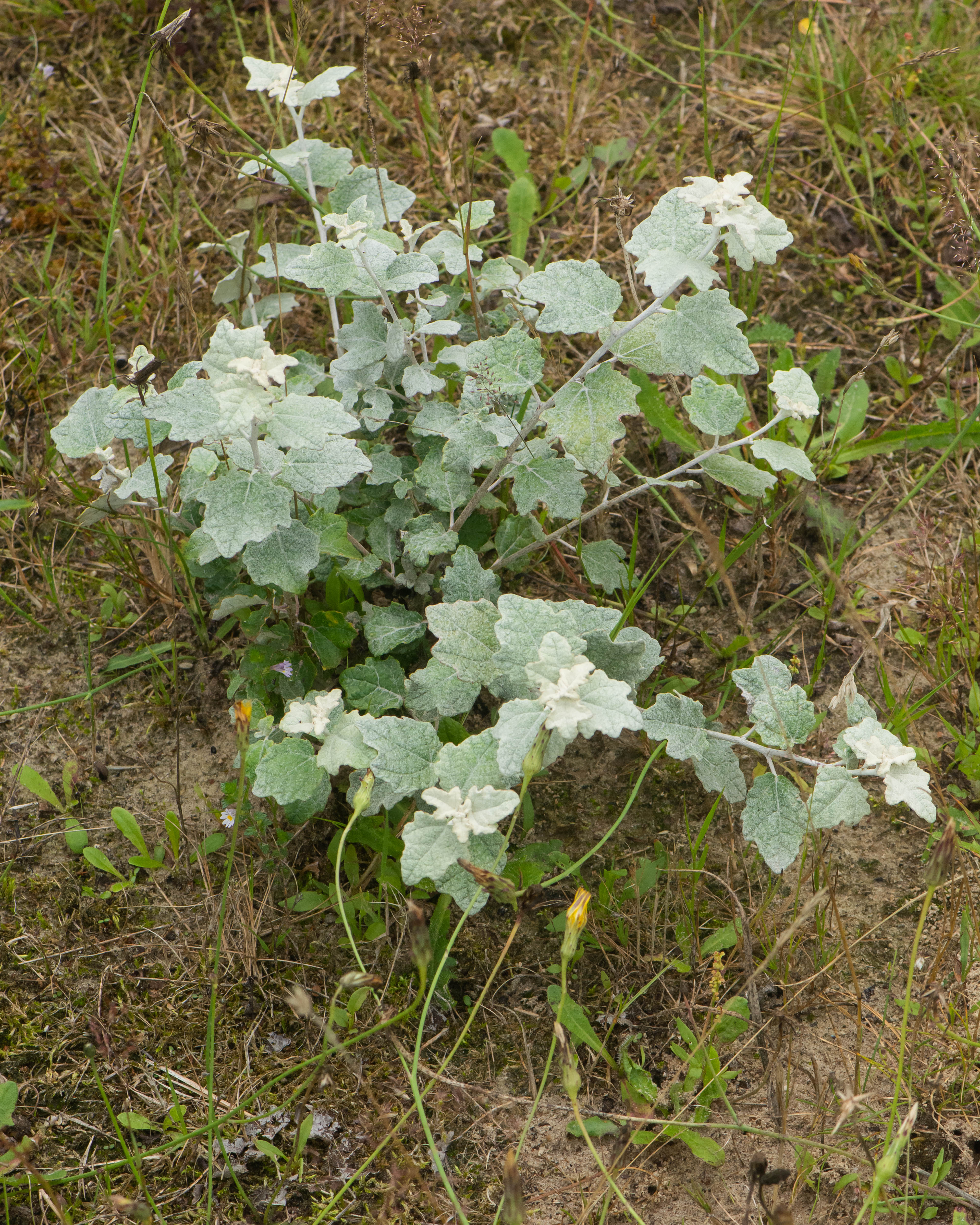
Image from GBIF · CC BY-NC
OverviewAI-generated
Populus × canescens, commonly known as the grey poplar, is a hybrid tree species within the family Salicaceae. It belongs to the genus Populus and is classified as a nothospecies. The organism is a hybrid of Populus alba and Populus tremula. Its taxonomic hierarchy places it in the kingdom Plantae, phylum Tracheophyta, class Magnoliopsida, and order Malpighiales. Other common names for this species include Grå-Poppel, Grau-Pappel, and Harmaapoppeli.
The taxon range for Populus × canescens is listed as Xinjiang. Records of the species are held by the institution MOR in the United States. The species has been referenced by 32 other encyclopedia articles.
Synthesized by Vinony from 30 facts across 6 sources: Wikidata, GBIF, Gbif Occ, Plants of the World, iDigBio, Vinony graph. Generated from structured data (not the Wikipedia text) and checked against those facts — may still contain errors.
Species
SPECIES
- KingdomPlantae
- PhylumTracheophyta
- ClassMagnoliopsida
- OrderMalpighiales
- FamilySalicaceae
Common Name: grey poplar
via GBIF · Kew POWO
Wikidata facts
Show 9 more facts
- taxon rank
- nothospecies
- Commons category
- Populus × canescens
- taxon name
- Populus canescens
- Commons gallery
- Populus × canescens
- taxon common name
- 银灰杨
- short name
- P. canescens
- taxon range
- Xinjiang
- hybrid of
- Populus tremula
Sources (2)
via Wikidata · CC0
~1 min read
Encyclopedic overview
Populus × canescens, the grey poplar, is a hybrid between Populus alba (white poplar) and P. tremula (common aspen). It is intermediate between its parents, with a thin grey downy coating on the leaves, which are much less deeply lobed than the leaves of P. alba. It is a very vigorous tree with marked hybrid vigour, reaching 40 metres (130 feet) tall and with a trunk diameter over 1.5 m (5 ft) – much larger than either of its parents. Most trees in cultivation are male, but female trees occur naturally and some of these are also propagated.
Taxonomy
Excerpted from Wikipedia’s “Populus × canescens” article, available under the CC BY-SA 4.0 licence.