Putranjivaceae · Kew POWO · Kew Plants of the World Online
Putranjivaceae
Sign in to savePutranjivaceae is a rosid family that is composed of 218 species in 2 genera of evergreen tropical trees that are found mainly in the Old World tropics, but with a few species in tropical America.
Species
FAMILY
- KingdomPlantae
- PhylumTracheophyta
- ClassMagnoliopsida
- OrderMalpighiales
- FamilyPutranjivaceae
General: Number of genera: Putranjivaceae are pantropical Appearance: seeds. The Putranjivaceae also contains glucosinolates (mustard
via GBIF · Kew POWO
Museum specimens
- Specimen records
- 36
- With media
- 30
- Family
- Putranjivaceae
- Collections
- MEL, A, GH, MO, JBRJ, MNHN
- Recorded in
- Gabon, Indonesia, Papua New Guinea, Venezuela, Philippines, Malaysia, Madagascar, Solomon Islands
Wikidata facts
- Instance of
- taxon
- Parent taxon
- Rhizophorales
- Image
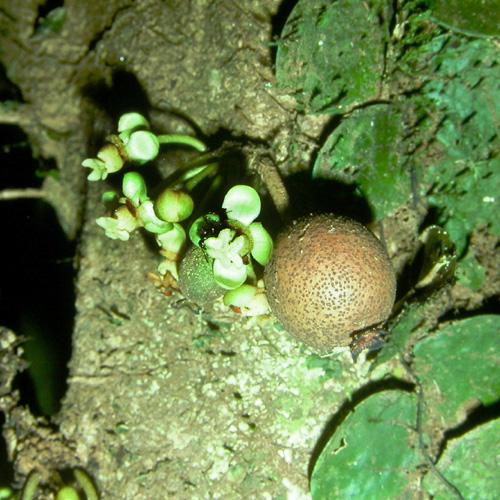
- Tree I IMG 3274.jpg
Show 7 more facts
- Commons category
- Putranjivaceae
- taxon rank
- family
- taxon name
- Putranjivaceae
- topic's main category
- Category:Putranjivaceae
- has fruit type
- drupe
- taxon common name
- 核果木科
Sources (1)
via Wikidata · CC0
~1 min read
Encyclopedic overview
2 sectionsContents
- Taxonomy
- References
Putranjivaceae is a rosid family that is composed of 218 species in 2 genera of evergreen tropical trees that are found mainly in the Old World tropics, but with a few species in tropical America.
Members of this family have distichous and coriaceous leaves, which, if fresh, typically have a radish-like or peppery taste. The flowers are fasciculate and usually small, and the fruits of these species are a single-seeded drupe crown by the persistent stigmas. This family has its origin in Africa and Malesia. It is the only family outside those in the order Brassicales that produces mustard oils.
Excerpted from Wikipedia’s “Putranjivaceae” article, available under the CC BY-SA 4.0 licence.