
Ramlila
Sign in to saveAlso known as Ram Lila, Ram Leela, Ramleela, Ramlila, the traditional performance of the Ramayana
thumb|This image is taken during 2018 World Famous Ramnagar Ramlila
Key facts
- Recurring event.name
- Ramlila
- Recurring event.image
- File:Ramlila Dasratha.jpg
- Recurring event.caption
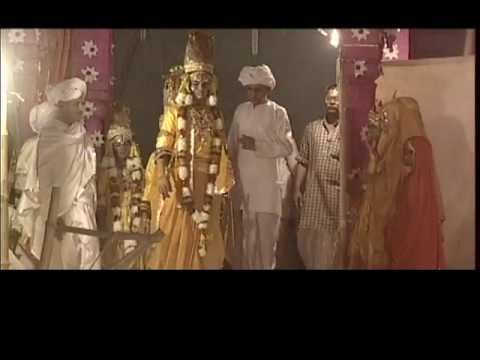
- A scene from annual Ramlila at Ramlila Maidan, New Delhi, 2012
- Recurring event.status
- active
- Recurring event.genre
- Religious Festival
- Recurring event.frequency
- Annually
- Recurring event.venue
- Ramlila Maidan
- Recurring event.location
- Ramlila Maidan, New Delhi, Delhi, India
- Recurring event.country
- India
- Recurring event.years_active
- –present
- Recurring event.founder_name
- Megha Bhagat
- Recurring event.prev
- During Dussehra 2024
- Recurring event.next
- During Dussehra 2025
- Recurring event.sponsor
- <!--
- Recurring event.or sponsors
- -->
via Wikipedia infobox
Described at
Ramlila, the traditional performance of the Ramayana - UNESCO Intangible Cultural Heritage
ich.unesco.org →Ramlila, literally “Rama’s play”, is a performance of then Ramayana epic in a series of scenes that include song, narration, recital and dialogue. It is performed across northern India during the festival of Dussehra, held each year according to the ritual calendar in autumn. The most representative Ramlilas are those of Ayodhya, Ramnagar and Benares, Vrindavan, Almora, Sattna and Madhubani. This staging of the Ramayana is based on the Ramacharitmanas, one of the most popular storytelling forms in the north of the country. This sacred text devoted to the glory of Rama, the hero of the Ramayana, was composed by Tulsidas in the sixteenth century in a form of Hindi in order to make the Sanskrit epic available to all. The majority of the Ramlilas recount episodes from the Ramacharitmanas through a series of performances lasting ten to twelve days, but some, such as Ramnagar’s, may last an entire month. Festivals are organized in hundreds of settlements, towns and villages during the Dussehra festival season celebrating Rama’s return from exile. Ramlila recalls the battle between Rama and Ravana and consists of a series of dialogues between gods, sages and the faithful. Ramlila’s dramatic force stems from the succession of icons representing the climax of each scene. The audience is invited to sing and take part in the narration. The Ramlila brings the whole population together, without distinction of caste, religion or age. All the villagers participate spontaneously, playing roles or taking part in a variety of related activities, such as mask- and costume making, and preparing make-up, effigies and lights. However, the development of mass media, particularly television soap operas, is leading to a reduction in the audience of the Ramlila plays, which are therefore losing their principal role of bringing people and communities together. 1. Oral traditions and expressions (384) 2. Performing arts (411) 3. Social practices, rituals and festive events (584)
Excerpt from a page describing this subject · 9,219 chars · not written by Vinony
Wikidata facts
Show 4 more facts
- Commons category
- Ramlila
- intangible cultural heritage status
- Masterpieces of the Oral and Intangible Heritage of Humanity
- described at URL
- ich.unesco.org/es/RL/00110
- inception
- 1625-00-00
Sources (2)
via Wikidata · CC0
~21 min read
Encyclopedic overview
10 sectionsContents
- Etymology and nomenclature
- History
- Description
- Regional variations
- Ramlila at Ramnagar, Varanasi
- Shri Sitaram Dharmmandal, Saraiharkhu Jaunpur
- Geographic spread
- References
- Bibliography
- External links
thumb|This image is taken during 2018 World Famous Ramnagar Ramlila
Ramlila or Ramleela (; literally 'Rama's lila or play') is any dramatic folk re-enactment of the life of Rama according to the ancient Hindu epic Ramayana or secondary literature based on it such as the Ramcharitmanas. It particularly refers to the thousands of the Hindu god Rama-related dramatic plays and dance events, that are staged during the annual autumn festival of Navaratri in India. After the enactment of the legendary war between good and evil, the Ramlila celebrations climax in the Vijayadashami (Dussehra) night festivities where the giant grotesque effigies of evil such as of the rakshasa (demon) Ravana are burnt, typically with fireworks. Rama is the seventh avatar of the Hindu deity Vishnu and the central figure of the Ramayana, a Sanskrit epic that integrates performance arts with stories driven by ethical values. The epic text is dated to the 1st millennium BCE and Ramlila is an adaptation of those stories. Most Ramlilas in North India are based on the 16th-century secondary work on Ramayana, Ramcharitmanas a verse form composition in Awadhi language of Uttar Pradesh by Tulsidas. These verses are used as dialogues in traditional adaptations. Open-air productions are staged by local Ramlila committees (Samitis), and funded entirely by the villagers or local neighbourhoods in urban areas. The core team of performance artists train for the dance-drama, but the actual performance attracts impromptu participants from the audience and villagers. This art form is a part of the Hindu culture, found for many gods and goddesses, but those of Rama, Durga (as Durga Puja) and Krishna (as Rasalila) are the most popular and annual events in the Indian subcontinent.
Excerpted from Wikipedia’s “Ramlila” article, available under the CC BY-SA 4.0 licence.
Gallery (10)
On the map
2 mapped locations