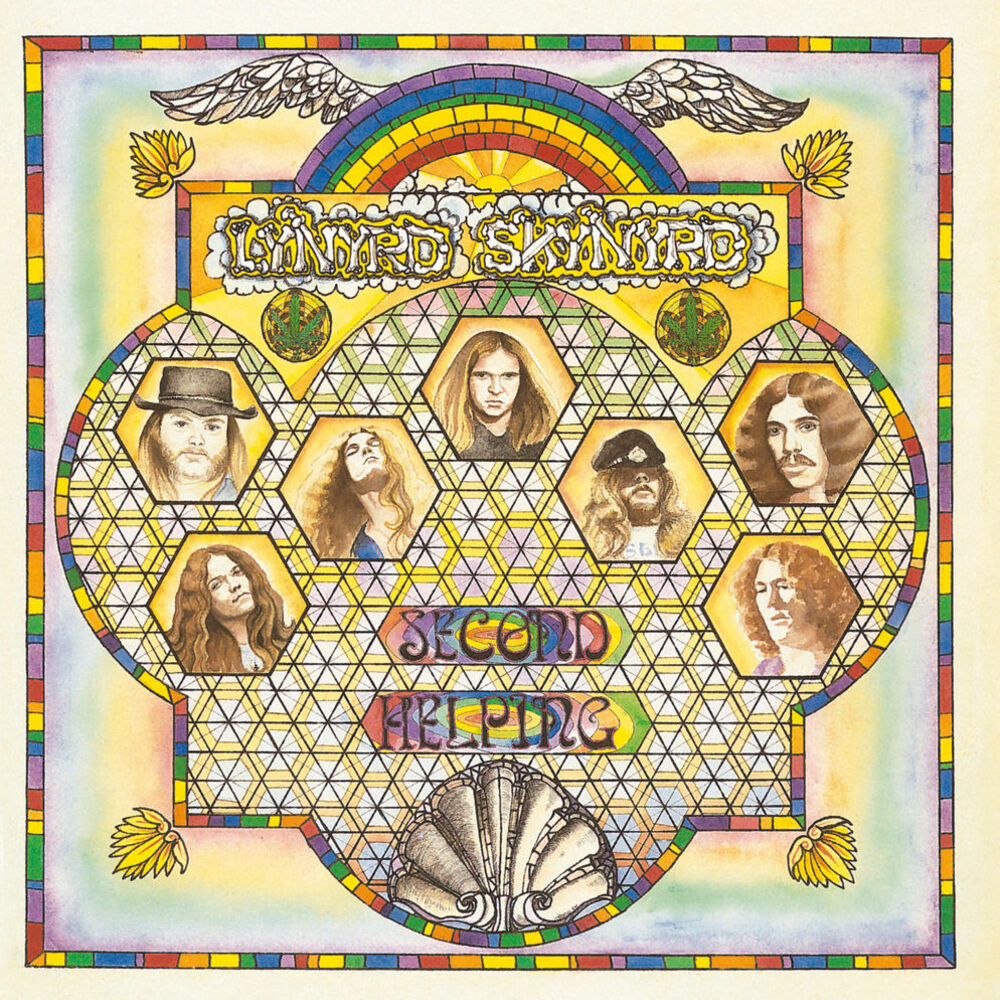
Deezer — Lynyrd Skynyrd · Deezer (cover art)
Second Helping
Sign in to savealbum dei Lynyrd Skynyrd del 1974
OverviewAI-generated
Second Helping is a studio album by the American band Lynyrd Skynyrd. Released on April 15, 1974, in the United States, the work is presented in the English language. It was produced by Al Kooper and recorded at the Record Plant studio. The album falls under the genres of Southern rock, blues rock, boogie rock, and hard rock, with iTunes categorizing it broadly as rock.
The release contains eleven tracks, including the song "Sweet Home Alabama." It was distributed via music streaming platforms and issued under the MCA Records label. The project represents a single part of the artist's discography.
Synthesized by Vinony from 18 facts across 2 sources: Wikidata, Itunes. Generated from structured data (not the Wikipedia text) and checked against those facts — may still contain errors.
Release · MusicBrainz
- Type
- Album
- Artist
- Luther Hughes & the Cannonball-Coltrane Project
- First released
- 2006
via MusicBrainz · CC0
Listeners · Last.fm
- Listeners
- 850
- Total plays
- 3,554
Tags
<a href="https://www.last.fm/music/Second+Helping">Read more on Last.fm</a>
Wikidata facts
- Instance of
- album
- Genre
- hard rock
- Producer
- Al Kooper
- Duration
- 37.15
- Performer
- Lynyrd Skynyrd
- Record label
- MCA Records
- Distribution format
- music streaming
Show 8 more facts
- publication date
- 1974-04-15
- language of work or name
- English language
- recorded at studio or venue
- Record Plant
- tracklist
- Sweet Home Alabama
- number of parts of this work
- 11
- form of creative work
- studio album
- place of publication
- United States
- title
- Second Helping
via Wikidata · CC0
Article · Italiano
Second Helping è il secondo album discografico del gruppo southern rock statunitense Lynyrd Skynyrd pubblicato il 15 aprile 1974 per l'etichetta discografica MCA Records. L'album contiene la loro hit Sweet Home Alabama, in risposta alle canzoni di Neil Young Southern Man e Alabama che contenevano delle critiche alle popolazioni del Sud degli Stati Uniti tacciate di razzismo. La canzone raggiungerà l'ottavo posto nella classifica Billboard Hot 100 nell'ottobre del 1974.
Abstract from DBpedia / Wikipedia · CC BY-SA