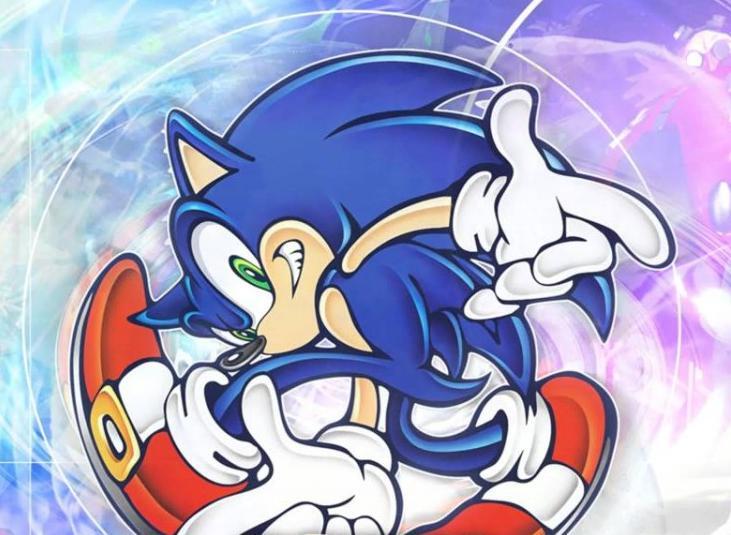
Sonic Adventure · RAWG · Courtesy of RAWG
Sonic Adventure
Sign in to saveAlso known as SA, SA1, SA 1
1998 3D platforming video game developed by Sonic Team
OverviewAI-generated
Sonic Adventure is a video game developed by Sonic Team and published by Sega. It belongs to the Sonic The Hedgehog franchise and supports single-player mode. The game was released in 1998, with specific publication dates recorded as December 23, 1998, September 9, 1999, October 14, 1999, and December 1, 1999. It is available on PC, Xbox One, Xbox 360, PlayStation 3, Dreamcast, and Nintendo GameCube.
The title is categorized under the genres of Adventure, Action, RPG, Family, Platformer, and Platform. It holds an ESRB rating of Everyone. Critical reception includes a Metacritic score of 49, a RAWG rating of 4, and an IGDB critic rating of 55. The IGDB user rating is 67, based on 212 ratings.
Synthesized by Vinony from 18 facts across 3 sources: Wikidata, RAWG, IGDB. Generated from structured data (not the Wikipedia text) and checked against those facts — may still contain errors.
Game data
Metacritic 49- Released
- 1998-12-23
- User rating
- 4.00 / 5
- Genres
- Adventure, Action, RPG, Family, Platformer
- Platforms
- PC, Xbox One, Xbox 360, PlayStation 3, Dreamcast
- ESRB
- Everyone
via RAWG
Game details · IGDB
Sonic Adventure is a 3D platformer video game in the Sonic the Hedgehog series. The player can control six characters from the Sonic universe, each with their own gameplay and point of view of the story. The game is divided up into two types of levels: Action Stages and Adventure Fields. The division of Action Stages and Adventure Fields are a serious departure from all previous Sonic games. Adventure Fields are non-linear game stages that contain very few items, generally designed for puzzle solving, exploration and plot advancement. Action Stages are more speed based and have Rings scatte…
- Released
- 1998
- Genres
- Platform, Adventure
- Platforms
- PlayStation 3, Nintendo GameCube, PC (Microsoft Windows), Xbox 360, Dreamcast
- Game modes
- Single player
- Franchise
- Sonic The Hedgehog
- Developer
- Sonic Team
- Publisher
- Sega
Key facts
- Developer
- Sonic Team
- Publisher
- Sega
- Director
- Takashi Iizuka
- Producer
- Yuji Naka
- Designers
- Takao Miyoshi Takashi Iizuka Yojiro Ogawa
- Programmers
- Tetsu Katano Yoshitaka Kawabata
- Artists
- Kazuyuki Hoshino Yuji Uekawa
- Writer
- Akinori Nishiyama
- Composers
- Jun Senoue Kenichi Tokoi Fumie Kumatani
- Series
- Sonic the Hedgehog
- Platforms
- Dreamcast GameCube Windows Xbox 360 PlayStation 3
- Genres
- Platform , action-adventure
- Mode
- Single-player
via Wikipedia infobox
Wikidata facts
- Instance of
- video game
- Genre
- platform game
- Country of origin
- United States
- Publisher
- Sega
- Followed by
- Sonic Adventure 2
- Director
- Takashi Iizuka
- Composer
- Jun Senoue
- Producer
- Yuji Naka
- Developer
- Now Production
- Platform
- PlayStation 3
- Game mode
- single-player video game
- Distribution format
- digital distribution
Show 7 more facts
- characters
- Miles "Tails" Prower
- language of work or name
- Spanish
- publication date
- 2011-03-04
- input device
- gamepad
- distributed by
- Microsoft Store
- title
- ソニックアドベンチャー
- Commons category
- Sonic Adventure
Sources (6)
via Wikidata · CC0
~40 min read
Encyclopedic overview
Sonic Adventure is a 1998 platform game developed by Sonic Team and published by Sega for the Dreamcast. It was the first main Sonic the Hedgehog game to feature 3D gameplay. It follows Sonic the Hedgehog, Miles "Tails" Prower, Knuckles the Echidna, Amy Rose, Big the Cat, and E-102 Gamma in their quests to collect the Chaos Emeralds and stop Doctor Ivo Robotnik from unleashing Chaos, an ancient evil. Controlling one of the six characters—each with their own abilities—players complete levels to progress the story. Sonic Adventure retains many elements from prior Sonic games, such as power-ups and the ring-based health system. Players can play minigames such as racing and interact with Chao, a virtual pet.
Sonic Team began developing Sonic Adventure in 1997, after the cancellation of the Sega Saturn game Sonic X-treme. Led by director Takashi Iizuka and producer Yuji Naka, the team strove to reinvent Sonic for the 3D era of video games. Adventure features a stronger emphasis on storytelling and role-playing elements in contrast to previous Sonic games, while Yuji Uekawa redesigned the series's characters for their transition to 3D. Sonic Team attempted to demonstrate the technical prowess of the Dreamcast with realistic graphics and drew inspiration from locations in Peru and Guatemala. The soundtrack was primarily composed by Jun Senoue, who preferred rock music over the electropop of previous Sonic games.
Excerpted from Wikipedia’s “Sonic Adventure” article, available under the CC BY-SA 4.0 licence.