Special Relationship
Sign in to saveAlso known as The Special Relationship
unofficial term often used to describe the political, diplomatic, cultural, economic, military, and historical relations between the United Kingdom and the United States
Described at
The special relationship persists – for better or worse
JD Vance’s trip to the UK makes this a summer of transatlantic soft power
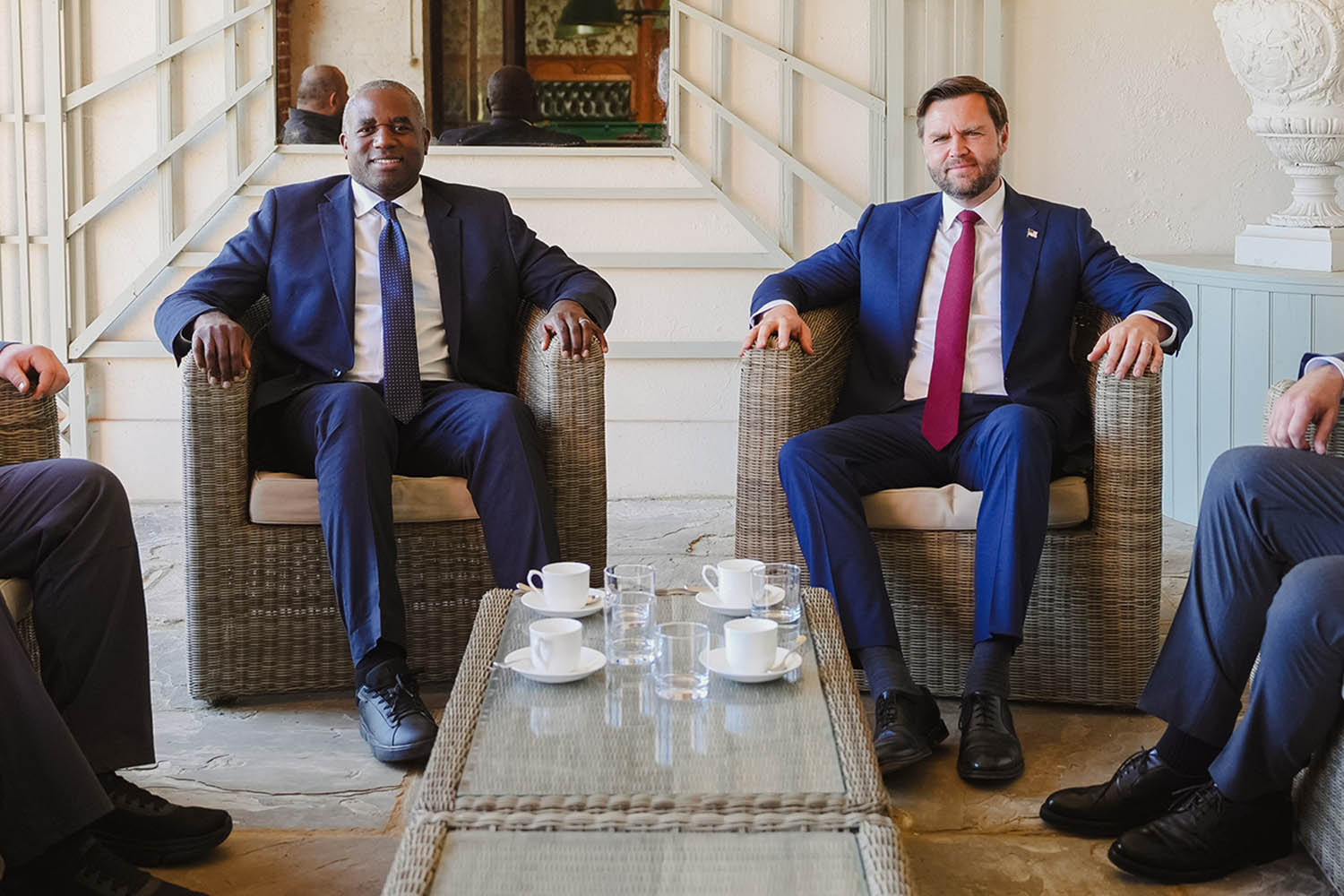
observer.co.uk →So what? Hot on the heels of Donald Trump’s trip to Scotland, this has been a summer of transatlantic soft power. Security costs aside , there seems to be little diplomatic downside to Vance fishing in Chevening and Trump golfing in Menie. But there are questions as to who benefits from the relationship between the countries, which risks driving a wedge between the UK and Europe even though Brits would prefer a closer trading partnership with the latter. The special relationship. Winston Churchill coined the term in 1946 on a speaking tour of US universities after leaving office. It has also been applied to American ties with Canada and Israel. What it means. Economic links, shared intelligence and defence are at the heart of the relationship, including the US commitment to protect Europe following the Second World War. The Marshall Plan provided more than $13 billion in aid to the continent, with a quarter sent to Britain. And also Nato. The strength of this bond looked under threat earlier this year as Trump equivocated on Nato. He is back on side but gripes remain. Vance said on Sunday that Washington was “done funding” Ukraine, and that Europe has to “step up”. The imbalanced relationship. Although these organisations confer equal membership to the US and the UK, it’s clear who wears the pants. This is not just about defence – Britain’s nuclear deterrent relies on America for maintenance – but trade too. 7.95 – how many times larger the US economy is than Britain’s. Vox populi. The UK public has grown cynical of this dependence. While more than half of Brits thought there was a special relationship at the start of the Biden administration, this dropped to 30 per cent in April after Trump’s return to office. The very best of our journalism, reviews and ideas – curated each day. Puzzles people and the stories behind them - trends, histories, insights and brain teasers all in one place. Roll out the carpet. The British government clearly thinks its relationship with the US is worth strengthening. Vance’s visit to the Cotswolds, which has turned a rural idyll into the site of a major police operation, was preceded by a weekend catching carp with the foreign secretary. The unlikely relationship. Vance and Lammy call each other friends and have some things in common, including Take a bow. The UK may argue that political friendship and pragmatic flattery works. Keir Starmer took Trump by surprise in February with an invitation from King Charles for a state visit. Three months later he struck a trade deal with the US that set a 10 per cent tariff rate for Britain. Old habits die hard. In its efforts to curry favour with the US, the UK has had to brush off past criticism. Vance called Britain an “Islamist country” after Labour won the general election. He has also attacked the UK for, he says, backsliding on free speech and importing cheap labour. Points of departure. Trump seems willing to look past these differences when it comes to Starmer. Last month in Scotland he said he liked the prime minister “even though he’s a liberal”. That said, the rest of that press conference saw Trump criticise UK policy as well as the mayor of London. Vance said on Friday that the US did not agree with Britain’s conditional plan to recognise the state of Palestine. What’s more… Starmer and Lammy are happy to manage these disagreements in exchange for staying in Trump’s good books. The great unknown is where the US draws the line.
Excerpt from a page describing this subject · 9,038 chars · not written by Vinony
Wikidata facts
- Part of
- Transatlantic relations
- Main subject
- United Kingdom–United States relations
- Said to be same as
- United Kingdom–United States relations
Show 3 more facts
- named by
- Winston Churchill
- published in
- The Sinews of Peace
via Wikidata · CC0