File:Sigmund_Freud_1926.jpg · Wikimedia Commons · See Wikimedia Commons
sublimation
Sign in to saveAlso known as sublimation (psychology)
type of defense mechanism where socially unacceptable impulses or idealizations are unconsciously transformed into socially acceptable actions or behavior
Research
8,816 papers- Mercuric chloride-induced autoimmunity.Autoimmunity · 1992
- Suicidal intoxication with mercury chloride.Forensic toxicology · 2023
- Acute mercury poisoning.Anaesthesia · 1991
- Blue coffin-shaped tablets.Seminars in dialysis · 2002
- Mercuric bichloride poisoning.The New England journal of medicine · 1951
via PubMed
Wikidata facts
- Instance of
- defence mechanism
- Subclass of
- defence mechanism
Show 3 more facts
- described by source
- Armenian Soviet Encyclopedia
- facet of
- culture
- different from
- sublimation
via Wikidata · CC0
~16 min read
Encyclopedic overview
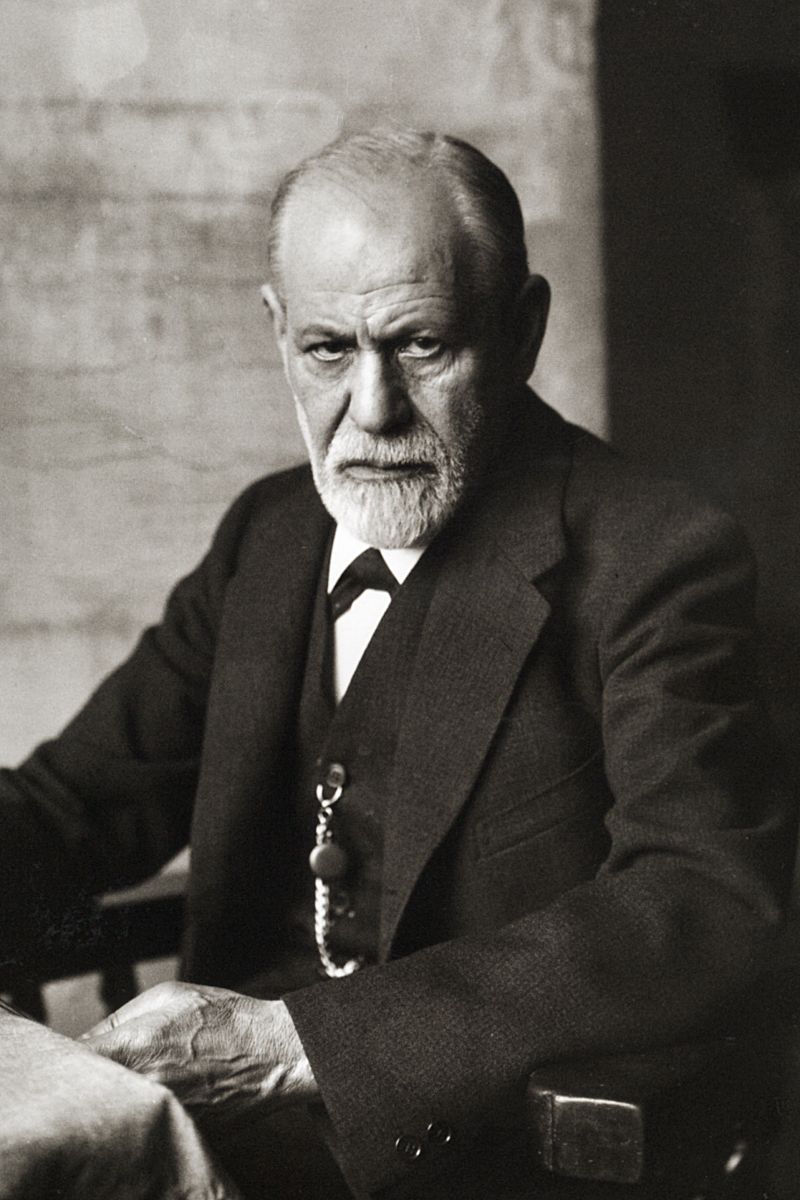
Sigmund Freud, 1926 In psychology, sublimation is a mature type of defense mechanism, in which socially unacceptable impulses or idealizations are transformed into socially acceptable actions or behavior, possibly resulting in a long-term conversion of the initial impulse.
Sigmund Freud believed that sublimation was a sign of maturity and civilization, allowing people to function normally in culturally acceptable ways. He defined sublimation as the process of deflecting sexual instincts into acts of higher social valuation, being "an especially conspicuous feature of cultural development; it is what makes it possible for higher psychical activities, scientific, artistic or ideological, to play such an 'important' part in civilized life."
Excerpted from Wikipedia’s “sublimation” article, available under the CC BY-SA 4.0 licence.