Encyclopedia of Life · EOL (see source)
Taphrina
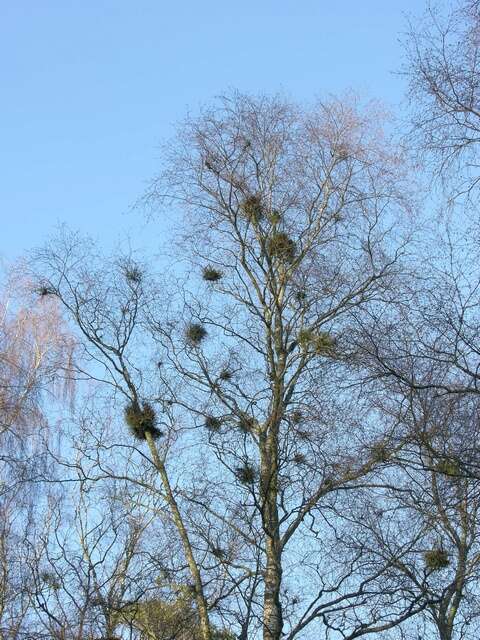
Sign in to saveTaphrina is a fungal genus within the Ascomycota that causes leaf and catkin curl diseases and witch's brooms of certain flowering plants. One of the more commonly observed species causes peach leaf curl. Taphrina typically grow as yeasts during one phase of their life cycles, then infect plant tissues in which typical hyphae are formed, and ultimately they form a naked layer of asci on the deformed, often brightly pigmented surfaces of their hosts. No discrete fruit body is formed outside of the gall-like or blister-like tissues of the hosts. The asci form a layer lacking paraphyses, and they
Species
GENUS
- KingdomFungi
- PhylumAscomycota
- ClassTaphrinomycetes
- OrderTaphrinales
- FamilyTaphrinaceae
タフリナ属 Taphrina Taphrina pruni A:病変部(スモモのふくろみ病) B:子実層 C:子嚢(a:未熟なもの・b:成熟したもの) D:酵母のステージ 分類 界 : 菌界 Fungi 門 : 子嚢菌門 Ascomycota 亜門 : タフリナ菌亜門 Taphrinomycotina 綱 : タフリナ菌綱 Taphrinomycetes 目 : タフリナ目 Taphrinales 科 : タフリナ科 Taphrinaceae 属 : タフリナ属 Taphrina タフリナ属 (Taphrina) は、子嚢菌門タフリナ菌亜門に属する菌類の分類群。被子植物に寄生し、ゴール(菌こぶ)や病変を作らせる。系統の上でも特殊な位置にあると見られている。 目次 1 概要 2 特徴 2.1 生活環 2.2 培養 2.3 病変 3 分類 3.1 ララリア 4 出典 5 参考文献 概要[編集] タフリナ属の菌は高等植物の寄生菌であり、寄生した植物の枝や葉にゴール(菌こぶ)や萎縮、あるいは天狗巣病など様々な症状を形成させる。宿主植物には農業上重要なものが含まれるため、植物病理学上でも重要である。子実体は形成せず、子嚢は宿主植物の表面に層を作って裸出する。モモの縮葉病を起こす T. deformansがもっともよく知られ、研究も多く行われている[1]。 他方でその菌糸体が二核性であること、子嚢胞子が出芽によって増殖し、そのまま酵母として増殖することなど特異な点が多い。分類学上の位置も特異であり、子嚢菌と担子菌の進化を考える上で重要なものとされる。 特徴[編集] T. caerulescensの子嚢層 宿主植物の上では菌糸体を発達させる[2]。菌糸体は規則的に隔壁を持つ菌糸からなり、菌糸は宿主細胞間、クチクラ面の下、時には表皮細胞の細胞壁の内側にまで侵入し、時には宿主組織にかなりの程度まで深く入り込む。子嚢は宿主表面のクチクラ面の下の菌糸から層をなして形成され、クチクラ面が破れて裸出する。 T. deformans の場合、子嚢層の表面は白粉状になる。子嚢そのものは円筒形か棍棒状で長さ25-44μm、太さ8-12μm。子嚢胞子は卵円形で4.5-5×3-4.5μm[3]。 子嚢胞子は子嚢の内部で出芽することがあり、またそれらの細胞は子嚢から放出された後も酵母として生活することができる。菌糸が植物寄生であるのに対して、酵母の状態は腐生生活し、時に宿主植物の表面で発見されることもある。酵母の状態では担子菌系酵母のロドトルラ Rhodotorula やクリプトコックス Cryptococcus に非常に似ている[4]。それらとの区別には生化学的な特徴が利用できる[5]。 生活環[編集] 生活環の概念図 A:単相・アナモルフ酵母の段階 B:二核菌糸の段階 C:複相の段階・子嚢形
via GBIF
Museum specimens
- Specimen records
- 505
- With media
- 217
- Family
- Taphrinaceae
- Collections
- US, NEB, F, NY
- Recorded in
- Guyana, United States, Nicaragua, Canada, Sri Lanka
Wikidata facts
- Instance of
- taxon
- Parent taxon
- Taphrinaceae
- Image
- Nsr-slika-338.png
Show 5 more facts
- Commons category
- Taphrina
- taxon rank
- genus
- taxon name
- Taphrina
- topic's main category
- Category:Taphrina
- taxon author citation
- Fr.
Sources (1)
via Wikidata · CC0
~2 min read
Encyclopedic overview
3 sectionsContents
- Species
- Footnotes
- References
Taphrina is a fungal genus within the Ascomycota that causes leaf and catkin curl diseases and witch's brooms of certain flowering plants. One of the more commonly observed species causes peach leaf curl. Taphrina typically grow as yeasts during one phase of their life cycles, then infect plant tissues in which typical hyphae are formed, and ultimately they form a naked layer of asci on the deformed, often brightly pigmented surfaces of their hosts. No discrete fruit body is formed outside of the gall-like or blister-like tissues of the hosts. The asci form a layer lacking paraphyses, and they lack croziers. The ascospores frequently bud into multiple yeast cells within the asci. Phylogenetically, Taphrina is a member of a basal group within the Ascomycota, and type genus for the subphylum Taphrinomycotina, the class Taphrinomycetes, and order Taphrinales.
==Species== Taphrina alni (Berk. & Broome) Gjaerum Taphrina aurea (Pers.) Fr. Taphrina betulina Rostr. Taphrina bullata (Berkeley) Tulasne Taphrina caerulescens (Desmaz. & Mont.) Tul. Taphrina communis (Sadeb.) Giesenh. Taphrina coryli Taphrina deformans (Berk.) Tul. Taphrina entomospora Thaxter Taphrina faulliana Mix Taphrina filicina Rostr. Taphrina hiratsukae Nishida Taphrina johansonii Sadebeck Taphrina maculans Butler Taphrina padi (Jacz.) Mix Taphrina piri Taphrina polystichi Mix Taphrina populina (Fr. ex Fr.) Fr. Taphrina potentillae (Farl.) Johans. Taphrina pruni Tul. Taphrina sadebeckii Johans. Taphrina tosquinetii (WestendD.) Magnus Taphrina ulmi (Fuckel) Johans. Taphrina wiesneri (Rathay) Mix
Excerpted from Wikipedia’s “Taphrina” article, available under the CC BY-SA 4.0 licence.